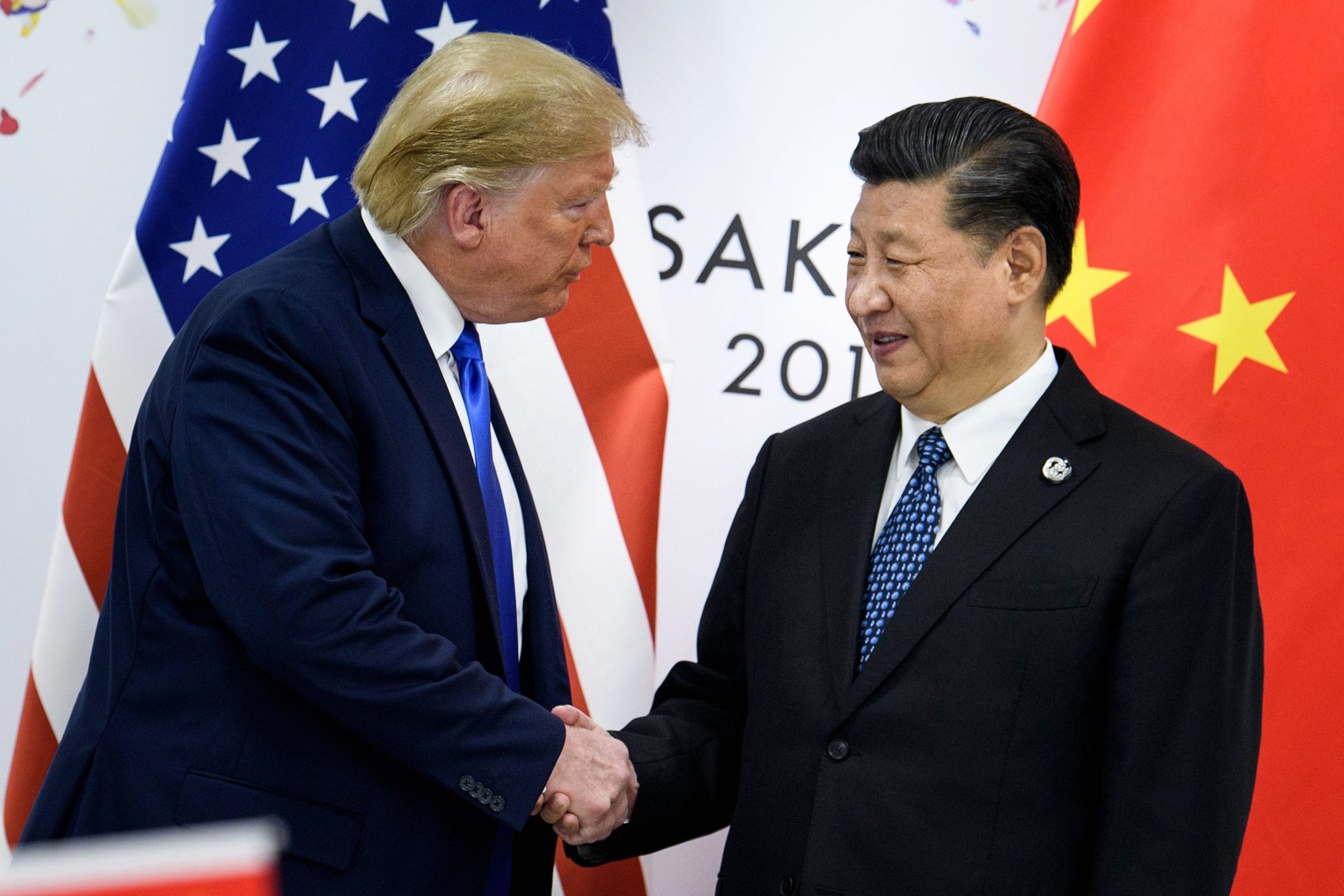
The progress marks quicker negotiations between the two countries after China’s crackdown on rare-earths exports, expert says.
The Latremie Post Posts
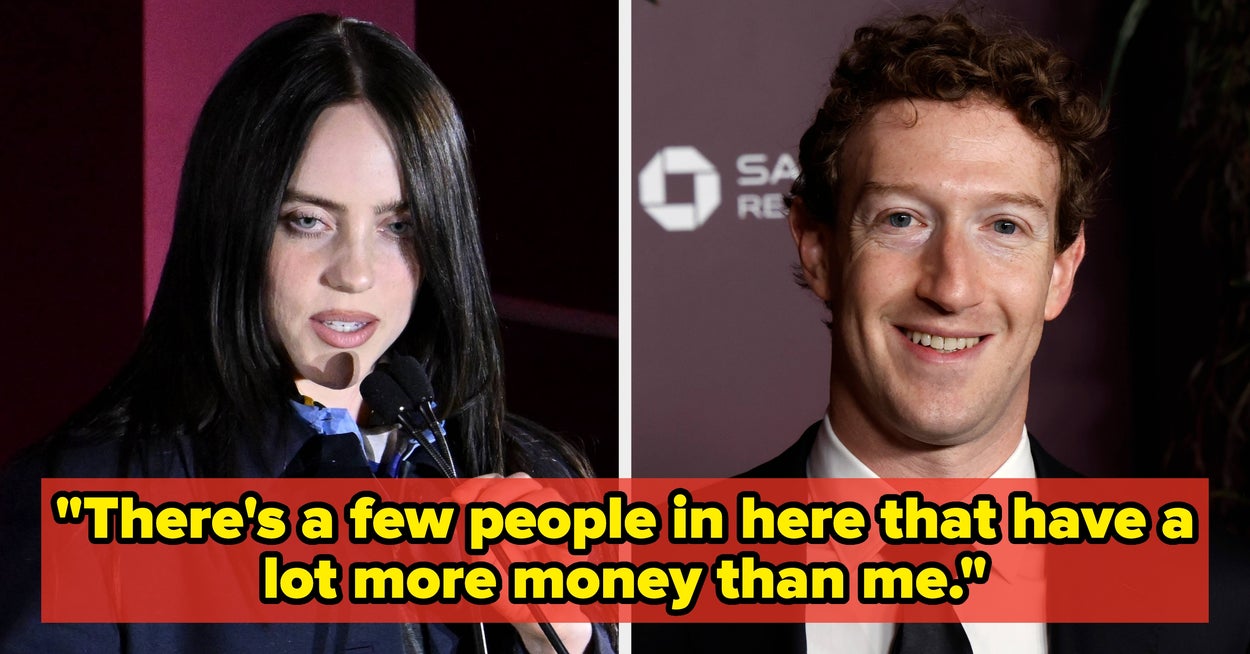
Billie also put her money where her mouth is, donating $11. 5 million to a selection of important causes. View Entire Post ›.
The post Securitize Rolls Out Tokenized Credit Fund with BNY com. Tokenization specialist Securitize rolled out a tokenized credit fund with $57 trillion financial services giant BNY as appetite for real-world assets (RWA) is quickly growing. The Securitize Tokenized AAA CLO Fund (STAC), available on the Ethereum network, aims to offer onchain investors exposure to collateralized loan obligations (CLOs), according to a press release on Wednesday. BNY will act as custodian of the fund’s assets, while investment management will be handled by Insight, a BNY subsidiary focused on fixed income and structured credit strategies. Grove, the onchain credit-focused capital allocator of DeFi protocol Sky (SKY), plans to place $100 million into the fund as an anchor investor, according to the release. The offering aims to bring one of the most stable credit product onto blockchain rails as demand for tokenized assets accelerate. BCG and Ripple projected that the tokenized real-world asset (RWA) market could reach $18. 9 trillion by 2033, up from $35 billion currently. CLOs bundle corporate loans into tranches of varying risk levels. AAA-rated tranches, the most secure, offer floating-rate exposure that typically appeals to institutional investors. Historically, these investments have been difficult to access or slow to settle. Tokenizing the fund’s shares could change that by enabling faster settlement, improved distribution and easier fractional ownership. “For clients who are searching for yield, tokenization is a great way to improve access to high-quality credit in an efficient and transparent instrument,” said Jose Minaya, the global head of BNY Investments and Wealth. Securitize has issued $4. 5 billion of tokenized assets such as equities and funds, including BlackRock’s tokenized money market fund BUIDL. The company filed plans this week to go public by merging with a Cantor Fitzgerald SPAC at a $1. 25 billion valuation, aiming to become the first U. S. listed end-to-end tokenization firm. Read more: Tokenization Firm Securitize Aims for Public.
Whale transactions in BTC and ETH surge as exchange reserves fall and CME ETH futures hit record highs amid rising institutional demand.
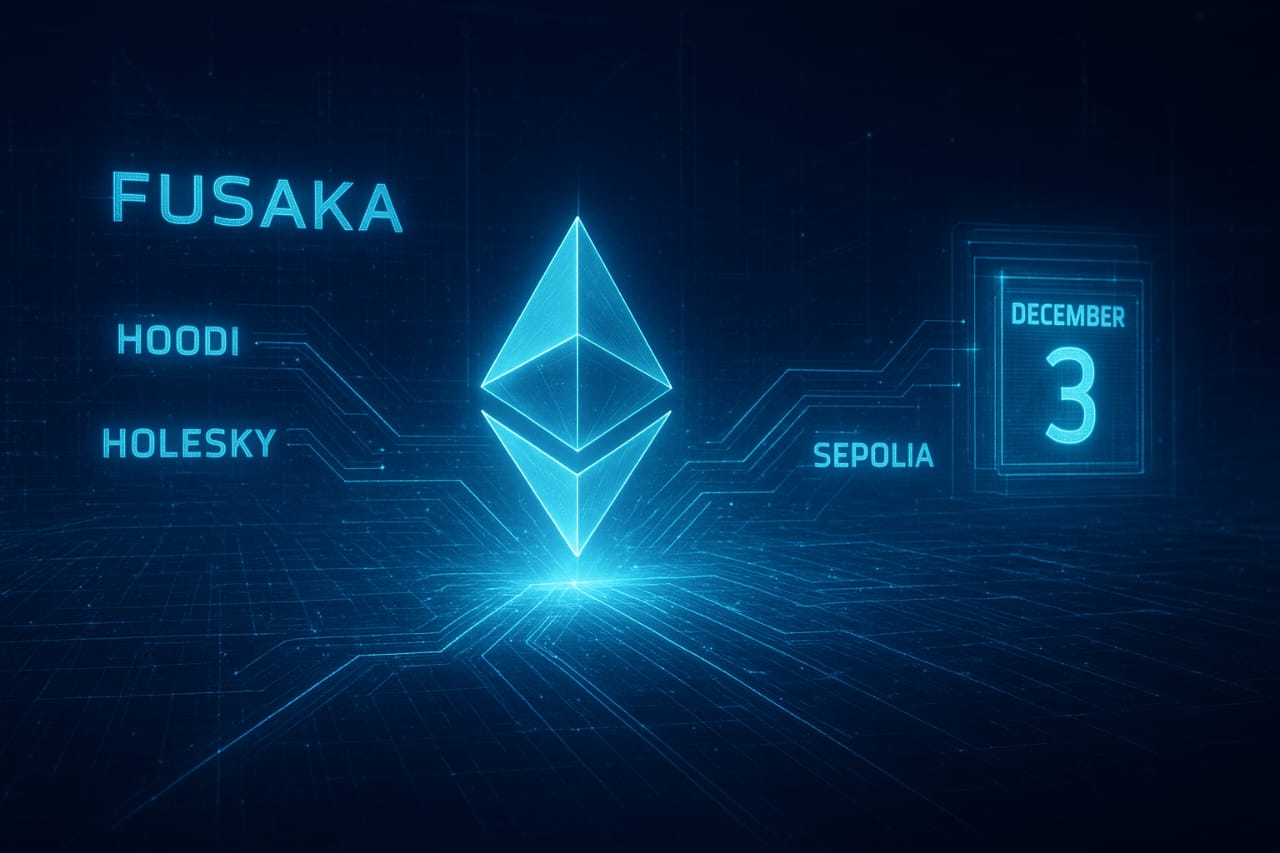
The post Ethereum’s Fusaka Upgrade Goes Live com. Ethereum is moving closer to its next major evolution. On Tuesday, the network’s latest hard fork, Fusaka, went live on the Hoodi testnet, marking the final testing stage before its official mainnet activation later this year. Hoodi is the third and final testnet for Fusaka, following earlier deployments on Holesky and Sepolia. According to the Ethereum Foundation (@ethereumfndn), the mainnet rollout will happen at least 30 days after Hoodi testing, with December 3 set as the tentative date for the official hard fork. Fusaka is more than just another upgrade. It represents the next phase of Ethereum’s long-term roadmap, focused on scalability, efficiency, and Layer 2 optimization. Ethereum Surpasses Bitcoin in Digital Asset Treasuries by Total Supply Ethereum now leads with 4. 1% of total supply held by institutional treasuries, followed by Bitcoin (3. 6%) and Solana (2. 7%). The surge in ETH holdings coincided with Donald Trump’s signing of the GENIUS Act,. pic. twitter. com/o3d2NwmG6m CryptoRank. io (@CryptoRank_io) October 29, 2025 The Road to Fusaka The Ethereum community has been preparing for this moment for months. Each testnet deployment served as a trial ground for new features and infrastructure refinements. The first implementation on Holesky tested network synchronization and consensus adjustments. Sepolia followed, validating node performance and gas parameter tuning. Now, with Hoodi live, developers are finalizing tests for rollup scaling and parallel execution, two pillars of the upcoming upgrade. Fusaka’s mainnet launch on December 3 will be the first step in a three-stage rollout designed to gradually expand Ethereum’s data and transaction capacity. Rollout Timeline Ethereum developers confirmed a structured schedule for Fusaka’s release: Dec 3, 2025 → Fusaka mainnet launch Dec 17, 2025 → Blob capacity increase Jan 7, 2026 → Second blob capacity hard fork Each stage unlocks new capabilities. The first activation will introduce key EIPs, while the later forks.
Bitcoin ETFs gained $839 million while gold funds lost $4. 10 billion, highlighting investors’ growing preference for BTC over bullion.
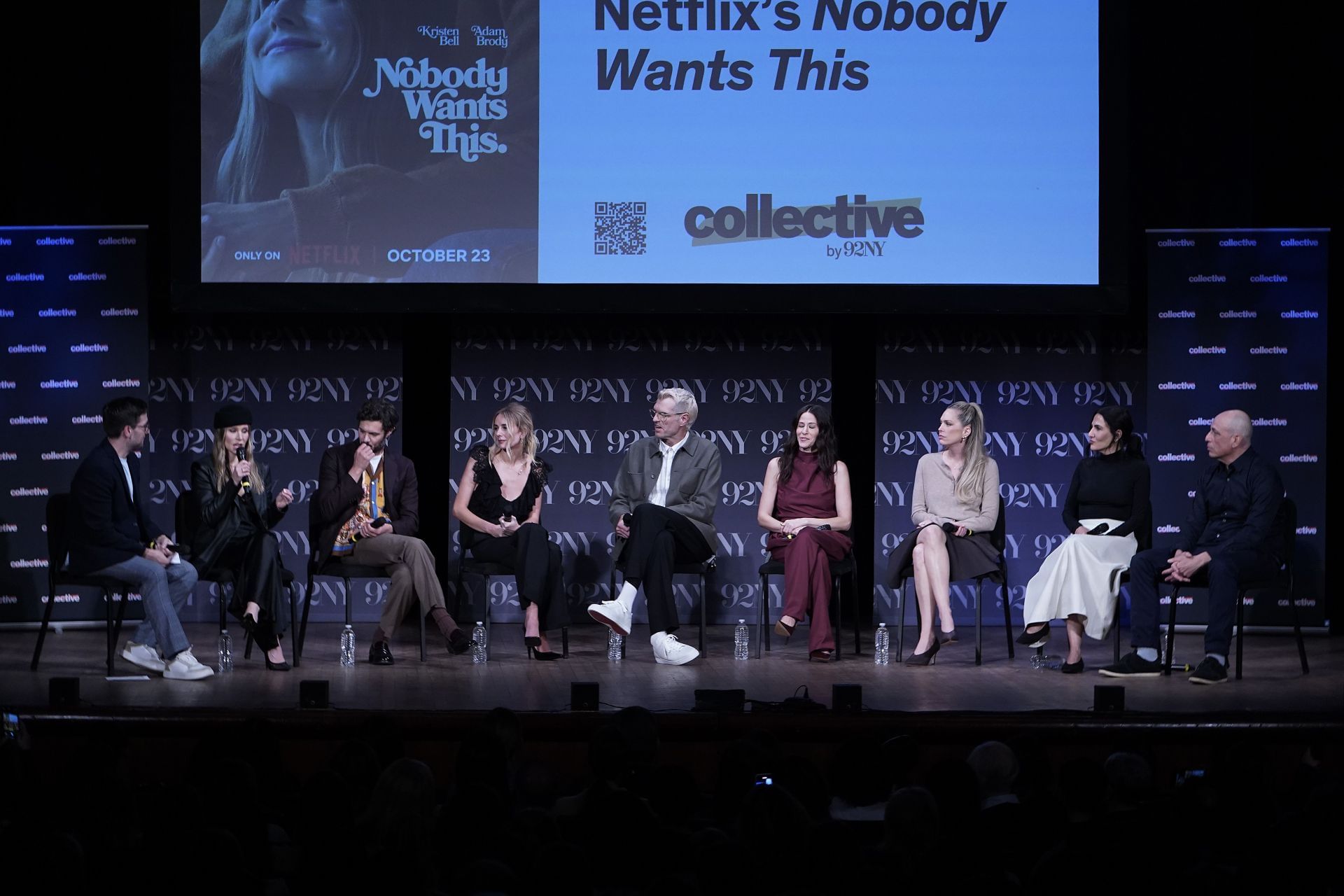
Nobody Wants This has premiered its second season and, yet again, won hearts with its unexpected romance and sharp wit. The series follows an unconventional romance that breaks traditional boundaries.

Former United States Champion Logan Paul recently talked about his WWE status amid his absence from the Stamford-based promotion’s weekly programming.

On October 30, 2025, the 41st Civil Agreement Division of Seoul’s Central District Court ruled that ADOR lawfully dismissed former CEO Min Hee-jin and that the company did not violate NewJeans’ exclus.

The post Telegram Launches Cocoon: A Decentralized AI Network That Pays GPU Owners com. In brief Telegram launched Cocoon, a decentralized AI compute network on TON that pays GPU owners in crypto for powering private AI tasks. Telegram will use Cocoon internally, integrating it into Mini Apps and AI tools for its billion-plus users. The project challenges Big Tech’s dominance, positioning TON as an open, user-controlled alternative to AWS and Azure. Telegram CEO Pavel Durov took to the stage at Blockchain Life 2025 in Dubai on Wednesday to announce Cocoon, a decentralized AI compute network built on The Open Network (TON) blockchain that will pay GPU owners in Toncoin for powering private AI inference. The network, formally called the Confidential Compute Open Network, will launch in November with Telegram as its first major customer. Applications for GPU providers and developers opened immediately following the announcement. Cocoon creates a marketplace where individuals contribute computing power through their graphics processing units and receive TON cryptocurrency in exchange. On the other side, developers gain access to low-cost AI infrastructure that processes queries without exposing user data to centralized providers. This decentralized AI infrastructure is billed as a rival against the monopoly that Big Tech corporations like Amazon’s AWS and Microsoft Azure have. In fact, Durov positioned the project as a response to eroding digital freedoms. Both Telegram and the TON blockchain were also conceived with this privacy-first approach in mind. The timing aligns with growing concerns about centralized AI systems. When companies like OpenAI or Google process your queries, they see everything-your prompts, your data, your patterns, and metadata. Cocoon’s confidential computing approach keeps that information encrypted throughout the process, even from the GPU owners doing the actual computation. Telegram’s globally adopted platform provides immediate scale. The messaging app will integrate Cocoon across its ecosystem, powering AI features in its Mini Apps and potentially transforming how users.