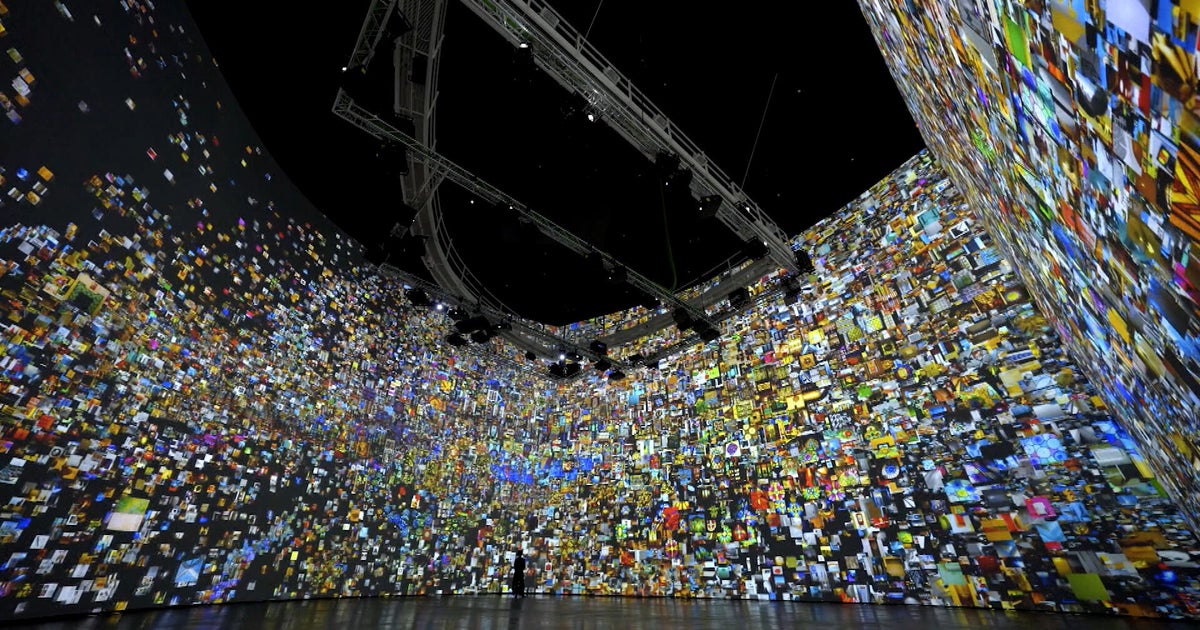
Immerse yourself in an installation by Refik Anadol while debating how AI-generated creations stack up in the art world.
Category: technology
It will suposedly be available in Berry, Fog, Lavender, and Obsidian. The post The Pixel 10a will Come in Four Different Colours, New Leaks Show appeared first on Phandroid.
Secretary Noem says body cameras are being deployed to field officers in Minneapolis

Are you feeling that crypto mood shift again, or are you still waiting for the “perfect time”? In 2026, memes [.] The post APE Smashes Past $0. 2, BONK Rips Higher APEMARS Presale Goes Live With 22, 300% ROI As The Best Crypto to Invest in appeared first on Coindoo.

The post Is Retail Crypto Dying? Crypto YouTube Views Hit Lowest Levels Since Early 2021 appeared com. Views of crypto content on YouTube have collapsed to early-2021 levels due to extreme retail exhaustion. Investors now seem to be abandoning speculative “stories” for more tangible returns in traditional assets like gold and silver. High-profile scams and the -7% return for Bitcoin from last year have severely damaged trust among casual traders. The digital space is suddenly much quieter for fans of digital assets. For the first time in half a decade, crypto YouTube viewership has plunged to levels not seen since the very start of the 2021 bull run. This data came from ITC Crypto founder Benjamin Cowen, who recently tracked a 30-day moving average across all major channels. According to his findings, there has been a clear collapse in engagement over the last three months. Understanding the Drop in Crypto YouTube Viewership The decline in crypto YouTube viewership is widespread and visible, and creators across the board are reporting that their numbers have “fallen off a cliff.” Well-known creators have noted that the drop-off became very noticeable in October, right around the time of the $19 billion crash. Even when prices move, the comments and likes stay flat. This indicates that the people who usually drive the hype are simply no longer watching. Here is a 30 day moving average of views to a lot of different crypto youtube channels. So it’s not just X and an algorithm change. Viewership to crypto has been dropping across platforms. pic. twitter. com/zkowe3nb3L Benjamin Cowen (@intocryptoverse) January 11, 2026 In the past, high volatility would bring in millions of viewers looking for quick price targets. Today, that excitement seems to have vanished. In all, this trend proves that while big banks are now buying Bitcoin through ETFs, the everyday “retail” investor has taken a back seat. Retail Investors Are Moving Toward Gold.

The National Association of Attorneys General has issued a letter to 13 tech companies, including Apple, calling for stronger action and safeguards against the harm AI can cause, and has caused, “especially to vulnerable populations.” Here are the details. more.

Photo credits: zverge / BigStock The European Institute of Innovation and Technology (EIT) has issued a call for proposals worth a total of €70 million to strengthen the links between universities and industry. This lines up with EU policies such as the Start-up and Scale-up Strategy.

Photo credits: zverge / BigStock From January 2026, the Canadian government will lead a C$100 million (€61. 4 million) international research.
Photo credits: Tim Witzdam / Unsplash Scientists from around the world are using generative artificial intelligence tools to write papers in English, and it’s already altering the publishing landscape. A new.
NVIDIA (NVDA) Q3 FY26 earnings results beat revenue and EPS expectations