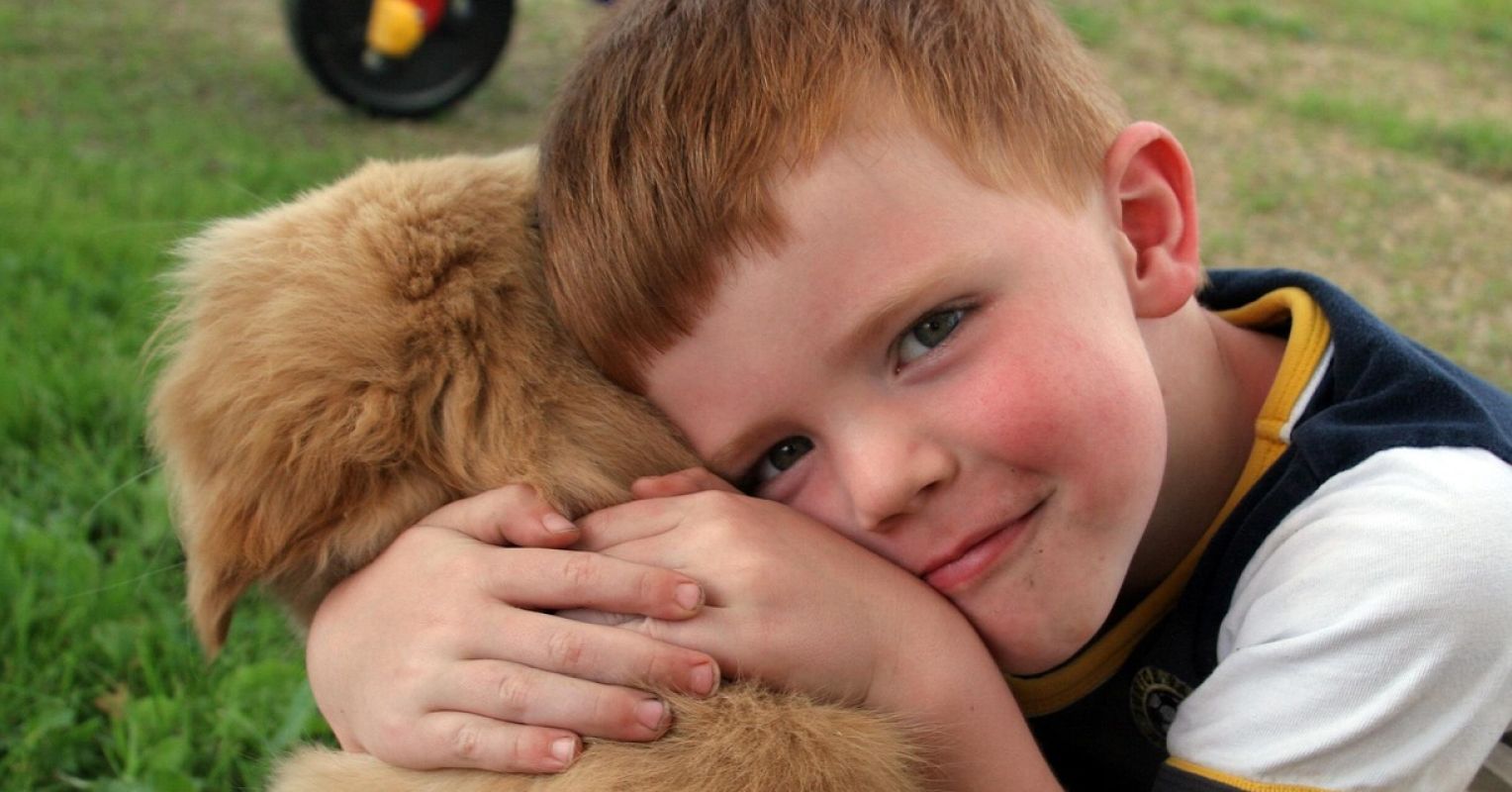
For many people, the love that carried them through childhood didn’t come from the adults who were supposed to soothe, guide, and protect them. It came padded on four legs, wrapped in fur, breath, or gentle weight. Animals have a remarkable way of stepping into the emotional gaps left by human caregivers-offering steadiness, warmth, and unconditional regard without asking a child to contort themselves into impossible shapes. How Animals Become Our Safe Haven in Childhood Children are wired to attach. We reach for protection and regulation from someone who can calm our fears and hold our emotions. When caregivers can’t offer that-because of stress, absence, or their own unhealed pain-a child’s attachment system doesn’t stop seeking. It looks for another place to land. Animals often become that place. An attachment to an animal offers consistency: a dog who greets you with joy, no matter the emotional climate at home. Animals also provide soothing presence through a cat’s purr, the slow breathing of a horse, or the warm weight of a rabbit settling on your knees. These somatic cues can shift a child out of vigilance and into ease. And unlike many humans, animals don’t need explanations or emotional performances. Their affection is uncomplicated; they stay simply because they choose to. These experiences aren’t just emotionally meaningful-they create measurable effects. The Neurobiology of Being Loved by an Animal Interactions with companion animals increase oxytocin-the hormone tied to bonding and safety-in both humans and dogs. Gentle touch with pets reduces cortisol and supports calming physiological responses. Beyond physiology, strong bonds with pets have been linked to higher self-esteem, a greater sense of social support, and improved psychological well-being (McConnell et al., 2011). For a child growing up amid unpredictability or emotional scarcity, this steady relational presence can be profoundly corrective. It gives the developing brain repeated experiences of warmth, connection, and regulation-moments when the body can exhale instead of brace. Over time, this becomes a stabilizing force, sometimes the only stabilizing force, that teaches the child how to return to center. Those early, embodied lessons in connection often echo far into adulthood, shaping emotional resilience in ways that are subtle and enduring. What These Attachments Teach Us Early bonds with animals often become a child’s first experience of relational clarity. These creatures show, through their sweetness and steadiness, how connection is meant to feel. A dog padding toward you when you’re frightened teaches that closeness can soothe rather than intimidate. A cat curling into your lap shows the body how it feels to be accepted without condition. A horse matching your breath offers the beginnings of co-regulation. Even when these lessons come from an animal rather than a reliable human, they still meet essential developmental needs. They teach the nervous system that approach can be safe, that being yourself is enough, and that comfort can be found in shared presence. These quiet experiences settle into a child’s internal world, forming the first outlines of what trust, ease, and emotional steadiness can feel like. The Lasting Impact in Adulthood When those early bonds run deep, they don’t disappear with time; they settle into the body as a felt sense of groundedness. The comfort offered by an animal becomes a kind of emotional muscle memory-a reminder that connection can soften fear, that warmth can follow loneliness, and that being met with gentleness is possible. These weren’t small moments. They shaped how your nervous system organizes around closeness and vulnerability. The quiet rhythm of shared breath, the reassuring weight of a body near yours, the sense of being approached without demand-all of it becomes material the adult self can draw on. As you move through adult relationships, these early imprints help you sense when something is safe, discern when connection is nourishing, and find your footing after stress. In this way, those early relationships operate like emotional anchors, guiding you back toward steadiness and the possibility of trust-even when human relationships have been complicated or painful. The love learned with animals becomes an inner compass, pointing you toward relationships that allow you to rest, open, and trust again. Reclaiming the Safety Your Body Already Knows If an animal once held you through the long nights of childhood, that memory isn’t just sentimental. It lives in your physiology. You can return to it. You can let it inform your adult life in grounded, tangible ways. Call to mind the animal who mattered most to you. Notice what they offered that others couldn’t: the presence, the steadiness, the uncomplicated nearness. Let your body remember what it felt like to be in their orbit: the softening in your shoulders, the slowing of your breath, the quieting inside. That wasn’t imagined comfort; it was your biology responding to a trustworthy connection. Carry a thread of that feeling into this moment. Let it settle in your chest or your belly, in the places that still brace out of habit. Allow that early imprint-the warmth, the ease, the sense of being met-to become something you can access again, something that continues to shape how you move through the world. You’re not recreating the past. You’re reclaiming a resource your body has known all along.
https://www.psychologytoday.com/us/blog/next-change-is-inevitable-growth-is-optional/202511/the-animals-who-raised-us
The Animals Who Raised Us
Be First to Comment