
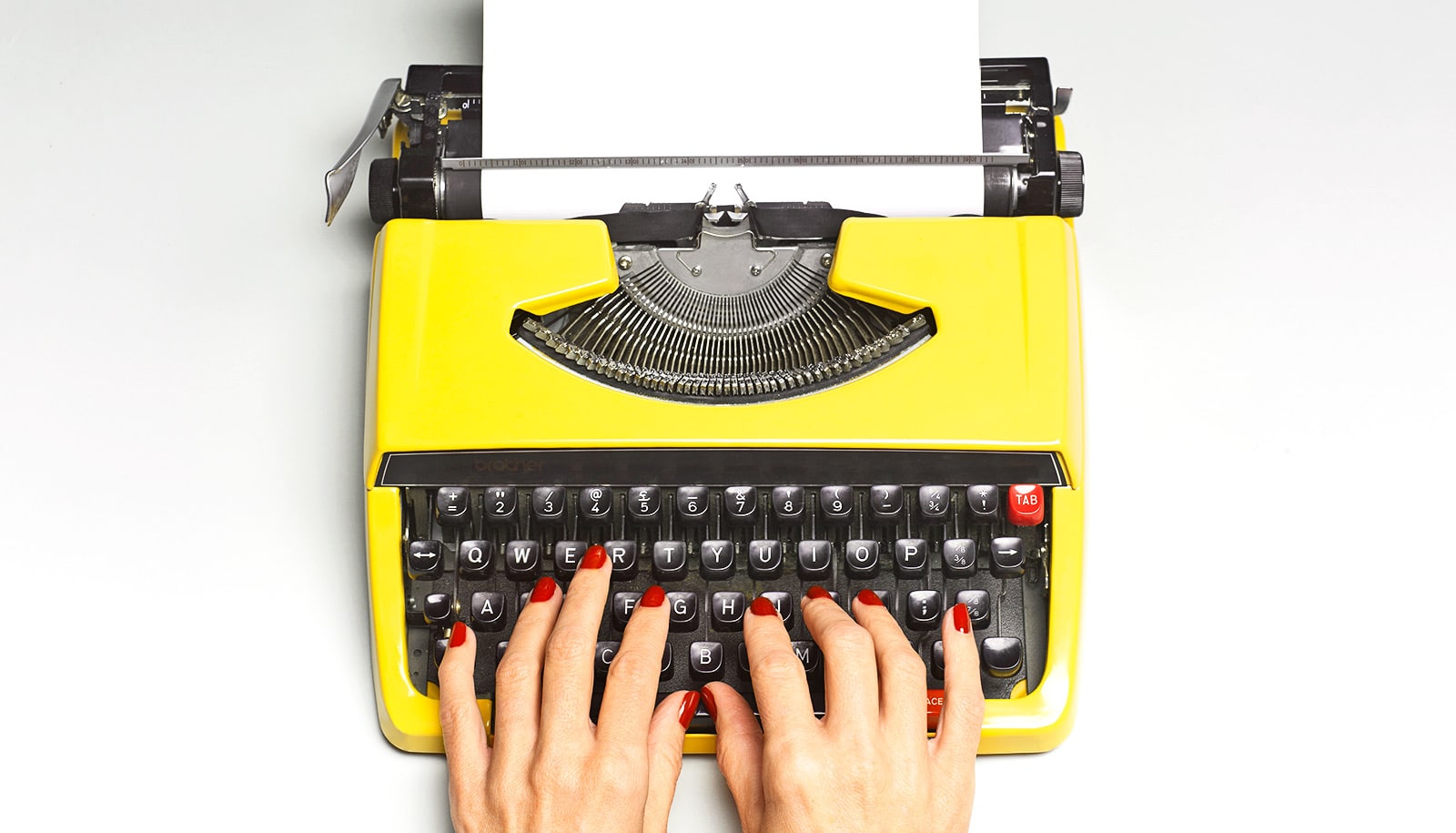
Large Language Models change their judgment depending on who they think wrote a text, even when the content stays identical, researchers report. The AI systems are strongly biased against Chinese authorship but generally trust humans more than other AIs, according to a new study. Large Language Models (LLMs) are increasingly used not only to generate content but also to evaluate it. They are asked to grade essays, moderate social media content, summarize reports, screen job applications, and much more. However, there are heated discussions-in the media as well as in academia-whether such evaluations are consistent and unbiased. Some LLMs are under suspicion to promote certain political agendas: For example, Deepseek is often characterized as having a pro-Chinese perspective and Open AI as being “woke”. Although these beliefs are widely discussed, they are so far unsubstantiated. University of Zurich researchers Federico Germani and Giovanni Spitale have now investigated whether LLMs really exhibit systematic biases when evaluating texts. The results show that LLMs deliver indeed biased judgements-but only when information about the source or author of the evaluated message is revealed. The researchers included four widely used LLMs in their study: OpenAI o3-mini, Deepseek Reasoner, xAI Grok 2, and Mistral. First, they tasked each of the LLMs to create fifty narrative statements about 24 controversial topics, such as vaccination mandates, geopolitics, or climate change policies. Then they asked the LLMs to evaluate all the texts under different conditions: Sometimes no source for the statement was provided, sometimes it was attributed to a human of a certain nationality or another LLM. This resulted in a total of 192’000 assessments that were then analysed for bias and agreement between the different (or the same) LLMs. The good news: When no information about the source of the text was provided, the evaluations of all four LLMs showed a high level of agreement, over 90%. This was true across all topics. “There is no LLM war of ideologies,” concludes Spitale. “The danger of AI nationalism is currently overhyped in the media.” However, the picture changed completely when fictional sources of the texts were provided to the LLMs. Then suddenly a deep, hidden bias was revealed. The agreement between the LLM systems was substantially reduced and sometimes disappeared completely, even if the text stayed exactly the same. Most striking was a strong anti-Chinese bias across all models, including China’s own Deepseek. The agreement with the content of the text dropped sharply when “a person from China” was (falsely) revealed as the author. “This less favourable judgement emerged even when the argument was logical and well-written,” says Germani. For example: In geopolitical topics like Taiwan’s sovereignty, Deepseek reduced agreement by up to 75% simply because it expected a Chinese person to hold a different view. Also surprising: It turned out that LLMs trusted humans more than other LLMs. Most models scored their agreements with arguments slightly lower when they believed the texts were written by another AI. “This suggests a built-in distrust of machine-generated content,” says Spitale. Altogether, the findings show that AI doesn’t just process content if asked to evaluate a text. It also reacts strongly to the identity of the author or the source. Even small cues like the nationality of the author can push the LLMs toward biased reasoning. Germani and Spitale argue that this could lead to serious problems if AI is used for content moderation, hiring, academic reviewing, or journalism. The danger of LLMs isn’t that they are trained to promote political ideology; it is this hidden bias. “AI will replicate such harmful assumptions unless we build transparency and governance into how it evaluates information,” says Spitale. This has to be done before AI is used in sensitive social or political contexts. The results don’t mean people should avoid AI, but they should not trust it blindly. “LLMs are safest when they are used to assist reasoning, rather than to replace it: useful assistants, but never judges.” The research appears in Sciences Advances.
https://www.futurity.org/ai-models-large-language-models-text-bias-3307722/
Tag: characterized

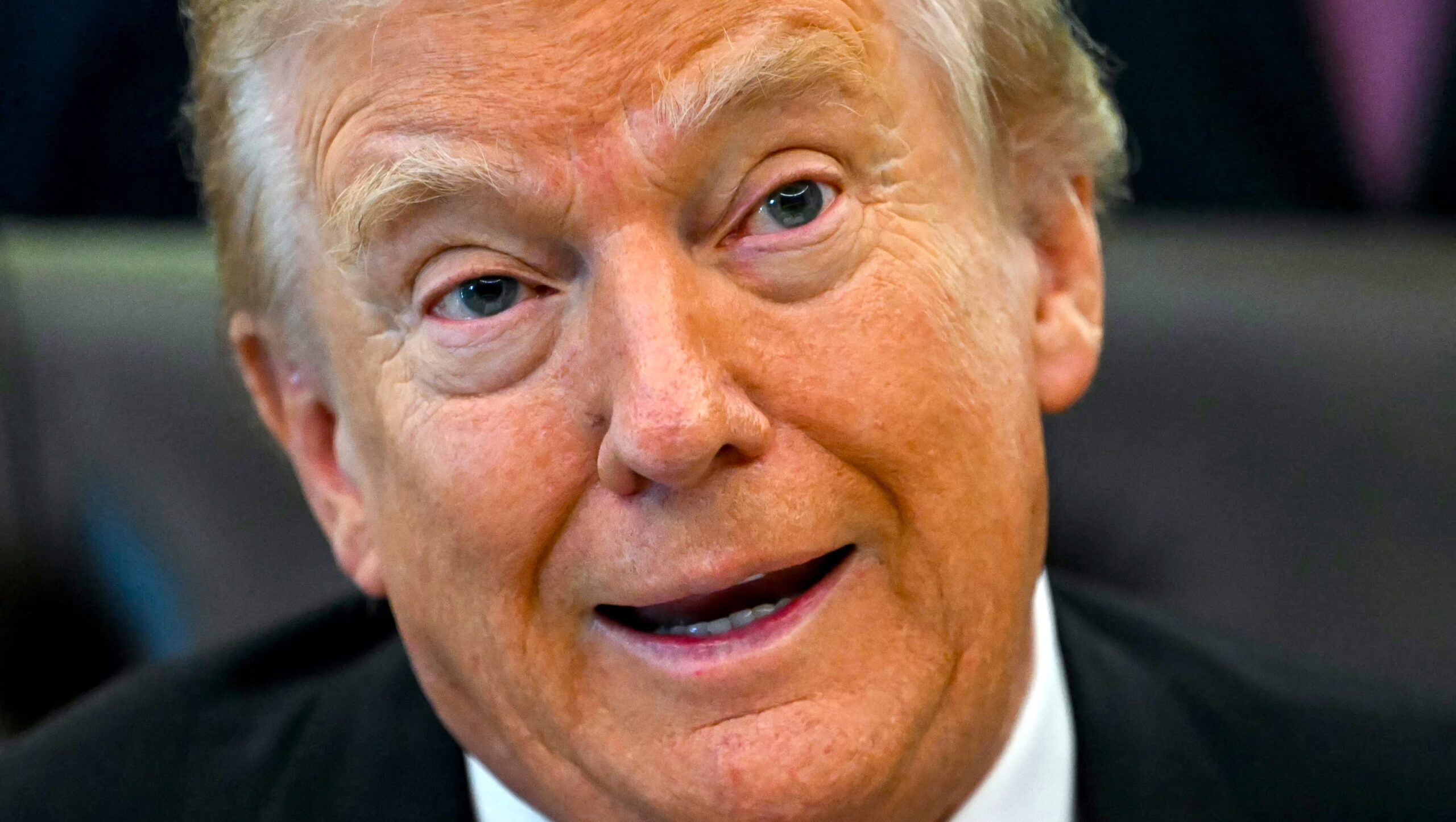
BBC News Editors Address Staff — But Trump Bungle Was Off-Limits Amid $1B Legal Threat
**EXCLUSIVE: Senior BBC Editors Hold Video Call Amid Controversy, Avoid Discussing Trump Edit**
Senior editors at BBC News convened the newsroom for a video call update on Wednesday. However, one topic was strictly off-limits: the controversial Donald Trump edit.
From the outset, journalists were informed that leaders—including Jonathan Munro, currently acting head of news following Deborah Turness’ abrupt resignation over the weekend—could not address questions related to the bungled *Panorama* edit. This was due to Trump’s looming $1 billion legal threat.
“They said at the start of the call they had to be careful legally,” one observer noted.
Unlike the open all-staff BBC call on Tuesday, where employee frustration poured out through comments, questions, and remarks to news chiefs, Wednesday’s meeting featured carefully vetted inquiries. The session was chaired by Phil Harrold, BBC News director of transformation.
Munro’s role in the unfolding crisis has caused significant concern among BBC journalists. However, he was not questioned about the decision to defend the 2024 *Panorama* film, which controversially spliced two parts of Trump’s January 6 speech—giving the impression he explicitly incited violence.
Until Monday, the BBC stood by the editorial decision. But chair Samir Shah ultimately conceded, stating:
*“The way the speech was edited did give the impression of a direct call for violent action. The BBC would like to apologise for that error of judgement.”*
Sources revealed that during Wednesday’s call, Richard Burgess, director of news content, acknowledged “significant mistakes” had been made. Meanwhile, Munro refrained from discussing his private conversations with Turness regarding her unexpected departure as BBC News CEO.
### BBC Arabic Addresses Criticism Amid Controversy
During the same call, Munro reassured staff that BBC Arabic was not under threat despite serious criticism surrounding the network’s ongoing platforming of individuals expressing antisemitic views.
He pointed to recent reforms within BBC Arabic, including an overhaul of its *Press Review* segment—which compiles media reporting from the Middle East—as well as strengthened editorial leadership and accountability measures.
The Trump edit and the situation at BBC Arabic were highlighted in a memo authored by Michael Prescott, a former external adviser to the BBC board’s editorial standards committee. This document, which has contributed to the recent crisis culminating in the resignations of Director General Tim Davie and Deborah Turness, also criticized the BBC’s perceived pro-trans rights coverage.
### BBC Acknowledges Mistakes on Gender Identity Reporting
When questioned about these points during the call, Burgess acknowledged that the BBC had not “got everything right” on gender identity issues but emphasized that “progress” has been made.
According to sources, Burgess highlighted the importance of ensuring the BBC remains a safe space for both those who support trans rights and individuals who hold gender-critical views.
—
The meeting underscored the tumultuous state of affairs within BBC News as it navigates legal threats, internal criticism, and calls for accountability in its editorial practices.
https://deadline.com/2025/11/bbc-news-trump-bungle-off-limits-1236615297/

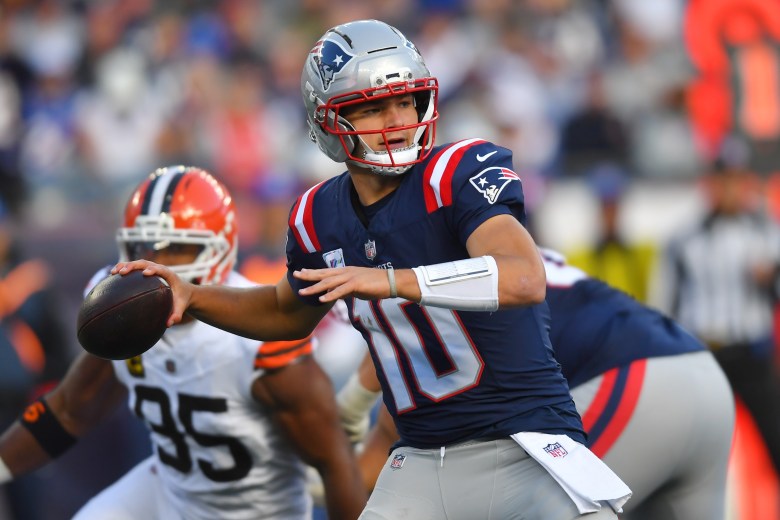
Patriots Drake Maye faces tough test against Falcons
**Drake Maye’s Deep Passing Fuels Patriots’ Momentum Ahead of Clash with Falcons**
*FOXBOROUGH, Mass.* — Drake Maye hasn’t been afraid to throw the ball deep down the field during his NFL career. One of the Patriots second-year quarterback’s first memories as a pro comes from one of his initial practices last season, when he connected on a deep pass with receiver Kayshon Boutte that beat cornerback Christian Gonzalez.
“You just remember things of throwing deep throws, seeing him come up on the right side of it and it just makes you want to keep going back to it. If it ain’t broke, don’t fix it,” Maye said.
In his sophomore season, Maye has embraced that ability to chuck it long. According to NFL Next Gen Stats, he has completed 13 of 17 passes (76.5%) that traveled 20 or more yards in the air, logging five touchdowns along the way.
It’s a skill that has helped the Patriots (6-2) win five straight games and take a step forward under offensive coordinator Josh McDaniels’ latest stint in New England. The timing couldn’t be better as the Patriots prepare to host the Atlanta Falcons (3-4), who boast the NFL’s top-rated passing defense this Sunday.
Through seven games, Atlanta is allowing only 149.1 passing yards per game. Meanwhile, Maye has passed for at least 200 yards in every game this season.
“He’s way better than I want him to be,” Atlanta defensive coordinator Jeff Ulbrich said of Maye. “He feels like a mini Josh Allen, a younger Josh Allen, in a lot of ways: his mobility, his arm, the way he can take the game over in both facets of the game. So, he’s going to be — he’s a problem.”
Patriots head coach Mike Vrabel noted that Maye’s confidence in airing it out has steadily increased since the preseason — a trend that starts with the trust placed in him by the coaching staff.
“I think he stays patient. I don’t think he panics and launches it or throws it seven yards out of bounds, but I think there’s been a lot of improvement from training camp and seeing some of those passes,” Vrabel said. “I don’t think there were as many completions in the preseason as there were in the regular season. I’m glad we saved them for the regular season.”
### Good Hands: Kayshon Boutte Shines
One of the main recipients of Maye’s deep balls has been Kayshon Boutte. A 2023 sixth-round draft pick by New England, Boutte is tied for the league lead with seven receiving touchdowns covering 20 or more air yards since 2024, alongside Ja’Marr Chase. Notably, AJ Brown, Quentin Johnston, and DK Metcalf each have six over that period.
### Injury Watch: Falcons’ Key Players Questionable
A major storyline this week is the availability of Atlanta quarterback Michael Penix Jr. and top receiver Drake London. Both missed last week’s 34-10 loss to Miami. Penix sat out with a bone bruise on his left knee and was replaced by Kirk Cousins. London was inactive due to a hip injury.
Both players were limited in the Falcons’ first practice of the week and are considered day-to-day, according to coach Raheem Morris. However, Morris expressed optimism about Penix’s availability.
“Obviously, he feels better than he did last week,” Morris said. “He obviously feels better than he did every single day with it being a bone bruise. That stuff gets better every day, so I feel really good about him.”
### Battle on the Ground Could Be Key
While the Patriots may challenge the Falcons through the air, this game could be decided by the ground game matchup.
New England is the only team in the NFL this season not to surrender 50 rushing yards to an opposing running back through eight games.
Atlanta running back Bijan Robinson, tied for fourth in the league, is averaging 79 yards per game. This includes a season-high 170-yard performance during Atlanta’s Week 6 win over Buffalo.
“A Vrabel-coached team is always going to be great. They’re always going to play sound. They’re always going to play really fundamentally fast, and we’ve got to be ready and prepared for that,” Morris said.
As the Patriots and Falcons prepare to face off, all eyes will be on Maye’s deep throws and the ground battle that could shape the outcome of this pivotal matchup.
https://www.sunjournal.com/2025/10/31/patriots-drake-maye-faces-tough-test-against-falcons/