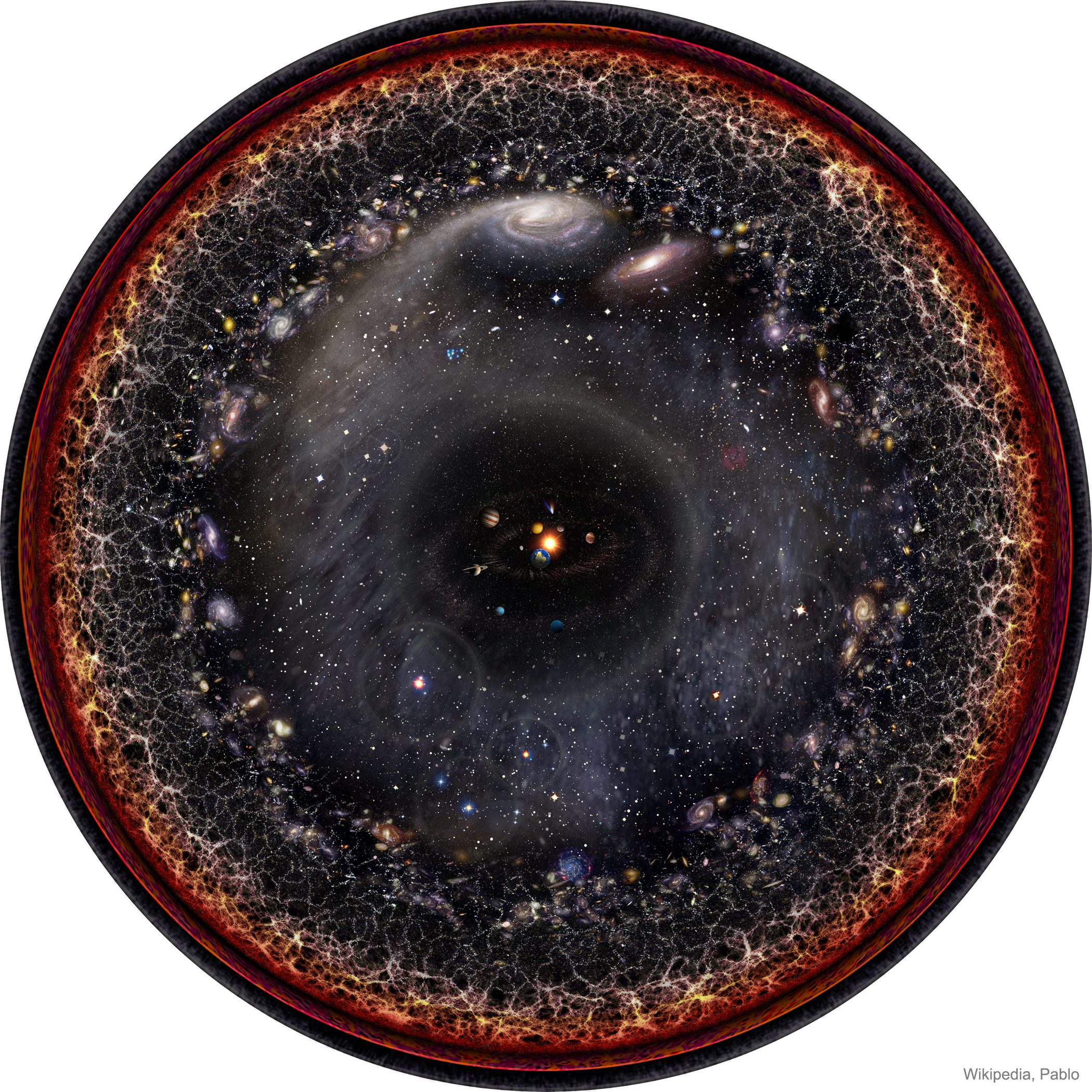
Explanation: How far can you see? Everything you can see, and everything you could possibly see, right now, assuming your eyes could detect all types of radiations around you — is the observable universe. In light, the farthest we can see comes from the cosmic microwave background, a time 13. 8 billion years ago when the universe was opaque like thick fog. Some neutrinos and gravitational waves that surround us come from even farther out, but humanity does not yet have the technology to detect them. The featured image illustrates the observable universe on an increasingly compact scale, with the Earth.
Tag: gravitational
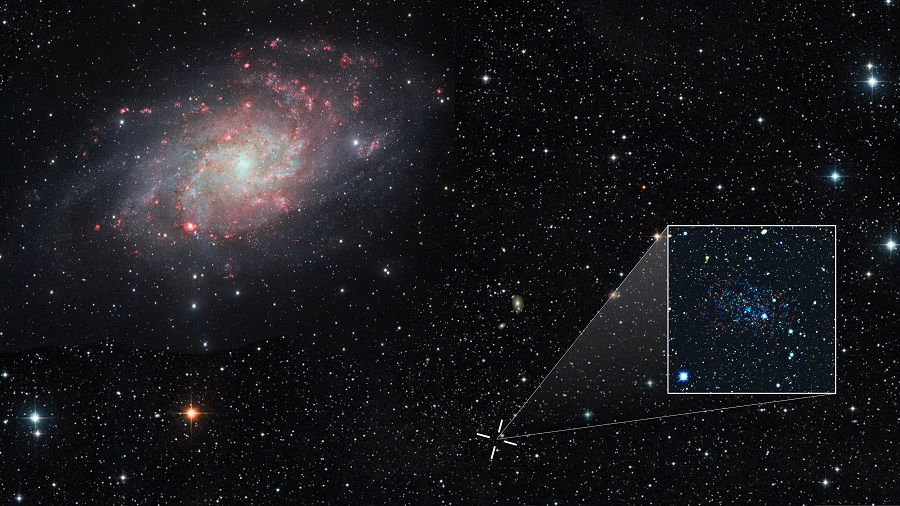
For decades, scientists have puzzled over why galaxies spin faster than expected. The stars in their outer regions move so quickly that, by the laws of physics, they should fly apart. Something unseen-something massive-seems to be holding them together. This invisible force has long been attributed to dark matter, a mysterious substance that makes up [.] The post Tiny dwarf galaxies help solve a 40-year dark matter debate appeared first on Knowridge Science Report.
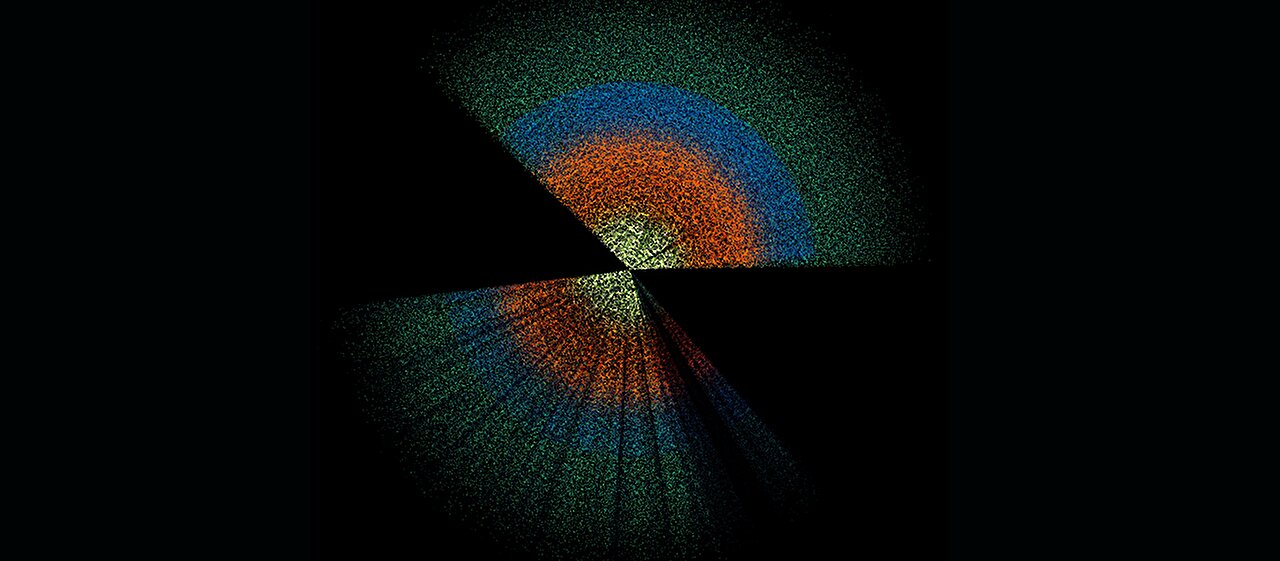
For decades, scientists have been trying to understand dark matter-the mysterious, invisible substance that makes up about 85% of all matter in the universe. It doesn’t emit or reflect light, making it impossible to see directly, and its nature remains one of the biggest puzzles in physics. Now, a new study from researchers at the [.] The post Dark matter obeys gravity just like ordinary matter, scientists discover appeared first on Knowridge Science Report.