
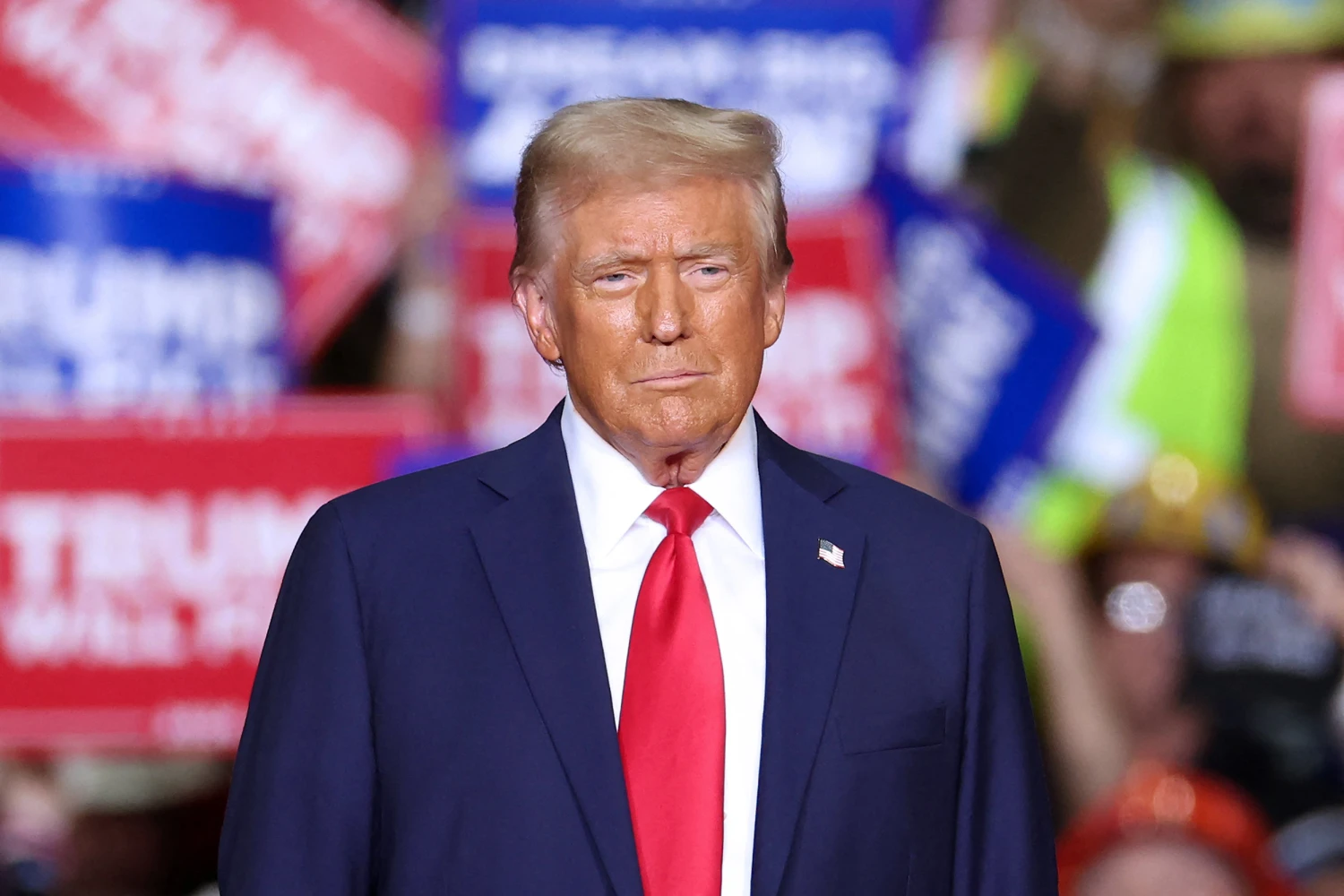
A Judge on Wednesday dismissed the Georgia election interference case against President Donald Trump and others after the prosecutor who took over the case said he would not pursue the charges, ending the last effort to punish the President in the courts for his efforts to overturn his 2020 election loss. Pete Skandalakis, the Executive Director of the Prosecuting Attorneys’ Council of Georgia, took over the case last month from Fulton County District Attorney Fani Willis, who was removed over an “appearance of impropriety” created by a romantic relationship with the special prosecutor she chose to lead the case. After Skandalakis’ filing, Fulton County Superior Court Judge Scott McAfee issued a one-paragraph order dismissing the case in its entirety. The latest criminal case against Trump to unravel The abandonment of the Georgia case is the latest reflection of how Trump has emerged largely unscathed from a spate of prosecutions that once threatened to imperil his political career and personal liberty. Former Justice Department special counsel Jack Smith, who had charged Trump with conspiring to overturn the results of the 2020 election and hoarding classified documents at his Mar-a-Lago estate in Florida, dropped both cases after Trump won the White House last year. Smith cited longstanding Justice Department policy against the indictment of a sitting President. And though Trump was convicted of felony charges in New York in connection with hush money payments during the 2016 election, he was sentenced in January to an unconditional discharge, leaving his conviction intact but sparing him any punishment. It was unlikely that legal action against Trump could have moved forward while he is President. Fourteen other defendants still faced charges, including former New York Mayor and Trump attorney Rudy Giuliani and former White House chief of staff Mark Meadows. Steve Sadow, Trump’s lead attorney in Georgia, applauded the case’s dismissal: “The political persecution of President Trump by disqualified DA Fani Willis is finally over. This case should never have been brought. A fair and impartial prosecutor has put an end to this lawfare.” The Associated Press has reached out to a spokesperson for Willis seeking comment on the dismissal. “The strongest and most prosecutable case against those seeking to overturn the 2020 Presidential election results and prevent the certification of those votes was the one investigated and indicted by Special Counsel Jack Smith,” Skandalakis wrote in his court filing Wednesday. He added that the criminal conduct alleged in the Georgia indictment “was conceived in Washington, D. C., not the State of Georgia. The federal government is the appropriate venue for this prosecution, not the State of Georgia.” Why a new prosecutor took over the Georgia case After the Georgia Supreme Court in September declined to hear Willis’ appeal of her disqualification, it fell to the Prosecuting Attorneys’ Council to find a new prosecutor. Skandalakis said last month that he reached out to several prosecutors, but they all declined to take the case. McAfee set a Nov. 14 deadline for the appointment of a new prosecutor, so Skandalakis chose to appoint himself rather than let the case be dismissed right away. He said Willis’ office only recently delivered the case file 101 boxes and an eight-terabyte hard drive and he hadn’t had a chance to review everything yet. Citing the public’s “legitimate interest in the outcome of this case,” he said he wanted to assess the evidence and decide on appropriate next steps. Skandalakis, who has led the small, nonpartisan council since 2018, said in a court filing last month that he will get no extra pay for the case but that Fulton County will reimburse expenses. He previously spent about 25 years as the elected Republican District Attorney for the Coweta Judicial Circuit, southwest of Atlanta. How the Georgia case fell apart Willis announced the sprawling indictment against Trump and 18 others in August 2023, using the state’s anti-racketeering law to allege a wide-ranging conspiracy to illegally overturn Trump’s narrow loss to Democrat Joe Biden in Georgia. Defense attorneys sought Willis’ removal after one revealed in January 2024 that Willis had a romantic relationship with Nathan Wade, the special prosecutor she hired to lead the case. The defense attorneys alleged a conflict of interest and said Willis profited from the case when Wade used his earnings to pay for vacations the pair took. During an extraordinary hearing the following month, Willis and Wade testified about the intimate details of their relationship. They said the romance didn’t begin until after Wade was hired and that they split the costs for vacations and other outings. The Judge rebuked Willis for a “tremendous lapse in judgment” but found no disqualifying conflict of interest, ruling she could stay on the case if Wade resigned, which he did hours later. Defense attorneys appealed, and the Georgia Court of Appeals removed Willis from the case in December 2024, citing an “appearance of impropriety.” The state Supreme Court declined to hear Willis’ appeal. ___ Republished with permission of The Associated Press.
https://floridapolitics.com/archives/767421-new-prosecutor-wont-pursue-charges-against-donald-trump-others-in-georgia-election-interference-case/
Tag: unconditional

The Animals Who Raised Us
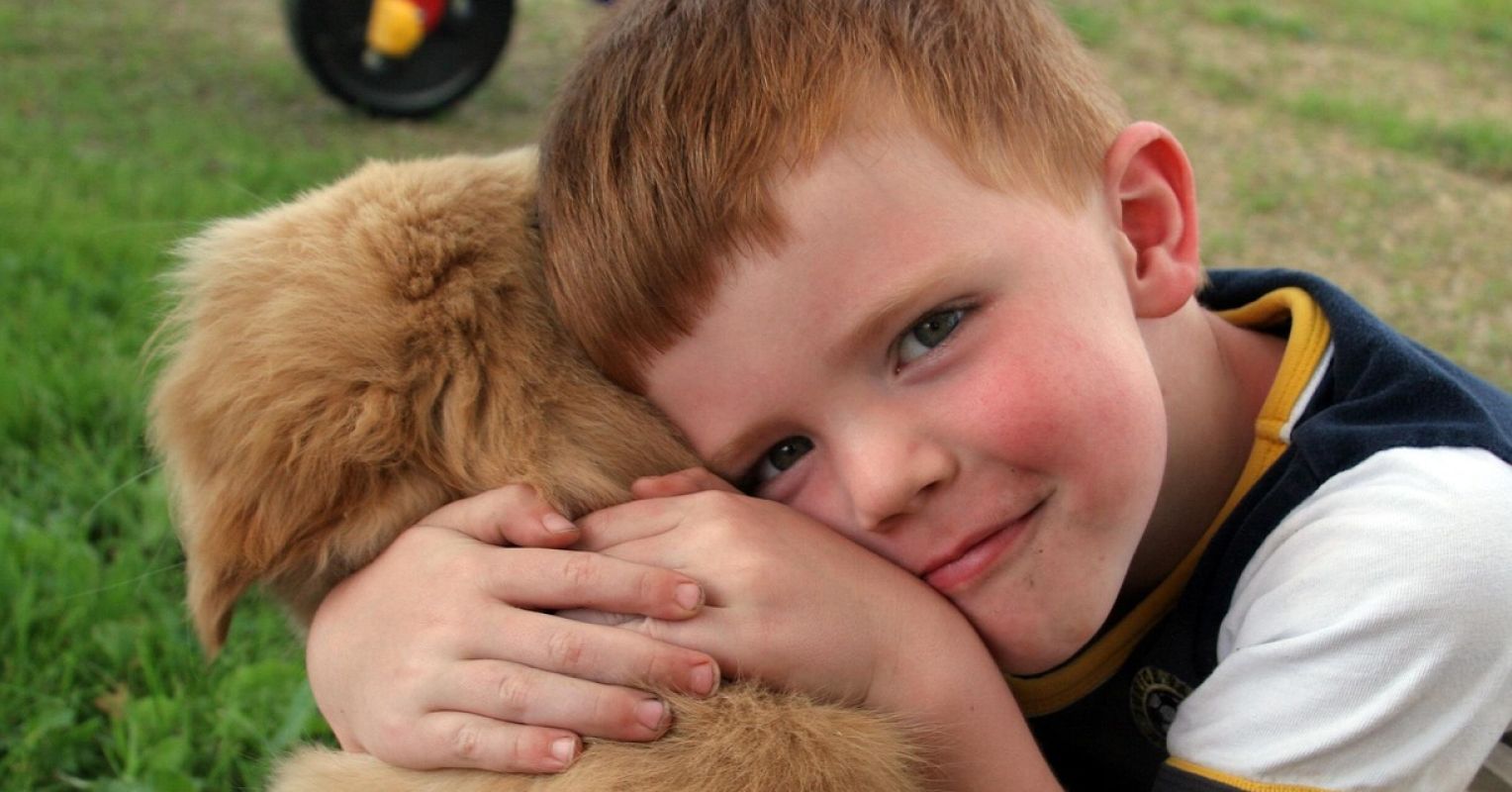
For many people, the love that carried them through childhood didn’t come from the adults who were supposed to soothe, guide, and protect them. It came padded on four legs, wrapped in fur, breath, or gentle weight. Animals have a remarkable way of stepping into the emotional gaps left by human caregivers-offering steadiness, warmth, and unconditional regard without asking a child to contort themselves into impossible shapes. How Animals Become Our Safe Haven in Childhood Children are wired to attach. We reach for protection and regulation from someone who can calm our fears and hold our emotions. When caregivers can’t offer that-because of stress, absence, or their own unhealed pain-a child’s attachment system doesn’t stop seeking. It looks for another place to land. Animals often become that place. An attachment to an animal offers consistency: a dog who greets you with joy, no matter the emotional climate at home. Animals also provide soothing presence through a cat’s purr, the slow breathing of a horse, or the warm weight of a rabbit settling on your knees. These somatic cues can shift a child out of vigilance and into ease. And unlike many humans, animals don’t need explanations or emotional performances. Their affection is uncomplicated; they stay simply because they choose to. These experiences aren’t just emotionally meaningful-they create measurable effects. The Neurobiology of Being Loved by an Animal Interactions with companion animals increase oxytocin-the hormone tied to bonding and safety-in both humans and dogs. Gentle touch with pets reduces cortisol and supports calming physiological responses. Beyond physiology, strong bonds with pets have been linked to higher self-esteem, a greater sense of social support, and improved psychological well-being (McConnell et al., 2011). For a child growing up amid unpredictability or emotional scarcity, this steady relational presence can be profoundly corrective. It gives the developing brain repeated experiences of warmth, connection, and regulation-moments when the body can exhale instead of brace. Over time, this becomes a stabilizing force, sometimes the only stabilizing force, that teaches the child how to return to center. Those early, embodied lessons in connection often echo far into adulthood, shaping emotional resilience in ways that are subtle and enduring. What These Attachments Teach Us Early bonds with animals often become a child’s first experience of relational clarity. These creatures show, through their sweetness and steadiness, how connection is meant to feel. A dog padding toward you when you’re frightened teaches that closeness can soothe rather than intimidate. A cat curling into your lap shows the body how it feels to be accepted without condition. A horse matching your breath offers the beginnings of co-regulation. Even when these lessons come from an animal rather than a reliable human, they still meet essential developmental needs. They teach the nervous system that approach can be safe, that being yourself is enough, and that comfort can be found in shared presence. These quiet experiences settle into a child’s internal world, forming the first outlines of what trust, ease, and emotional steadiness can feel like. The Lasting Impact in Adulthood When those early bonds run deep, they don’t disappear with time; they settle into the body as a felt sense of groundedness. The comfort offered by an animal becomes a kind of emotional muscle memory-a reminder that connection can soften fear, that warmth can follow loneliness, and that being met with gentleness is possible. These weren’t small moments. They shaped how your nervous system organizes around closeness and vulnerability. The quiet rhythm of shared breath, the reassuring weight of a body near yours, the sense of being approached without demand-all of it becomes material the adult self can draw on. As you move through adult relationships, these early imprints help you sense when something is safe, discern when connection is nourishing, and find your footing after stress. In this way, those early relationships operate like emotional anchors, guiding you back toward steadiness and the possibility of trust-even when human relationships have been complicated or painful. The love learned with animals becomes an inner compass, pointing you toward relationships that allow you to rest, open, and trust again. Reclaiming the Safety Your Body Already Knows If an animal once held you through the long nights of childhood, that memory isn’t just sentimental. It lives in your physiology. You can return to it. You can let it inform your adult life in grounded, tangible ways. Call to mind the animal who mattered most to you. Notice what they offered that others couldn’t: the presence, the steadiness, the uncomplicated nearness. Let your body remember what it felt like to be in their orbit: the softening in your shoulders, the slowing of your breath, the quieting inside. That wasn’t imagined comfort; it was your biology responding to a trustworthy connection. Carry a thread of that feeling into this moment. Let it settle in your chest or your belly, in the places that still brace out of habit. Allow that early imprint-the warmth, the ease, the sense of being met-to become something you can access again, something that continues to shape how you move through the world. You’re not recreating the past. You’re reclaiming a resource your body has known all along.
https://www.psychologytoday.com/us/blog/next-change-is-inevitable-growth-is-optional/202511/the-animals-who-raised-us