Netanyahu’s UN pin features QR code linking to Oct. 7 horror film

**Netanyahu’s UN Pin Features QR Code Linking to Oct. 7 Horror Film**

As part of a broader Israeli public-diplomacy push in New York this week, Israeli Prime Minister Benjamin Netanyahu’s pin at the United Nations features a QR code that links to a film depicting the horrors of October 7.

Dozens of billboard trucks and digital screens have been deployed near the UN headquarters to support this initiative, amplifying Israel’s message during the 80th United Nations General Assembly (UNGA).

Prime Minister Netanyahu delivered his address at the UN headquarters in New York City on September 26, 2025. The coordinated campaign underscores Israel’s effort to raise awareness and convey the gravity of recent events on an international stage.

*Photo credit: REUTERS/JEENAH MOON*
*By JERUSALEM POST STAFF*
https://www.jpost.com/israel-news/article-868689

EAM S Jaishankar Slams Double Standards At UNGA, Calls For Stronger Global Cooperation Amid Trump’s Russian Oil Threat – VIDEO

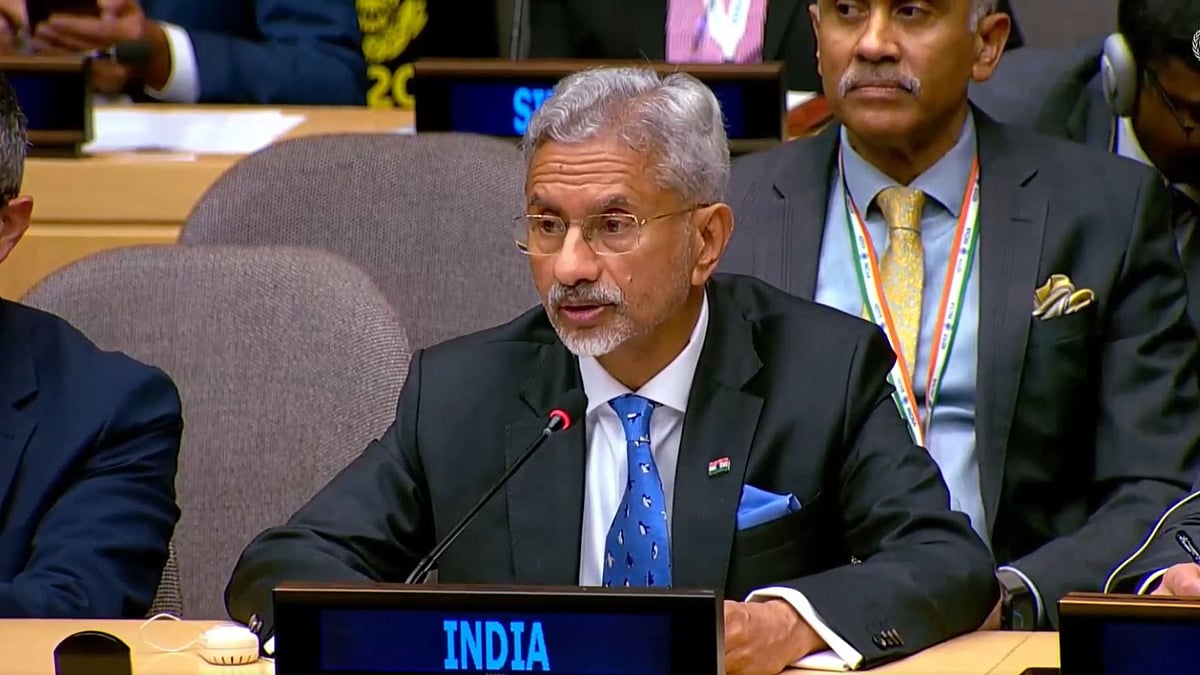
United Nations: External Affairs Minister S Jaishankar on Thursday said that terrorism remains a “persistent threat” to development and stressed that the world must show neither tolerance nor accommodation to terrorist activities. Addressing the G20 Foreign Ministers’ meeting here, Jaishankar said those who act against terrorists on any front render a “larger service to the international community as a whole”. Speaking on the correlation between international peace and global development, he said that in recent times, both deteriorated in parallel. “A persistent threat to development is that perennial disruptor of peace – terrorism,” he said, adding, “It is imperative that the world display neither tolerance nor accommodation to terrorist activities.” As the world confronts conflict, economic pressures and terrorism, the limitations of multilateralism and the United Nations are visible, Jaishankar said. “The need for reforming multilateralism has never been greater,” he said, adding that today, the international situation is both politically and economically volatile. “We as members of G20 have a particular responsibility to strengthen its stability and give it a more positive direction that is best done by undertaking dialogue and diplomacy, by firmly combating terrorism, and by appreciating the need for stronger energy and economic security.” Speaking on peace and global development, he said ongoing conflicts, particularly in Ukraine and Gaza, have starkly demonstrated the costs, especially to the Global South, in terms of energy, food and fertiliser security. “Apart from jeopardising supplies and logistics, access and cost themselves became pressure points on nations. Double standards are clearly in evidence,” he said. Jaishankar stressed that while peace enables development, threatening development cannot facilitate peace. He said that making energy and other essentials more uncertain in an economically fragile situation helps no one, and called for moving the needle towards dialogue and diplomacy, “not in the opposite direction towards further complications”. In any conflict situation, there will be a few who have the ability to engage both sides and such countries can be utilised by the international community, both to achieve peace and to maintain it thereafter, he said. “So even as we attempt to address complex threats to peace, the value of encouraging a buy-in from those supportive of such goals should be appreciated,” he said. (Except for the headline, this article has not been edited by FPJ’s editorial team and is auto-generated from an agency feed.)
https://www.freepressjournal.in/world/eam-s-jaishankar-slams-double-standards-at-unga-calls-for-stronger-global-cooperation-amid-trumps-russian-oil-threat-video

Ukraine restores diplomatic relations with Syria, Zelensky says

Ukraine Restores Diplomatic Relations with Syria, Says President Zelensky

Ukraine has restored diplomatic relations with Syria, reversing the break that occurred in 2022. At that time, Ukraine severed ties after the Syrian government, led by the ousted President Bashar al-Assad, recognized certain regions of Ukraine occupied by Russian forces as “independent” territories backed by Russia.

Ukrainian President Volodymyr Zelensky announced the restoration of diplomatic relations during a meeting with Italian President Sergio Mattarella at the Quirinale Palace in Rome, Italy, on July 9, 2025.

https://www.jpost.com/international/article-868489

‘Israel’s policy runs counter to the world, we are committed to dialogue,’ Syria’s Sharaa at UNGA

**”Israel’s Policy Runs Counter to the World, We Are Committed to Dialogue,” Says Syria’s Sharaa at UNGA**

Sharaa, who became the first Syrian leader to address the United Nations General Assembly (UNGA) podium since 1967, reiterated his calls for the lifting of sanctions on Syria.

During his speech at the 80th UNGA held at the UN headquarters in New York on September 24, 2025, Syrian President Ahmed al-Sharaa emphasized Syria’s commitment to dialogue despite opposing policies.

The president highlighted that Israel’s current policies run counter to the international community’s efforts and stressed the importance of diplomatic engagement.

*Photo Credit: REUTERS/JEENAH MOON*
https://www.jpost.com/middle-east/article-868488

Trump Gives Putin Another Month Instead Of Two Weeks

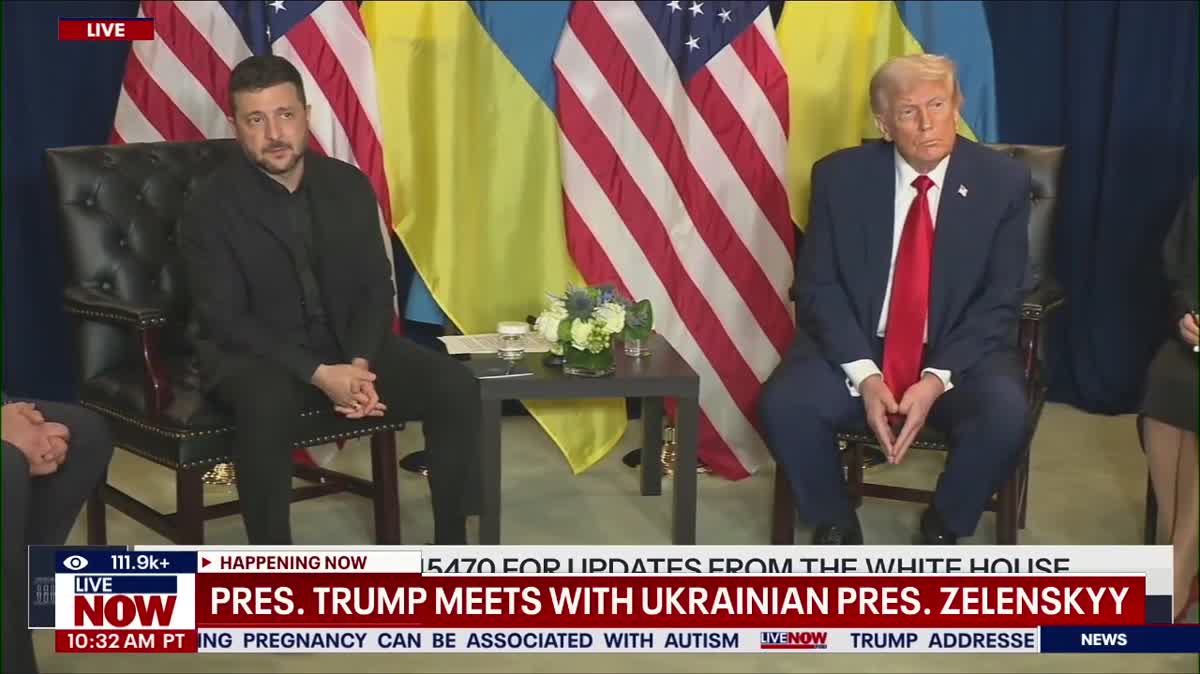
During the Q&A session following a meeting between Donald Trump and Ukraine President Volodymyr Zelenskyy, Trump was asked if he still trusted Vladimir Putin. His response was, “I’ll let you know in about a month.”

In the same session, Trump also stated that NATO countries should shoot down Russian drones if they enter their airspace. This marks a significant departure from his usual stance, where he often suggested that Russia might have made a mistake flying into certain areas.

The question remains: what does giving Putin another month actually achieve? How many extensions does the Russian leader get?

When asked, “Mr. President, do you think that NATO countries should shoot down Russian aircraft if they enter their airspace?” Trump replied, “Yes, I do.”

Later, when asked, “Mr. President, any update on your talk with President Putin? Do you still trust him?” Trump responded, “I’ll let you know in about a month from now, okay?”

It seems Putin is not engaging in serious peace talks, yet Trump appears willing to grant him another month, then perhaps two weeks, then a week, and then another month, citing that their talks have been positive. This ongoing cycle raises concerns about accountability and progress.

When will the press do its job and hold these discussions to account?
https://crooksandliars.com/2025/09/trump-gives-putin-month-instead-two-weeks

Pak PM Shehbaz to travel to Washington to meet Trump on Thursday

Pakistan Prime Minister Shehbaz Sharif is set to travel from New York to Washington to meet U.S. President Donald Trump on Thursday, as both sides make a renewed push to reset their bilateral relations. Shehbaz is currently in New York to attend the United Nations General Assembly (UNGA) session. According to diplomatic sources cited by The Express Tribune, he will briefly travel to Washington for the meeting and then return to New York the same day to continue his UNGA engagements.

This upcoming meeting will mark the first time the U.S. President and the Pakistani Prime Minister have met at the White House since July 2019, when former Prime Minister Imran Khan visited Washington and met President Trump. During President Joe Biden’s tenure, Pakistan was noticeably sidelined; he never held phone conversations with Pakistani prime ministers nor extended invitations to the White House.

Since President Trump took office in January, however, there has been a dramatic and unexpected shift in the Pakistan-U.S. relationship. The Trump-Shehbaz meeting comes amid a noticeable thaw in ties between Islamabad and Washington. In June, Trump held a rare one-on-one meeting with Pakistan Army Chief General Asim Munir at the White House, signaling a departure from the Biden administration’s frosty approach in favor of Trump’s more transactional but open style of engagement with Pakistan.

Diplomatic observers view the Shehbaz-Trump meeting as a continuation of this reset. A senior Pakistani official familiar with the process told The Express Tribune, “The optics of the army chief’s meeting in June were significant. This meeting institutionalises that opening.”

Officials in Islamabad believe the discussions will focus on a range of issues including bilateral relations, regional and international matters such as Afghanistan, counterterrorism cooperation, and trade opportunities.

Analysts caution, however, that while President Trump appears eager to engage Islamabad, the reset remains tentative.

*Note: This story has been sourced from a third-party syndicated feed. Mid-day accepts no responsibility or liability for the dependability, trustworthiness, reliability, or accuracy of the text. Mid-day management reserves the sole right to alter, delete, or remove (without notice) content at its absolute discretion for any reason whatsoever.*
https://www.mid-day.com/news/world-news/article/pakistan-prime-minister-shehbaz-sharif-to-travel-to-washington-to-meet-us-president-donald-trump-on-thursday-23595612

External Affairs Minister S Jaishankar Meets US Ambassador-Designate Sergio Gor To Strengthen Bilateral Ties

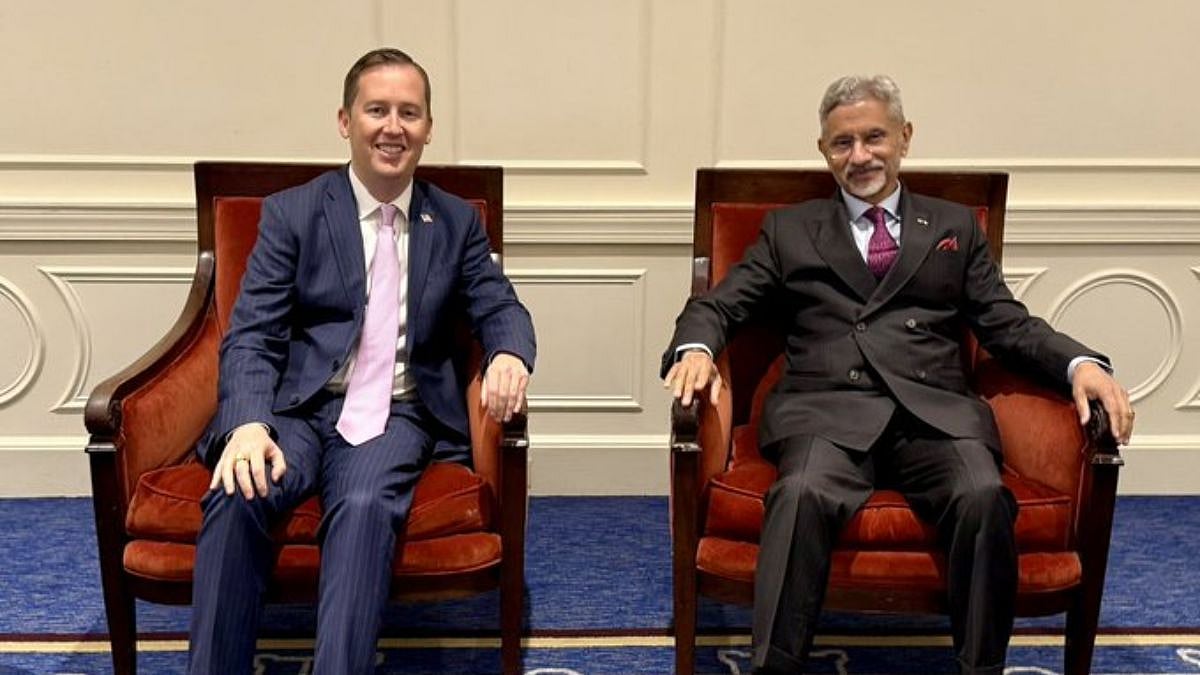
New York: External Affairs Minister S Jaishankar on Monday met US Ambassador to India-designate Sergio Gor on the sidelines of the United Nations General Assembly (UNGA) session in New York. Both leaders expressed their commitment to further promoting the success of the bilateral relationship between India and the United States.

In a post on X, the US Special Envoy and Ambassador-designate shared that they look forward to strengthening ties between the two countries. The official post read, “U.S. Special Envoy for South and Central Asia and Ambassador Nominee to India Sergio Gor met with India’s External Affairs Minister Jaishankar on the margins of the United Nations General Assembly. They look forward to further promoting the success of the U.S.-India relationship.”

Earlier, on September 12, Sergio Gor highlighted the “deep friendship” between US President Donald Trump and Indian Prime Minister Narendra Modi during his Senate confirmation hearing. He emphasised that the personal rapport between the two leaders is a key asset in strengthening the US-India strategic partnership.

Speaking before the Senate Foreign Relations Committee, Gor described the bond between the two world leaders as “incredible” and “unique,” underlining India’s critical role in regional and global stability.

“Our President has a deep friendship with Prime Minister Modi, which is unique. If you’ve noticed, when he goes after other nations, he tends to go after their leaders for putting us in that position and for the United States imposing those tariffs. When the President has been critical of India, he goes out of his way to compliment PM Modi. They have an incredible relationship,” Gor stated, pointing to Trump’s consistent praise for PM Modi even during recent trade tensions.

Gor, the 38-year-old Director of Presidential Personnel in the White House, also outlined his vision for the India-US relationship if confirmed as ambassador. He emphasised India’s growing strategic importance to US interests in the Indo-Pacific and beyond, noting that the bilateral relationship would remain a top priority under his tenure, should he be confirmed.

“India is a strategic partner whose trajectory will shape the region and beyond. India’s geographic position, economic growth, and military capabilities make it a cornerstone of regional stability and a critical part of promoting prosperity and advancing the security interests that our nations share. As Secretary Rubio said, India is one of the most important relationships our nation has in the world. If confirmed, I will prioritise deepening defence and security cooperation with India,” he told the committee.

*Note: Except for the headline, this article has not been edited by FPJ’s editorial team and is auto-generated from an agency feed.*
https://www.freepressjournal.in/india/external-affairs-minister-s-jaishankar-meets-us-ambassador-designate-sergio-gor-to-strengthen-bilateral-ties

US President Donald Trump Calls China & India ‘Primary Funders’ Of Ukraine War Over Russian Oil Purchases At UNGA

**New York: US President Donald Trump Accuses China and India of Funding Ukraine War Through Russian Oil Purchases**

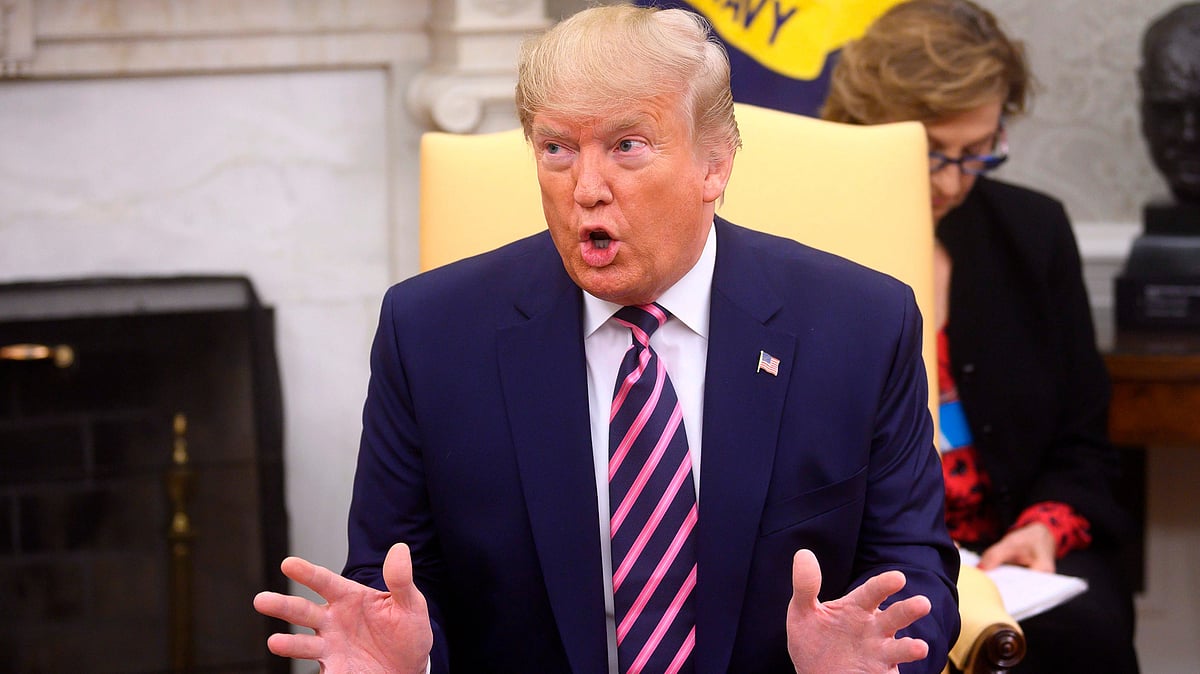
US President Donald Trump on Tuesday accused China and India of being the “primary funders” of the Ukraine war during his address at the 80th session of the United Nations General Assembly (UNGA). Speaking at the General Debate, Trump highlighted the role these countries play in financing the conflict by continuing to purchase Russian oil.

**Trump’s Statement at the UNGA**

“China and India are the primary funders of the ongoing war by continuing to purchase Russian oil,” Trump said in his over an hour-long speech. His remarks came amid global discussions dominated by various conflicts, including the war in Ukraine.

**Context Behind the Remarks**

Trump’s comments follow his administration’s recent decision to raise tariffs on India’s imports of Russian oil. The additional 25 percent levy pushed the total tariff on Indian goods to 50 percent, making it one of the highest tariffs globally.

India and the United States had earlier held five rounds of negotiations aimed at securing a trade deal. However, the proposed final round of talks scheduled for August was postponed.

Over the past few months, India and the US have been negotiating an interim trade deal. Despite hopes that this would help avoid elevated tariffs, President Trump announced a 25 percent tariff on Indian goods in July. A few days later, he imposed an additional 25 percent tariff, citing India’s continued imports of Russian oil. These tariffs came into effect on August 27.

**India’s Position on Trade Talks**

India has expressed reservations about the US demand to open up its agricultural and dairy sectors — critical and sensitive areas that provide livelihoods to a large segment of the population.

Earlier this year, in March, India and the US initiated talks on a just, balanced, and mutually beneficial Bilateral Trade Agreement (BTA), aiming to complete the first stage of the agreement by October-November 2025.

*Note: Except for the headline, this article has not been edited by FPJ’s editorial team and is auto-generated from an agency feed.*
https://www.freepressjournal.in/world/us-president-donald-trump-calls-china-india-primary-funders-of-ukraine-war-over-russian-oil-purchases-at-unga

Indian Stability In The Midst Of South Asian Chaos

Sri Lanka witnessed a mass uprising against the Rajapaksa government, forcing the regime to resign in July 2022. Fortunately, the steady hand of Ranil Wickremesinghe as acting president, followed by the election of Anura Kumara Dissanayake of the left-wing coalition as president in September 2024, and the peaceful transfer of power preserved the constitutional order and restored political stability.

However, in the process, the major parties were marginalized, and the NPP coalition emerged victorious, reflecting voters’ disenchantment with established parties.

In Bangladesh, another uprising against the Sheikh Hasina government occurred in August 2024, culminating in her resignation and the formation of an interim government headed by Muhammad Yunus. While Sheikh Hasina’s leadership accelerated economic growth, her politics of vengeance and the absence of parliamentary opposition led to public unrest. An election is expected to be held in February 2026, but whether it will bring stability and legitimacy to the future government remains an open question.

Nepal also witnessed a youth uprising that forced the resignation of KP Sharma Oli’s coalition government, the dissolution of parliament, and the appointment of an interim government headed by Sushila Karki, a former chief justice. This interim government has announced elections in six months. It remains to be seen if stability, order, and legitimacy will be restored.

In Pakistan, Imran Khan’s PTI party was denied an election symbol in the February 2024 elections. Despite repression and alleged large-scale rigging, PTI-supported independents won most seats. The PML-N and PPP, the country’s second- and third-largest political groups, formed a coalition government. The situation is inherently unstable, and the government’s legitimacy is questionable under these circumstances. Historically, elected governments in Pakistan have rarely exercised real authority; the army remains in control, with the government serving as a democratic fig leaf.

Thailand faces similar challenges, where the army and monarchists wield real power, removing elected governments at will. Myanmar’s experience has been equally turbulent. After decades of struggle, the Aung San Suu Kyi-led government came to power with a massive mandate but governed under the army’s shadow. In the next election cycle, the army took direct control again, incarcerating political leaders and plunging the nation into civil war.

Pakistan, Thailand, and Myanmar face challenges to democracy primarily due to the dominant role of their armed forces, which exercise real political power.

By contrast, Sri Lanka, Bangladesh, and Nepal represent a different pattern, where elected governments were overthrown by populist anger and street agitations.

The events in Nepal over the past 17 years, since the end of the monarchy, highlight the fragility of nascent democracies if strong institutions, traditions, and practices are not in place. In these 17 years, Nepal has seen 14 governments, including the current interim one.

Since the November 2022 general election, Nepal has experienced five government changes in just 34 months. The CPN (Maoist Centre), led by Pushpa Kamal Dahal, won only 32 of the 275 seats in the lower house. The CPN (UML), headed by KP Sharma Oli, secured 79 seats, and the Nepali Congress, led by Sher Bahadur Deuba, won 88 seats.

Dahal was initially part of an alliance with the Nepali Congress. However, post-election, he abandoned his alliance partner and became prime minister with Oli’s support. Within three months, in March 2023, he switched partners again to form the government with the Nepali Congress’s support. A year later, in March 2024, he reverted to Oli’s support, forming his third government since the election. Then in July 2024, Oli’s CPN (UML) and Deuba’s Nepali Congress formed a coalition government with Oli as prime minister.

This breathtaking political cynicism among major parties and leaders, unstable governments, and the coalition of the two leading parties leaving a vacuum in opposition led to a swift flashpoint.

Similarly, Sheikh Hasina’s crackdown on opposition in Bangladesh led to her downfall. When citizens cannot voice grievances through opposition parties and peaceful protests, anger and frustration can boil over, toppling regimes or constitutions.

When brazen corruption and an unbridled lust for power exist without purpose, popular anger can be easily aroused. The greatest asset for any government is not merely legislative numbers but the credibility and public trust that its leaders enjoy.

Given these convulsions, some wonder whether India might face similar political upheavals.

The conditions in India are markedly different. We are a robust democracy characterized by intense electoral competition, fair elections, political freedoms, peaceful transfers of power, and respect for electoral verdicts. Elected governments exercise real authority in the country.

Despite flaws, political parties in India are active in mobilizing people and allowing grievances to be ventilated. Governments generally exercise restraint in dealing with agitations. The courts and constitutional authorities enjoy real autonomy and credibility, supported by healthy traditions and practices established early on.

India’s diversity, large size, and genuine federalism—with states gaining strength over the last three decades—ensure stability. Governance primarily occurs at the state level, containing problems within states and rarely allowing issues to spill over into other regions.

These factors ensure stability and legitimacy, despite the inevitable chaos and noise in a vibrant democracy.

However, complacency would be unwise.

Recently, reckless rhetoric questioning the legitimacy of elections whenever a party loses has become dangerously common. India needs electoral reforms to eliminate unaccounted money from politics and make the field hospitable to the best talent in society.

The rule of law remains weak, power too centralized at the state level, and local governments largely irrelevant. Most Indian workers are in the unorganized sector without secure monthly wages. While economic growth is robust, it is not yet inclusive enough.

To maintain and strengthen our democracy, we must address challenges of political and governance reform and inclusive growth.

*The author is the founder of the Lok Satta movement and Foundation for Democratic Reforms.*

*Email: drjploksatta@gmail.com | Twitter: @jp_loksatta*
https://www.freepressjournal.in/analysis/indian-stability-in-the-midst-of-south-asian-chaos

UN chief warns world leaders of ‘an age of reckless disruption and relentless human suffering’

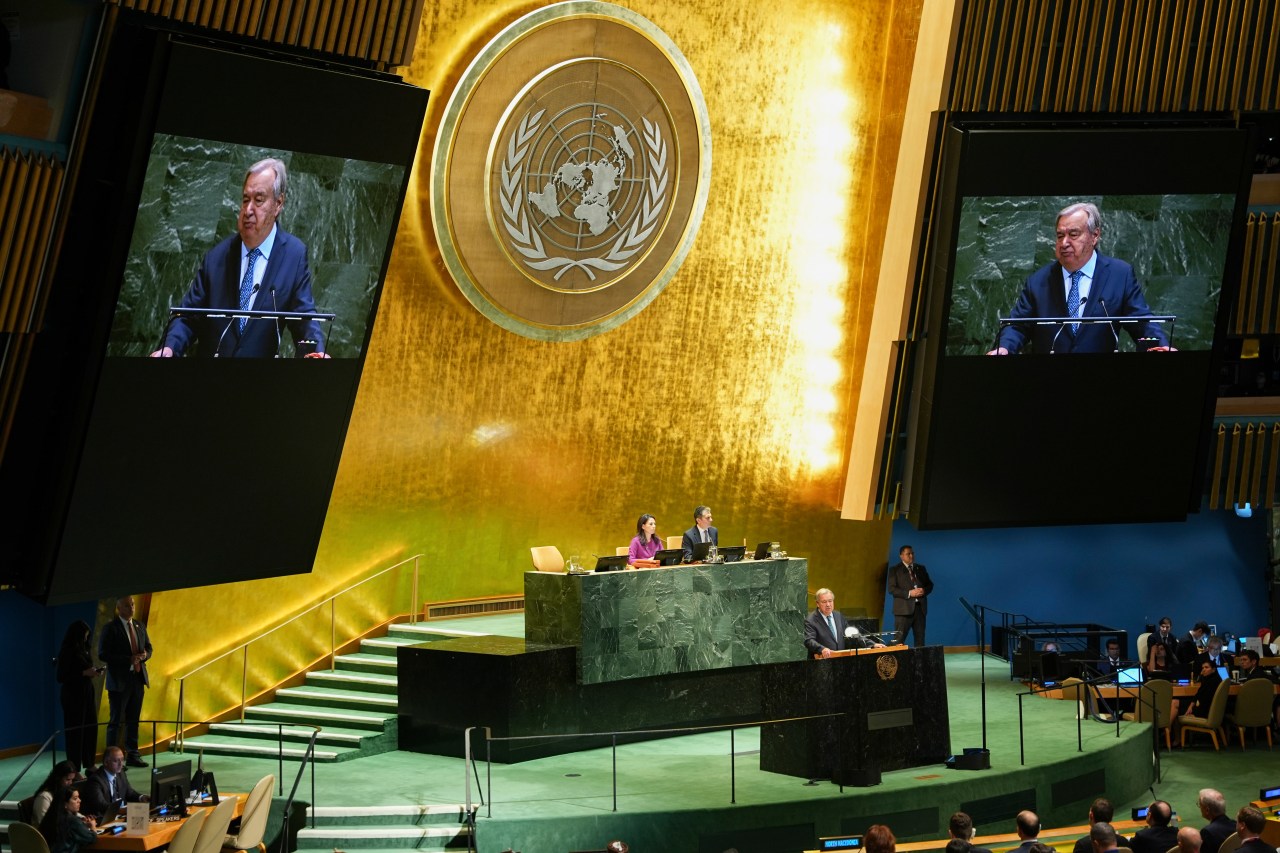
UNITED NATIONS (AP) — With global peace and progress under siege, United Nations Secretary-General Antonio Guterres challenged world leaders Tuesday to choose a future where the rule of law triumphs over raw power and where nations come together rather than scramble for self-interests.

Guterres reminded leaders that the U.N.’s founders faced similar questions 80 years ago but told today’s assembly that the choice between peace or war, law or lawlessness, cooperation or conflict, is “more urgent, more intertwined, more unforgiving.”

“We have entered an age of reckless disruption and relentless human suffering,” he said in his annual “State of the World” speech. “The pillars of peace and progress are buckling under the weight of impunity, inequality and indifference.”

Despite the internal and external challenges confronting the U.N., Guterres and General Assembly President Annalena Baerbock urged members not to give up. “If we stop doing the right things, evil will prevail,” Baerbock said in her opening remarks.

### A Multipolar World and Rising Challenges

Looking broadly at the changing global landscape, Guterres noted the world is becoming increasingly multipolar — a subtle nod to rising economic powers China and India and a clear challenge to the U.S. insistence on maintaining superpower status.

While a multipolar world can be more diverse and dynamic, the U.N. chief warned that without international cooperation and effective global institutions, there can be “chaos.”

### President Trump’s Address: Strong Borders and Criticism of the U.N.

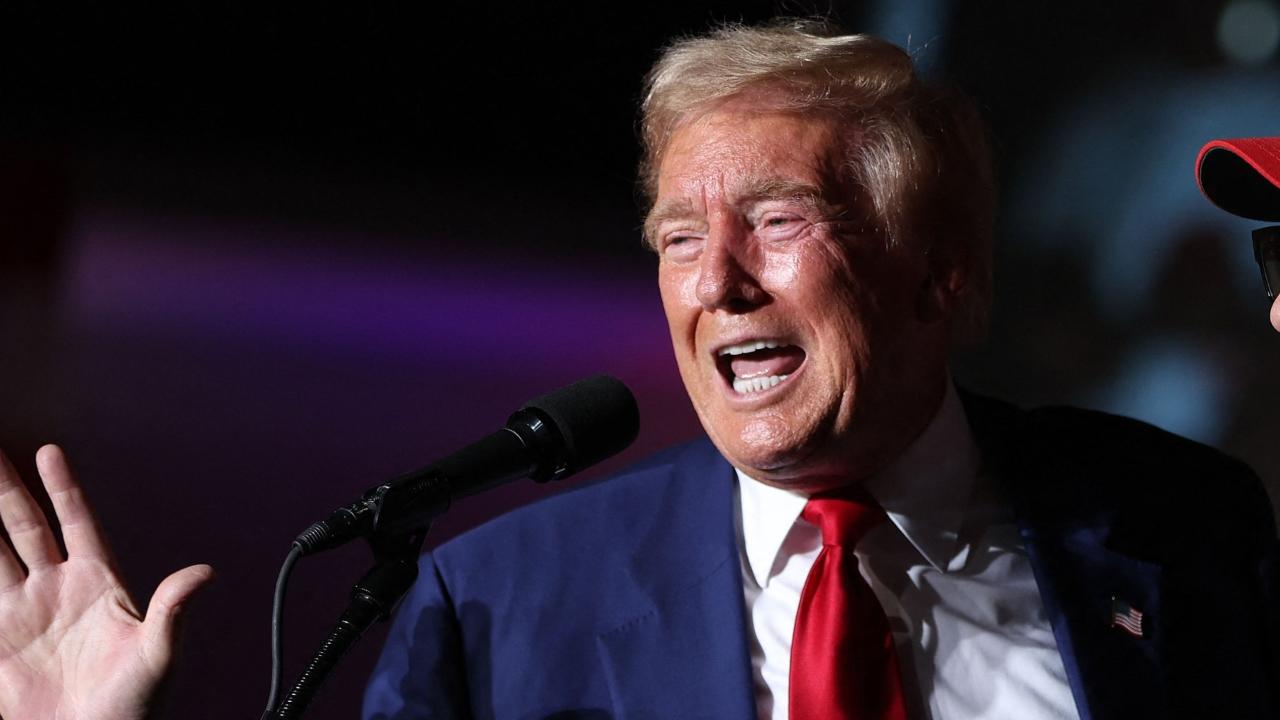
President Donald Trump delivered a nearly hour-long speech, asserting that the United States has the strongest borders, military, friendships, and “the strongest spirit of any nation on the face of the earth.” He proclaimed, “This is indeed the golden age of America.”

However, Trump criticized the United Nations, describing it as ineffective. “All they seem to do is write a really strongly worded letter,” he said, suggesting the U.N. fails to follow through on conflict resolution efforts.

During his remarks, an escalator unexpectedly stopped as Trump and First Lady Melania Trump rode it toward the Assembly hall, and his teleprompter malfunctioned. A U.N. official explained that the escalator’s stop mechanism was triggered inadvertently by someone from the president’s party running ahead, and the White House was managing the teleprompter.

Despite his criticisms, Trump acknowledged the U.N.’s potential. “Our country is behind the United Nations 100%,” he told Guterres in a meeting soon after his speech. “I may disagree with it sometimes, but I am so behind it because the potential for peace at this institution is great.”

### Call for Peace and Addressing Conflicts

Guterres stressed the primary obligation of world leaders: to choose peace. Without naming specific countries, he urged all parties—including members within the General Assembly—to stop supporting Sudan’s warring factions.

He also condemned the situation in Gaza in strong terms, without explicitly naming Israel. Guterres described the scale of death and destruction as the worst in his nearly nine years as secretary-general, stating, “Nothing can justify the collective punishment of the Palestinian people.”

While refraining from labeling the actions as genocide, Guterres referenced a case brought by South Africa to the International Court of Justice under the genocide convention. He emphasized the legally binding provisional measures issued by the court, aimed foremost at protecting Palestinian civilians.

Since the court’s ruling in January 2024, the killings in Gaza have intensified, and famine has been declared in parts of the territory. Guterres insisted that the court’s measures “must be implemented — fully and immediately.”

### Financial Challenges and Aid Cuts

The U.N. is also grappling with financial difficulties as the U.S. and some other nations have pulled back funding or delayed paying dues. Guterres warned that aid cuts are “wreaking havoc” and called them “a death sentence for many.”

### Israeli-Palestinian Conflict Takes Center Stage

With growing global support for a Palestinian state, Israel’s devastating war in Gaza dominated discussions at the Assembly.

Turkey’s President Recep Tayyip Erdoğan lamented the absence of Palestinian President Mahmoud Abbas, who was denied a U.S. visa. Speaking on behalf of “our Palestinian brothers and sisters whose voices are being silenced,” Erdoğan highlighted the increasing recognition of a Palestinian state and called on nations that have yet to do so to act “as soon as possible.”

Indonesia’s President Prabowo Subianto also voiced strong support for the Palestinians, warning that “human folly, fueled by fear, racism, hatred, oppression and apartheid threatens our common future.”

“Every day we witness suffering, genocide and a blatant disregard for international law and human decency,” said the leader of the world’s most populous Muslim nation. “In the face of these challenges, we must not give up. … We must draw closer, not drift further apart.”

### A Packed Schedule and Widening Issues

The General Assembly’s week of meetings began Monday with a conference focused on the Israeli-Palestinian conflict and the idea of a two-state solution, co-chaired by France and Saudi Arabia.

Tuesday’s notable speakers included Brazilian President Luiz Inacio Lula da Silva, Jordan’s King Abdullah II, French President Emmanuel Macron, South Korea’s President Lee Jae Myung, and South African President Cyril Ramaphosa.

Continuing a longstanding tradition, Brazil’s Lula da Silva opened the speeches, voicing concern over the waning authority of the U.N. “We are witnessing the consolidation of an international order blocked by repeated concessions to power play,” he said.

### Geopolitical Complexities Amid Calls for Unity

Although this year’s debate theme is “Better Together,” the discussions underscored the many ways the world faces increasing turmoil.

Gaza’s crisis already seized international attention, with nearly all U.N. member states scheduled to deliver speeches during the Assembly’s six-day session.

The current speakers list includes 89 heads of state, 43 heads of government, 10 vice presidents or deputy prime ministers, and 45 foreign ministers and other high-level officials, reflecting the Assembly’s pivotal role amid escalating global challenges.
https://wgntv.com/news/international/ap-international/ap-at-un-world-leaders-meet-to-try-to-make-a-troubled-planet-better-together-but-can-they/

Exit mobile version
Sitemap Index