
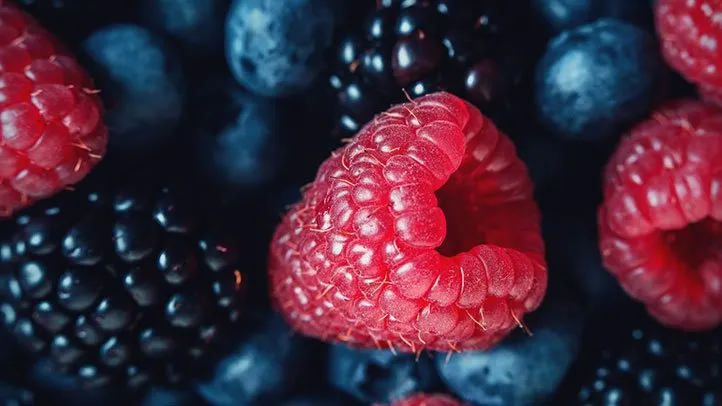
ON THIS PAGE ON THIS PAGE The U. S. Food and Drug Administration (FDA) does not approve supplements for safety or effectiveness. Talk to a healthcare professional about whether a supplement is the right fit for your individual health, and about any potential drug interactions or safety concerns. You’ve probably heard the word “antioxidant” before, but how much do you really know about these important nutrients? Here, we explain what antioxidants are, how they function in the body, how to increase your intake, and more. What Are Antioxidants? Antioxidants are a group of plant-based compounds that can help protect your body’s cells from damage. They exist naturally in certain foods and can also be found in dietary supplements. Some of the most familiar examples are beta-carotene, manganese, selenium, and vitamins A, C, and E. Antioxidants may specifically protect cells against harm from chemicals called free radicals, which the body naturally produces during everyday activities like digestion and exercise or after being exposed to toxins like air pollution, cigarette smoke, or ultraviolet rays from the sun. High levels of free radicals can lead to oxidative stress, which may potentially contribute to the risk of chronic diseases like heart disease or cancer. “Think of them as tiny bodyguards for your cells,” says Bree Phillips, RD, a nutrition and wellness consultant with a private practice in San Francisco. Types of Antioxidants There are several different types of antioxidants, each of which may play an important role in your health. Phytonutrients are chemical compounds found in plants (such as fruits, vegetables, and whole grains). Of the thousands of identified phytonutrients, flavonoids are the most common. Flavanols are a type of flavonoid known for their high antioxidant content and cardiovascular benefits. Certain vitamins have antioxidant effects namely, vitamins A, C, and E. Certain minerals are considered to be antioxidants, including copper, manganese, selenium, and zinc. Certain enzymes are made in the body and help defend against oxidative stress, including catalase, glutathione peroxidase, and superoxide dismutase. “We can’t get these types of antioxidants through food,” says Sarah Pflugradt, PhD, a registered dietitian and adjunct professor at American University, based in Alexandria, Virginia. “However, certain nutrients in the diet support their production, such as B vitamins, iron, zinc, and copper.” Essential Oils May Also Offer Antioxidant Benefits Essential oils are plant extracts with antioxidant properties. Even though some essential oils are marketed as being safe to eat, there’s not enough evidence to back this up in human studies, and ingesting these oils could be toxic. Instead, diluted oils can be applied to the skin or used in aromatherapy. Some research has shown that cinnamon, thyme, and clove essential oils are especially rich in antioxidants, likely because they contain the phytonutrients eugenol and thymol. Check the U. S. Food and Drug Administration’s (FDA) list of essential oils to see which ones are generally recognized as safe for their intended use. 8 Potential Health Benefits of Tomatoes Discover the bountiful health benefits of tomatoes! Potential Health Benefits of Antioxidants If you’re into Star Wars: ”Think of antioxidants as a Jedi and free radicals like the Sith,” says Rhyan Geiger, RDN, founder of Phoenix Vegan Dietitian, a website with tips and recipes for vegans, who is based in Arizona. Antioxidants protect cells from free radical damage, but the evidence is less clear about how that translates to specific health benefits. Overall, there’s little to no strong proof that antioxidant supplements have a positive effect on chronic disease. Instead, the current research supports eating a diet that’s varied and features antioxidant-rich foods such as unprocessed fruits, vegetables, and whole grains, which is linked to a reduced risk of the following: Cancer Heart disease Cognitive decline Age-related vision loss We don’t know for sure whether the health benefits come directly from the antioxidants themselves, other nutrients in these foods, or some kind of combination. But we do know the risk of developing these conditions increases with oxidative stress, and you may be able to reduce this stress by incorporating antioxidant-rich foods into your diet, Dr. Pflugradt says. Can Antioxidants Help With Weight Loss? Antioxidants from food may indirectly affect weight loss because protection from oxidative stress might reduce chronic inflammation and metabolic dysfunction, two potential factors in the development of obesity. According to a review, eating a diet rich in antioxidants may help prevent and manage obesity by lowering inflammation, helping regulate metabolism, and improving insulin sensitivity. According to the authors, though, we still don’t completely understand the effects of antioxidants on weight, nor do we have a clear picture of exactly which foods to eat and in which quantities for the best result. Phillips adds that many antioxidant-rich foods are low in calories and high in fiber. “This helps with satiety and can make it easier to manage weight,” she says. How to Select and Store Antioxidants Here’s what to look for in antioxidant-rich foods and tips on how best to store them. Selection If you’ve ever heard advice to “eat the rainbow,” there’s good reason for it: “A food that is naturally vibrant in color can be an indicator of high antioxidant content,” Geiger says. “Think of foods like berries, cherries, kale, and sweet potatoes.” Phillips recommends including at least two different colors of produce at each meal to maximize antioxidant diversity throughout the day. When fresh produce is hard to find, look for frozen fruits and veggies, which retain their nutrients. Storage Phillips shares the following tips for storing antioxidant-rich produce: Keep berries in the fridge unwashed until you’re ready to eat them. Leave tomatoes and stone fruits on the counter until ripe, then refrigerate. Refrigerate leafy greens, wrapping them in a paper towel to absorb moisture and keep them crisp. Store fresh herbs in the fridge in a jar with a small amount of water, covering it with a plastic bag. Phytonutrients There are no specific recommended daily values for phytonutrients. Type Food Sources Anthocyanins Berries, cherries, black and red grapes, pomegranates, purple eggplant, red cabbage, red onions, black beans Carotenoids (including beta-carotene, lutein, and lycopene) Carrots, pumpkins, plantains, winter squash, leafy greens, spinach, sweet potatoes, cantaloupe, tomatoes, peas, Brussels sprouts, broccoli Isoflavones Soybeans and foods made from them, including tofu, tempeh, miso, and natto Polyphenols (including flavonoids) Apples, berries, broccoli, carrots, dark chocolate, flaxseeds, green tea, oats, olives, onions, red cabbage, sesame seeds, spinach, whole grains; and the spices cumin, ginger, and turmeric Resveratrol Grapes and grape juice, wine, peanuts, cocoa, and some berries Vitamin A Food Amount % Daily Value (DV) Beef liver, pan-fried 3 oz 731 Sweet potato, baked, with skin 1 whole 156 Frozen spinach, boiled ½ cup 64 Carrots, raw ½ cup 51 Cantaloupe, raw ½ cup 15 Sweet red peppers, raw ½ cup 13 Mango, raw 1 whole 12 Vitamin C Food Amount % Daily Value (DV) Sweet red pepper, raw ½ cup 106 Orange juice ¾ cup 103 Orange 1 medium 78 Grapefruit juice ¾ cup 78 Kiwi 1 medium 71 Sweet green pepper, raw ½ cup 67 Broccoli, cooked ½ cup 57 Strawberries, fresh ½ cup sliced 54 Brussels sprouts, cooked ½ cup 53 Vitamin E Food Amount % Daily Value (DV) Wheat germ oil 1 tbsp 135 Sunflower seeds, dry roasted 1 oz 49 Almonds, dry roasted 1 oz 45 Sunflower oil 1 tbsp 37 Safflower oil 1 tbsp 31 Hazelnuts, dry roasted 1 oz 29 Peanut butter 2 tbsp 19 Peanuts, dry roasted 1 oz 15 Copper Food Amount % Daily Value (DV) Beef liver, pan-fried 3 oz 1, 378 Oysters, Eastern, cooked 3 oz 539 Baking chocolate, unsweetened 1 oz 104 Potatoes, cooked with skin 1 medium 75 Shiitake mushrooms, cooked ½ cup 72 Cashews, dry roasted 1 oz 70 Sunflower seed kernels, toasted ¼ cup 68 Manganese Food Amount % Daily Value (DV) Blue mussels, cooked 3 oz 252 Hazelnuts, dry roasted 1 oz 70 Pecans, dry roasted 1 oz 48 Brown rice, medium grain, cooked ½ cup 48 Oysters, Pacific, cooked 3 oz 43 Clams, cooked 3 oz 39 Chickpeas, cooked ½ cup 39 Selenium Food Amount % Daily Value (DV) Brazil nuts 1 oz 989 Yellowfin tuna, cooked 3 oz 167 Canned sardines in oil, with bones 3 oz 82 Shrimp, cooked 3 oz 76 Pork chop, bone-in, broiled 3 oz 67 Spaghetti, cooked 1 cup 60 Beef liver, pan-fried 3 oz 51 Zinc Food Amount % Daily Value (DV) Oysters, Eastern, farmed, raw 3 oz 291 Oysters, Pacific, cooked 3 oz 256 Beef, bottom sirloin, roasted 3 oz 35 Blue crab, cooked 3 oz 29 Oats, cooked with water 1 cup 21 Pumpkin seeds, roasted 1 oz 20 Pork chop, bone-in, broiled 3 oz 17 Health Risks of Antioxidants There are few if any risks associated with eating antioxidant-rich foods like fruits and veggies (unless, of course, you have a food allergy). However, research has linked several health risks to antioxidant supplements, which can contain higher doses of these nutrients than you would get through your diet. For example, taking beta-carotene supplements may increase the risk of lung cancer, especially in people already at high risk, like smokers. These supplements are also linked to a higher risk of death from heart disease. Taking high doses of vitamin E may interfere with blood clotting, leaving you at risk for dangerous bleeding after an injury. These supplements may also interact with anticoagulant or antiplatelet medications. High-dose vitamin C supplements can cause digestive issues and may interfere with cancer treatments. More broadly, older meta-analyses of the research around antioxidant supplements and mortality have found a link between taking beta-carotene, vitamin A, and vitamin E supplements and early death. However, this isn’t conclusive, as dosages were not standardized across the studies reviewed, and many participants in these studies already had an established, serious health issue. Finally, keep in mind that the FDA doesn’t regulate supplements in the same way it does for drugs. Manufacturers don’t have to prove their supplement is safe before selling it, and the FDA doesn’t review health claims on supplement labels before they’re sold. To choose a quality supplement, check the label for USP, NSF, or ConsumerLab Approved. This means the product has undergone third-party testing for quality and purity. And be sure to talk to your doctor before taking any supplements, especially if you’re on medication or have a preexisting health condition such as cancer. Rather than taking supplements, Pflugradt recommends getting antioxidants from whole foods, which provide additional nutrients like fiber, vitamins, and minerals that help support your overall health. The Takeaway Antioxidants are powerful nutrients and compounds that may help protect your cells from damage and reduce the risk of certain chronic diseases. It’s best to get antioxidants by eating a varied, plant-based diet rich in fruits, vegetables, nuts, and whole grains. Antioxidant supplements may come with health risks, especially in high doses and for people with underlying conditions, so talk to your healthcare provider before taking one. EDITORIAL SOURCES Everyday Health follows strict sourcing guidelines to ensure the accuracy of its content, outlined in our editorial policy. We use only trustworthy sources, including peer-reviewed studies, board-certified medical experts, patients with lived experience, and information from top institutions. Resources Everything You Need to Know About Antioxidants. Cleveland Clinic. December 27, 2021. Antioxidants. Harvard T. H. Chan School of Public Health. Antioxidant Supplements: What You Need to Know. National Center for Complementary and Integrative Health. July 2023. Scherr R et al. Nutrition & Health Info Sheets for Health Professionals: Phytochemicals. University of California, Davis, Department of Nutrition. December 4, 2020. What You Need to Know About Flavonoids. Cleveland Clinic. May 1, 2023. Jomova K et al. Several Lines of Antioxidant Defense Against Oxidative Stress: Antioxidant Enzymes, Nanomaterials With Multiple Enzyme-Mimicking Activities, and Low-Molecular-Weight Antioxidants. Archives of Toxicology. March 14, 2024. Essential Oils: Are They Safe to Ingest? Operation Supplement Safety. November 27, 2020. Chen X et al. Antioxidant Activities of Essential Oils and Their Major Components in Scavenging Free Radicals, Inhibiting Lipid Oxidation and Reducing Cellular Oxidative Stress. Molecules. June 5, 2023. Almoraie NM et al. The Potential Effects of Dietary Antioxidants in Obesity: A Comprehensive Review of the Literature. Healthcare. February 6, 2024. Fresh, Frozen or Canned Fruit and Vegetables: All Can Be Healthy Choices. American Heart Association. October 24, 2023. Add Antioxidants to Your Diet. Mayo Clinic. January 25, 2025. 4 Health Benefits of Anthocyanins. Cleveland Clinic. June 2, 2022. Carotenoids. Linus Pauling Institute, Oregon State University. October 2023. Soy Isoflavones. Linus Pauling Institute, Oregon State University. October 2016. Foods Rich in Polyphenols and Why They’re Important. Cleveland Clinic. August 16, 2023. Resveratrol. Linus Pauling Institute, Oregon State University. June 11, 2015. Vitamin A and Carotenoids. National Institutes of Health Office of Dietary Supplements. March 10, 2025. Vitamin C. National Institutes of Health Office of Dietary Supplements. July 31, 2025. Vitamin E. National Institutes of Health Office of Dietary Supplements. March 26, 2021. Copper. National Institutes of Health Office of Dietary Supplements. October 18, 2022. Manganese. National Institutes of Health Office of Dietary Supplements. March 29, 2021. Selenium. National Institutes of Health Office of Dietary Supplements. September 4, 2025. Zinc. National Institutes of Health Office of Dietary Supplements. September 28, 2022. Bjelakovic G et al. Mortality in Randomized Trials of Antioxidant Supplements for Primary and Secondary Prevention. JAMA. February 28, 2007. Bjelakovic G et al. Antioxidant Supplements for Prevention of Mortality in Healthy Participants and Patients With Various Diseases. Cochrane Database of Systematic Reviews. March 14, 2012. Dietary Supplements: What You Need to Know. National Institutes of Health Office of Dietary Supplements. January 4, 2023. Meet Our Experts Karen E. Todd, RD, CSCS, EP-C, CISSN Medical Reviewer Karen E. Todd, RD, CSCS, EP-C, CISSN, is a registered dietitian and strength and conditioning specialist committed to evidence-based education in lifelong wellness, sports nutrition, and healthy aging. With more than 30 years of experience in nutritional education, dietary supplements, functional foods, and exercise performance, she specializes in nutrition and exercise performance communications, providing expert insights to both media and consumers. She serves as a nutrition communicator, speaker, spokesperson, and brand consultant, and currently works in nutraceutical ingredient innovation and development, focusing on how nutrients and ingredients support health, performance, and wellness across the lifespan. Karen also runs TheSupplementDietitian. com, a free online resource dedicated to helping consumers navigate the world of dietary supplements. The site provides science-based education on how supplements are regulated, how to identify safe and effective products, and how to fill nutritional gaps when diet alone isn’t enough. Her experience spans clinical nutrition, exercise performance, and product development, giving her a broad perspective on the scientific, practical, and regulatory considerations that shape the supplement and functional food industries. Karen is a contributing guest blogger for Psychology Today’s “Feed Your Brain” column, a scientific advisory board member for Agro Food Industry Hi Tech, and a board member for Council for Responsible Nutrition, a leading professional organization in the nutraceutical space. She is widely recognized for her ability to translate complex research into clear, evidence-based insights that help students, practitioners, and consumers make informed decisions about nutrition and supplementation. Angela Lemond, RDN Author Angela Lemond left a successful career in corporate marketing to become a registered dietitian nutritionist practitioner at Lemond Nutrition. She has catapulted up the ranks like a rocket as a national influencer in wellness, family nutrition, behavioral health, and digestive nutrition. Quoted in thousands of articles as a nutrition authority, she now finds interest in setting the record straight through her writing. She owns Lemond Nutrition, a multi-location private practice based in Plano, Texas. Apart from writing for Everyday Health, she has written for various websites and publications such as Consumer Health Digest, EatRight, EatRightTexas and Dallas News Moms Blog. Kaitlin Ahern Author Kaitlin Ahern is a New Jersey-based health journalist and content strategist with over a decade of experience in lifestyle media and content marketing. She has held staff positions at Well+Good, Livestrong. com, Johnson & Johnson, and Parents. com. She is a graduate of the S. I. Newhouse School of Public Communications at Syracuse University.
https://www.everydayhealth.com/diet-nutrition/diet/antioxidants-health-benefits-best-sources-side-effects-more/
Tag: cardiovascular


Destination Rehab’s Rock Climbing for Parkinson’s Disease Program Reaches New Heights
Destination Rehab is proud to announce the ongoing success of its innovative Rock Climbing for Parkinson’s Disease program-an 8-week community fitness initiative designed to improve strength, endurance, and confidence for adults living with Parkinson’s Disease. Hosted at Bend Rock Gym, the program focuses on cardiovascular and strength training while teaching participants the climbing techniques and skills needed to climb independently. Through hands-on instruction and a supportive community, participants gain not only physical benefits but also a sense of accomplishment and empowerment. Thanks to a generous grant from the Parkinson’s Foundation, the Rock Climbing for Parkinson’s Disease program was offered free of charge for individuals with Parkinson’s Disease and their caregivers. The community’s response has been overwhelmingly positive-all 8 participant slots are filled, and the program is supported by an enthusiastic team of 8 dedicated volunteers. Community members and media are invited to see the class in action. There are four sessions remaining, held Thursdays from 1: 00 PM 2: 15 PM at Bend Rock Gym, continuing through December 11th, 2025. Building on this success, Destination Rehab is excited to announce the next round of climbing classes-Rock Climbing for Health-which is open to all neurological diagnosis and will run from March 31, 2026, through May 19, 2026, meeting once a week on Tuesdays from 1: 30 PM 2: 30 PM. Registration will be available soon through Destination Rehab’s website under the Community Programs section. For more information or to register for upcoming sessions, please contact Audrey at audrey@destinationrehab team. Related.
https://www.bendsource.com/business/businessnews/destination-rehabs-rock-climbing-for-parkinsons-disease-program-reaches-new-heights/
GLP-1 Receptor Agonist Market 2030 Forecast: A New Era in Diabetes and Obesity Care
The global GLP-1 receptor agonist market was valued at USD 53.46 billion in 2024 and is projected to reach USD 156.71 billion by 2030, expanding at a CAGR of 17.46% from 2025 to 2030. This impressive growth is driven by the launch of new glucagon-like peptide-1 (GLP-1) receptor agonist products, a strong pipeline targeting diabetes and obesity applications, and the high therapeutic efficacy of these drugs.
### Market Drivers
In May 2024, Innovent Biologics announced that its type 2 diabetes drug candidate, mazdutide, outperformed Eli Lilly’s Trulicity (dulaglutide) in a Phase III trial. The study confirmed that mazdutide was superior in glycemic control and delivered multiple cardiometabolic benefits, including weight reduction and improvements in blood lipid levels, liver enzymes, serum uric acid, and blood pressure.
The rising prevalence of obesity and diabetes is a major factor fueling market expansion. Individuals who are overweight or obese face a significantly higher risk of developing type 2 diabetes and cardiovascular diseases. Currently, the growing global obesity rate is considered one of the most serious public health challenges. According to the World Heart Federation, nearly 2.3 billion children and adults worldwide suffer from obesity or overweight conditions. Similarly, the Obesity Action Coalition (OAC) reports that over 90% of individuals with type 2 diabetes are either overweight or obese. This expanding patient base is expected to accelerate demand for GLP-1 receptor agonist therapies globally.
### Advantages of GLP-1 Receptor Agonists
GLP-1 drugs offer distinct advantages over traditional medicines, which, along with rising R&D investments, further propel the market. These therapies have been associated with weight loss or weight neutrality, a critical benefit for diabetic patients since obesity exacerbates the condition. Their appetite-suppressing effects and delayed gastric emptying contribute significantly to effective weight management.
In November 2023, Novo Nordisk announced plans to invest approximately 16 billion Danish kroner (around USD 2.32 billion / €2.14 billion) to develop advanced GLP-1 drugs, highlighting strong industry commitment to innovation and market expansion.
### Key Market Trends & Insights
– **Regional Performance:** North America accounted for 77.72% of the global revenue in 2024, with the U.S. holding the largest market share within the region.
– **Product Segment:** The Ozempic segment dominated the market with a 34.17% share in 2024.
– **Distribution Channels:** Hospital pharmacies led with a 55.09% revenue share in 2024.
– **Applications:** The type 2 diabetes mellitus segment dominated in 2024 and is projected to grow at a CAGR of 17.06% during the forecast period.
– **Route of Administration:** The parenteral segment held the largest share in 2024 and is expected to grow at a CAGR of 17.42% from 2025 to 2030.
### Market Size & Forecast
| Year | Market Size (USD Billion) |
|——-|—————————–|
| 2024 | 53.46 |
| 2030 (Projected) | 156.71 |
– **CAGR (2024-2030):** 17.46%
– **Largest Market (2024):** North America
– **Fastest Growing Region:** Asia Pacific
[Download a free sample PDF of the GLP-1 Receptor Agonist Market Intelligence Study by Grand View Research.]
### Competitive Landscape
Key players operating in the GLP-1 receptor agonist market include AstraZeneca, Sanofi, Novo Nordisk A/S, and Eli Lilly and Company. These companies leverage their extensive customer bases and strong brand equity to maintain high-quality standards and expand market reach. Significant investments in infrastructure enable efficient processing and analysis of large sample volumes. Strategic collaborations with distributors and partner firms further strengthen their market presence.
Emerging players such as Hanmi Pharm. Co., Ltd, Eccogen, and D&D Pharmatech are focusing on securing government funding and institutional support while introducing innovative products to explore untapped growth opportunities.
**Prominent Companies Include:**
– Eli Lilly and Company
– Sanofi
– Novo Nordisk A/S
– AstraZeneca
Explore Horizon Databook, the world’s most comprehensive market intelligence platform by Grand View Research.
### Conclusion
The global GLP-1 receptor agonist market is poised for strong growth, supported by increasing obesity and diabetes prevalence, expanding product pipelines, and rising R&D investments. Technological innovations and strategic collaborations among key industry players are expected to further accelerate the adoption of GLP-1 receptor agonists worldwide.
https://express-press-release.net/news/2025/11/13/1719992


Team sports lower blood pressure for people with chronic diseases
New research highlights that team sports are a highly effective and potentially life-extending form of exercise for people with high blood pressure and chronic obstructive pulmonary disease (COPD).
Even after a relatively short training period involving team sports, participants showed significantly improved blood pressure. In Denmark, one in four adults suffers from high blood pressure (hypertension), which is a major risk factor for cardiovascular disease and premature death. The risk is even more pronounced among individuals with chronic conditions such as COPD and type 2 diabetes.
A new study published in the *Journal of Functional Morphology and Kinesiology* documents that team sports can serve as a motivating and effective exercise option for this group.
### Study Overview
The study involved 28 individuals with high blood pressure, including 16 participants (8 men and 8 women) with type 2 diabetes and 12 participants (7 men and 5 women) with COPD. They took part in a 12-week training program at a municipal health center.
Participants engaged in team sports such as floorball and cone ball twice a week, under the guidance of trained staff.
### Key Findings
– **Systolic blood pressure dropped significantly**, by an average of 10-12 mmHg.
– Participants became faster and more mobile in a functional walking test.
– The training was perceived as fun, social, and motivating, making it easier to maintain compared to traditional forms of exercise.
While there were no measurable changes in body weight, muscle strength, or diastolic blood pressure, the drop in systolic blood pressure is particularly noteworthy.
*Note*: Systolic blood pressure reflects the pressure when the heart contracts and pumps blood into the circulatory system, whereas diastolic blood pressure is the lowest pressure measured between heartbeats.
### Expert Insights
“We were surprised that patients could achieve such a significant drop in blood pressure in such a short time,” says research assistant Jesper Atti, who helped conduct the study.
International research, including findings from the World Health Organization (WHO) and *The Lancet*, shows that reducing systolic blood pressure by just 10 mmHg can lower the risk of stroke by up to 30%, and reduce the risk of cardiovascular disease and premature death by up to 20%.
The study was carried out in Brøndby Municipality, with physiotherapist Johan Schou closely monitoring participants’ progress.
“We observed great motivation among participants. Many expressed that the social aspect was crucial to their engagement. It was truly heartening to see that a large proportion chose to continue with team sports at evening school after the program ended. They also realized how important — and how fun — it can be to get their heart rate up,” says Johan Schou.
### Conclusion and Future Directions
This study demonstrates that targeted team sports training at municipal health centers can be an effective supplement to existing services for citizens with chronic diseases and high blood pressure. It has a significant positive impact on quality of life, physical function, and disease risk.
“We are now in dialogue with several municipalities interested in using team sports for rehabilitating these patient groups. Our goal is to ensure participants can continue activities in sports communities after the program ends, such as evening schools or local sports clubs,” says Jens Bangsbo, head of the Centre for Team Sport and Health. The study was supported by the Nordea Foundation.
—
Engaging in team sports not only improves health but also fosters social connections, making it an appealing option for managing chronic health conditions. If you or someone you know has high blood pressure or COPD, consider discussing team sports as a potential part of your wellness plan with your healthcare provider.
https://www.futurity.org/team-sports-blood-pressure-chronic-diseases-3301982/?utm_source=rss&utm_medium=rss&utm_campaign=team-sports-blood-pressure-chronic-diseases-3301982