Antioxidants 101: A Complete Guide

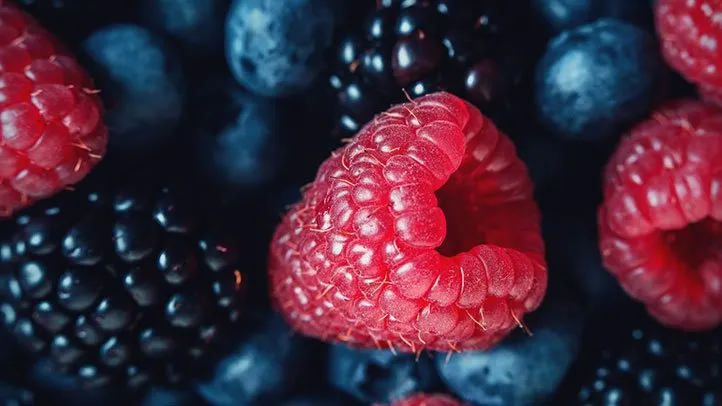
ON THIS PAGE ON THIS PAGE The U. S. Food and Drug Administration (FDA) does not approve supplements for safety or effectiveness. Talk to a healthcare professional about whether a supplement is the right fit for your individual health, and about any potential drug interactions or safety concerns. You’ve probably heard the word “antioxidant” before, but how much do you really know about these important nutrients? Here, we explain what antioxidants are, how they function in the body, how to increase your intake, and more. What Are Antioxidants? Antioxidants are a group of plant-based compounds that can help protect your body’s cells from damage. They exist naturally in certain foods and can also be found in dietary supplements. Some of the most familiar examples are beta-carotene, manganese, selenium, and vitamins A, C, and E. Antioxidants may specifically protect cells against harm from chemicals called free radicals, which the body naturally produces during everyday activities like digestion and exercise or after being exposed to toxins like air pollution, cigarette smoke, or ultraviolet rays from the sun. High levels of free radicals can lead to oxidative stress, which may potentially contribute to the risk of chronic diseases like heart disease or cancer. “Think of them as tiny bodyguards for your cells,” says Bree Phillips, RD, a nutrition and wellness consultant with a private practice in San Francisco. Types of Antioxidants There are several different types of antioxidants, each of which may play an important role in your health. Phytonutrients are chemical compounds found in plants (such as fruits, vegetables, and whole grains). Of the thousands of identified phytonutrients, flavonoids are the most common. Flavanols are a type of flavonoid known for their high antioxidant content and cardiovascular benefits. Certain vitamins have antioxidant effects namely, vitamins A, C, and E. Certain minerals are considered to be antioxidants, including copper, manganese, selenium, and zinc. Certain enzymes are made in the body and help defend against oxidative stress, including catalase, glutathione peroxidase, and superoxide dismutase. “We can’t get these types of antioxidants through food,” says Sarah Pflugradt, PhD, a registered dietitian and adjunct professor at American University, based in Alexandria, Virginia. “However, certain nutrients in the diet support their production, such as B vitamins, iron, zinc, and copper.” Essential Oils May Also Offer Antioxidant Benefits Essential oils are plant extracts with antioxidant properties. Even though some essential oils are marketed as being safe to eat, there’s not enough evidence to back this up in human studies, and ingesting these oils could be toxic. Instead, diluted oils can be applied to the skin or used in aromatherapy. Some research has shown that cinnamon, thyme, and clove essential oils are especially rich in antioxidants, likely because they contain the phytonutrients eugenol and thymol. Check the U. S. Food and Drug Administration’s (FDA) list of essential oils to see which ones are generally recognized as safe for their intended use. 8 Potential Health Benefits of Tomatoes Discover the bountiful health benefits of tomatoes! Potential Health Benefits of Antioxidants If you’re into Star Wars: ”Think of antioxidants as a Jedi and free radicals like the Sith,” says Rhyan Geiger, RDN, founder of Phoenix Vegan Dietitian, a website with tips and recipes for vegans, who is based in Arizona. Antioxidants protect cells from free radical damage, but the evidence is less clear about how that translates to specific health benefits. Overall, there’s little to no strong proof that antioxidant supplements have a positive effect on chronic disease. Instead, the current research supports eating a diet that’s varied and features antioxidant-rich foods such as unprocessed fruits, vegetables, and whole grains, which is linked to a reduced risk of the following: Cancer Heart disease Cognitive decline Age-related vision loss We don’t know for sure whether the health benefits come directly from the antioxidants themselves, other nutrients in these foods, or some kind of combination. But we do know the risk of developing these conditions increases with oxidative stress, and you may be able to reduce this stress by incorporating antioxidant-rich foods into your diet, Dr. Pflugradt says. Can Antioxidants Help With Weight Loss? Antioxidants from food may indirectly affect weight loss because protection from oxidative stress might reduce chronic inflammation and metabolic dysfunction, two potential factors in the development of obesity. According to a review, eating a diet rich in antioxidants may help prevent and manage obesity by lowering inflammation, helping regulate metabolism, and improving insulin sensitivity. According to the authors, though, we still don’t completely understand the effects of antioxidants on weight, nor do we have a clear picture of exactly which foods to eat and in which quantities for the best result. Phillips adds that many antioxidant-rich foods are low in calories and high in fiber. “This helps with satiety and can make it easier to manage weight,” she says. How to Select and Store Antioxidants Here’s what to look for in antioxidant-rich foods and tips on how best to store them. Selection If you’ve ever heard advice to “eat the rainbow,” there’s good reason for it: “A food that is naturally vibrant in color can be an indicator of high antioxidant content,” Geiger says. “Think of foods like berries, cherries, kale, and sweet potatoes.” Phillips recommends including at least two different colors of produce at each meal to maximize antioxidant diversity throughout the day. When fresh produce is hard to find, look for frozen fruits and veggies, which retain their nutrients. Storage Phillips shares the following tips for storing antioxidant-rich produce: Keep berries in the fridge unwashed until you’re ready to eat them. Leave tomatoes and stone fruits on the counter until ripe, then refrigerate. Refrigerate leafy greens, wrapping them in a paper towel to absorb moisture and keep them crisp. Store fresh herbs in the fridge in a jar with a small amount of water, covering it with a plastic bag. Phytonutrients There are no specific recommended daily values for phytonutrients. Type Food Sources Anthocyanins Berries, cherries, black and red grapes, pomegranates, purple eggplant, red cabbage, red onions, black beans Carotenoids (including beta-carotene, lutein, and lycopene) Carrots, pumpkins, plantains, winter squash, leafy greens, spinach, sweet potatoes, cantaloupe, tomatoes, peas, Brussels sprouts, broccoli Isoflavones Soybeans and foods made from them, including tofu, tempeh, miso, and natto Polyphenols (including flavonoids) Apples, berries, broccoli, carrots, dark chocolate, flaxseeds, green tea, oats, olives, onions, red cabbage, sesame seeds, spinach, whole grains; and the spices cumin, ginger, and turmeric Resveratrol Grapes and grape juice, wine, peanuts, cocoa, and some berries Vitamin A Food Amount % Daily Value (DV) Beef liver, pan-fried 3 oz 731 Sweet potato, baked, with skin 1 whole 156 Frozen spinach, boiled ½ cup 64 Carrots, raw ½ cup 51 Cantaloupe, raw ½ cup 15 Sweet red peppers, raw ½ cup 13 Mango, raw 1 whole 12 Vitamin C Food Amount % Daily Value (DV) Sweet red pepper, raw ½ cup 106 Orange juice ¾ cup 103 Orange 1 medium 78 Grapefruit juice ¾ cup 78 Kiwi 1 medium 71 Sweet green pepper, raw ½ cup 67 Broccoli, cooked ½ cup 57 Strawberries, fresh ½ cup sliced 54 Brussels sprouts, cooked ½ cup 53 Vitamin E Food Amount % Daily Value (DV) Wheat germ oil 1 tbsp 135 Sunflower seeds, dry roasted 1 oz 49 Almonds, dry roasted 1 oz 45 Sunflower oil 1 tbsp 37 Safflower oil 1 tbsp 31 Hazelnuts, dry roasted 1 oz 29 Peanut butter 2 tbsp 19 Peanuts, dry roasted 1 oz 15 Copper Food Amount % Daily Value (DV) Beef liver, pan-fried 3 oz 1, 378 Oysters, Eastern, cooked 3 oz 539 Baking chocolate, unsweetened 1 oz 104 Potatoes, cooked with skin 1 medium 75 Shiitake mushrooms, cooked ½ cup 72 Cashews, dry roasted 1 oz 70 Sunflower seed kernels, toasted ¼ cup 68 Manganese Food Amount % Daily Value (DV) Blue mussels, cooked 3 oz 252 Hazelnuts, dry roasted 1 oz 70 Pecans, dry roasted 1 oz 48 Brown rice, medium grain, cooked ½ cup 48 Oysters, Pacific, cooked 3 oz 43 Clams, cooked 3 oz 39 Chickpeas, cooked ½ cup 39 Selenium Food Amount % Daily Value (DV) Brazil nuts 1 oz 989 Yellowfin tuna, cooked 3 oz 167 Canned sardines in oil, with bones 3 oz 82 Shrimp, cooked 3 oz 76 Pork chop, bone-in, broiled 3 oz 67 Spaghetti, cooked 1 cup 60 Beef liver, pan-fried 3 oz 51 Zinc Food Amount % Daily Value (DV) Oysters, Eastern, farmed, raw 3 oz 291 Oysters, Pacific, cooked 3 oz 256 Beef, bottom sirloin, roasted 3 oz 35 Blue crab, cooked 3 oz 29 Oats, cooked with water 1 cup 21 Pumpkin seeds, roasted 1 oz 20 Pork chop, bone-in, broiled 3 oz 17 Health Risks of Antioxidants There are few if any risks associated with eating antioxidant-rich foods like fruits and veggies (unless, of course, you have a food allergy). However, research has linked several health risks to antioxidant supplements, which can contain higher doses of these nutrients than you would get through your diet. For example, taking beta-carotene supplements may increase the risk of lung cancer, especially in people already at high risk, like smokers. These supplements are also linked to a higher risk of death from heart disease. Taking high doses of vitamin E may interfere with blood clotting, leaving you at risk for dangerous bleeding after an injury. These supplements may also interact with anticoagulant or antiplatelet medications. High-dose vitamin C supplements can cause digestive issues and may interfere with cancer treatments. More broadly, older meta-analyses of the research around antioxidant supplements and mortality have found a link between taking beta-carotene, vitamin A, and vitamin E supplements and early death. However, this isn’t conclusive, as dosages were not standardized across the studies reviewed, and many participants in these studies already had an established, serious health issue. Finally, keep in mind that the FDA doesn’t regulate supplements in the same way it does for drugs. Manufacturers don’t have to prove their supplement is safe before selling it, and the FDA doesn’t review health claims on supplement labels before they’re sold. To choose a quality supplement, check the label for USP, NSF, or ConsumerLab Approved. This means the product has undergone third-party testing for quality and purity. And be sure to talk to your doctor before taking any supplements, especially if you’re on medication or have a preexisting health condition such as cancer. Rather than taking supplements, Pflugradt recommends getting antioxidants from whole foods, which provide additional nutrients like fiber, vitamins, and minerals that help support your overall health. The Takeaway Antioxidants are powerful nutrients and compounds that may help protect your cells from damage and reduce the risk of certain chronic diseases. It’s best to get antioxidants by eating a varied, plant-based diet rich in fruits, vegetables, nuts, and whole grains. Antioxidant supplements may come with health risks, especially in high doses and for people with underlying conditions, so talk to your healthcare provider before taking one. EDITORIAL SOURCES Everyday Health follows strict sourcing guidelines to ensure the accuracy of its content, outlined in our editorial policy. We use only trustworthy sources, including peer-reviewed studies, board-certified medical experts, patients with lived experience, and information from top institutions. Resources Everything You Need to Know About Antioxidants. Cleveland Clinic. December 27, 2021. Antioxidants. Harvard T. H. Chan School of Public Health. Antioxidant Supplements: What You Need to Know. National Center for Complementary and Integrative Health. July 2023. Scherr R et al. Nutrition & Health Info Sheets for Health Professionals: Phytochemicals. University of California, Davis, Department of Nutrition. December 4, 2020. What You Need to Know About Flavonoids. Cleveland Clinic. May 1, 2023. Jomova K et al. Several Lines of Antioxidant Defense Against Oxidative Stress: Antioxidant Enzymes, Nanomaterials With Multiple Enzyme-Mimicking Activities, and Low-Molecular-Weight Antioxidants. Archives of Toxicology. March 14, 2024. Essential Oils: Are They Safe to Ingest? Operation Supplement Safety. November 27, 2020. Chen X et al. Antioxidant Activities of Essential Oils and Their Major Components in Scavenging Free Radicals, Inhibiting Lipid Oxidation and Reducing Cellular Oxidative Stress. Molecules. June 5, 2023. Almoraie NM et al. The Potential Effects of Dietary Antioxidants in Obesity: A Comprehensive Review of the Literature. Healthcare. February 6, 2024. Fresh, Frozen or Canned Fruit and Vegetables: All Can Be Healthy Choices. American Heart Association. October 24, 2023. Add Antioxidants to Your Diet. Mayo Clinic. January 25, 2025. 4 Health Benefits of Anthocyanins. Cleveland Clinic. June 2, 2022. Carotenoids. Linus Pauling Institute, Oregon State University. October 2023. Soy Isoflavones. Linus Pauling Institute, Oregon State University. October 2016. Foods Rich in Polyphenols and Why They’re Important. Cleveland Clinic. August 16, 2023. Resveratrol. Linus Pauling Institute, Oregon State University. June 11, 2015. Vitamin A and Carotenoids. National Institutes of Health Office of Dietary Supplements. March 10, 2025. Vitamin C. National Institutes of Health Office of Dietary Supplements. July 31, 2025. Vitamin E. National Institutes of Health Office of Dietary Supplements. March 26, 2021. Copper. National Institutes of Health Office of Dietary Supplements. October 18, 2022. Manganese. National Institutes of Health Office of Dietary Supplements. March 29, 2021. Selenium. National Institutes of Health Office of Dietary Supplements. September 4, 2025. Zinc. National Institutes of Health Office of Dietary Supplements. September 28, 2022. Bjelakovic G et al. Mortality in Randomized Trials of Antioxidant Supplements for Primary and Secondary Prevention. JAMA. February 28, 2007. Bjelakovic G et al. Antioxidant Supplements for Prevention of Mortality in Healthy Participants and Patients With Various Diseases. Cochrane Database of Systematic Reviews. March 14, 2012. Dietary Supplements: What You Need to Know. National Institutes of Health Office of Dietary Supplements. January 4, 2023. Meet Our Experts Karen E. Todd, RD, CSCS, EP-C, CISSN Medical Reviewer Karen E. Todd, RD, CSCS, EP-C, CISSN, is a registered dietitian and strength and conditioning specialist committed to evidence-based education in lifelong wellness, sports nutrition, and healthy aging. With more than 30 years of experience in nutritional education, dietary supplements, functional foods, and exercise performance, she specializes in nutrition and exercise performance communications, providing expert insights to both media and consumers. She serves as a nutrition communicator, speaker, spokesperson, and brand consultant, and currently works in nutraceutical ingredient innovation and development, focusing on how nutrients and ingredients support health, performance, and wellness across the lifespan. Karen also runs TheSupplementDietitian. com, a free online resource dedicated to helping consumers navigate the world of dietary supplements. The site provides science-based education on how supplements are regulated, how to identify safe and effective products, and how to fill nutritional gaps when diet alone isn’t enough. Her experience spans clinical nutrition, exercise performance, and product development, giving her a broad perspective on the scientific, practical, and regulatory considerations that shape the supplement and functional food industries. Karen is a contributing guest blogger for Psychology Today’s “Feed Your Brain” column, a scientific advisory board member for Agro Food Industry Hi Tech, and a board member for Council for Responsible Nutrition, a leading professional organization in the nutraceutical space. She is widely recognized for her ability to translate complex research into clear, evidence-based insights that help students, practitioners, and consumers make informed decisions about nutrition and supplementation. Angela Lemond, RDN Author Angela Lemond left a successful career in corporate marketing to become a registered dietitian nutritionist practitioner at Lemond Nutrition. She has catapulted up the ranks like a rocket as a national influencer in wellness, family nutrition, behavioral health, and digestive nutrition. Quoted in thousands of articles as a nutrition authority, she now finds interest in setting the record straight through her writing. She owns Lemond Nutrition, a multi-location private practice based in Plano, Texas. Apart from writing for Everyday Health, she has written for various websites and publications such as Consumer Health Digest, EatRight, EatRightTexas and Dallas News Moms Blog. Kaitlin Ahern Author Kaitlin Ahern is a New Jersey-based health journalist and content strategist with over a decade of experience in lifestyle media and content marketing. She has held staff positions at Well+Good, Livestrong. com, Johnson & Johnson, and Parents. com. She is a graduate of the S. I. Newhouse School of Public Communications at Syracuse University.
https://www.everydayhealth.com/diet-nutrition/diet/antioxidants-health-benefits-best-sources-side-effects-more/

New Jersey organ procurement organization under congressional investigation after ‘alarming’ whistleblower claims

The House Ways and Means Committee has investigated several organ procurement organizations over what the lawmakers say is behavior considered unacceptable. The US House Ways and Means Committee said Wednesday that it is investigating the organ procurement organization for the New Jersey region for what it called “extreme abuse of public trust” and possible illegal activity, including trying to procure organs from people who didn’t volunteer to be donors and, in at least one case, trying to continue with the organ recovery process in a patient who had “reanimated.” The allegations were discussed in a letter the committee sent to the New Jersey Organ and Tissue Sharing Network, one of 55 organ procurement organizations that are federally designated nonprofits tasked with the multibillion-dollar business of managing the recovery of organs for transplantation in the United States. The committee, which has investigated several organ procurement organizations over what the lawmakers say is behavior considered unacceptable, says it has been asking the New Jersey network for records and information at least since July. Investigators spoke with nearly a dozen whistleblowers, the letter says. One of the incidents it highlights involves an unnamed patient at the Virtua Our Lady of Lourdes Hospital in Camden, New Jersey. The patient was pronounced dead and the network started the process to recover their organs, the letter says, but soon after the recovery process began, the person “reanimated.” The procurement team called the network’s chief executive officer to find out what to do. Witnesses told the committee that the CEO instructed the NJTO staff on site to “proceed with recovery,” according to the letter. “However, hospital staff intervened, and recovery did not move forward.” Neither the hospital nor the procurement organization responded to CNN’s requests for comment. The committee described the case as “shocking” and “alarming” and said several whistleblowers told investigators that documents with regard to details about the case were deleted or manipulated. The committee’s letter also alleges that the New Jersey Sharing Network misused documents to tell patients’ families it had authority to remove organs, even if the patient was not currently listed as an organ donor on their driver’s license or, in some cases, had withdrawn their permission to donate; may have procured and thrown out hundreds of organs just to meet federal metrics; and gave organs to people out of sequence on the transplant list. “This is unacceptable,” the letter says. “The organs procured by every [organ procurement organization] across the country belong to the individuals on the waitlist who are ranked and matched using medical criteria. They do not belong to the OPOs, and it is not NJTO’s role to pick winners and losers on the transplant waiting list.” The letter also says the organization has made misleading statements to Congress throughout the investigation. “These allegations raise questions about whether NJTO should keep its tax-exempt status and highlights the need for potential legislative reforms,” the letter says. The House Ways and Means Committee has asked the New Jersey organization to send additional documents including any complaints it has received, documents from the head of the organization and staff communications, as well as any more unredacted documents related to the patient in the Camden case. The letter is the latest development in the committee’s focus on the nation’s organ procurement groups. In July, the committee sent a letter to the Indiana Donor Network with regard to its use of private jets for non-mission charter flights. It also demanded documents from the Miami-area Life Alliance Organ Recovery Agency, and after its investigation, the US Department of Health and Human Services moved to decertify the organization – essentially shutting the operation down – in September. The investigation found unsafe practices, staff shortages and paperwork errors, according to HHS. Agency Secretary Robert F. Kennedy Jr. said at the time that the move was meant as a “clear warning” to other donor organizations. In September, the committee sent a letter to the Network for Hope, a Kentucky-based organ procurement organization, that demanded documents related to practices it considered unsafe. In one case four years ago in Richmond, Kentucky, a man says he woke up on the operating table while a recovery team was shaving his chest to take his organs. Witnesses say the hospital staffers were pressured by people within the organization to continue with the procedure, but a local surgeon refused to continue the operation when she saw that the man wasn’t dead. The Kentucky Attorney General’s Office has also been investigating the case. Stay informed and connected — subscribe to The Philadelphia Tribune NOW! Click Here Keep it Clean. Please avoid obscene, vulgar, lewd, racist or sexually-oriented language. PLEASE TURN OFF YOUR CAPS LOCK. Don’t Threaten. Threats of harming another person will not be tolerated. Be Truthful. Don’t knowingly lie about anyone or anything. Be Nice. No racism, sexism or any sort of -ism that is degrading to another person. Be Proactive. Use the ‘Report’ link on each comment to let us know of abusive posts. Share with Us. We’d love to hear eyewitness accounts, the history behind an article.
https://www.phillytrib.com/news/health/new-jersey-organ-procurement-organization-under-congressional-investigation-after-alarming-whistleblower-claims/article_857704a9-2558-4c5d-a282-52e1569f3360.html

Joe Biden’s Sad Last Days: Ex-Prez, 83, Sparks ‘Dementia’ Fears as He Appears Confused and ‘Struggles to Walk’ at Former Veep Dick Cheney’s Funeral

Nov. 20 2025, Published 2:00 p.m. ET Former President Joe Biden has sparked dementia fears after he appeared “confused” at ex-Vice President Dick Cheney’s funeral in Washington, D.C., RadarOnline.com can reveal. Biden spent his 83rd birthday attending the prominent Republican’s funeral on Thursday, November 20. The ex-president, who is currently battling cancer, stiffly walked into the National Cathedral holding his wife Jill’s hand as she led him to their seats. Biden Spends 83rd Birthday at Dick Cheney’s Funeral Instead of following the former first lady down their row, Biden shuffled past her and greeted a row of guests seated behind them, including Republican Sen. Mitch McConnell and his wife, Elaine Chao. After exchanging handshakes and pleasantries, Biden returned to Jill and extended a hand to his former Vice President Kamala Harris, as former President George W. Bush and his wife, Laura, filed in next to him. Viewers took to social media to call out how disoriented Biden appeared before the service started. A critic on X remarked he looked “around like a lost, demented fool trying to figure out how to sit in his chair.” Others cruelly mocked Biden “might think it’s his funeral,” while others claimed he “didn’t know where he is.” “Am I in the casket, or do I sit here? – Joe Biden,” wrote an X user as another said, “Biden looks like he is about to clobber someone or smelling something?” Biden’s appearance at Cheney’s funeral comes amid his cancer battle. In May, he announced he had been diagnosed with “aggressive,” hormone-sensitive prostate cancer “with metastasis to the bone.” While he’s taken a step back from public life, Biden was spotted out to dinner in Arlington in early November. He slowly made his way inside the Italian restaurant as Secret Service agents surrounded him. Once again, social media users called out how “lost” the octogenarian appeared during the rare outing. “He looks absolutely lost,” one observer wrote at the time, as another echoed, “He is not sure where he is.” Biden Health Fears Ramp Up Since leaving office, Biden has been holed up at his Delaware home working on a book in-between cancer treatments. He’s said to have one or two aides and a few Secret Service members watching over him as he works with a ghostwriter on his memoir. In August, concerns for his health amid his cancer battle ramped up when he was seen in public with a large bandage on his head after undergoing Mohs surgery, a procedure to detect how deep skin cancer has spread. His spokesperson, Kelly Scully, attempted to downplay the procedure, which removed a potentially deadly malignant lesion and surrounding tissue. Meanwhile, Republican lawmakers and President Donald Trump have been hellbent on exposing Biden’s use of the “autopen,” claiming there was a “cover-up” among his staffers to conceal his cognitive decline.
https://radaronline.com/p/joe-biden-dementia-dick-cheney-funeral-confused-struggling-to-walk/

RFK Jr. says new dietary guidelines coming soon: ‘We’re ending the war on saturated fats’

Health and Human Services (HHS) Secretary Robert F. Kennedy Jr. said Monday that new dietary guidelines are expected to be released next month that will end the “war on saturated fats.” Speaking at the Food Allergy Fund Leadership Forum, Kennedy discussed the actions that the Food and Drug Administration (FDA) has taken under his leadership,…
https://thehill.com/homenews/5609015-kennedy-ends-war-saturated-fats/

St. Jude Imagine Academy Marks 25 Years of Helping Young Patients Learn and Heal – News India Times

**St. Jude Imagine Academy by Chili’s: 25 Years of Supporting Students Through Healing**

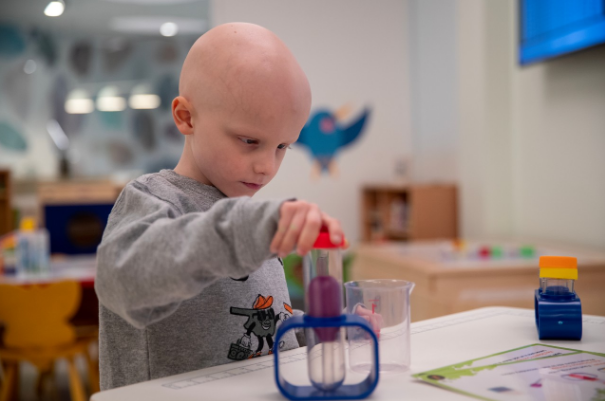
MEMPHIS, Tenn. — For 25 years, the St. Jude Imagine Academy by Chili’s has been a lifeline for young patients, ensuring that education remains a vital part of their healing journey at St. Jude Children’s Research Hospital. Accredited as a Special Purpose School by Cognia, the Imagine Academy supports students from preschool through high school as they undergo treatment for cancer, sickle cell disease, and other life-threatening illnesses.

Unlike traditional hospital schooling, the Academy works closely with each child’s home school. This partnership keeps students on track both academically and emotionally during their treatment.

> “Part of advancing long-term health and well-being is ensuring that patients are able to continue to grow academically while undergoing treatment,” said **Alli Leslie**, head of the Imagine Academy. “Education is a cornerstone of a healthy future, and we want all of our students to be able to fulfill their dreams.”

**Personalized Support for Every Student**

Every new patient at St. Jude is offered an educational consultation to assess their academic needs. The Imagine Academy has 23 full-time educators and coordinators, who serve up to 150 patients each day. Their work is supported by a network of community volunteers, plus more than 90 St. Jude staff who assist in the STEM lab throughout the school year.

– **K–12 students** receive instruction three times a week.
– **Preschoolers** receive instruction twice a week.

Beyond lessons, the Academy’s coordinators work directly with schools to arrange necessary accommodations and make the transition back to the classroom as smooth as possible once treatment allows.

> “The ultimate goal with our school coordination work is to empower students to tell their story and advocate for their classroom needs,” Leslie said. “When they return to school — or move on to college or work — they’re better prepared to ask for those accommodations and support.”

**A Place to Belong, Grow, and Celebrate**

For many patients, the Academy becomes more than just a classroom — it’s a place of belonging. Former students often return to visit the teachers who supported them during some of their toughest times.

> “The school program is amazing,” said **Archie**, a St. Jude cancer survivor. “They give you one-on-one time. When I went back to school, I was still up-to-date — actually ahead in some ways. I thank St. Jude for that because I got to graduate on time.”

Teacher **Kaci Richardson** shared that these reunions are among the staff’s proudest moments.
> “Our student-to-teacher ratio gives us the chance to connect with the kids we teach,” she said. “It means a lot when they come back to see us.”

Graduation ceremonies at Imagine Academy are especially meaningful. They don’t just mark academic achievement — they’re celebrations of perseverance, family, and hope.

> “For a lot of kids, there are challenges academically along the way, so reaching this milestone is a big deal,” Leslie said. “We love celebrating that culmination of high school with them before they pursue their goals and dreams.”

As St. Jude Imagine Academy celebrates its 25th anniversary, it remains a vital part of the hospital’s mission: to treat not just the disease, but the whole child. Through its dedication, patients are given the tools to keep learning, dreaming, and imagining their futures — no matter what challenges they face.
https://newsindiatimes.com/st-jude-imagine-academy-marks-25-years-of-helping-young-patients-learn-and-heal/

LiveOnNY celebrates organ donors and community leaders – News India Times

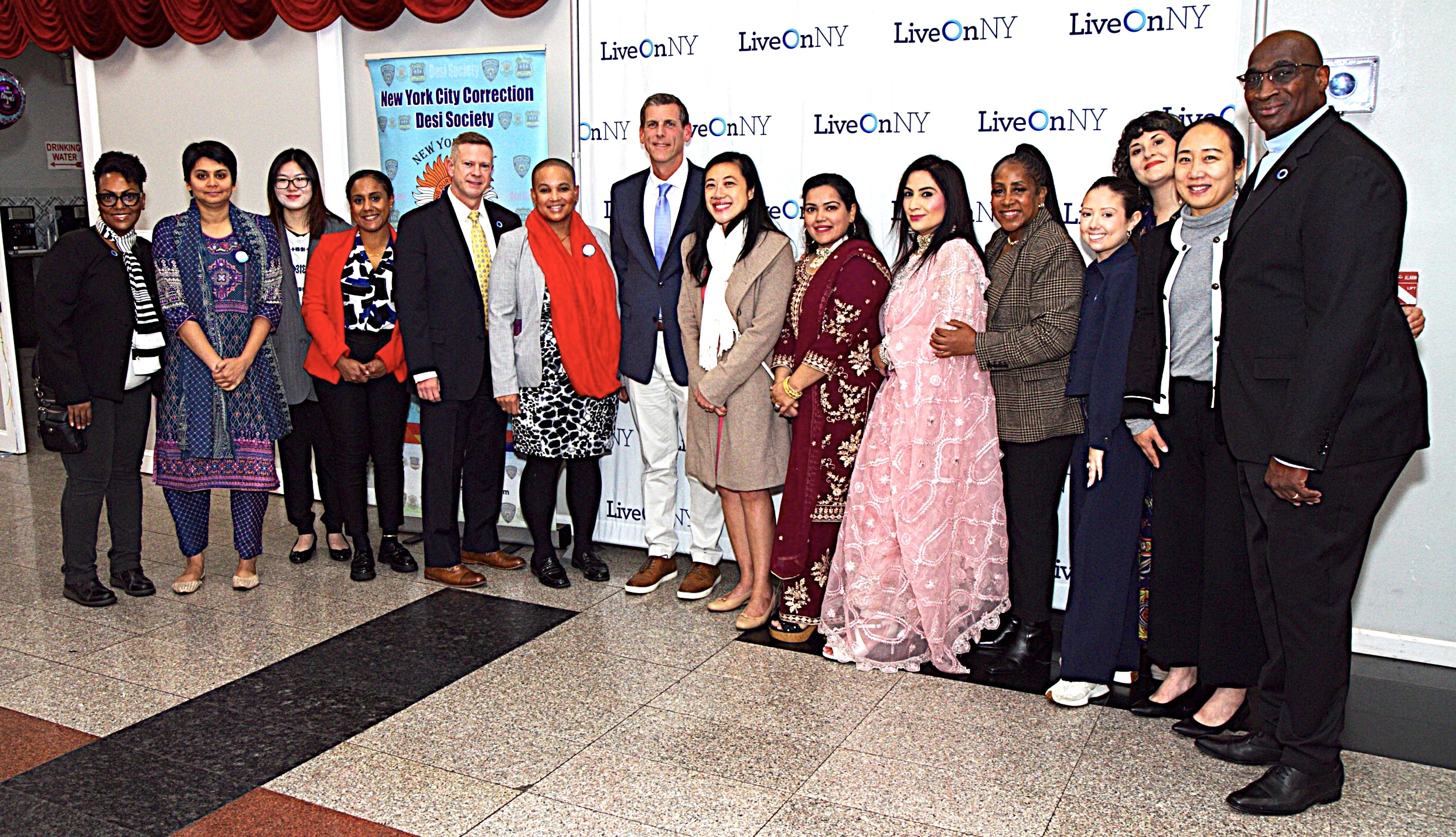
LiveOnNY (LONY) recently honored donors and community heroes from the South Asian community in a special event attended by over 250 invited guests, city officials, and LONY representatives. Organ donor families received special recognition for their generosity and courage.

“The highlight of the evening was hearing the stories of donor families — how tragedy was transformed into something so beautiful, giving, and powerful,” said Dunesh Kaur, LONY’s Community and Government Affairs Liaison, in an exclusive interview with Desi Talk.

### Honoring Community Leaders

The event celebrated several prominent South Asian community leaders, including:
– Inderjit Singh, Publisher and Chief Editor of *The Indian Panorama*
– Koshy Thomas, Democratic Candidate for District 23 of NYC Council
– Indu Jaiswal, Chair of nonprofit American Forum Inc.
– Dr. Vipul Patel, External Affairs Administrator of Flushing Swaminarayan Mandir
– Dr. Shyla Roshin, Director of Nursing for Behavioral Health at NYC Health & Hospital and President of the Indian Nurses Association of New York
– Dr. Harshad Patel, Orthopedic Spine Surgeon at Westchester Medical Center Health Network

This meaningful gathering was jointly organized by Dunesh Kaur and Dr. Mariam Singh of the New York City Department of Correction (NYCD) Desi Society and hosted by the Gujarati Samaj of New York at their Fresh Meadows, NY facility.

### About LiveOnNY

LiveOnNY, formerly known as the New York Organ Donor Network, is a federally designated organ procurement organization (OPO) serving the greater New York area. The nonprofit facilitates organ and tissue donation decision-making and offers emotional support and counseling to donor families.

### Memorable Moments and Community Impact

Reflecting on a special moment during the event, Kaur shared, “A Gujarati couple registered together to become organ donors. It was beautiful to witness — both confident in their decision, understanding that anyone can be in need of a life-saving transplant at any time.”

Kaur emphasized that their commitment demonstrated deep compassion and awareness. “Moments like these remind us that small steps create meaningful impact.”

Earlier, LONY collaborated with the Gujarati Samaj on their Health and Wellness Fair to engage the community, address questions, and dispel misconceptions about organ and tissue donation.

“Through these events, I am able to connect directly with community members, provide accurate information, and clear up myths surrounding donation,” Kaur stated.

### Growing Support in the South Asian Community

Kaur noted the tremendous support LONY has received from the Gujarati communities in Long Island and Queens. “Our partnership with mandirs such as BAPS Swaminarayan Mandir in Flushing has been especially meaningful. We are grateful for their attentiveness and dedication to raising awareness about organ and tissue donation.”

She highlighted positive progress within the South Asian community toward understanding the life-changing impact of organ donation. “We are seeing a meaningful increase in authorized organ donation cases.”

Kaur shared moving examples of two families in Queens and Westchester who made the incredibly difficult decision to donate the organs of loved ones declared brain dead. “As a Family Support Advocate, I understand how challenging acceptance can be during such times,” she said.

Gently guiding families through the process and helping them honor their loved ones’ legacies through organ and tissue donation is crucial, Kaur added.

“I have witnessed firsthand how this one decision can bring a sense of purpose, healing, and strength to grieving families. Their loved ones become heroes, giving the gift of life and hope to others,” she emphasized.

### Event Attendees

The event was attended by LiveOnNY’s Vice President of Community and Public Affairs Scott Wohl; Vice President and Chief Marketing & Communications Officer Dorie Klissas; managers and liaisons from LiveOnNY’s Community and Public Affairs Department; Dr. Mariam Singh; President Officer Manish Chopra; and board members of the NYCD Desi Society.

Also present were notable dignitaries and guests, including Senator John Liu; Councilmember Sandra Ung; Assemblymen Ed Braunstein and Jenifer Rajkumar; Civil Court Judge Frances Wang; Anurag Bhargava and Tsewang Gyaltso from the Consulate General of India; South Asian Liaison at NYC Mayor’s Office of Community Affairs Sookranie Dhanpat; Detective Neil Narayan of the NYPD Desi Society; representatives from the Nepalese American Law Enforcement Association; Professor Indrajit Saluja; and Dr. Hari Shukla.

### Acknowledgment and Appreciation

In recognition of her efforts, Dunesh Kaur was presented with a proclamation by Assemblywoman Jenifer Rajkumar.

This event marked an important step in fostering awareness and support for organ donation within the South Asian community, highlighting the power of compassion and the gift of life.
https://newsindiatimes.com/liveonny-celebrates-organ-donors-and-community-leaders/

As a doctor, here’s my advice on creatine supplements – News India Times

**Should You Take Creatine Supplements? Here’s What You Need to Know**

Creatine supplements are everywhere these days, touted for their potential to improve both strength and cognitive function. But should you jump on the bandwagon? Let’s break down what the research says and whether creatine is right for you.

### What Is Creatine?

Creatine is a nonessential nutrient, meaning your body produces it naturally. It helps form adenosine triphosphate (ATP), a key energy source for your muscles and organs.

You can find creatine in supplements such as powders, gummies, and pills, but it’s also present in animal-derived foods like beef and seafood. Plant-based sources generally don’t contain significant amounts of creatine.

### Does Creatine Really Improve Strength?

Multiple randomized controlled trials have shown that creatine supplementation can lead to small but real increases in upper and lower body strength — but only **when combined with resistance training**. Without resistance training, creatine doesn’t offer any significant benefits.

For example, younger adults taking creatine while following a resistance training program improved their bench and chest press strength by approximately 4 pounds compared to training alone. While this may not seem life-changing for some, even small boosts can be meaningful for higher-risk groups.

### Who Benefits Most?

Creatine may offer added advantages for groups at higher risk of muscle loss, including:

– Postmenopausal women
– Adults taking GLP-1 medications
– Older adults in nursing homes

These groups should ensure they are doing enough resistance training before considering supplementation.

### Resistance Training: The Foundation

Before thinking about creatine, ask yourself: **Am I doing enough resistance training?**

Federal guidelines recommend strength-building exercises — such as sit-ups, push-ups, or weightlifting — at least two times per week. If you’re not meeting this minimum, creatine supplementation is unlikely to help.

If you are training regularly and fall into a higher-risk category or simply want a slight edge, it might be reasonable to discuss creatine with your physician.

### Bone Health and Creatine

Many hope creatine could improve bone mineral density, especially for postmenopausal women, potentially reducing fracture risks. However, long-term studies have not demonstrated clear benefits.

A large two-year randomized controlled trial found that creatine did not improve bone mineral density compared to placebo when combined with resistance training. While short-term studies showed some promising effects at the femoral neck (a common site for hip fractures), these benefits didn’t persist long-term.

That said, creatine may still have other positive effects, like increasing walking speed and improving the geometric arrangement of bone — factors that theoretically enhance bone strength.

### Performance Benefits

Creatine may help female athletes and older adults by providing short bursts of energy, improving performance in tasks like standing up from a chair multiple times in 30 seconds without using arms.

However, these benefits are generally small and should be viewed as supplementary to consistent exercise.

### Cognitive Function and Creatine: What We Know So Far

Research on creatine’s impact on cognitive function is still in its early stages and results are mixed. For instance, a 2013 randomized controlled trial found no improvement in cognition or depression among older women taking creatine supplements.

Conversely, some observational studies have noted positive associations between dietary creatine intake and memory in older adults. More research is needed to draw definitive conclusions.

### How Much Creatine Should You Take?

Always consult your physician before starting creatine, especially if you have kidney disease, as there is some evidence of potential risk for those with preexisting conditions.

Typical dosages include:

– **3-5 grams per day:** Effective long-term dose for healthy individuals.
– **5-10 grams per day:** May be optimal for women, particularly postmenopausal women.
– **Loading phase:** Some use about 20 grams daily (spread over 4-5 grams doses) for one week, then reduce to maintenance doses.

Muscle creatine stores typically reach saturation after about a month with daily doses of 3-5 grams.

### Combining Creatine with Protein Powder

Many people take both creatine and protein powders (whey, pea, soy) to support muscle recovery. Keep these points in mind:

– Protein powders provide essential amino acids that your body cannot make, so dietary intake matters. Most people get enough protein from food, but older adults, women, and highly active individuals should pay closer attention.
– The FDA does not regulate dietary supplements with the same rigor as prescription drugs. A Consumer Reports study found that many protein powders contained potentially unsafe lead levels. While this study did not include creatine powders specifically, it highlights the importance of cautious supplement use, particularly for pregnant women or other high-risk groups.

### Final Thoughts: What I Want My Patients to Know

Resistance training should be as integral to your health routine as eating fruits and vegetables. Unfortunately, many adults don’t meet recommended guidelines: less than half of men and about 27 percent of women engage in adequate resistance training.

Before considering creatine supplements, prioritize regular resistance exercise. Creatine can provide a small boost, but it’s **not a magic bullet**. The real “magic” is consistent, dedicated lifting and muscle-strengthening activity.

*For personalized advice, always consult your healthcare provider before starting any supplement regimen.*
https://newsindiatimes.com/as-a-doctor-heres-my-advice-on-creatine-supplements/

STAT+: Is Canada about to lose measles-elimination status?

Get your daily dose of health and medicine every weekday with STAT’s free newsletter, Morning Rounds. Sign up here to stay informed.

On Friday, two federal judges ruled that the Trump administration must continue to fund SNAP throughout the government shutdown. This decision ensures that benefits will not be interrupted during this challenging time.

Do you receive SNAP benefits? How are you holding up a few days into November? We’d love to hear from you. Reach out at snapeditor@statnews.com.

https://www.statnews.com/2025/11/03/health-news-measles-in-canada-fda-tidmarsh-leave/?utm_campaign=rss

Oregon child attacked by coyote during game of hide-and-seek in backyard, state officials sound alarm

A 9-year-old child in Oregon was bitten by a coyote while playing hide-and-seek in a Portland neighborhood, prompting state wildlife officials to warn parents to closely supervise children outdoors and to scare off any coyotes that appear.

According to the Oregon Department of Fish and Wildlife (ODFW), the incident occurred Thursday evening around 6:15 p.m. in Portland’s Alameda neighborhood. Two children, ages 9 and 3, were playing outside when a coyote approached the older child and grabbed their foot. The child, who was wearing socks but no shoes, managed to shake free and run away while the coyote gave chase.

The child’s father shouted from the porch, causing the animal to flee. The 9-year-old was taken to a local hospital and treated for minor injuries.

In response, ODFW staff immediately launched an investigation, canvassed the neighborhood, and posted flyers warning residents. Officials have continued to monitor the area and are working with city, state, and federal partners to determine appropriate next steps.

Residents are urged to supervise young children, keep pets leashed or indoors, remove food attractants such as garbage and pet food, and use loud noises or thrown objects to scare away bold coyotes.

“Under no circumstances should people provide food to coyotes or other predators,” ODFW emphasized. “Feeding by humans is frequently associated with attacks and aggressive behavior.”

Coyotes are common throughout Oregon, including in Portland neighborhoods, and typically feed on rodents, fruit, and nuts.

For more information and safety tips, residents are encouraged to stay informed and cautious when spending time outdoors.
https://www.foxnews.com/us/oregon-child-attacked-coyote-during-game-hide-and-seek-backyard-state-officials-sound-alarm

Visitor Guard® helps Canadian Snowbirds prepare for Winter 2025 with Affordable Visitor Insurance Plans

The United States has some of the highest medical costs in the world, where a simple emergency room visit can run into thousands of dollars. For seniors and retirees, who may have more frequent medical needs, the financial consequences of an unexpected illness or injury can be devastating.

To ensure Canadian snowbirds can travel with peace of mind, Visitor Guard® offers a wide selection of affordable visitor insurance plans for Canadians specifically designed for extended stays in the U.S.

**”Traveling without proper medical coverage is a gamble,”** said Chiranth Nataraj, CEO of Visitor Guard®. **”We often see Canadians assume their provincial plan will protect them in the U.S., but that is rarely the case. Our visitor insurance plans bridge that gap and help snowbirds enjoy their winter getaways without financial worry.”**

### Growing Trend Among Canadian Snowbirds

The snowbird lifestyle has grown in popularity over the last decade. According to Statistics Canada, more than 500,000 Canadians spend between three to six months each year in warmer climates, with Florida alone welcoming over 3.5 million Canadian visitors annually.

Many of these travelers are retirees seeking sunshine, golf, and relaxation—yet a surprising number remain unaware that Canadian provincial health plans like OHIP, AHCIP, or MSP offer limited coverage outside Canada. Typically, these plans reimburse only a small percentage of the medical expenses incurred in the U.S., leaving travelers vulnerable to enormous out-of-pocket bills in the event of hospitalization or medical emergencies.

Visitor Guard® aims to change that by making travel medical insurance accessible, transparent, and tailored to Canadian needs.

### Comprehensive Coverage Designed for Long-Term Stays

Visitor Guard® offers flexible visitor insurance plans that cater specifically to snowbirds who spend months abroad. Plans provide coverage for up to 364 days, and many are renewable, allowing travelers to extend their protection if they decide to stay longer.

**Key benefits include:**

– Comprehensive medical coverage for accidents and illnesses
– Coverage for acute onset of pre-existing conditions
– Emergency medical evacuation and repatriation
– Renewable policies for extended stays
– Coverage periods from 5 days to 12 months
– Coverage can start as early as the next day

Some of the most popular options among Canadian travelers include Safe Travels USA Comprehensive, Patriot America Plus, Visitors Protect, Visit USA, Venbrook Essential, Safe Travels Elite, and Atlas America.

Unlike standard vacation insurance, which is typically meant for short trips, visitor insurance from Visitor Guard® is purpose-built for long-term stays. Most plans can be purchased easily online, with quick comparisons and instant policy issuance.

Coverage can begin the day travelers depart from Canada or arrive in the United States, and in many cases, policies can even be purchased after arrival. However, Visitor Guard® recommends buying before departure to avoid potential waiting periods for illness coverage.

**”With Visitor Guard®, snowbirds can customize their insurance to fit their lifestyle,”** said Nataraj. **”Whether it is three months of golf in Arizona or a full winter in Florida, we make it simple, affordable, and reliable. Retirees travel south to relax and enjoy life, not to worry about unexpected medical bills. That is what our plans are designed for.”**

### Tips for Canadian Snowbirds Planning for Winter Travel

To help Canadian travelers prepare for a safe and stress-free winter abroad, Visitor Guard® offers a few expert tips:

1. **Purchase insurance before departure**
This ensures immediate protection and avoids waiting periods.

2. **Choose coverage for your entire trip**
Ensure your plan covers the full length of your stay, especially if you plan to extend it.

3. **Consider renewable options**
Flexibility is key if your plans change.

4. **Review pre-existing condition coverage**
Plans like Visitor Protect offer limited coverage for acute onset of pre-existing conditions.

5. **Keep insurance details handy**
Save your ID card and emergency contact information in both physical and digital formats.

### About Visitor Guard®

Visitor Guard® is a leading provider of visitor and travel medical insurance, offering a wide range of plans designed for international travelers, snowbirds, students, and visitors to the United States.

With a focus on affordability, flexibility, and customer service, Visitor Guard® helps travelers stay protected against unexpected medical costs and travel-related emergencies.

For more information about visitor insurance options for Canadian snowbirds and to compare plans, visit [www.visitorguard.com](http://www.visitorguard.com).

**Media Contact**
Pallavi Sadekar
Visitor Guard®
Phone: 1-804-325-1385
Email: [email protected]

**SOURCE:** Visitor Guard®
https://www.prweb.com/releases/visitor-guard-helps-canadian-snowbirds-prepare-for-winter-2025-with-affordable-visitor-insurance-plans-302598017.html

Exit mobile version
Sitemap Index