**La Niña Returns: What Seniors Need to Know About Winter Weather Impacts**
Forecasters have confirmed that La Niña has returned, bringing cooler-than-average Pacific Ocean temperatures that will shape U.S. weather this winter. This climate pattern is part of the El Niño-Southern Oscillation cycle, but its effects vary widely by region.
Seniors, who often face unique challenges during extreme weather, need to pay close attention to these forecasts. Understanding how La Niña impacts local conditions can help retirees prepare for safety, health, and financial stability.
—
### Northern Plains and Pacific Northwest: Cold and Snowy
La Niña typically delivers colder, wetter conditions to the Northern Plains and Pacific Northwest. This year’s forecast suggests above-average snowfall and frigid temperatures.
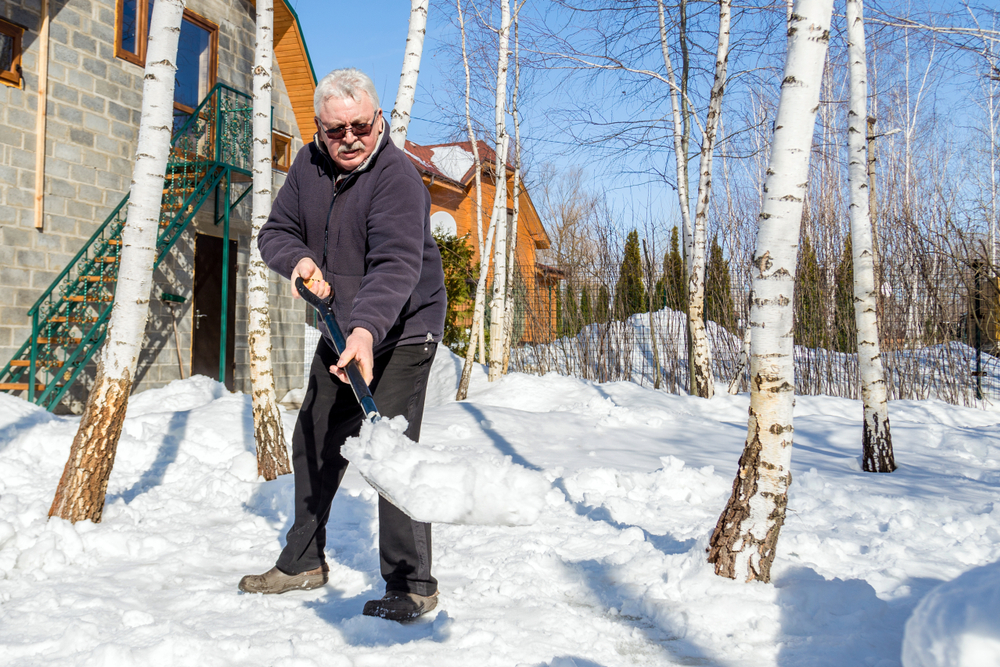
Seniors in Montana, the Dakotas, and Washington should prepare for higher heating costs and more frequent snow removal. For retirees in rural areas, icy roads and heavy snow can increase isolation and limit access to medical care.
—
### Southern States: Warmer but Drier
From California through Texas and across to Florida, warmer-than-average temperatures are expected. While this reduces the risk of dangerous cold snaps, it raises concerns about drought and wildfire risks.
Seniors in the Southwest may face higher water bills and respiratory health challenges due to poor air quality. For those who moved south to escape harsh winters, La Niña’s warmth could bring new challenges instead of relief.
—
### Midwest and Northeast: Icy and Unpredictable
Forecasts for the Midwest and Northeast suggest mixed conditions, with some areas experiencing above-average precipitation and others trending warmer.
Seniors in Ohio, Pennsylvania, and New York may face icy rain events instead of consistent snowfall. Ice storms pose serious risks for older adults, increasing the likelihood of falls and power outages. Retirement communities in these regions are urging residents to limit outdoor activity during freezing rain and to keep emergency supplies on hand.
—
### Southeast: Mild but Costly
Georgia, Alabama, and Florida are expected to experience above-normal temperatures. While this reduces the chance of severe cold snaps, it can extend energy costs as air conditioning use persists longer into winter.
Seniors on fixed incomes may feel the financial strain of higher utility bills. Even mild winters can carry hidden costs that retirees should plan for in advance.
—
### A Weak but Disruptive La Niña
Experts caution that this La Niña is expected to be weak and short-lived, likely fading by late winter. Its strongest influence will be felt in December and January, with a transition back to neutral conditions by spring.
Even a weak La Niña can disrupt storm tracks and precipitation patterns. For seniors, unpredictability means preparation is more important than prediction.
—
### Emotional Impact on Seniors
Extreme weather doesn’t just affect finances — it impacts emotional well-being. Seniors often experience heightened anxiety during storms, especially if they live alone or rely on medical devices that require electricity.
The fear of being cut off from family, healthcare, or food supplies can be as damaging as physical risks. Communities that prioritize senior outreach during La Niña events can help reduce isolation and ensure retirees feel supported.
—
### Preparing for Region-Specific Risks
Practical steps can help seniors stay safe during La Niña’s winter.
– Those in colder regions should apply early for heating assistance and winterize their homes.
– Retirees in drought-prone areas should monitor advisories and prepare for water restrictions.
– In icy regions, seniors should keep emergency supplies ready for outages and stay connected to local weather alerts.
—
### Seniors Must Plan Ahead
La Niña will dominate early winter weather across the U.S., but its impacts will vary sharply by region. For seniors, preparation tailored to local conditions is essential.
Whether it’s bracing for snow in the North, drought in the South, or ice in the Midwest, retirees who plan ahead can navigate the season safely and confidently. Awareness and preparation are the keys to staying secure this winter.
—
*You May Also Like*
https://www.savingadvice.com/articles/2025/11/16/10306342_la-ninas-winter-forecast-what-seniors-should-expect.html