

The Texas Democrat said a recent court ruling blocking the political maps that were signed into law by Gov. Greg Abbott (R-TX) over the summer was responsible for his political resurrection. The state is appealing the decision to the Supreme Court. “A U. S. district court order means that I have a renewed opportunity to continue serving the only town I have ever called home, as democracy faces greater challenges than at any point in my lifetime,” Doggett said. “While this decision, led by a [President Donald] Trump-appointed judge, will be appealed, I am hopeful about the final outcome to stop this illegal, racial gerrymander.” Doggett had previously indicated he would retire back in August, when state Republicans won their battle to pass a map that merged Rep. Greg Casar’s (D-TX) and Doggett’s districts. Facing a likely primary challenge from Casar, Doggett said he would step aside, explaining, “I prefer to devote the coming months to fighting Trump tyranny and serving Austin rather than waging a struggle with fellow Democrats.” While Doggett sounded an optimistic note this week, his future remains uncertain. DOJ CHALLENGES CALIFORNIA’S PROP 50 MAP IN ESCALATING FIGHT OVER HOUSE MAJORITY Texas is taking the redistricting case to the Supreme Court, after a federal judge ruled Tuesday that the new political maps were an unlawful racial gerrymander.
https://www.washingtonexaminer.com/news/campaigns/congressional/3892193/house-democrat-pull-retirement-court-blocks-texas-plan-redrawing-district/
Tag: resurrection

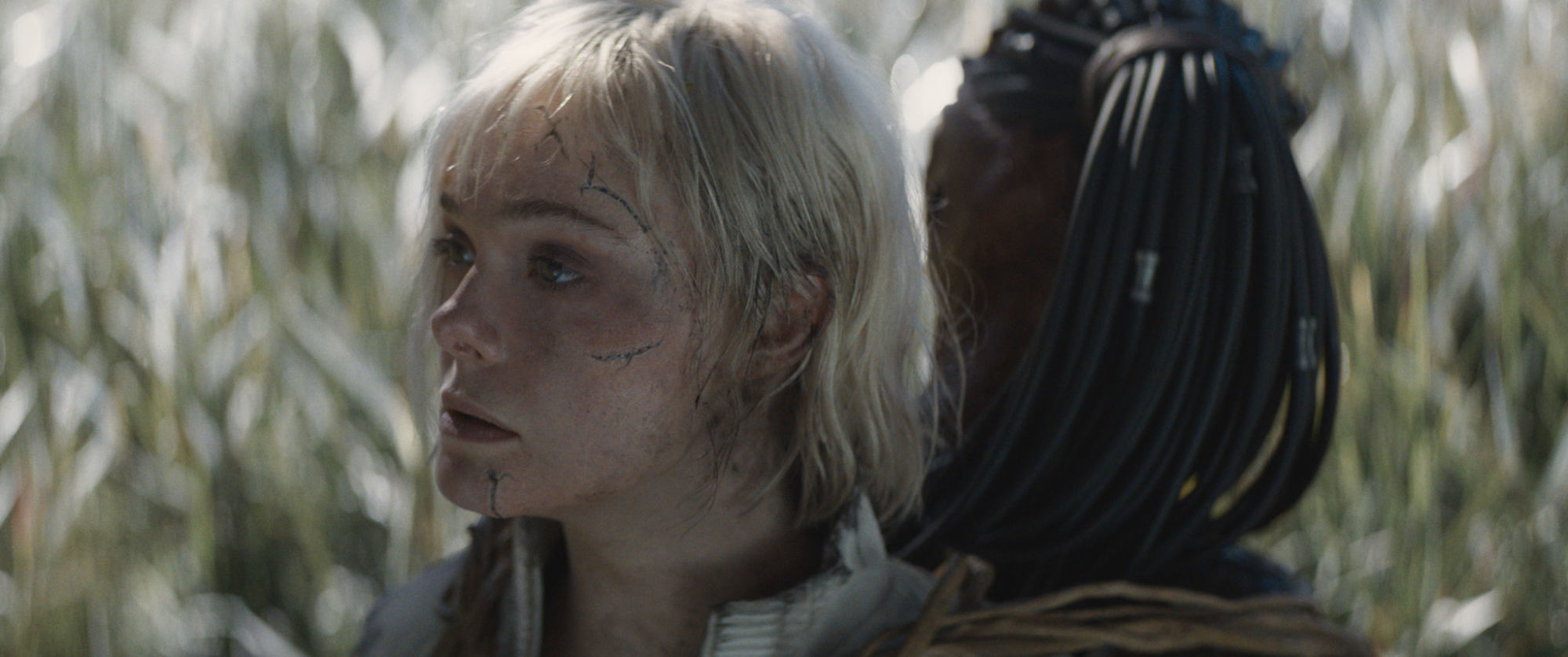
Predator: Badlands Director on Navigating Two Franchise Timelines
The director of Predator: Badlands opens up about how he wanted to place the film at the furthest point of the Alien and Predator franchises. Predator: Badlands is turning out to be exactly the kind of win the franchise needed to prove itself with modern audiences. During its opening weekend, the new sci-fi action film opened at number one and pulled in about $80 million worldwide, including $40 million domestic, which happens to be a record opening for a Predator movie. And early legs look pretty reliable too, with a worldwide total around $82. 8 million so far on a 105 million budget, an A- on CinemaScore, and a fairly strong Rotten Tomatoes score that has critics calling it one of the freshest entries since the original. Part of the buzz comes from where it sits in the larger Alien and Predator universe. Director Dan Trachtenberg has been clear that Predator: Badlands pushes things further ahead than anything we have seen before. And, when speaking about the timeline, he explained that the movie is set at the furthest point in the future for both franchises and talked about navigating around other recent projects. Predator: Badlands Director on Timeline He tells Variety, “Very intentionally, it is the furthest into the future in both Predator and Alien. When we were making it, I wasn’t really sure what was going on with Alien: Romulus, and I don’t even know how aware I even was of Alien: Earth. So I just didn’t want to step on anyone’s toes. I wanted to make sure we were doing our own thing, and selfishly, I’d also done so much Predator in different time periods that I was excited for this to be in the future, even past Alien: Resurrection.” Story-wise, Predator: Badlands takes place centuries from now on the hostile planet Genna. It follows Dek, a young Yautja who is exiled from his clan as a runt and given one last chance to prove himself by hunting the legendary apex creature known as the Kalisk. After crash landing, he teams up with Thia, a damaged Weyland Yutani synthetic who is stranded after her own mission goes sideways, and a small native creature nicknamed Bud. Together they face Genna’s brutal wildlife, a rival Predator clan, and a Weyland Yutani team that wants to weaponize the Kalisk. Dimitrius Schuster Koloamatangi plays Dek and also voices some of the other Predators. Elle Fanning plays Thia along with her more ruthless synthetic sister Tessa. The supporting roles are mostly other creatures and androids, which reinforces the hook that there are no human characters this time. That choice also lets the film lean harder into Predator culture and Weyland Yutani lore, including nods that connect it spiritually to the Alien side without turning it into a full crossover. Predator: Badlands hit theaters in the United States on November 7, including IMAX and RealD 3D runs. And with the film positioned as the furthest step forward in both timelines (and already performing well), it feels like it’s only a matter of time before they cross paths yet again.
https://bleedingcool.com/movies/predator-badlands-director-on-navigating-two-franchise-timelines/

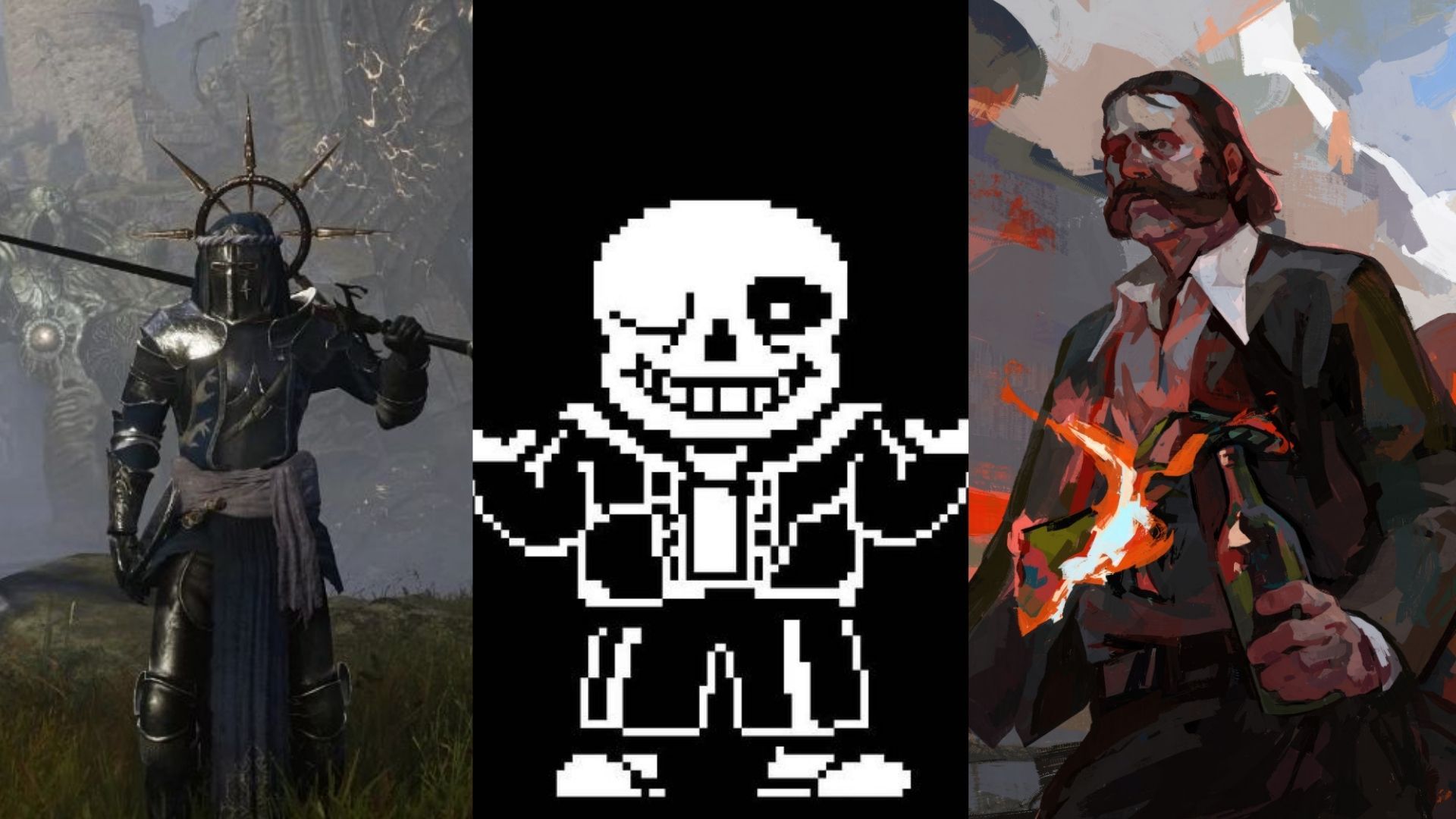
10 Copycat RPGs Better Than Their Inspiration
**Copycats in the Gaming World: RPGs That Surpassed Their Inspirations**
Copycats are everywhere in the media, and video games have their fair share too. Initially, they might get a side-eye or two, but what truly counts is whether the game in question is fun. RPGs (Role-Playing Games) have been a genre full of imitators over the years. While many have fallen short in their tributes, some have gone above and beyond, improving on their sources and creating masterpieces in their own right.
Here, we’ll explore a handful of games that outdid their inspirations and became something to marvel at.
—
### 10. Pathfinder: Wrath of the Righteous – A World Upon Ruin
At first glance, *Pathfinder: Wrath of the Righteous* feels like it’s trying to replicate *Baldur’s Gate 2*. However, it quickly carves out its own space, deserving attention independently. The world is richly inspired by Dungeons & Dragons, evident from enemy design to combat mechanics, yet the depth here is nearly unmatched.
Choices profoundly affect the story’s direction, and the lore is both vast and fascinating. The characters and villains are exceptionally well-written, complemented by outstanding voice acting—something *Baldur’s Gate 2* can’t compete with. Additionally, the game uses a more intimate perspective, immersing players in a dark fantasy world. Features like army-building and diverse party builds add to the experience, making it, overall, a better RPG through and through. It was, in many ways, *Baldur’s Gate 3* before *Baldur’s Gate 3*.
—
### 9. Darksiders 2 – A Different Kind of Legend
*Darksiders 2* draws heavy inspiration from *The Legend of Zelda* series but elevates combat to new heights. Think of the old-school *God of War* combat system blended into a lengthy RPG—with large, loud, and over-the-top battles befitting a game where you play as Death.
Beyond combat, the dungeon design, puzzles, and world evoke a darker version of *Zelda*, reminiscent of how many wish modern *Zelda* games could be. With plenty of dungeons to explore, abilities to unlock, and an engaging story that never feels too ridiculous despite the subject matter’s fantasy-heavy nature, *Darksiders 2* crafts a unique niche for itself.
—
### 8. Pillars of Eternity – The Resurrection of the CRPG
Inspired by *Baldur’s Gate 2*, *Pillars of Eternity* improves on its predecessor in almost every way. Despite a low budget, it builds a world unlike any other out there. The game captures that classic CRPG feel with a mysterious opening, fusing sci-fi and fantasy elements into a unique blend.
The combat is classic CRPG style with modern enhancements, but the true highlight is the writing and dialogue. It’s incredibly well-written, offering premium RPG dynamics that let you build diverse parties and develop your character in fascinating ways. When it came out, it was a breath of fresh air, revitalizing an old era and sparking a surge of great CRPGs, making the genre more popular than it had been since the late 1990s.
—
### 7. Kingdoms of Amalur: Reckoning – The Fable Came True
Often compared to *The Elder Scrolls* series, *Kingdoms of Amalur: Reckoning* actually draws more obvious inspiration from *Fable*. The zone-based areas, visuals, combat animations, whimsical music, and character dialogue all echo *Fable’s* style.
Where *Fable* promised much but delivered little, *Kingdoms of Amalur* delivers a fantastic, full experience. Combat is exceptional for a sprawling fantasy RPG, and the game offers an intriguing story, rich lore by R. A. Salvatore, and thrilling boss fights. It could have soared with a sequel, but the company’s unfortunate shutdown leaves its future uncertain—a true shame for a game with such promise.
—
### 6. Disco Elysium – A New Kind of Torment
When it comes to RPGs with little to no combat, the list is short, making *Disco Elysium* a standout as this generation’s *Planescape: Torment*. It not only reached that level but improved on the classic significantly.
You play a detective piecing his life back together after losing his memory following a drunken night. The world resembles *Torment*’s, populated with shady characters trying to sway you. The writing shines, with branching conversations, volatile character relationships, and a richly explorable environment.
While equally dark, *Disco Elysium* offers sharper wit in its writing, and its lore is concise yet impactful—never overbearing. The result is a game that offers depth without overwhelming the player.
—
### 5. Undertale – Hellbound
*Undertale* is a loving tribute to *Earthbound*, from the protagonist’s clothes to not showing the character in battles. But where *Earthbound* stayed safe in ambition, *Undertale* ventured boldly.
The world is weird, wild, and complex—still one of the greatest RPG achievements to date. Multiple playstyles influence relationships and endings; battles can be won in surprising ways. The narrative twists constantly, with friends turning foes and puzzles requiring creative solutions. Exploration far surpasses *Earthbound*’s, brimming with secrets, alternative boss fights, and intricate character interactions.
Created by just one person, *Undertale* is a unique world unlike any other, remarkable for a genre that’s been around over 40 years.
—
### 4. Unicorn Overlord – A Tribute to the Past
*Unicorn Overlord* is a homage to the *Ogre Battle* series, reinventing that formula with flair. Battles feel like direct copies of *Ogre Battle*—you set up AI and watch the fight unfold—but with such detail and character design that it never becomes dull.
The story is minimal, but the robust squad system encourages endless strategy experimentation, unit combinations, and item and equipment optimization. The game introduces relationship and choice systems that affect playthroughs—determining who lives or dies, who joins or opposes you.
It’s a small package packed with content, surpassing its inspiration in meaningful ways.
—
### 3. Vampire: The Masquerade – Bloodlines – 2000s Vampire Cool
Early 2000s immersive RPGs bring to mind *Deus Ex* and *Vampire: The Masquerade – Bloodlines*. While *Deus Ex* came first, *Bloodlines* elevated the concept dramatically.
You play a newly turned vampire navigating a world where keeping the Masquerade—hiding your true nature—is vital. You can’t freely use your powers; secrecy is key. The game features well-written side quests and main story content, with choices that shape how the story unfolds.
For its time, it boasted impressive voice acting and facial animation, making it one of those classic titles still easy to dive into today. Among immersive RPGs, *Bloodlines* stands proudly at the front—right ahead of its inspiration.
—
### 2. Tainted Grail: The Fall of Avalon – Morrowind’s Got Nothin’ on Arthur
*Morrowind* is a fan-favorite hardcore RPG, but *Tainted Grail: The Fall of Avalon* improves on several fronts. Combat feels more like *BioShock* or *Dishonored* than classic RPG stiffness. Magic, melee, and enemy impact all feel varied and satisfying.
The real highlight is quest design—intricate and organic, leading you down unexpected paths much like *Morrowind* once did. The world is dark and mysterious, filled with a constant flow of new enemies to battle.
This game pays tribute to many others and helped spawn a unique genre known as Scrollslikes. The conversation about significant Scrollslikes begins with *Tainted Grail*.
—
### 1. Dragon Age: Origins – A New Dark Fantasy World
*Dragon Age: Origins* is an obvious tribute to old-school CRPGs like *Baldur’s Gate*, *Icewind Dale*, and *Neverwinter Nights*, but it surpasses them all with ease. The storytelling remains unmatched even today—with rich character development, well-paced plots, and memorable villains.
You can choose to be good, evil, or somewhere in between, and quests can unfold in wildly different ways based on your decisions. Gameplay blends old-school tactics with modern customization, letting you fine-tune your party’s tactics like never before.
Packed with cinematic moments, challenging boss fights, and immersive environments, it’s a game that leaves you wanting more when it ends. Sadly, it remains the high point of the series, though later titles have had their moments.
—
**Conclusion**
While imitation might be the sincerest form of flattery, these RPGs prove that pay homage doesn’t mean settling for second best. Each of these games learned from their inspirations and elevated the formula—delivering experiences that stand tall on their own and, in many cases, redefine the genre for future titles.
https://www.dualshockers.com/copycat-rpgs-better-than-their-inspiration/