How much gold, silver does Sabarimala temple hold

**How Much Gold and Silver Does Sabarimala Temple Hold?**

*By Chanshimla Varah | Sep 19, 2025, 08:21 PM*

**Introduction**

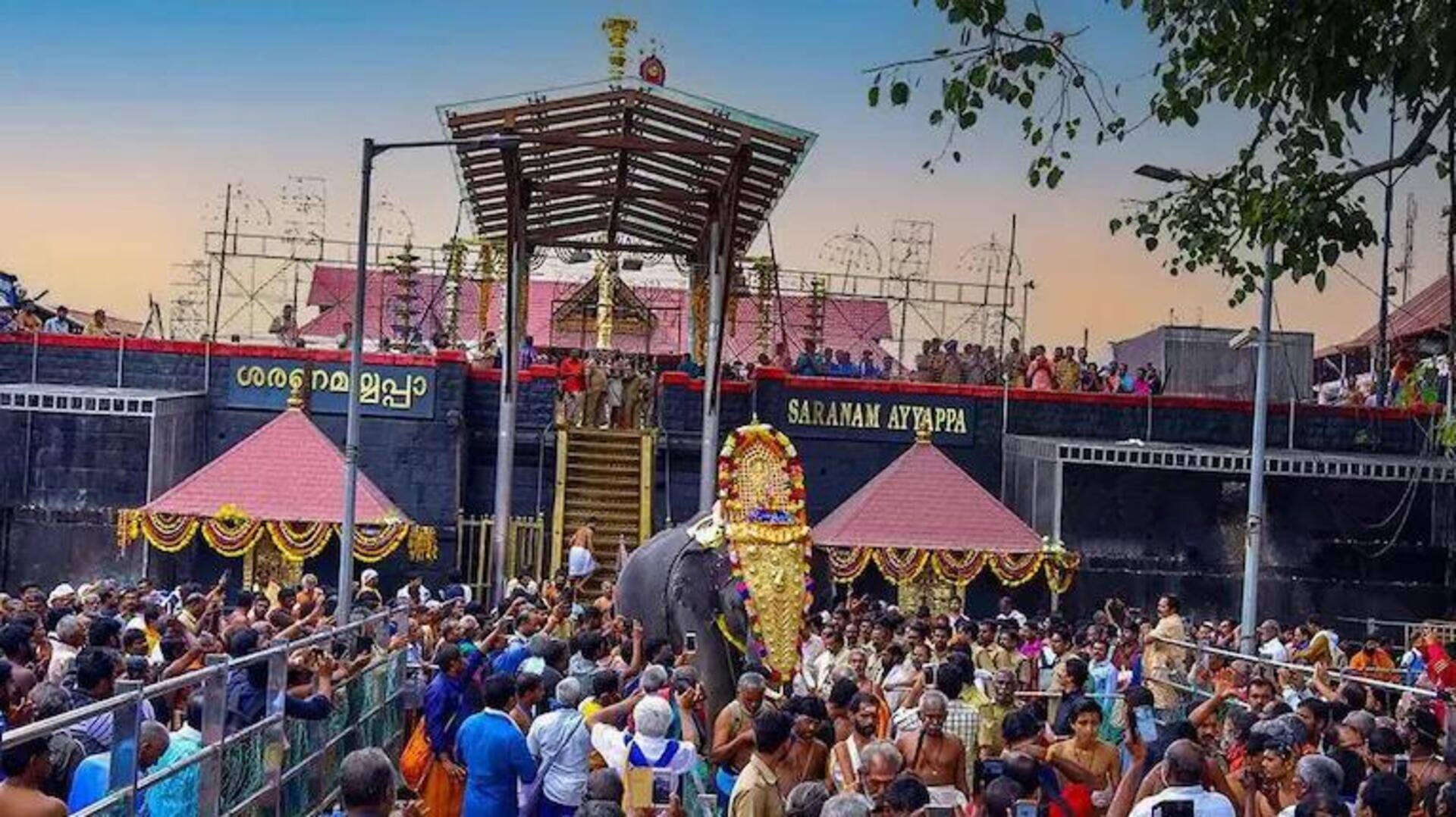
The Sabarimala Ayyappa Temple in Kerala is one of India’s richest and most revered pilgrimage sites. Situated at an altitude of 4,133 feet in the Pathanamthitta district, the temple attracts millions of devotees annually. Its wealth extends beyond spirituality, encompassing vast material riches, including significant gold and silver reserves alongside substantial annual donations.

**Gold and Silver Reserves**

According to reports from Mathrubhumi, the temple currently holds approximately 227.824 kilograms of gold, which is not utilized for daily rituals or other temple expenses. Additionally, the temple’s silver reserves stand at an estimated 2,994 kilograms.

Every year, devotees offer over 15 kilograms of gold, with monetary donations often surpassing ₹105 crore. In recent times, the temple’s gold assets have been placed under a deposit scheme to earn interest, contributing to its growing wealth.

**Financial Overview**

As of September 2025, the net worth of the Sabarimala temple is estimated at ₹245 crore. During the 2023 pilgrimage season, the temple’s revenues reached a remarkable ₹320 crore.

The Mandala-Makaravilakku season in January 2025 was especially lucrative, generating ₹440 crore alone—an increase of ₹80 crore compared to the previous season. This period also saw a rise in the number of devotees, with over six lakh pilgrims visiting and daily footfalls peaking at around 1.8 lakh on the busiest days.

Besides gold and silver, the temple’s assets include fixed deposits and jewelry of significant cultural and historical importance.

**Legal Investigation Over Missing Gold**

Recently, the temple came under scrutiny following a vigilance probe ordered by the Kerala High Court. The investigation was prompted by a discrepancy of approximately 4.541 kilograms in the gold-plated copper covering of the Dwarapalaka idols at Sabarimala.

The copper plates, which initially weighed 42.8 kilograms before being sent for re-plating in Chennai in August 2019, were found to weigh only 38.258 kilograms upon return. This indicated a loss of over 4.5 kilograms of gold—a discrepancy not reported by the Travancore Devaswom Board (TDB), the temple’s managing body.

**Accountability and Transparency**

The Kerala High Court questioned the temple administration about how such a significant quantity of gold could go missing. Emphasizing the importance of maintaining faith and transparency concerning temple properties, the court directed the Devaswom Vigilance to carry out a thorough investigation.

The vigilance team has been ordered to submit a detailed report within three weeks. Additionally, the court mandated an inspection of all other gold-plated items at the temple to ensure no further irregularities exist.

**Conclusion**

Sabarimala Temple remains one of India’s wealthiest religious institutions, with vast reserves of gold and silver and substantial annual donations. However, recent incidents highlighting discrepancies in gold reserves underline the necessity for enhanced transparency and robust oversight to maintain the trust of millions of devotees who regard the temple with deep reverence.
https://www.newsbytesapp.com/news/india/how-much-gold-silver-and-wealth-does-sabarimala-temple-hold/story

GST Reforms Will Pump ₹2 Lakh Crore Into The Economy, Boosting Demand Across Sectors: Union Finance Minister Sitharaman

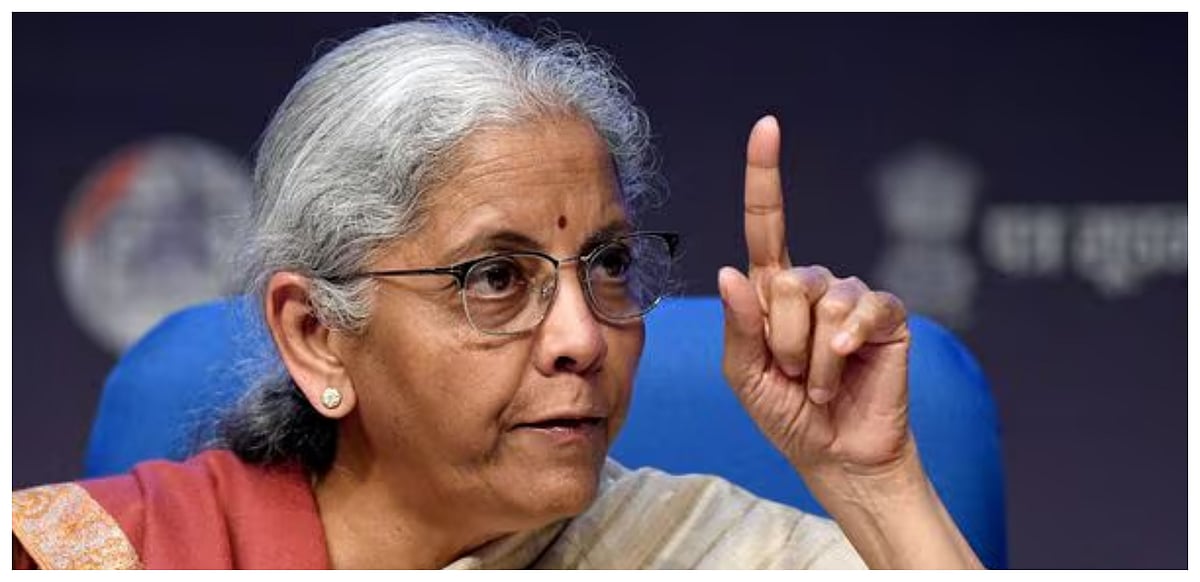
Kolkata: Union Finance Minister Nirmala Sitharaman on Thursday announced that the latest round of Goods and Services Tax (GST) reforms will inject around Rs 2 lakh crore into the economy, significantly boosting demand across various sectors.

Sitharaman described the “new generation GST reforms” as measures designed to cut tax rates, ease compliance, and eliminate ambiguities. These changes are expected to benefit the poor, middle class, farmers, MSMEs, and several industries in West Bengal.

“The (GST) Council’s decision to reduce rates was possible only because states came together in the spirit of cooperation. There is no donor-donee model in GST. If revenues fall, the Centre bears it equally, and after devolution, our share is even smaller,” she said during an event in Kolkata.

The reforms will directly benefit key sectors in Bengal such as handicrafts, garments, tea, jute, and agro-products, thereby aiding festive season sales, the Finance Minister added.

Products including ‘Nakshi Kantha’, Malda mangoes, Darjeeling tea, hosiery, and jute bags will see lower tax rates. The new GST slabs, mainly set at 5% and 18%, will take effect from September 22, coinciding with the first day of ‘Navratri’. Sitharaman explained that this timing was deliberately chosen to align with the Durga Puja festivities.

“Durga Puja is Bengal’s biggest festival. People make major purchases during this period. The timing ensures they benefit from the reduced tax burden,” she said.

Elaborating on the reform trajectory, Sitharaman noted that India has moved from four GST slabs to largely two but added, “We are not yet ready for a single rate. Maybe sometime in the future.”

She also highlighted efforts to curb past revenue leakages caused by misclassification and loopholes — citing examples such as differential tax treatment on various popcorn types — which have now been plugged.

Calling GST “one of India’s biggest reforms,” the Finance Minister expressed confidence that these changes would spur economic growth, especially benefiting Bengal’s small-scale and craft-based industries, while boosting consumption nationwide.

*Disclaimer: This story is from a syndicated feed. Nothing has changed except the headline.*
https://www.freepressjournal.in/business/gst-reforms-will-pump-2-lakh-crore-into-the-economy-boosting-demand-across-sectors-union-finance-minister-sitharaman

India likely to resolve tariffs issue with US within two months: CEA

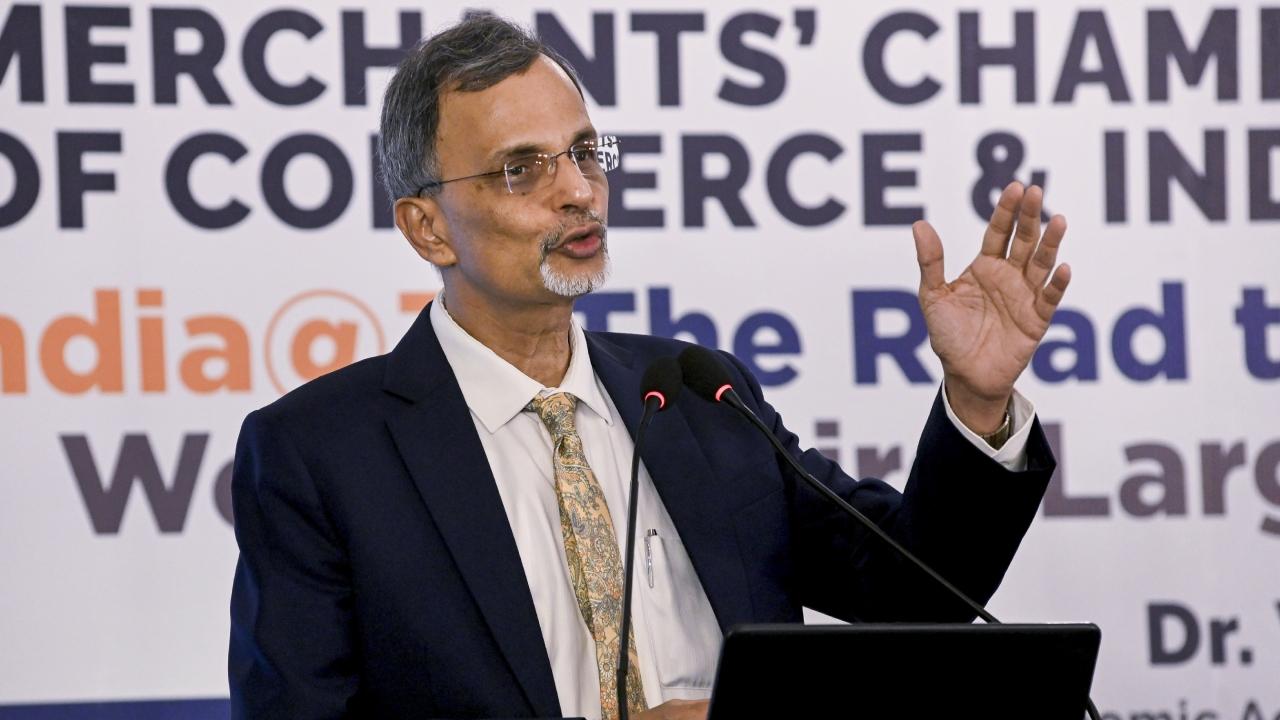
Chief Economic Adviser (CEA) V Anantha Nageswaran expressed optimism on Thursday that a resolution to the tariff-related issues with the United States could be reached within the next eight to ten weeks, reported the PTI.

Speaking at an interactive session hosted by the Bharat Chamber of Commerce, Nageswaran said, “Underneath the surface, conversations are going on between the two governments. My hunch is that in the next eight to ten weeks, we will likely see a solution to the tariffs imposed by the US on Indian goods,” according to the PTI.

The United States had imposed an additional 25 per cent tariff on Indian goods from August in response to India’s purchase of Russian oil, bringing the total levy on certain products to 50 per cent. The CEA warned that if these tariffs remain in place, Indian exports to the US could decline.

Describing India as an aspirational lower-middle-income economy, Nageswaran highlighted that the real GDP growth for the first quarter of the current financial year stood at 7.8 per cent. He added that post-pandemic, India has outpaced many other economies in terms of recovery and growth, as per the PTI.

Nageswaran expects the manufacturing, services, and agriculture sectors to play a key role in driving economic progress over the next two years. Consumption and investment, he said, will continue to be the main pillars of growth.

He noted that India has a strong debt-to-GDP ratio, generating more GDP per US dollar of debt compared to many other countries — a sign of efficient capital utilisation. Additionally, rural demand remains resilient, while urban demand is improving.

The recent reduction in GST rates, he said, will result in more disposable income in the hands of consumers, potentially boosting urban consumption, the news agency reported.

The CEA also highlighted that credit to the MSME sector is on the rise, while lending to large industries is undergoing structural change. Resource mobilisation today is well supported by various financial channels.

India’s external sector remains solid despite global headwinds, with robust trade activity and healthy foreign exchange reserves. The current account deficit has eased to just 0.2 per cent of GDP in the first quarter of FY 2025-26.

Regarding the rupee, Nageswaran said, “The rupee is depreciating against the US dollar. But given the underlying strength of the economy, I believe the rupee is likely to stabilise and strengthen in the long term,” as per the PTI.

Outlining the government’s policy priorities, he stressed continued emphasis on capital expenditure, incentives for private investment, and systemic deregulation. Infrastructure development—particularly in ports and airports—has improved, ensuring that economic growth does not lead to overheating, he added.

Touching upon India’s trade with China, he noted that imports are largely composed of capital and intermediate goods. He urged the Indian private sector to increase investment in innovation and research and development (R&D).

On artificial intelligence (AI), Nageswaran remarked that its impact has been limited so far. He cautioned that entry-level coding jobs may be at risk, but overall employment effects are manageable—provided that workers upskill and adapt, the PTI reported.

(With PTI inputs)
https://www.mid-day.com/news/india-news/article/us-tariffs-on-india-india-likely-to-resolve-tariffs-issue-with-us-within-two-months-says-chief-economic-adviser-v-anantha-nageswaran-23594656

Exit mobile version
Sitemap Index