India`s GST reforms ignite clash between PM Modi and Congress

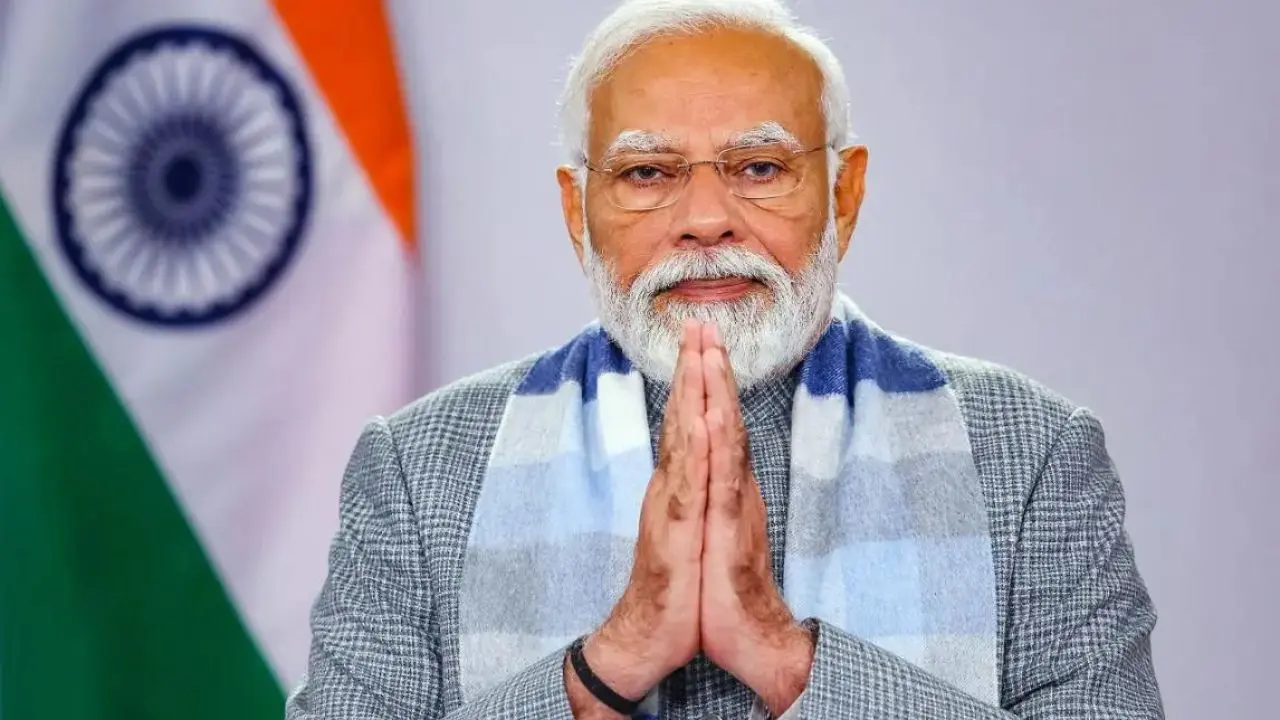
Congress Rajya Sabha MP Pramod Tiwari on Monday took a swipe at Prime Minister Narendra Modi over his recent speech on Goods and Services Tax (GST) reforms implementation, suggesting that the PM should have issued an apology to the nation.

Accusing the Narendra Modi-led central government of “looting” poor and middle-class citizens, Tiwari stated that Congress and the opposition had been demanding a single GST slab based on the concept of ‘One Nation, One Tax’.

“The question that needs to be asked is who increased the GST? Who put a burden on the country by increasing it for eight years? You (PM Modi) should have apologised to the nation yesterday. Congress and the Opposition had been demanding only one slab on the basis of ‘one nation, one tax’. However, you looted the poor and middle-class citizens,” Tiwari told ANI.

The Congress MP further criticized PM Modi for referring to the GST rate rationalisation as a “festival,” pointing out that it was the government who had imposed GST at midnight.

“Yesterday, the Prime Minister said that this is a festival. He said that we should celebrate because GST has been reduced. You imposed GST at 12:00 in the night in Parliament. You spoke similarly then. People of this country have paid over Rs 50 lakh crore in GST. The MSMEs have almost shut down,” Tiwari added.

“Now, you (PM Modi) have the courage to ask people to celebrate the ‘Utsav’. Only you could have shown this courage. Your face was telling that your words lacked self-confidence and courage,” he further remarked.

Meanwhile, Union Petroleum and Natural Gas Minister Hardeep Singh Puri commented on the GST reforms, saying they have brought a wave of happiness and celebration among people and could potentially boost the country’s Gross Domestic Product (GDP) by 0.8%.

The new GST reforms came into force from Monday. Puri stated, “Apart from Navratri, the budget utsav has begun. There is a wave of happiness and celebration among people wherever you see. GST rates have been reduced, which will benefit all sections of society. But we are celebrating something else. These reforms can boost the GDP by 0.8%.”

He emphasized that the country’s journey towards a Viksit Bharat (developed India) depends on self-reliance.

“It has been welcomed by all sections of society,” Puri added. He noted that all groups, particularly the lower middle class and economically weaker sections, will benefit as GST rates on various consumption items have been reduced.

From the very first day of Navratri, the nation is taking a significant step forward in the Aatmanirbhar Bharat campaign.

Prime Minister Modi highlighted that the implementation of Next Generation GST reforms marks the beginning of a “GST Bachat Utsav” (Savings Festival) across India. He emphasized that this celebration will enhance savings and make it easier for people to purchase their preferred items.

PM Modi noted that the benefits of this savings festival will reach the poor, middle class, neo middle class, youth, farmers, women, shopkeepers, traders, and entrepreneurs alike.

*This story is sourced from a third-party syndicated feed and agencies. Mid-day accepts no responsibility or liability for its dependability, trustworthiness, reliability, or the data in the text. Mid-day management/mid-day.com reserves the sole right to alter, delete, or remove (without notice) the content at its absolute discretion for any reason whatsoever.*
https://www.mid-day.com/news/india-news/article/indias-gst-sparks-political-row-as-congress-pramod-tiwari-says-pm-modi-should-have-apologised-23595243

‘Give up…foreign jet’: Kejriwal jabs Modi on buy Swadeshi call

**‘Give up foreign jet’: Kejriwal jabs Modi on Buy Swadeshi call**

*By Snehil Singh | Sep 22, 2025, 02:11 pm*

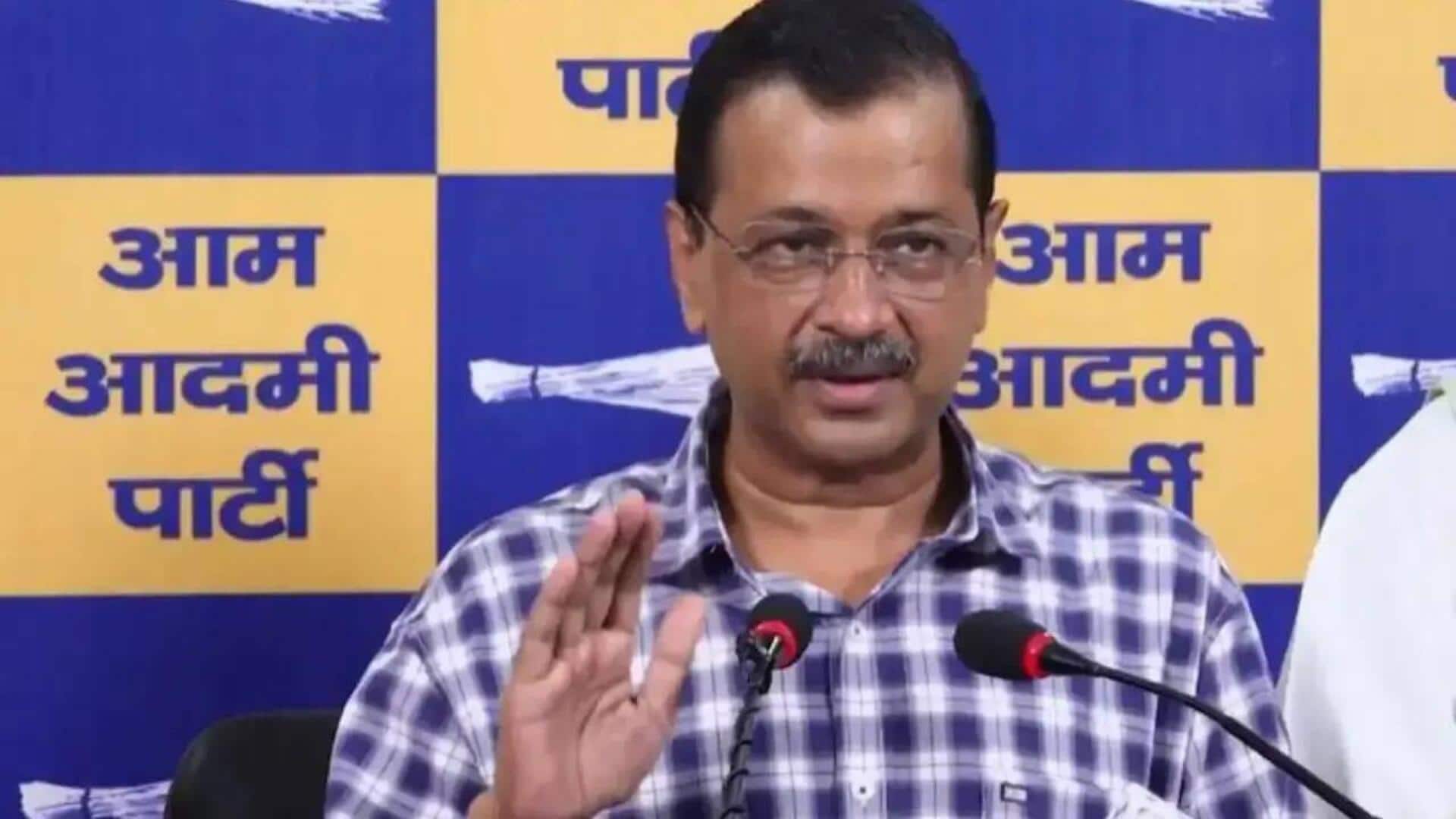
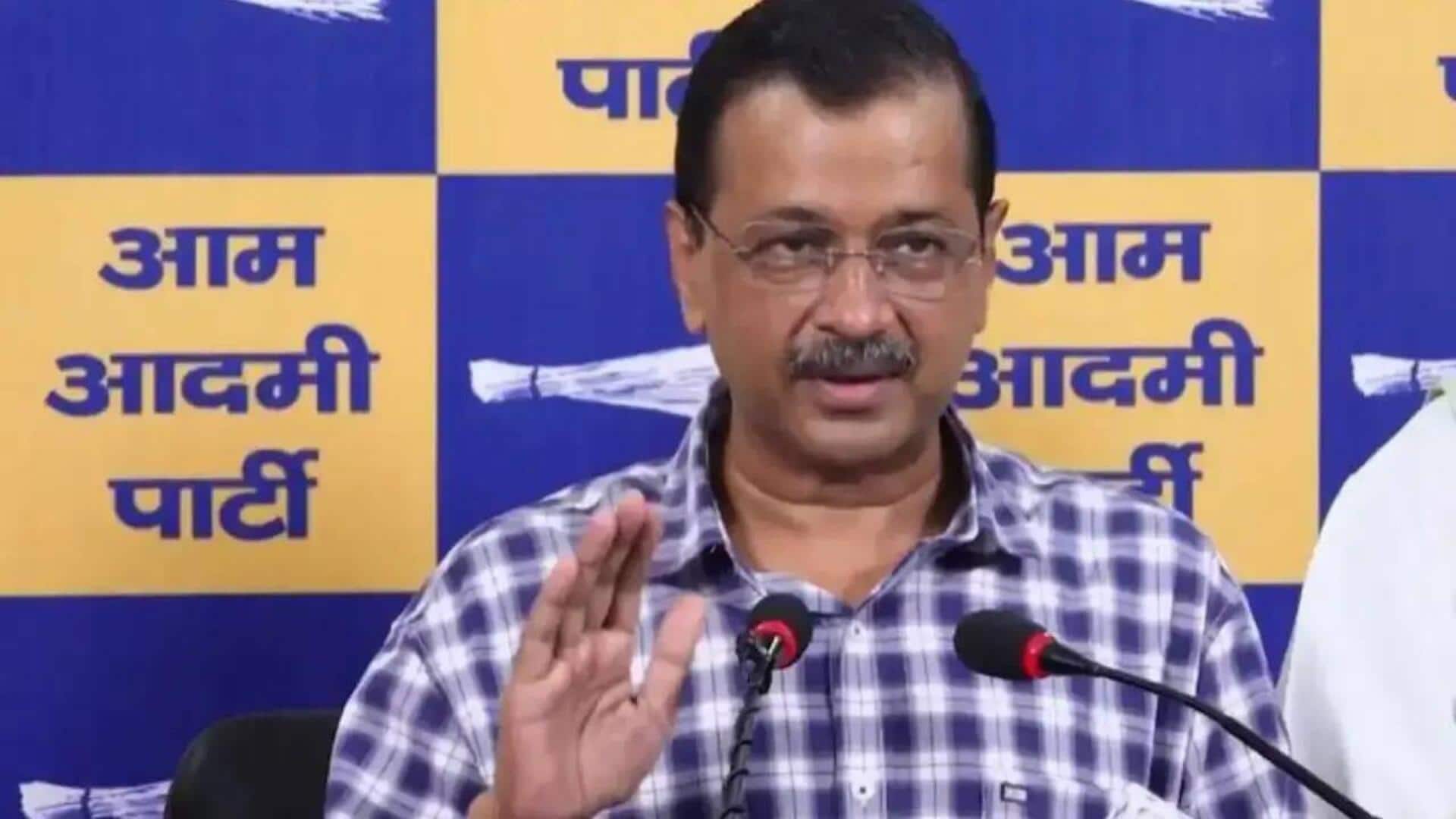
Former Delhi Chief Minister Arvind Kejriwal has taken a swipe at Prime Minister Narendra Modi’s recent call to buy indigenous products. In a post on X (formerly Twitter), the Aam Aadmi Party (AAP) leader questioned why PM Modi does not follow his own advice by using Swadeshi products himself.

Writing in Hindi, Kejriwal said, “The foreign aircraft you travel on daily, why not give it up?” He further challenged the Prime Minister, saying people expect concrete action rather than just sermons.

Kejriwal pressed Modi on why, if he is serious about promoting Swadeshi, he has not taken steps to shut down American companies operating in India. “Why don’t you take some action too? People expect action from their prime minister, not sermons,” he added.

This critique comes shortly after PM Modi’s address to the nation on Sunday, where he urged citizens to embrace self-reliance and reduce dependence on foreign goods.

### GST 2.0 Announcement

During his address, PM Modi announced a significant overhaul of the Goods and Services Tax (GST) system, dubbed ‘GST 2.0.’ The new framework introduces two primary tax rates of 5% and 18%. Meanwhile, ultra-luxury and sin goods will attract a higher tax rate of 40%.

Describing the rollout as a “GST saving festival,” Modi emphasized that the reforms aim to ease consumer burdens while boosting domestic consumption and production.

### Navratri Message: Linking Festival with Self-Reliance

On Monday, PM Modi took to X once more to share his Navratri message, connecting the festival’s spirit to the theme of self-reliance. He wrote:

_”This time, the auspicious occasion of Navratri is very special. Along with the GST savings festival, the mantra of self-reliance will gain new energy during this period.”_

He called upon citizens to come together for the collective goal of building a developed and self-reliant India.

*Stay tuned for more updates on this unfolding political exchange and the implications of the new GST framework.*
https://www.newsbytesapp.com/news/politics/give-up-foreign-jet-kejriwal-targets-pm-after-swadeshi-call/story

‘Give up…foreign jet’: Kejriwal jabs Modi on buy Swadeshi call

**‘Give up foreign jet’: Kejriwal Jabs Modi on Swadeshi Call**

*By Snehil Singh | Sep 22, 2025 | 02:11 PM*

Former Delhi Chief Minister Arvind Kejriwal has taken a swipe at Prime Minister Narendra Modi’s recent call for citizens to buy indigenous products. In a post on X (formerly Twitter), the Aam Aadmi Party (AAP) leader questioned why the Prime Minister does not lead by example by using Swadeshi products himself.

“Why don’t you give up the foreign aircraft you travel on daily?” Kejriwal wrote in Hindi, challenging Modi to practice what he preaches.

### Criticism: “People Expect Action, Not Sermons”

Kejriwal further urged PM Modi to back up his Swadeshi push with concrete actions. He questioned why the government hasn’t taken steps to shut down American companies operating in India if it is truly serious about promoting domestic products.

“Why don’t you take some action too? People expect action from their Prime Minister, not sermons,” Kejriwal added.

### Background: Modi’s Push for Self-Reliance

This critique comes in the wake of PM Modi’s recent address to the nation, in which he urged citizens to embrace self-reliance and reduce dependence on foreign goods. Modi’s call is part of a broader vision to make India more self-sufficient and promote domestic industries.

### GST 2.0 Announcement

During his address, PM Modi also announced a major overhaul of the Goods and Services Tax (GST), branded as “GST 2.0.” The new tax framework will have two main rates: 5% and 18%. Additionally, ultra-luxury and sin goods will attract a higher tax rate of 40%. The Prime Minister described this rollout as a “GST savings festival,” aimed at easing consumer burdens while boosting domestic consumption and production.

### Navratri Message: Linking Festival to Self-Reliance

On Monday, PM Modi took to X to share a special Navratri message that connected the festival’s spirit with the mantra of self-reliance. He wrote:

*”This time, the auspicious occasion of Navratri is very special. Along with the GST savings festival, the mantra of self-reliance will gain new energy during this period.”*

The Prime Minister called for collective efforts towards building a developed and self-reliant India during this festive season.

*Stay tuned for more updates on the GST reforms and the Swadeshi movement.*
https://www.newsbytesapp.com/news/politics/give-up-foreign-jet-kejriwal-targets-pm-after-swadeshi-call/story

Gatwick second runway plan approved by transport secretary

**Gatwick Second Runway Plan Approved by Transport Secretary**

*By Katy Austin, Transport Correspondent and Jamie Whitehead, BBC News*

Transport Secretary Heidi Alexander has approved plans for a second runway at London Gatwick Airport, marking a significant step as the government seeks new opportunities for economic growth.

The £2.2 billion privately-financed project essentially involves moving the current Northern Runway 12 metres to bring it into regular use, alongside other developments including terminal expansions. The airport says the plans will create jobs and boost the local economy.

Gatwick currently handles around 280,000 flights annually. The new plan would increase this number to approximately 389,000 flights by the late 2030s. A government source described the plan as a “no-brainer for growth,” adding that it is possible planes could be utilising a new full runway at Gatwick before the next general election.

Located in West Sussex, London Gatwick is currently Europe’s busiest single-runway airport, serving over 40 million passengers a year. The approved plans would add 40,000 more flights before the second runway opens, rising to 70,000 additional flights—nearly 190 per day—once the runway is fully operational. This expansion could see passenger numbers rise to as many as 80 million.

Currently, the Northern Runway is used only for taxiing or as a backup. The new second runway will primarily serve short-haul flights, while freeing up capacity on the main runway for more long-haul services.

The decision to approve the expansion was anticipated in February, when the transport secretary expressed that she was “minded to grant consent” for the Northern Runway planning application. Planning inspectors had raised concerns about the potential impact of the proposals on the surrounding area, including traffic congestion and noise pollution.

In response, in April Gatwick Airport agreed to implement stricter noise controls, an enhanced insulation scheme for nearby residents, and a target of having 54% of air passengers use public transport before the Northern Runway opens. To achieve this, the airport acknowledged that third parties, including the Department for Transport, would need to support the delivery of necessary infrastructure improvements—such as reinstating the full Gatwick Express rail service.

Before the Covid-19 pandemic, the Gatwick Express offered four non-stop trains per hour between the airport and London Victoria. This was reduced to two trains per hour in 2022.

To address road congestion concerns, Gatwick Airport has also proposed a cap on cars on the road if the 54% public transport target is not met prior to the runway’s first use. If neither the target nor the road traffic limit can be achieved, the runway plans would be delayed until £350 million in road improvements are completed. The airport stated this would ensure additional traffic flows can be accommodated without causing congestion.

A government source said, “This government has taken unprecedented steps to get this done, navigating a needlessly complex planning system, which our reforms will simplify in future.” They added, “Any airport expansion must be delivered in line with our legally binding climate change commitments and meet strict environmental requirements.”

However, there is strong opposition to the expansion, particularly from climate campaigners. Following the approval announcement, new Green Party leader Zack Polanski called it a “disaster for the climate crisis.”

In February, Greenpeace UK policy director Douglas Parr argued the extension would not drive economic growth. “The only thing it’s set to boost is air pollution, noise, and climate emissions,” he said.

Alex Chapman, senior economist at the left-leaning think tank New Economics Foundation, also contended the expansion would not create new jobs but rather shift them from other parts of the country. “People are already perfectly able to catch cheap flights on holiday or travel for business,” he added.

Unite the Union general secretary Sharon Graham voiced support for Gatwick having a second runway but cautioned it must come with “guarantees of well-paid, unionised jobs and proper facilities for workers.”

*This article will be updated as further developments occur.*
https://www.bbc.com/news/articles/c9v7rz24z23o?at_medium=RSS&at_campaign=rss

GST rate cuts take effect tomorrow: What’s getting cheaper

**GST Rate Cuts Take Effect Tomorrow: What’s Getting Cheaper**

*By Akash Pandey | Sep 21, 2025, 03:39 PM*

The Goods and Services Tax (GST) Council’s decision to cut rates on nearly 375 items will come into effect from tomorrow, September 22. This move is set to make a wide range of products—including kitchen staples, electronics, medicines, and automobiles—more affordable for consumers across the country.

### Sectoral Impact: Price Cuts Expected Across Consumer Goods

The GST rate cut will benefit multiple sectors. Daily-use food items such as butter, namkeen, ketchup, jam, dry fruits, coffee, and ice cream are expected to become cheaper. Electronics like TVs, air conditioners, and washing machines will also see price reductions. Several FMCG companies have already begun revising their prices in anticipation of the lower tax burden on these products.

### Healthcare: Medicines to Become More Affordable

The healthcare sector stands to gain significantly. Most medicines, formulations, and medical devices—such as glucometers and diagnostic kits—will now attract a GST rate of 5%. This reduction is expected to ease medicine costs for households. Pharmacies have been directed to either revise maximum retail prices or sell medicines at rates reflecting the new lower tax.

### Construction, Automotive Sectors to Benefit

Builders and homebuyers will also benefit from the GST rate cut, with cement’s tax rate reduced from 28% to 18%. The automobile sector is among the biggest beneficiaries: buyers of small cars will now pay 18% GST, while bigger models will attract 28%, a notable reduction from previous rates. This move is expected to boost demand in the automotive market.

### Services: Tax Cuts for Everyday Services and Household Staples

The services sector will also see benefits. Salons, beauty parlors, yoga studios, gyms, and health clubs will now be taxed at 5% without input credit, down from the earlier 18% with credit. Household staples such as hair oil, soaps, shampoos, toothbrushes, and toothpaste are also expected to become more affordable due to the lowered tax rate.

### Simplified GST Structure: Moving to a Two-Rate System

Alongside the rate cuts, the GST Council has simplified the tax structure into a largely two-rate system — 5% and 18%. Ultra-luxury goods will continue to attract a higher tax of 40%, while tobacco and related products will remain in the 28% slab with an additional cess. This marks a shift from the current four-slab system of 5%, 12%, 18%, and 28%, simplifying compliance and rate management.

Overall, the GST rate cuts coming into effect tomorrow aim to lighten the tax burden on consumers and businesses alike, promoting affordability and stimulating demand across various sectors. Stay tuned for more updates on pricing changes as companies revise their rates in line with the new GST norms.
https://www.newsbytesapp.com/news/business/new-gst-rates-on-375-items-come-into-effect-tomorrow/story

FPIs pull ₹7,945cr from Indian equities, net outflows ₹1.4L crore

**FPIs Withdraw ₹7,945 Crore from Indian Equities; Net Outflows Cross ₹1.4 Lakh Crore in 2025**

*By Akash Pandey | Sep 21, 2025, 02:18 PM*

Foreign Portfolio Investors (FPIs) have pulled out ₹7,945 crore from Indian equities so far in September. This continued sell-off is largely driven by global uncertainties, including tariffs and ongoing geopolitical tensions.

The trend follows significant outflows seen in previous months, with FPIs withdrawing ₹34,990 crore in August and ₹17,700 crore in July. Overall, FPI sell-offs in Indian equities have reached a staggering ₹1.38 lakh crore in 2025, according to the latest data.

### Looking Ahead: Signs of Moderation in Selling

Market experts are closely monitoring upcoming macroeconomic data from both India and the United States, along with tariff negotiations. These factors are poised to influence FPI flows in the near term.

Despite remaining net sellers in September with cumulative equity outflows of ₹7,945 crore through September 19, FPIs have displayed some moderation in their selling behavior recently.

### Impact of the Fed’s Rate Cut on Market Liquidity

Following the US Federal Reserve’s decision to cut interest rates by 25 basis points, FPIs briefly turned net buyers last week, purchasing equities worth ₹900 crore during this period.

“For the current week, FPIs bought Indian equities worth ₹900 crore on the back of the Fed’s rate cut,” said Vaqarjaved Khan, Senior Fundamental Analyst at Religare Broking Ltd. He added that two more rate cuts are projected in 2025, which could significantly enhance liquidity in global markets.

### Investor Sentiment Bolstered by Easing Trade Tensions

Himanshu Srivastava from Morningstar Investment Research India observed a “modest but noticeable return” of foreign investors to Indian equities last week. He attributed this shift to the Fed’s dovish stance, easing US-India trade frictions, and a stable macroeconomic outlook in India.

However, Srivastava cautioned that persistent global uncertainties and geopolitical risks continue to temper investor enthusiasm, keeping FPI flows cautious.

### Market Strategy: FPIs Diversify into Debt Markets

V K Vijayakumar from Geojit Financial Services pointed out that the FPI selling trend in India has coincided with buying activity in other Asian markets such as Hong Kong, Taiwan, and South Korea. This strategy has been profitable this year but may evolve going forward.

Additionally, debt markets in India have seen FPI investment, with inflows of approximately ₹900 crore under the general limit and ₹1,100 crore through the voluntary retention route.

**In summary, while FPIs continue to withdraw from Indian equities amid global uncertainties, recent developments such as the Fed’s rate cuts and easing trade tensions offer potential for stabilization and renewed foreign investment flows in the near future.**
https://www.newsbytesapp.com/news/business/fpis-pull-out-8-000cr-from-equities-in-september/story

Alternative financing for human capital

An analysis of the public expenditure reviews from 2017-22 reveals that child-focused spending by provincial governments is not aligned with their budgetary commitments. Public finance constraints, driven by large debt servicing expenditures, are curtailing social sector investment. Currently, public spending on education is limited to only 2% of GDP, health at 1%, and social protection at 1%.

The future of nearly 40% of our population—currently below the age of 18—is at stake due to inadequate investment in human capital development. According to the IMF, Pakistan faces a social sector financing gap equivalent to 16.1% of its GDP to meet the Sustainable Development Goals (SDGs) by 2030. Although fiscal deficits improved with the Extended Fund Facility, public finance remains insufficient to meet UN benchmarks and the required social sector spending.

**Revenue Distribution and Fiscal Challenges**

The revenue distribution mechanism under the National Finance Commission (NFC) Award is equally important, as the provinces rely heavily on federal transfers for social spending. Besides debt repayments, low-to-moderate GDP growth, and limited revenue generation, other factors aggravate the fiscal challenge. These include covariate shocks such as recurring climate disasters and demographic pressure.

Consequently, about 26 million children are currently out of school. Multi-dimensional poverty has surged to 40% of the population, meaning any further reduction in social spending risks pushing more people into intergenerational poverty.

Amid global austerity measures, official development assistance (ODA) sharply declined in 2025. Therefore, it is increasingly important for federal and provincial governments, alongside civil society, to diversify financing sources and develop expertise in alternative financing for sustainable social sector investments. New policy instruments and innovative models must be adopted to expand fiscal space.

**A Paradigm Shift in Social Spending**

There is a pressing need to approach social spending as an investment in future generations. Traditional views often perceive social spending as charity or welfare, which is no longer adequate to meet the scale of Pakistan’s challenges. A fundamental paradigm shift is required to reconceptualize this spending as a high-return investment in future human capital.

### Policy Instruments and Reforms

1. **Redesign Financing Structures with Results-Based Approaches**

Financing strategies should be multi-layered, integrating traditional and non-traditional financing models as well as international funding aligned with national goals and medium-term budget frameworks. Incorporating results-based financing treats social spending as a high-return investment in human capital.

This shift will pave the way to expand the fiscal pool by attracting private capital investments through social impact bonds and other innovative instruments. Successful pilot projects can then be scaled up effectively.

2. **Align Policy Goals and Prioritize Social Sector through a Child Rights Lens**

Currently, fiscal policy has been reactionary rather than proactive in addressing children’s constitutional rights. There is a lack of long-term, sustainable financing approaches to fuel resilience and productivity.

A positive recent development is the equity and empowerment mandate of URAAN Pakistan, which strives for inclusive and equitable education, health, and nutrition for children. Realizing this vision requires collaboration among all stakeholders to forge long-term development investments alongside immediate emergency responses.

3. **Enhance Utilization and Allocation of Social Sector Spending**

Effective utilization is crucial for sustainability and scalability. Due to the absence of Provincial Finance Commissions, much development expenditure is focused on infrastructure rather than social sector development. The NFC award also requires modification to incorporate explicit provisions for provincial social spending.

4. **Integrate Climate Adaptation Strategies with Social Sector Programs**

There is a strong connection between social sector financing and climate finance, which can be translated into child-focused climate finance alternatives. Pakistan can learn from Malawi’s Climate Health Resilience project, a notable case study in cross-sectoral climate finance.

Education and health projects can link with initiatives in water management, urban resilience, infrastructure, and flood recovery. Achieving this requires capacity building, willingness to reform, and the development of proposals with this integrated approach in mind.

### Innovative and Cost-Effective Financing Models

Many experts advocate for innovative alternative financing models to diversify fiscal resources for social sector investment. Some noteworthy examples include:

– **Blended Finance:** Combines public and philanthropic funds with private capital to mobilize investment for sustainable development, reducing risks for investors. The Global Partnership for Education Multiplier Fund is a successful example.

– **Development Impact Bonds and Social Impact Bonds:** Outcome-based financial instruments where private investment supports social programs, with repayments conditional on achieving results. These bonds enable collaboration among public sectors, private investors, and service providers. For example, the Punjab Skills Development Fund is implementing the first Employment Impact Bond, focusing on imparting future-ready skills to youth.

– **Social Success Notes:** Private investment by social enterprises with returns linked to achieved outcomes.

– **Social Impact Guarantees:** Governments or donors provide guarantees to incentivize private investment. Singapore’s Social Impact Guarantee Program has improved education and employment outcomes for youth.

– **Catastrophe Bonds:** Insurance-linked securities that can support climate adaptation initiatives under Pakistan’s Nationally Determined Contributions (NDCs) to finance disaster response.

Public finance remains indispensable for the social sector. Alternative financing instruments should complement—not replace—public expenditure.

### Debt Swaps and Corporate Sector Engagement

Given high debt servicing costs that surpass social spending, bilateral debt swaps and Debt-for-Child Buybacks present strong opportunities. Pakistan could renegotiate bilateral debts to replace repayments with commitments for investment in social and sustainable development programs.

Egypt’s recent debt swap with Germany, where resources are committed toward welfare programs, serves as a successful example. Pakistan can similarly implement Debt-for-Child Buybacks to direct funds toward child health, education, and wellbeing.

The private sector should adopt a long-term, outcome-driven approach to corporate social responsibility (CSR) and philanthropy, aligning initiatives with national development goals. Instead of one-off projects, investments must focus on measurable social impact. The Indus Hospital Network exemplifies how sustained, strategic healthcare philanthropy can support vulnerable populations effectively.

### Revenue Generation and Program Sustainability

– The **Sehat Sahulat Programme** should evolve from a non-contributory to a contributory model to ensure long-term sustainability and improved healthcare quality.

– Levies on tobacco and soft drinks can generate dedicated revenue for child-focused health and nutrition programs while also discouraging consumption of harmful products.

### Conclusion

Recent floods and their devastating impact on children underscore that traditional approaches—often seen as mere charity or welfare—are insufficient. A fundamental shift is needed to reconceptualize social spending as a high-return investment in Pakistan’s future human capital.

The sustainability and scalability of social sector investments will ultimately depend on their alignment with local needs and contexts, as well as their integration with national and sustainable development goals.

By adopting innovative financing models, enhancing policy alignment, and leveraging both public and private resources, Pakistan can build resilient social sectors that secure a brighter future for its children.
https://www.thenews.com.pk/tns/detail/1345119-alternative-financing-for-human-capital

Indore Commodities Buzz Of September 20: Price Of Gold, Silver And Pulses– All You Need To Know

**Market Rates Update – September 20, 2025 (Saturday)**

**Chana**
– Indore Chana: Rs 5,950 per quintal

**Toor**
– Maharashtra: Rs 6,600 – Rs 6,700 per quintal
– Karnataka: Rs 6,700 – Rs 6,800 per quintal
– Nimari: Rs 6,000 – Rs 6,500 per quintal

**Moong**
– Best Quality: Rs 8,100 – Rs 8,300 per quintal
– Average Quality: Rs 6,500 – Rs 6,700 per quintal

**Urad**
– Best Quality: Rs 7,200 – Rs 7,500 per quintal
– Medium Quality: Rs 6,200 – Rs 6,700 per quintal
– Light Quality: Rs 3,000 – Rs 5,000 per quintal

**Mustard**
– Nimari Mustard: Rs 7,000 – Rs 7,100 per quintal

**Raida**
– Rs 6,600 per quintal

**Soyabean**
– Best Quality: Rs 4,400 per quintal

**Precious Metals**
– Gold (24K): Rs 105,000 per 10 grams
– Silver: Rs 1,43,000 per kilogram

*For related updates, read also: [Madhya Pradesh July 23 Weather Update: State Braces For Heavy Rain; Orange Alert In 10 Districts]*
https://www.freepressjournal.in/topnews/indore-commodities-buzz-of-september-20-price-of-gold-silver-and-pulses-all-you-need-to-know

Indore Commodities Buzz Of September 20: Price Of Gold, Silver And Pulses– All You Need To Know

**Market Rates Update – September 20, 2025 (Saturday)**

Here is the latest update on commodity rates per quintal across various regions:

**Chana (Indore)**
– Rs 5,950

**Toor**
– Maharashtra: Rs 6,600 – Rs 6,700
– Karnataka: Rs 6,700 – Rs 6,800
– Nimari: Rs 6,000 – Rs 6,500

**Moong**
– Best Quality: Rs 8,100 – Rs 8,300
– Average Quality: Rs 6,500 – Rs 6,700

**Urad**
– Best Quality: Rs 7,200 – Rs 7,500
– Medium Quality: Rs 6,200 – Rs 6,700
– Light Quality: Rs 3,000 – Rs 5,000

**Mustard (Nimari)**
– Rs 7,000 – Rs 7,100

**Raida**
– Rs 6,600

**Soyabean**
– Best Quality: Rs 4,400

**Precious Metals**
– Gold (24K): Rs 105,000 per 10 grams
– Silver: Rs 1,43,000 per kilogram

*Stay tuned for more updates on commodity prices and market trends.*

**Related Read:**
*Madhya Pradesh July 23 Weather Update: State Braces For Heavy Rain; Orange Alert In 10 Districts*
https://www.freepressjournal.in/topnews/indore-commodities-buzz-of-september-20-price-of-gold-silver-and-pulses-all-you-need-to-know

Federal Reserve’s Milan Advocates Rapid Interest Rate Cuts

Federal Reserve Governor Stephen Milan Advocates for Quicker Interest Rate Cuts, Impacting Financial and Crypto Markets

Federal Reserve Governor Stephen Milan, confirmed by the Senate on September 16, 2025, is pushing for faster interest rate reductions, suggesting cuts ranging from 50 to 150 basis points. His dovish stance marks a potential shift in monetary policy that could significantly influence financial markets, encouraging rallies in risk assets.

**Stephen Milan’s Policy Proposal and Economic Outlook**

Stephen Milan’s appointment to the Federal Reserve signals a change in direction compared to the current consensus among policymakers. He believes that the interest rate should be cut by at least 50 basis points, according to reports from CoinTech2U. His proposal for a 50 to 150 basis point reduction highlights a more accommodative outlook for the U.S. economy.

This approach could affect treasury yields and drive increased money flow into riskier assets, impacting both traditional financial markets and the rapidly evolving cryptocurrency sector. The anticipated increase in liquidity may serve as a catalyst for higher asset valuations.

**Implications for the Cryptocurrency Market**

Although official comments from cryptocurrency leaders remain limited, Milan’s stance has not gone unnoticed within the crypto community. Historically, Federal Reserve decisions on interest rates have triggered widespread discussions regarding economic conditions and monetary policy.

Cryptocurrencies like Bitcoin (BTC) and Ethereum (ETH) often respond to such shifts, with previous rate cuts correlating with asset inflation and bullish trends. This connection suggests that Milan’s proposed policy could directly affect digital asset prices.

**Crypto Market Dynamics and Current BTC Performance**

Federal Reserve actions, including proposed rate cuts like those advocated by Milan, tend to create ripple effects across crypto markets. These moves can drive valuations higher amid broader economic adjustments and monetary shifts.

Currently, Bitcoin is exhibiting notable trading dynamics, priced at $115,701.26 with a market capitalization of $2.31 trillion. Over the past 90 days, BTC has increased by 12.89%, despite experiencing a minor 1.24% decline in the last 24 hours, according to data from CoinMarketCap.

**Conclusion**

Stephen Milan’s push for accelerated interest rate cuts underscores a more dovish Federal Reserve policy outlook. This shift could foster stronger liquidity inflows into risk assets, benefiting both traditional markets and digital assets like BTC and ETH. Investors and market watchers should closely monitor Federal Reserve meetings and statements for further insights into the evolving economic landscape and its effects on crypto valuations.
https://bitcoinethereumnews.com/tech/federal-reserves-milan-advocates-rapid-interest-rate-cuts/?utm_source=rss&utm_medium=rss&utm_campaign=federal-reserves-milan-advocates-rapid-interest-rate-cuts

Exit mobile version
Sitemap Index