APE Smashes Past $0.2, BONK Rips Higher – APEMARS Presale Goes Live With 22,300% ROI As The Best Crypto to Invest in

Searching for the Best Crypto to Invest In? Compare APEMARS (PRZ) Banana Boost Stage 3 Presale with ApeCoin and Bonk

Are you feeling that crypto mood shift again, or are you still waiting for the “perfect time”? In 2026, memes move markets, communities move faster, and early entry windows can close in a blink. That is why investors are hunting for the best crypto to invest in, keeping both big-name tokens and brand-new presales on their watchlist.

Today, we compare APEMARS (PRZ), ApeCoin, and Bonk in one clear story.

Understanding the Market Players

ApeCoin feels like a big clubhouse token with a strong culture behind it. Bonk comes across as a high-energy meme that thrives on speed and community fun. Meanwhile, APEMARS feels like the new rocket—still in presale—where the earliest buyers try to lock in the smallest price before the crowd arrives.

All three have their own distinct lanes, and none needs to be dismissed to understand where the freshest opportunity might be.

The Best Crypto to Invest In: APEMARS Stage 3 Is Live, and the Timer Feels Loud

APEMARS (PRZ) enters the meme coin arena with a simple promise: get in early, build community fast, and let the presale stages reward action. Currently, the presale is active in Banana Boost Stage 3, priced at just $0.00002448. With 350+ holders, over $74k raised, and more than 3.6 billion tokens sold, momentum is clearly building while the entry price remains tiny.

This is where the FOMO (Fear Of Missing Out) becomes real. The presale runs on both stages and a countdown timer that waits for no one. The token supply is not endless. If tokens sell out before the timer expires, the system automatically updates, and the next stage begins immediately. That means the price changes, the cheap window disappears, and late buyers step in at a higher entry price.

In simple terms: if you wait until everyone else is cheering, you might pay more for the same ticket.

Token Utilities Made Simple

APEMARS incorporates a burning mechanism, which means some tokens are permanently removed from circulation over time. Picture a toy box where a few toys are taken out forever, making the remaining toys rarer and more special. This scarcity is designed to increase token value over time.

Additionally, presale stages act like steps on a staircase. Each step represents a new stage, usually with a higher price. Therefore, early stages offer a key advantage, making your entry price crucial.

The “Banana Boost Dream Math” Scenario

Imagine investing $3,333 into APEMARS during Banana Boost Stage 3 at a price of $0.00002448 per token. This would purchase approximately 136,151,961 tokens. If the price later rises to $0.0055, those tokens could be worth about $748,836.

While this is not guaranteed, it explains the excitement surrounding early presale participation. Presales allow everyday investors to dream big with smaller initial investments, and APEMARS is designed to amplify that “early entry” feeling.

How to Buy APEMARS

  1. Visit the Official APEMARS Website.
  2. Connect your cryptocurrency wallet.
  3. Select your preferred payment option.
  4. Enter the amount you wish to invest.
  5. Confirm the transaction in your wallet.
  6. Save your confirmation details to track your allocation.

ApeCoin Slides Near $0.2108 Despite 4.71% Weekly Lift

ApeCoin (APE) currently ranks #181 and is trading at around $0.2108 after a 4.71% weekly increase. It has about 332,000 wallets linked and approximately 185,900 active holders.

The market cap stands at roughly $158.7 million after a slight 1.01% shift, with an unlocked market cap of $201.62 million and a Fully Diluted Valuation (FDV) of $210.85 million, reflecting the token’s higher valuation when considering full supply. This gap can influence short-term sentiment.

In the last 24 hours, ApeCoin posted a trading volume of $12.2 million with a 0.91% change, resulting in a volume-to-market-cap ratio of 7.68%. This suggests moderate but cautious trading interest compared to more active large-cap cryptocurrencies.

ApeCoin has a total and max supply of 1 billion APE tokens, with 752.65 million currently circulating. Remaining supply releases may influence price dynamics as market conditions evolve.

Bonk Jumps to $0.00001085 as 7.02% Weekly Surge Accelerates

Bonk (BONK) ranks #66 with around 371,000 holders, trading at $0.00001085 following a 7.02% weekly surge.

Market cap currently sits at $955.58 million, up 3.14%, with an FDV of $962.62 million. This close alignment between market cap and FDV means price movements tend to closely follow short-term market sentiment.

In the last 24 hours, BONK recorded $116.72 million in trading volume—an 86.38% spike—pushing the volume-to-market-cap ratio to 12.24%. This elevated turnover highlights strong speculative interest and fast-moving trades during momentum phases.

Bonk’s total supply is approximately 87.99 trillion tokens, with a max supply close to 88.87 trillion tokens, nearly all already circulating. This supply structure can intensify price reactions to demand shifts.

Final Words

ApeCoin and Bonk are both respected tokens in the meme coin culture, celebrated for their vibrant communities and market recognition. Many investors prefer keeping such familiar names on their watchlist.

APEMARS (PRZ) introduces a different kind of excitement because it remains in the presale phase where timing matters most. Early participation can create the largest gap between a low entry price and future possibilities.

If you want the best crypto to invest in based on early opportunity, do not wait for the crowd to catch up. The presale timer won’t pause, and once stages sell out, the system advances automatically. Late entries typically cost more, and that’s where regret often starts.

Call to Action: Visit the Official APEMARS Website and join Banana Boost Stage 3 today before the next stage begins.

For More Information

FAQs About the Best Crypto to Invest In

What makes a crypto the best investment in 2026?

The best crypto to invest in usually combines strong community interest, clear token mechanics, and perfect timing. In 2026, many investors mix established meme coins with presales for early-entry upside.

Is APEMARS (PRZ) better than ApeCoin or Bonk?

APEMARS (PRZ) offers a different kind of opportunity because it is still in presale. ApeCoin and Bonk are already live on the market. Presales like APEMARS focus on rewarding early entry windows.

How do presale stages benefit APEMARS buyers?

Presale stages provide a structured entry ladder. Earlier stages usually offer lower prices, while later stages tend to increase costs, rewarding early participants.

Can I invest in PRZ with a small budget?

Yes. Many presale buyers start small because of the low token price. Even a small budget can purchase a large number of tokens, making APEMARS attractive to everyday investors.

Why are token burns important for APEMARS and other meme coins?

Burns reduce the circulating supply over time. A lower supply combined with sustained demand creates scarcity, which can support stronger price appreciation, especially during hype cycles and token listings.


This publication is sponsored and written by a third party. Coindoo does not endorse or assume responsibility for the content, accuracy, quality, advertising, products, or any other materials on this page. Readers are encouraged to conduct their own research before engaging in any cryptocurrency-related activities. Coindoo will not be liable, directly or indirectly, for any damages or losses resulting from the use of or reliance on any content, goods, or services mentioned here.

About the Author

Alexander Zdravkov is a reporter at Coindoo and a crypto enthusiast with more than three years of experience. Known for digging into the logic behind market trends, Alexander skillfully identifies new developments in the world of digital currencies, delivering both in-depth analysis and daily reports with insight and enthusiasm.

https://coindoo.com/ape-smashes-past-0-2-bonk-rips-higher-apemars-presale-goes-live-with-22300-roi-as-the-best-crypto-to-invest-in/


Is Retail Crypto Dying? Crypto YouTube Views Hit Lowest Levels Since Early 2021

**Crypto YouTube Views Plummet to Early 2021 Levels Amid Retail Investor Exodus**

Views of crypto content on YouTube have collapsed to levels not seen since early 2021, signaling extreme retail exhaustion in the digital asset space. Investors appear to be abandoning speculative “stories” in favor of more tangible returns found in traditional assets such as gold and silver.

High-profile scams and Bitcoin’s -7% return last year have severely damaged trust among casual traders. As a result, the digital landscape for crypto enthusiasts has suddenly become much quieter.

### Crypto YouTube Viewership Hits a Five-Year Low

For the first time in half a decade, crypto-related YouTube viewership has plunged to levels reminiscent of the very start of the 2021 bull run. This insight comes from ITC Crypto founder Benjamin Cowen, who recently tracked a 30-day moving average across all major crypto channels. His data reveals a clear and dramatic collapse in engagement over the past three months.

### Understanding the Drop in Crypto YouTube Engagement

The decline in crypto YouTube viewership is widespread, with creators across the board reporting that their numbers have “fallen off a cliff.” Well-known personalities have noted that this drop-off became very noticeable starting in October, coinciding with the $19 billion market crash.

Even during price movements, viewers’ comments and likes remain flat. This suggests that the core audience—those who typically drive hype—are no longer watching. In previous years, high market volatility would attract millions of viewers seeking quick price targets and trading insights. Today, that excitement has largely dissipated.

This trend underscores a significant market shift: while institutions are increasingly buying Bitcoin via ETFs, everyday retail investors have taken a back seat.

### Retail Investors Shift Focus to Gold and Traditional Assets

One major factor behind the low YouTube viewership is a shift in investment preferences. Many retail investors had a tough year. Despite hopes for new highs, Bitcoin ended the year with a -7% return. Meanwhile, traditional safe-haven assets such as gold, silver, and even rarer metals like palladium outperformed the leading cryptocurrency.

Investors are now prioritizing steady returns over speculative narratives. For years, crypto creators promoted stories of future gains that might take years to materialize. Today, investors want immediate results. This shift has sparked a generational change, with even younger traders buying gold bars and coins.

Google Trends data supports this development, showing that “buy gold” searches have consistently outpaced “buy Bitcoin” searches over the last year.

### The Heavy Toll of Scams and Liquidations on Trust

Trust is fragile in the crypto space, and it has taken a heavy hit. TikTok creator Cloud9 Markets highlights the endless cycle of scams as a key reason for declining engagement. Retail traders are simply “tired of getting rekt”—losing their savings to “pump and dump” schemes involving worthless crypto tokens.

After suffering losses once or twice, many viewers stop seeking new content altogether.

The market shock on October 10 also played a major role. This flash crash triggered $20 billion in liquidations in just one day, wiping out thousands of small accounts. The resulting “extreme fear” left remaining traders reluctant to engage, further silencing the community.

### Institutional Control and Changing Market Dynamics

While YouTube viewership is down, the crypto market itself is far from dead—it has simply changed hands. Analysts believe institutions are the primary drivers of price action now. Unlike retail traders, these large firms do not rely on YouTube “moon” videos to make decisions. Instead, they use professional analytical tools and hire expert analysts.

This shift has left the social media side of crypto feeling like a ghost town compared to the bustling scene of 2021.

**In summary**, the collapse in crypto YouTube viewership highlights a broader transition in the market. Retail investors are growing wary of speculative hype and scams, turning instead to traditional assets for reliable returns. Meanwhile, institutional players dominate the market landscape, using advanced strategies far removed from the retail-driven hype of the past.
https://bitcoinethereumnews.com/crypto/is-retail-crypto-dying-crypto-youtube-views-hit-lowest-levels-since-early-2021/

Funding Radar: EIT commits €70M to strengthen innovation in higher education

The European Institute of Innovation and Technology (EIT) has launched a call for proposals with a total budget of €70 million aimed at strengthening the ties between universities and industry. This initiative aligns with key EU policies, including the Start-up and Scale-up Strategy.

Funded through the EIT’s Higher Education Initiative, the call seeks to support applied projects that help universities transform research in science, technology, engineering, and mathematics (STEM) into market-ready solutions.

Supported activities under this call include:

– Developing university innovation strategies
– Designing and delivering entrepreneurship training
– Mentoring researchers and students
– Establishing technology transfer structures
– Building partnerships between universities and industry
– Supporting early-stage start-ups

The initiative focuses on two main topics to drive innovation and collaboration forward.
https://sciencebusiness.net/news/r-d-funding/european-institute-innovation-and-technology/funding-radar-eit-commits-eu70m-strengthen

Ubisoft will announce its H1 2025-26 earnings results on Friday

The Ubisoft company will officially announce earnings results for the first half of its 2025-26 fiscal year on Friday, November 21. This follows a delay of their release, as well as a halt of trading last week. With the scheduling of this release, many eyes will be on Ubisoft in expectation of a possible major announcement this coming weekend. Ubisoft announced the new schedule for its H1 2025-26 earnings results in a press release from its investor relations website. According to the company, it will announce its earnings figures “no later than before the opening of trading on Friday, 21st November 2025.” Ubisoft alarmed many when it suddenly halted trading on shares and bonds in France in addition to delaying the release of its H1 2025-26 earnings results. Considering Ubisoft share trade is still currently halted, Ubisoft share trading will also resume on Friday, November 21, 2025. However, these sudden halts and delays left many curious as to what is about to happen with Ubisoft from a business standpoint. The company had some success with Assassin’s Creed Shadows earlier this year, but Ubisoft has done little to light up the gaming scene outside of that with several underwhelming launches and high-profile projects either delayed or canceled.
https://www.shacknews.com/article/146893/ubisoft-h1-2026-earnings-results-teaser

Saif Ali Khan makes major real estate move; buys commercial offices worth Rs. 30.75 Crore in Mumbai

Bollywood actor Saif Ali Khan has added yet another prime asset to his real estate portfolio, this time in Mumbai’s thriving commercial district of Andheri East. According to property registration documents, the actor has purchased two office units in the Kanakia Wallstreet building for a total consideration of Rs. 30. 75 crore. Saif Ali Khan makes major real estate move; buys commercial offices worth Rs. 30. 75 Crore in Mumbai The combined area of the newly acquired offices measures 5, 681 sq ft and includes six dedicated parking spaces. The seller of the property is Apiore Pharmaceutical, a US-based pharma company, as reflected in the registration filings. The deal was arranged by Volney, a real estate advisory and investor network firm. The transaction was officially registered on November 18, 2025, with a stamp duty of Rs. 1. 84 crore and a registration fee of Rs. 60, 000. Industry experts note that Andheri East has rapidly emerged as one of Mumbai’s busiest commercial corridors, attracting corporates, global enterprises, and creative firms due to its improved connectivity and infrastructure. Volney’s founder, Rohan Sheth, described the area as a market that combines accessibility with strong rental prospects, adding that it continues to draw long-term investors. Saif’s new commercial investment also places him among several high-profile names who have recently secured space in the vicinity. Elon Musk’s satellite internet company, Starlink Satellite Communications Private Limited, recently leased a 1, 294 sq. ft. office in the nearby Chandivali area for a five-year period, with total rent valued at Rs. 2. 33 crore. Additionally, the same building previously housed leased offices where Hrithik Roshan and Rakesh Roshan acquired three commercial units earlier this year for about Rs. 31 crores through HRX Digitech LLP. Beyond his latest acquisition, Saif Ali Khan is already known for his premium residential and commercial holdings across Mumbai. He currently resides in a high-end apartment in Bandra West, a property he purchased nearly a decade ago for Rs. 24 crores. Records also show that he bought a sprawling 6, 500 sq. ft. apartment in April 2012 for Rs. 23. 50 crore from Satguru Builders, further cementing his presence in the city’s luxury real estate landscape. With his latest investment, the actor continues to strengthen his position not just in cinema but also in Mumbai’s top-tier property market. Also Read: Dining with the Kapoors Trailer: Netflix brings together Bollywood’s first family for a grand tribute to Raj Kapoor BOLLYWOOD NEWS LIVE UPDATES.
https://www.bollywoodhungama.com/news/bollywood/saif-ali-khan-makes-major-real-estate-move-buys-commercial-offices-worth-rs-30-75-crore-mumbai/

Jensen Huang says that ‘without TSMC, there is no NVIDIA’

It’s safe to say that much of the world’s semiconductors run on designs built by Taiwan Semiconductor Manufacturing Co. (TSMC). At the last estimate, the company accounted for about 64 percent of the world’s contract chip manufacturing.

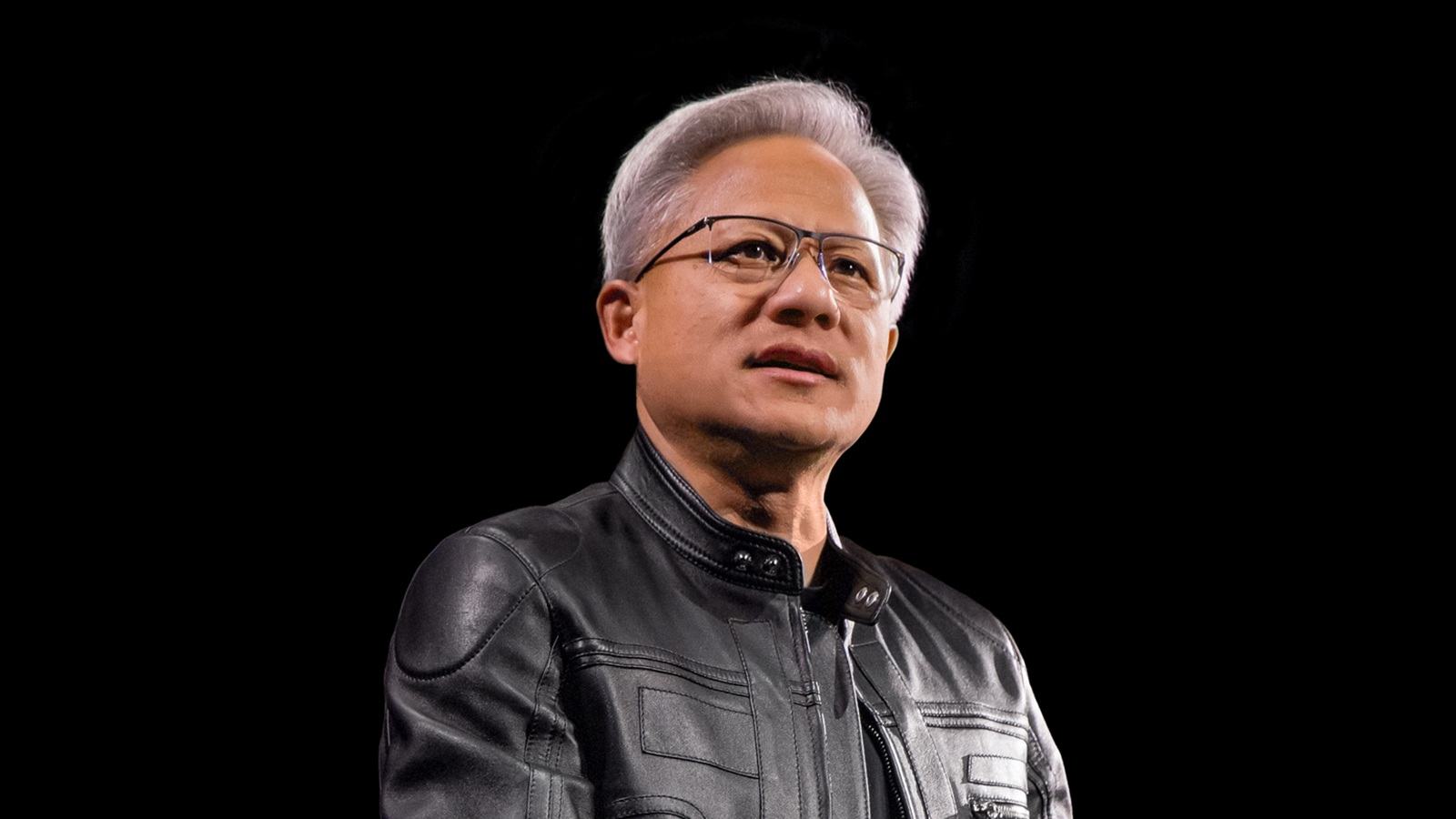
These designs are powering many of the AI technology breakthroughs that NVIDIA is developing. With that in mind, it might come as little surprise that Jensen Huang, NVIDIA’s CEO, had nothing but praise for TSMC during its recent Sports Day event.

Huang went as far as to say that NVIDIA wouldn’t exist without TSMC.

## Jensen Huang Honors TSMC at Sports Day

The comments were made during TSMC’s Sports Day, a recent event held at a stadium in Taiwan, as reported by the online news outlet Focus Taiwan. Huang expressed his admiration for TSMC’s pivotal role in NVIDIA’s history and its broad impact on technology, stating:

> “Without TSMC, there is no NVIDIA today. You are really the pride of Taiwan, you are also the pride of the world. Thank you for helping me build NVIDIA.”

## A Collaborative Partnership Spanning Three Decades

NVIDIA and TSMC have been working closely together for nearly 30 years. NVIDIA has consistently benefited from TSMC’s technological breakthroughs, which are integral to the development of NVIDIA’s cutting-edge products, including the Blackwell AI chips.

With such an extensive history of success, Huang clearly has more than a vested interest in maintaining strong relations with TSMC—especially as the company and the Taiwan region face challenges in trade and export negotiations with the United States government.

This enduring partnership continues to be a cornerstone for innovation in the semiconductor industry and artificial intelligence technology worldwide.
https://www.shacknews.com/article/146757/jensen-huang-tsmc-pride-of-the-world

Jensen Huang says that ‘without TSMC, there is no NVIDIA’

It’s safe to say that much of the world’s semiconductors run on designs built by Taiwan Semiconductor Manufacturing Co. (TSMC). At the last estimate, the company accounted for about 64 percent of the world’s contract chip manufacturing. These designs are also powering many of the AI technology breakthroughs that NVIDIA is spearheading.

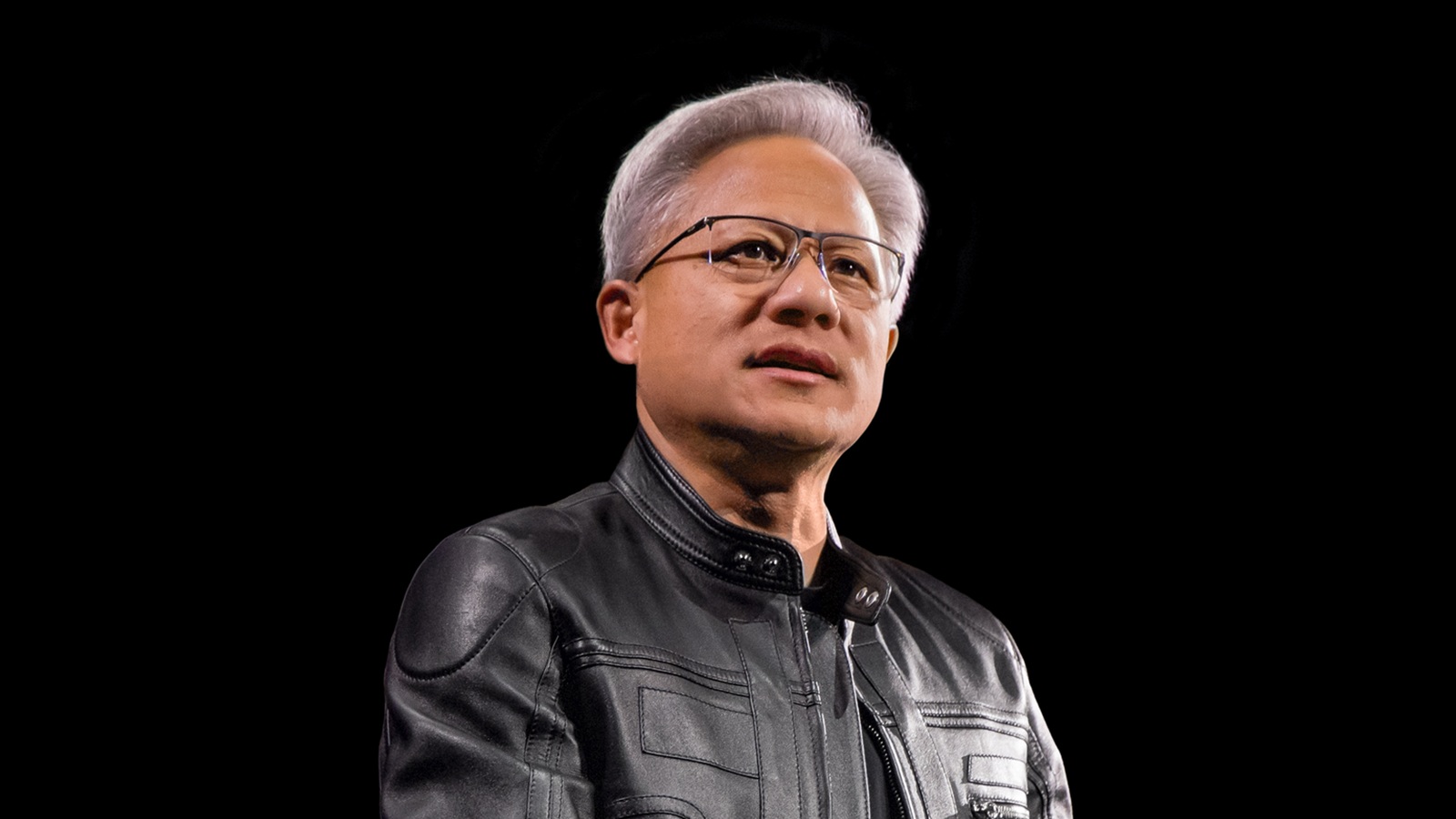
With that in mind, it might come as little surprise that Jensen Huang, NVIDIA’s CEO, had nothing but praise for TSMC during its recent company Sports Day. In fact, Huang went as far as to say that NVIDIA wouldn’t exist without TSMC.

Huang made these comments during TSMC’s Sports Day event, as reported by online news outlet Focus Taiwan. This past weekend, Huang attended the celebration held at a stadium in Taiwan. There, he acknowledged TSMC’s crucial role in NVIDIA’s history and its broader impact on technology:

> “Without TSMC, there is no NVIDIA today. You are really the pride of Taiwan, you are also the pride of the world. Thank you for helping me build NVIDIA.”

NVIDIA and TSMC have been collaborating for nearly 30 years. Throughout this time, NVIDIA has leveraged the technological breakthroughs developed by TSMC in its own products, including NVIDIA’s cutting-edge Blackwell AI chips.

Given this long-standing history and success together, Huang clearly has more than a vested interest in maintaining strong relations with TSMC—especially as the company and the Taiwan region navigate ongoing tensions with the United States government over trade and export policies.
https://www.shacknews.com/article/146757/jensen-huang-tsmc-pride-of-the-world

Coinidol Weekly Crypto News Digest: Market Plunge, BTC vs Gold, and Kazakhstan National Crypto

**Top 5 Most Impactful Cryptocurrency News Stories of the Week**

This week in the cryptocurrency world was marked by a massive market correction that erased most of the year’s gains. However, amidst the volatility, pivotal regulatory and institutional developments highlighted the industry’s ongoing maturation and long-term potential. Here is a review of the top five most impactful crypto news stories from Coinidol.com.

### 1. Market Plunge Wipes Out $400 Billion

The defining event of the week was a severe market downturn that wiped nearly $400 billion from the total crypto market capitalization between November 1st and November 8th. Bitcoin (BTC) briefly dipped below the significant $100,000 mark on November 4th, retreating over 20% from its early October highs and officially entering “bear market” territory.

This slump was driven by a continuation of the liquidation cascade that began in late October, where leveraged long positions were aggressively closed, severely shaking investor confidence. As a result, the total crypto market value fell to approximately $3.45 trillion.

However, by the weekend of November 8th, the market began showing signs of a strong technical rebound. Altcoins such as Ethereum (ETH) and XRP led the recovery, indicating that the worst of the deleveraging could be over.

### 2. JPMorgan Views Bitcoin as “Cheaper Than Gold”

In contrast to the short-term volatility, major institutional players reinforced Bitcoin’s long-term value. On November 6th, JPMorgan analysts published a report stating that Bitcoin now appears “mechanically cheaper than gold” on a volatility-adjusted basis following the recent price crash.

The report emphasized that Bitcoin has “significant upside” potential and suggested that it would need to trade closer to $170,000 to be valued on par with gold’s private sector investment. This assessment strongly supports Bitcoin’s narrative as digital gold and highlights a compelling buying opportunity for investors.

### 3. Central Bank of Ireland Fines Coinbase €21.5 Million

Regulatory enforcement made headlines when the Central Bank of Ireland (CBI) fined Coinbase Europe Limited €21.5 million on November 6th. The penalty resulted from serious failures in the exchange’s Anti-Money Laundering (AML) and Counter Terrorist Financing (CFT) controls.

Specifically, Coinbase’s transaction-monitoring system failed to properly oversee over 30 million transactions valued at more than €176 billion over an extended period. This landmark fine — the CBI’s first against a major crypto-services provider — sends a clear message to all European crypto firms: compliance and robust monitoring systems are mandatory and will be strictly enforced under the incoming MiCA regulatory framework.

### 4. Kazakhstan Aims to Launch National Crypto Fund

In a notable move towards integrating digital assets into sovereign finance, Kazakhstan announced plans to establish a national Cryptocurrency Reserve Fund valued between $500 million and $1 billion.

This fund will strategically invest in ETFs and shares of publicly traded crypto-sector companies, primarily utilizing assets recovered from overseas rather than holding volatile cryptocurrencies directly. Kazakhstan’s initiative positions it among the first nations to officially incorporate digital assets into its sovereign wealth management strategy, leveraging cryptocurrency to diversify the national economy and manage wealth.

### 5. Ripple Labs Secures $500 Million Strategic Funding Round

Institutional investment confidence in crypto infrastructure was underscored by Ripple Labs’ announcement on November 5th of a $500 million strategic funding round. This investment tripled Ripple’s valuation to $40 billion and was backed by prominent Wall Street firms, including Citadel Securities, Fortress Investment Group, and Brevan Howard.

The capital will be used to expand RippleNet, the company’s global payment network, and accelerate the development of its stablecoin infrastructure. This substantial injection of traditional finance capital validates the growing trust in the long-term utility of payment solutions and stablecoins within the crypto ecosystem.

**Conclusion**

Despite a challenging week for cryptocurrency markets driven by a sharp correction, the sector continues to demonstrate resilience. Institutional endorsements, regulatory clarity, and innovative national strategies signal a maturing industry poised for sustained growth.

Stay tuned for more updates and in-depth analysis from Coinidol.com.
https://coinidol.com/digest-market-plunge-btc/

Florida releases nearly $60M to cover missing, frozen voucher funds

Florida Officials Aim to Solve Voucher Program Funding Woes with Nearly $60 Million in Payments

Florida government officials hope that nearly $60 million in payments to families and schools will resolve last year’s financial troubles in the state’s education voucher program. However, lawmakers emphasized Wednesday that fundamental changes are still needed in the way the state and its scholarship funding organizations operate.

“It is my sincere hope that through the work of this subcommittee, together we can explore ways to improve the implementation and administration of our state scholarship programs to ensure that what happened in fiscal year 2024-25 is not repeated going forward,” said Rep. Jenna Persons-Mulicka, R-Fort Myers, chairperson of the House PreK-12 Budget Subcommittee.

Her panel has recently held three hearings to address concerns with the voucher program. Last year, the House rejected Senate efforts to reform the funding model now under scrutiny.

The Problems at Hand

The issues that surfaced last year centered on two main problems:

First, school districts faced a $47 million shortfall in state funding as students who claimed voucher awards attended public schools.

Second, about 22,000 voucher recipients had their accounts frozen after being identified as enrolled in public education.

“The Department [of Education] has come to us, the Legislature, the appropriators, to help resolve those issues because there were no funds left in the [Florida Education Finance Program] for fiscal 2024-25,” Persons-Mulicka told her subcommittee.

Funding Fixes Announced

According to Persons-Mulicka, the solution now appears to be in hand. The Department and scholarship funding organizations—Step Up for Students and AAA—spent months determining which students had their accounts improperly frozen.

On October 29, $16.9 million was released to these organizations for students who were owed money. As of Wednesday, almost all the funds had been distributed to about 3,700 of the initially identified 22,000 children.

“For those families and for those schools that accept scholarship funds,” she said, “I encourage you to all check your scholarship accounts as of today.”

Legislative Action for School Districts

For the affected school districts, the Legislature advanced a $47 million budget amendment on Wednesday.

“This amount will be released to school districts to make them whole for fiscal year 2024-25,” Persons-Mulicka said. She noted that the Department informed districts the money should be received next week.

Continuing Concerns and Next Steps

After announcing the funding fixes, the subcommittee engaged in a lengthy discussion about ongoing challenges. Topics included how students are identified so their vouchers can be properly assigned and issues families have raised about the reimbursement process for voucher-related expenses. These concerns have persisted for several years and have intensified as the program has expanded.

Jeffrey S. Solochek is a reporter covering education for the Tampa Bay Times Education Hub.

You can support the hub through our journalism fund.
©2025 Tampa Bay Times. Visit tampabay.com.
https://www.orlandosentinel.com/2025/11/06/florida-releases-nearly-60m-to-cover-missing-frozen-voucher-funds/

Schwab: Majority of Retail Investors Plan to Up ETF Allocations

**Retail Investors’ Appetite for ETFs Continues to Grow, Says Charles Schwab Report**

Retail investors are showing increasing enthusiasm for exchange-traded funds (ETFs), both among experienced investors and those considering their first ETF investments. This trend is highlighted in the 14th annual “ETFs and Beyond” report from Charles Schwab Asset Management.

**Momentum Building Toward ETF-Only Portfolios**

“It’s a continuation of the momentum we have been seeing,” noted David Botset, Head of Strategy, Innovation and Stewardship at Schwab Asset Management. “Investors continue to indicate they anticipate more of their investment portfolios going into ETFs in the future, such that they are actually thinking about a future where, in some cases, within five years, they may have an ETF-only portfolio.”

**Survey Overview**

The study surveyed 2,000 retail investors, evenly split between those who currently hold ETFs in their portfolios and those who have yet to invest in them. Notably, most respondents with ETF holdings began investing in these products within the past five years (66%), while 32% started before 2019.

The survey results were unveiled at the Schwab Impact conference held this week in Denver.

**Key Findings Among ETF Holders**

– An overwhelming 93% of investors with ETFs consider them a necessary part of their portfolio.
– 82% identified ETFs as their preferred investment vehicle.
– 61% reported increasing their ETF allocations in 2025.
– 75% indicated they were likely to invest in another ETF within the next two years.
– Currently, ETFs represent about 27% of these investors’ portfolios, with expectations to rise to 34% within five years.
– 62% said they would reallocate money from individual stock investments into ETFs.
– 51% planned to pull funds from mutual funds to increase ETF holdings.
– 38% would invest new, previously uninvested money into ETFs.

**Newer Investors Show Greater Enthusiasm**

Investors who adopted ETFs in the past five years are more inclined to significantly increase their ETF allocations compared to those who began investing earlier.

– About half of both newer and experienced investors plan to increase their ETF investments modestly within the next year.
– However, 30% of newer investors aim to significantly boost their ETF holdings, versus only 12% of seasoned investors.
– When it comes to maintaining current investment levels, 15% of newer and 29% of experienced investors preferred to keep their allocations steady.
– Notably, 70% of newer investors are open to the idea of an ETF-only portfolio, compared to 49% of experienced investors.

**Generational Differences in ETF Adoption**

Generation also plays a significant role in ETF investment intentions:

– 32% of millennials plan to significantly increase their ETF holdings in the next year, compared to 20% of Gen X investors and 6% of baby boomers.
– A majority of millennials (66%) would consider allocating their entire portfolio to ETFs.
– Only 42% of Gen X investors and 15% of baby boomers shared this consideration.

**Interest Among Non-ETF Investors**

Among respondents not currently holding ETFs, 48% expressed likelihood to invest in ETFs within the next two years.

### Preferred Strategies and Asset Classes

For most ETF investors (53%), portfolios rely mainly on core strategies complemented by some tactical or niche holdings. Another 18% allocate their entire ETF portfolio to core strategies.

**Top Asset Classes for ETF Investment:**

– **U.S. Equities:** 52% plan to invest
– **Bonds/Fixed Income:** 45%
– **Cryptocurrency:** 45%
– **Emerging Markets Equities:** 41%
– **Real Assets:** 40%
– **International Developed Markets:** 29%
– **Alternatives:** 26%

David Botset commented, “The majority of ETF investors are either using ETFs to establish a core investment portfolio, or they are doing a core investment portfolio with a small portion that is a little bit more tactical… ETF investors are seemingly using ETFs more and more in lieu of mutual funds.”

Dividend ETFs are especially popular, with 54% of surveyed investors planning to invest in them. Single-stock ETFs follow at 36%.

**Active vs. Passive Management Preferences**

– Passive ETFs are preferred for U.S. equities, bonds/fixed income, international developed markets, and cryptocurrency.
– For emerging market equities, 39% of investors prefer actively managed ETFs, slightly more than the 35% who favor passive funds.
– Alternatives also see a tilt toward active management, with 35% opting for it compared to 32% choosing passive ETFs.

Top reasons for choosing actively managed ETFs include:

– Potential to outperform index ETFs (63%)
– Access to alternative strategies (51%)
– Potential downside protection (45%)
– Access to specific funds or asset managers (41%)

### Factors Influencing ETF Selection

Cost remains the most critical factor when choosing an ETF, cited by 59% of respondents—a notable increase of 200 basis points from 2024’s survey.

Other influential factors include:

– **Reputation of the ETF Provider:** 55%
– **ETF Brand Name:** 40%
– **Investment Stewardship Approach:** 39%

Both investors with and without current ETF holdings demonstrated strong interest in optimizing tax strategies through ETFs, at 60% and 49% respectively.

Additionally, 55% of current ETF investors and 39% of non-investors expressed interest in investing in long-term trends and macro themes via ETFs.

### About the Survey

Conducted between July 25 and August 14, 2025, the annual study targeted investors aged 25 to 75 with at least $25,000 in investable assets. Non-ETF investors were required to have at least some familiarity with ETFs.

The survey was carried out by independent research firm Logica Research.

*As interest and adoption of ETFs continue to rise, Schwab Asset Management’s latest report underscores the growing role ETFs play in retail investors’ portfolios across generations and experience levels.*
https://www.wealthmanagement.com/etfs/schwab-majority-of-retail-investors-plan-to-up-their-etf-allocations

Exit mobile version
Sitemap Index