These are India’s top birdwatching destinations

**These Are India’s Top Birdwatching Destinations**
*By Anujj Trehaan | Sep 30, 2025, 11:04 am*

India, with its diverse ecosystems, is truly a birdwatcher’s paradise. While popular national parks often draw the most attention, the country also boasts several lesser-known birdwatching spots that promise unique and memorable experiences. These hidden gems offer wonderful opportunities to witness rare and endemic bird species in their natural habitats. Here are some of India’s best-kept secrets for birdwatching enthusiasts:

**1. The Park with Over 370 Bird Species**
This birdwatching spot is home to over 370 species, including migratory birds from Central Asia that visit during the winter months. The man-made wetland here provides an ideal habitat for waterfowl and waders. Visitors can explore the area on foot or by cycle rickshaw, making it an accessible and enjoyable destination for birdwatchers of all ages.

**2. Silent Valley National Park: A Biodiversity Hotspot**
Located in Kerala, Silent Valley National Park is renowned for its pristine rainforest and exceptional biodiversity. The park shelters several endemic bird species, such as the Malabar grey hornbill and Nilgiri wood pigeon. Its dense forests create the perfect environment for these birds, making Silent Valley a must-visit for serious birdwatchers hoping for rare sightings.

**3. High-Altitude Forests with Himalayan Species**
The high-altitude forests of this region support several Himalayan bird species, including the black-necked crane and the red-billed chough. The cool climate and stunning landscapes enhance the experience, whether exploring on foot or by jeep. Its remote location ensures fewer crowds, ideal for those seeking solitude amid nature.

**4. Lake with Migratory Birds from Siberia**
During the migratory season, thousands of birds flock to this beautiful lake, including flamingos and pelicans traveling all the way from Siberia. The lake’s varied habitats—ranging from mudflats to marshes—provide excellent feeding grounds. Birdwatchers can choose to explore the area either by boat or on foot, depending on the season.

**5. Dandeli Wildlife Sanctuary: A Western Ghats Treasure**
Situated in Karnataka, Dandeli Wildlife Sanctuary is a gem of the Western Ghats. It supports over 300 bird species, among them the magnificent great Indian hornbill and the Malabar pied hornbill. The sanctuary’s deciduous forests serve as an ideal habitat for these birds. Its convenient road access makes Dandeli a perfect getaway for all nature lovers and avid birdwatchers.

Whether you’re a seasoned birdwatcher or an enthusiastic beginner, these destinations offer incredible opportunities to connect with India’s rich avian diversity. Pack your binoculars and get ready to explore the birding wonders across these spectacular locations!
https://www.newsbytesapp.com/news/lifestyle/india-s-hidden-birdwatching-gems-a-list/story


Indoor gardening: 5 eco-friendly pot ideas

By Simran Jeet | Sep 30, 2025 | 10:44 am

**Indoor Gardening with Eco-Friendly Pots: Sustainable Ideas for Your Green Space**

Indoor gardening is a wonderful way to bring a touch of nature inside your home. When paired with eco-friendly pots, it becomes an even more rewarding and sustainable hobby. Using pots made from sustainable materials not only adds aesthetic value but also helps protect our environment.

Growing plants in eco-friendly pots allows you to minimize waste and reduce pollution while creating your indoor green sanctuary. Here are some innovative ideas to help you make your indoor garden more sustainable.

### Tip 1: Recycled Plastic Bottle Planters

Recycling plastic bottles into planters is an easy and cost-effective way to reduce waste. Simply cut a plastic bottle in half, use the bottom portion as a planter, and hang it on walls or place it on shelves.

This method keeps plastic out of landfills and provides a handy container for small plants or herbs. Plus, it’s a fun DIY project that lets you add a personal touch to your indoor garden.

### Tip 2: Bamboo Fiber Pots

Bamboo fiber pots are crafted from natural bamboo pulp, making them biodegradable and sustainable. These pots are both sturdy and lightweight, perfect for indoor use.

Additionally, bamboo fiber pots offer excellent drainage, preventing overwatering and supporting healthy plant growth. By choosing bamboo pots, gardeners embrace renewable resources and contribute to environmental conservation.

### Tip 3: Coconut Coir Hanging Baskets

Made from the fibrous husks of coconuts—usually discarded as waste—coconut coir hanging baskets are an eco-friendly option for indoor gardening.

Ideal for hanging plants like ferns or ivy, these baskets are naturally breathable, which promotes healthy root growth. Being biodegradable, coconut coir baskets break down over time without causing environmental harm.

### Tip 4: Terracotta Clay Pots with Saucers

Terracotta clay pots are a classic, eco-friendly choice for indoor gardening thanks to their natural, porous material. Their porous nature allows air and moisture to circulate through the soil, encouraging robust plant health.

When paired with saucers made from recycled materials, these pots also help catch excess water, keeping your surfaces clean and tidy.

### Tip 5: Upcycled Tin Can Planters

Upcycling tin cans into planters is a clever and economical way to repurpose materials that might otherwise be thrown away.

To create your own, clean out a tin can, punch drainage holes in the bottom, then paint or decorate it as you like before planting your favorite flowers or herbs. This creative approach cuts down on waste and brings unique character to your indoor garden.

By integrating these eco-friendly pot ideas, you can nurture your indoor plants while making a positive impact on the environment. Happy gardening!
https://www.newsbytesapp.com/news/lifestyle/indoor-gardening-5-eco-friendly-pot-ideas/story

These are India’s top birdwatching destinations

**These Are India’s Top Birdwatching Destinations**
*By Anujj Trehaan | Sep 30, 2025, 11:04 AM*

India, with its diverse ecosystems, is truly a birdwatcher’s paradise. While popular national parks often draw the most attention, there are several lesser-known birdwatching spots that promise unique and memorable experiences. These hidden gems offer bird enthusiasts the chance to witness rare and endemic species in their natural habitats. Here are some of India’s best-kept secrets for birdwatching lovers:

**1. Bharatpur Bird Sanctuary (Keoladeo National Park), Rajasthan**
Home to over 370 species of birds, Bharatpur attracts migratory species from Central Asia during the winter months. This man-made wetland provides an ideal habitat for a variety of waterfowl and waders. Birdwatchers can explore the park on foot or by cycle rickshaw, making it an accessible and enjoyable spot for all levels of enthusiasts.

**2. Silent Valley National Park, Kerala**
Located in Kerala, Silent Valley National Park is a biodiversity hotspot famed for its pristine rainforest and rich wildlife. The park shelters several endemic bird species, including the Malabar grey hornbill and Nilgiri wood pigeon. Its dense forests create the perfect environment for serious birdwatchers hoping to spot these rare birds.

**3. Tawang, Arunachal Pradesh**
Tawang’s high-altitude forests provide a unique habitat for various Himalayan species such as the black-necked crane and red-billed chough. The region’s cool climate and stunning landscapes make it ideal for exploration by foot or jeep. Thanks to its remote location, Tawang sees fewer crowds, offering birdwatchers a peaceful experience amidst nature.

**4. Pulicat Lake, Andhra Pradesh/Tamil Nadu**
During migratory season, thousands of birds flock to Pulicat Lake, including flamingos and pelicans traveling all the way from Siberia. The lake’s diverse habitats—from mudflats to marshes—offer abundant feeding grounds for these migratory birds. Visitors can explore the area either by boat or on foot, depending on the season.

**5. Dandeli Wildlife Sanctuary, Karnataka**
Dandeli Wildlife Sanctuary, nestled in the Western Ghats, is home to over 300 bird species such as the great Indian hornbill and Malabar pied hornbill. Its deciduous forests provide a rich habitat, making it a perfect destination for avid birdwatchers. The sanctuary is easily accessible by road, making it a convenient getaway for nature lovers.

India’s vast and varied landscapes offer birdwatching experiences for all—from the casual observer to the serious ornithologist. Whether you prefer dense forests, wetlands, or high-altitude regions, these destinations showcase the incredible avian diversity India has to offer. Pack your binoculars and get ready to explore these hidden birdwatching treasures!
https://www.newsbytesapp.com/news/lifestyle/india-s-hidden-birdwatching-gems-a-list/story
Nashik: 55,000 Indigenous Trees Planted At Saptashrungi Fort Under Jai Hind Lok Movement

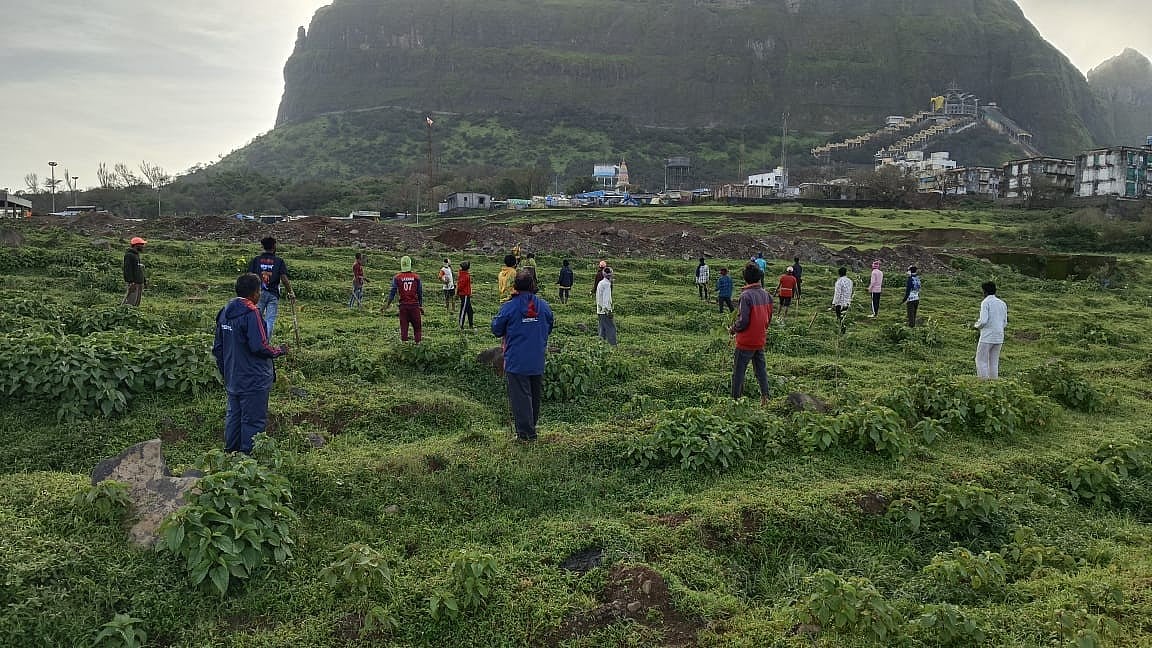
Under the guidance of former minister Balasaheb Thorat and former MLC Dr. Sudhir Tambe, an impressive initiative has been undertaken to plant 55,000 indigenous trees at Saptashrungi Fort, one of the three and a half Shakti Peethas of Maharashtra. This environmental service has been offered to Saptashrungi Mata on behalf of the Jai Hind Lok Movement during the auspicious occasion of Navratri.

In collaboration with the Maharashtra Government, Nashik SMBT Sevabhavi Trust, Gram Panchayat, and Jai Hind Lok Chalaval, around 55,000 indigenous trees have been planted at the fort located in Vani. Saptashrungi Fort draws a large crowd of devotees every year, with lakhs visiting for darshan during Navratri. To enrich this hilly area with greenery and promote environmental sustainability, Jai Hind Lok Chalaval spearheaded this large-scale tree plantation drive.

The responsibility for the upkeep of these trees has been entrusted to the SMBT Sevabhavi Trust. The plantation includes a variety of species such as pipal, umber, lemon, vad, as well as medicinal plants, carefully selected to suit the local ecosystem.

The Maharashtra Government Forest Department and Jai Hind Lok Movement have coordinated the scientific planting of these trees by digging trenches on all four sides of Saptashrungi Fort. To ensure adequate water supply, drip irrigation systems have been installed. Additionally, tree guards have been appointed through charitable efforts to safeguard the young plants. The Gram Panchayat has also extended significant cooperation throughout this endeavour.

Principal Dashrath Varpe, Coordinator of the Dandakaranya Abhiyan, highlighted the involvement of local citizens in planting and maintaining the trees, stating that this collective effort will greatly enhance the greenery of the region within the next two to three years.

Dr. Sudhir Tambe, Founder and Former MLC of Jai Hind, reflected on the historical roots of this movement, saying, “Freedom fighter Sahakar Maharshi Bhausaheb Thorat initiated the Dandakaranya Abhiyan, an environmental movement dedicated to protecting the living world. Under this campaign, crores of seeds have been sown on the barren hills of Sangamner taluka, resulting in the planting of lakhs of trees and a significant increase in the area’s greenery.”

He added, “Under the leadership of former minister Balasaheb Thorat, the environmental movement has expanded from the Sahyadri to the Satpura ranges. The recent tree plantation at Saptashrungi Fort, carried out under the initiative of SMBT Sevabhavi Trust, is a testament to this continued commitment.”

This collaborative effort beautifully blends cultural reverence with ecological responsibility, ensuring that the sacred landscape of Saptashrungi remains vibrant and thriving for generations to come.
https://www.freepressjournal.in/pune/nashik-55000-indigenous-trees-planted-at-saptashrungi-fort-under-jai-hind-lok-movement

New Zealand’s most stunning fjords: A list

**New Zealand’s Most Stunning Fjords: A Guide**
*By Simran Jeet | Sep 29, 2025, 10:37 AM*

New Zealand’s fjords are a natural wonder that attracts travelers from around the globe. These awe-inspiring formations, carved by glaciers over millennia, offer breathtaking views and a glimpse into the country’s rich geological history. From lush rainforests to towering cliffs, New Zealand’s fjords are a treasure trove of natural beauty waiting to be explored.

Here’s a look at some of the most popular fjords and what makes each of them unique:

### 1. Milford Sound: The Iconic Fjord
Milford Sound is perhaps New Zealand’s most famous fjord, celebrated for its dramatic scenery and easy accessibility. Surrounded by steep cliffs and cascading waterfalls, it remains a favorite destination for tourists. Visitors can take boat tours to explore the fjord up close, spotting wildlife such as dolphins and seals along the way. With around 1,200 millimeters of rainfall annually, Milford Sound’s waterfalls flow year-round, adding to its spectacular charm.

### 2. Doubtful Sound: A Remote Adventure
More secluded than Milford Sound, Doubtful Sound offers a tranquil experience with fewer crowds. Accessible only by boat or plane, getting there is an adventure in itself. This fjord is twice as long as Milford Sound and boasts lush rainforests and diverse marine life. It’s the perfect destination for those seeking a peaceful retreat surrounded by nature.

### 3. Fiordland National Park: A UNESCO World Heritage Site
Fiordland National Park is home to some of New Zealand’s most stunning fjords, including both Milford and Doubtful Sounds. Recognized as a UNESCO World Heritage Site, the park safeguards its unique ecosystems and dramatic geological features. Visitors can explore numerous hiking trails or take scenic flights to enjoy breathtaking aerial views of the fjords’ grandeur.

### 4. Tasman Sea: Where Land Meets Ocean
The Tasman Sea forms a striking backdrop for New Zealand’s western fjords. Its waves crash against rugged rocky shorelines, creating a dramatic contrast with the calm, sheltered waters inside the fjords. This area is popular among fishing enthusiasts and photographers alike, who come to enjoy angling and capture stunning sunsets over this pristine coastal landscape.

Whether you’re seeking adventure, tranquility, or stunning natural vistas, New Zealand’s fjords offer unforgettable experiences that showcase the country’s extraordinary wilderness.
https://www.newsbytesapp.com/news/lifestyle/new-zealand-fjords-top-5-to-explore/story

Eco-friendly decor idea you’ll love

**Eco-Friendly Decor Ideas You’ll Love**
*By Anujj Trehaan | Sep 29, 2025, 11:02 AM*

Looking to create a stylish and sustainable living space? Eco-friendly decor is the perfect way to make your home both beautiful and environmentally conscious. By incorporating natural elements, you can transform your space into a peaceful retreat that promotes a healthier environment. Here are five practical tips to help you bring a serene and eco-friendly atmosphere into your home.

### 1. Use Natural Materials
Incorporate natural materials such as wood, stone, and bamboo to add warmth and texture to your home. These materials are durable and sustainable, making them ideal for furniture and flooring. For an even greener approach, opt for reclaimed wood or sustainably sourced bamboo to minimize your environmental impact. Stone accents, like countertops or decorative pieces, can also enhance your home’s aesthetic while providing lasting durability.

### 2. Add Indoor Plants for Freshness
Indoor plants are an easy way to bring nature inside. They not only add vibrant color to your space but also purify the air and boost your mood. If you’re new to gardening, consider low-maintenance plants like succulents or ferns. Place them in areas with adequate sunlight to keep them healthy. Incorporating plants not only beautifies your home but improves its livability by enhancing air quality.

### 3. Maximize Natural Light
Creating an open, airy atmosphere is simple when you maximize natural light. Use sheer curtains or blinds that allow sunlight to filter through without sacrificing your privacy. Additionally, strategically placed mirrors can reflect light around your rooms, making spaces feel brighter and more spacious. Increasing natural lighting reduces the need for artificial lights during the day, helping you save energy.

### 4. Choose Eco-Friendly Textiles
Swap conventional fabrics for eco-friendly textiles made from organic materials like cotton, linen, or hemp. These fabrics are biodegradable and free from harmful chemicals typically used in production. Incorporate these textiles through cushions, rugs, or curtains that blend seamlessly with your décor while supporting environmental conservation efforts.

### 5. Embrace Upcycled Decor Items
Upcycling is a creative way to repurpose old or discarded items into unique decorative pieces that add character to your home. For example, turn glass jars into planters or wooden pallets into shelving units. Not only does this process reduce waste, but it also allows you to add personalized touches to your space without further depleting the planet’s resources.

By embracing these eco-friendly decor ideas, you can create a stylish, healthy, and sustainable home that you’ll love spending time in—while also doing your part for the environment.
https://www.newsbytesapp.com/news/lifestyle/transform-your-space-with-eco-friendly-decor-here-s-how/story

Plea to cut down tree by carer for 75-year-old mother rejected

Mr Wong submitted plans to fell a sycamore tree down to stump level at his property on Exleigh Close. He cited the tree as “contributing to significant overgrowth” and causing “maintenance difficulty” in the back garden.

In his application, Mr Wong explained that he works full-time while also caring for his 75-year-old mother. He stated, “This makes it extremely difficult for me to keep up with garden maintenance.” He added that their goal is to restore the back garden into a safe, accessible, and low-maintenance area for the household.

Despite these reasons, the plans to remove the sycamore have been rejected by officers at Southampton City Council. The applicant had proposed repurposing the wood to create a “natural, wildlife-friendly habitat using logs and cuttings.”

However, the council’s decision notice explained that the justification for felling the tree does not outweigh the harm it would cause to the local area. The notice stated:
“Therefore, the felling of the protected trees that are within the 1971 area order is refused.”

**READ MORE:** Residents warned of £1,000 fines for parking on their own driveways
https://www.dailyecho.co.uk/news/25491889.southampton-carers-plans-chop-sycamore-tree-rejected/?ref=rss

2025 SkS Weekly Climate Change & Global Warming News Roundup #39

Climate Change: Common Arguments

  • Climate’s changed before
  • It’s the sun
  • It’s not bad
  • There is no consensus
  • It’s cooling
  • Models are unreliable
  • Temperature record is unreliable
  • Animals and plants can adapt
  • It hasn’t warmed since 1998
  • Antarctica is gaining ice

View All Arguments

User Access


New? Register here | Forgot your password?


Latest Posts

  • 2025 SkS Weekly Climate Change & Global Warming News Roundup #39
    Skeptical Science New Research for Week #39 2025
  • The Cartoon Villain’s Guide to Killing Climate Action
    Fact brief
  • Has the IPCC overestimated climate change impacts?
    Koonin providing clarity on climate?
    What you need to know about AI and climate change
  • 2025 SkS Weekly Climate Change & Global Warming News Roundup #37
    Skeptical Science New Research for Week #37 2025
  • The Fix is In
    Fact brief
    Has Arctic sea ice recovered?
    The merchants of doubt are back
  • 2025 SkS Weekly Climate Change & Global Warming News Roundup #36
    Skeptical Science New Research for Week #36 2025
  • Climate Adam: The Dumbest Climate Denial Ever?
    Fact brief
    Is global warming actually happening?
    Climate Sensitivity 2025
  • 2025 SkS Weekly Climate Change & Global Warming News Roundup #35
    Skeptical Science New Research for Week #35 2025
  • Another pause?
    The surprising reasons floods and other disasters are deadlier at night
    Record solar growth keeps China’s CO2 falling in first half of 2025
  • 2025 SkS Weekly Climate Change & Global Warming News Roundup #34
    Fact brief
    Are surface temperature records reliable?
    Skeptical Science New Research for Week #34 2025
  • Getting climate risk wrong

2025 SkS Weekly Climate Change & Global Warming News Roundup #39

Posted on 28 September 2025 by BaerbelW, John Hartz, Doug Bostrom

A listing of 27 news and opinion articles we found interesting and shared on social media during the past week: Sunday, September 21, 2025 thru Saturday, September 27, 2025.

Stories We Promoted This Week, by Category:

Climate Change Impacts

  • Has the IPCC overestimated climate change impacts?
    The Intergovernmental Panel on Climate Change compiles the consensus of thousands of models, and many independent lines of research suggest its estimates were more conservative than what was subsequently observed.
    Skeptical Science, Sue Bin Park, Sep 23, 2025
  • Trump delivers dumbest climate speech of all time
    The president’s easily-debunked 10-minute climate tirade at the U.N. was so stupid and unoriginal, it was actually kind of funny.
    HEATED, Emily Atkin, Sep 24, 2025
  • Tackling Climate Change Helps Every Human on the Planet, Says Scientist
    Newsweek, Gemma Watson, Sep 25, 2025
  • News roundup: Scientists challenge misleading Department of Energy climate report
    “The report received nearly 60,000 comments, some of which were written by climate scientists whose work was misrepresented.”
    News Roundup, Yale Climate Connections, SueEllen Campbell, Sep 25, 2025

Miscellaneous

  • Relaunching the Climate Litigation Database: Tracking the Law in a New Era
    Climate Law Blog, Maria Antonia Tigre and Margaret Barry, Sep 25, 2025
  • Nations deliver new climate targets ahead of climate summit
    With just weeks to go until the international climate conference, nations are stepping up to submit new climate targets for 2035. But will they be enough to prevent a climate catastrophe?
    Climate, Deutsche Welle
  • Why we must reframe climate change as a human problem, not a planetary one
    World Economic Forum (WEF), Gaurav Sharma & Avi Aggarwal, Sep 25, 2025

Thanks! 0 0

Printable Version | Link to this page

https://skepticalscience.com/2025-SkS-Weekly-News-Roundup_39.html

Covering the basics

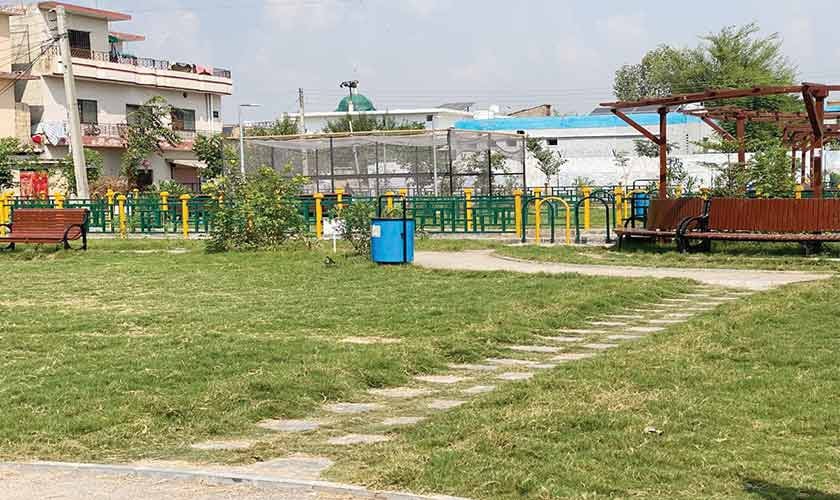
Thousands of residents of Farash Town and James Town in the twin cities are celebrating as they now have access to clean drinking water. Alongside this vital resource, they have also learned useful skills such as reusing water and recharging the water table through rainwater harvesting techniques. This transformation is the result of a megaproject focused on water security.

The project was a collaborative initiative between the World Wildlife Fund (WWF)-Pakistan and the Australia-Pakistan Water Security Initiative, an Australian Aid-funded program aimed at strengthening cooperation between Australia and Pakistan on urban water resources management. The megaproject consists of a series of smaller projects, all scheduled to be operational by the end of December, with community participation playing a key role in their ongoing maintenance.

The primary goal of the initiative was to tailor, adopt, and demonstrate the Water Sensitive Cities approach in Pakistan, especially as Islamabad and Rawalpindi are among the cities forecasted to face water scarcity in the coming years.

### Focus on Two Neighbourhoods

The pilot project targeted two neighborhoods: James Town in Rawalpindi and Farash Town in Islamabad.

James Town is home to over 450 Christian households and has faced an acute water shortage. Farash Town, with a population exceeding 20,000, has similarly suffered from severe water scarcity and a declining water table.

Yasmin Bibi, a resident of Farash Town, shared her experience:
“Our area had a severe water shortage. The water table had also gone down. With the help of these projects, we were able to recharge the aquifer and get water from filtration plants installed at various places in the town.”

### Clean Water Access and Community Engagement

WWF installed seven water filtration plants — five throughout the locality and two in larger schools. These filtration plants now provide clean drinking water to approximately 24,500 people and are maintained by the community itself.

Imran Ali, another Farash Town resident, expressed his relief:
“This is a blessing for us. Earlier, many families would travel to the Chak Shahzad government filtration plant to get water, often hiring rickshaws to fetch it. Now, we have clean drinking water right at our doorstep.”

Before this intervention, water scarcity was so severe that those who could afford to were selling their properties and relocating. Imran adds,
“Now, with this project, our lives and priorities have changed. It is such a relief that we don’t have to go out of our way to get something as basic as water.”

### Project Components and Impact

Since its inception in April 2021, the WWF has implemented multiple measures in both neighborhoods:

– **James Town:**
– 275 rainwater harvesting systems (RWHS)
– 6 water recharge interventions
– 2 green spaces
– 2 large and 1 small filtration plants
– 15 solid waste skips
– 2 rain gardens
– Sewerage system for 450 houses

– **Farash Town:**
– 375 rainwater harvesting system interventions
– 4 ablution water reuse systems
– 31 recharge interventions
– 3 green spaces
– 3 communal RWHS
– 5 large and 2 small filtration plants
– 4 solid waste skips
– 2 rain gardens

Farah Nadeem, the project lead, highlights the importance of such initiatives:
“These projects are significant demonstrations of models creating awareness about water security. We have even incorporated water security issues into the curriculum of local schools as part of this initiative.”

Nadeem further comments,
“Through this project, WWF-Pakistan helped improve access to safe water and sanitation services for two disadvantaged communities, ensured community resilience to climate change and other water-related challenges, and built the capacity of key stakeholders regarding water use and conservation.”

### Addressing Pakistan’s Water Crisis

Pakistan is among the most water-stressed countries in the world, with an average per capita water availability of 964 cubic meters per year. Scientific studies indicate significant depletion of groundwater resources, exacerbating vulnerabilities caused by climate change. This situation impacts millions of people already struggling with shortages of water, food, health services, and energy security.

Projects like this megaproject are crucial steps toward securing sustainable water resources for vulnerable communities and ensuring a resilient future.
https://www.thenews.com.pk/tns/detail/1346830-covering-the-basics

9/27: CBS Weekend News

Deadly Flooding in Arizona and Intense Weather Threats Across the U.S.

Arizona is currently facing deadly flooding that has put communities on high alert. The severe weather conditions have caused significant damage and pose ongoing risks to residents in affected areas.

Across the United States, intense weather threats continue to challenge preparedness efforts. Meteorologists warn of potential storms and hazardous conditions that could impact multiple regions in the coming days.

California Neighbors Contend with Aggressive Squirrels

In an unusual development, residents in California are dealing with aggressive squirrel behavior. These typically harmless creatures have become a source of concern due to increased aggressiveness, prompting calls for awareness and caution among local communities.

https://www.cbsnews.com/video/092725-cbs-weekend-news/

Exit mobile version
Sitemap Index