Pimpri-Chinchwad Crime: Lawyer Defrauded Of ₹1.80 Crore By Cyber Impersonators Posing As CBI Officers

**Senior Citizen Lawyer Duped of ₹1.80 Crore by Fraudsters Posing as CBI Officers in Pimpri-Chinchwad**

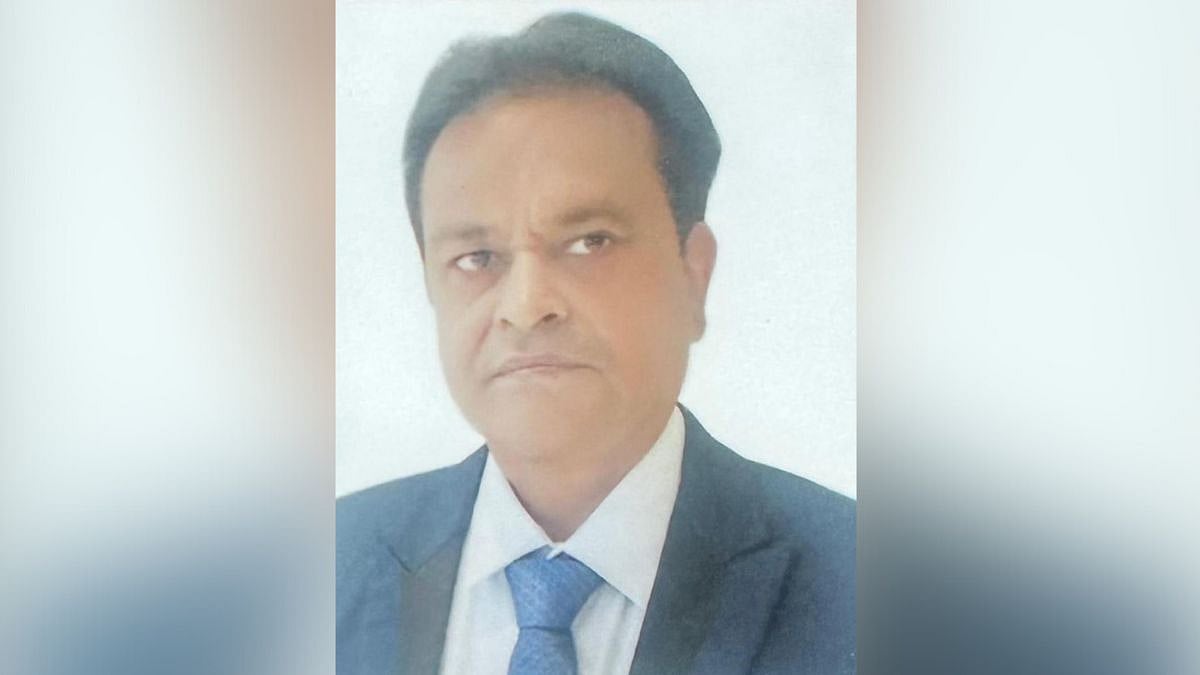
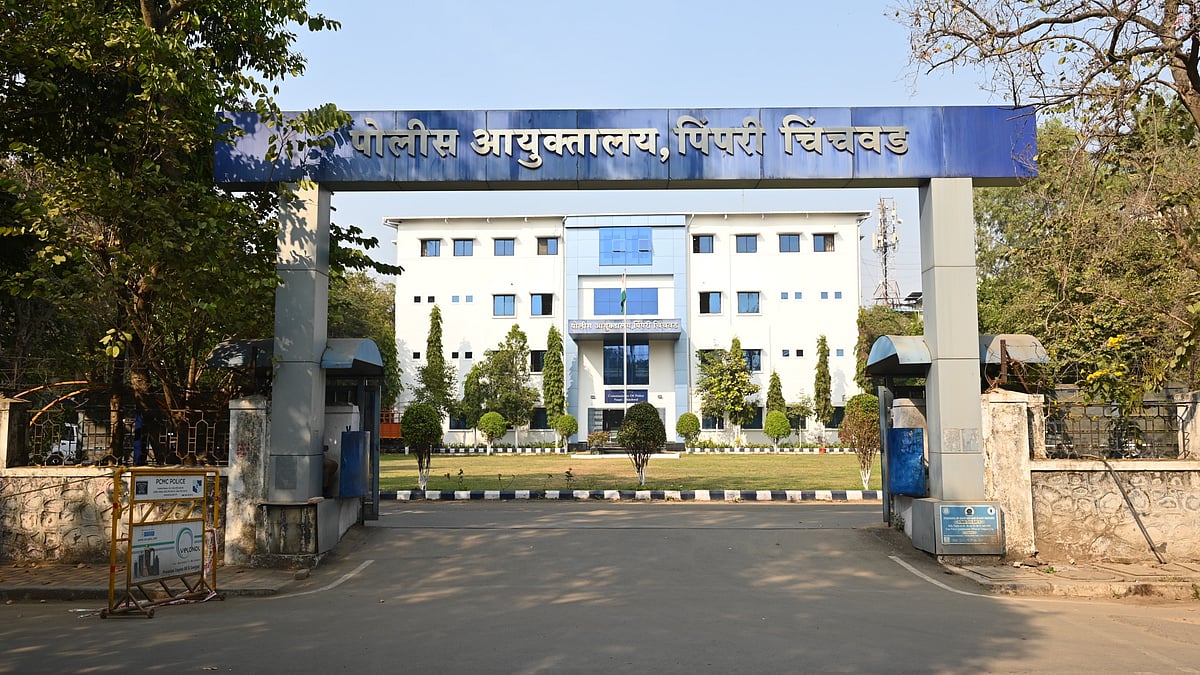
In a disturbing case of online fraud, a senior citizen lawyer from Pimpri-Chinchwad was cheated out of ₹1.80 crore by imposters pretending to be officers from the Central Bureau of Investigation (CBI). The incident, which took place in Udyam Nagar, Pimpri, was reported to the Cyber Police Station on Wednesday.

Ganpat Balaji Kakade, a 73-year-old resident of Udyam Nagar, fell victim to the scam between September 4 and September 19. The fraudsters reportedly used Kakade’s Aadhaar card details and falsely claimed that money laundering activities were being conducted using his name. They threatened him with arrest in a fabricated money laundering case to intimidate him.

Fearing legal repercussions, the lawyer transferred a total of ₹1,80,37,000 to various bank accounts controlled by the suspects. The accused included individuals holding three different mobile numbers and four separate bank accounts.

According to police sources, the fraudsters not only threatened Ganpat Kakade but also warned him that his wife would be arrested if he failed to comply. They further cautioned the couple against discussing the matter with anyone, threatening that those people could be arrested as well. To gain the lawyer’s trust, the scammers went to the extent of sending fake PDF documents bearing the names of senior police officers.

A police official stated, “The suspects forced the lawyer to transfer funds into different bank accounts, assuring him that the money would be returned once a verification process was completed. However, the lawyer never received any refund.” Upon realizing that he had been duped, Kakade lodged a complaint with the authorities, and a formal investigation is currently underway.

This incident serves as a reminder to remain vigilant against such sophisticated scams and verify the authenticity of calls or messages claiming official authority.
https://www.freepressjournal.in/pune/pimpri-chinchwad-crime-lawyer-defrauded-of-180-crore-by-cyber-impersonators-posing-as-cbi-officers

1984 riots case: Sajjan Kumar’s appeal listed for hearing in SC after Diwali

Justices J K Maheshwari and Vijay Bishnoi, while hearing the matter, asked the counsel for the parties to specify the allegations, testimony of witnesses, and findings by the trial court and the high court in the case. “When the reversal was made, what persuaded the high court to make a reversal,” the bench inquired.

The high court had set aside the trial court’s 2010 verdict, which acquitted Kumar in the case. Senior advocate R S Cheema appeared for the CBI, while senior advocate Gopal Sankaranarayanan represented Kumar in the top court.

Besides Kumar’s appeal, the pleas of co-convicts Balwan Khokhar and Girdhari Lal were also listed for hearing in the apex court.

The case relates to the killing of five Sikhs in Delhi Cantonment’s Raj Nagar Part-I area of southwest Delhi on November 1-2, 1984, and the burning down of a Gurudwara in Raj Nagar Part-II. The anti-Sikh riots broke out after the assassination of then Prime Minister Indira Gandhi on October 31, 1984, by her two Sikh bodyguards.

Kumar surrendered before a trial court in the capital on December 31, 2018, to serve the sentence following the high court’s December 17, 2018 judgment awarding him life imprisonment for the “remainder of his natural life.” After his conviction, Kumar resigned from the Congress party.

The high court convicted and sentenced Kumar to spend the remainder of his life in jail for the offences of criminal conspiracy and abetment in the commission of crimes including murder, promoting enmity between different groups on grounds of religion, acts prejudicial to the maintenance of communal harmony, and defiling and destruction of a Gurdwara.

It also upheld the conviction and varying sentences awarded by the trial court to five others, including Khokhar and Lal.

The high court’s verdict noted that over 2,700 Sikhs were killed in the national capital during the 1984 riots, describing the event as a “carnage of unbelievable proportions.” The court labeled the riots a “crime against humanity” perpetrated by those who enjoyed “political patronage” and were aided by an “indifferent” law enforcement agency.

*Note: This story has been sourced from a third-party syndicated feed/agencies. Mid-day accepts no responsibility or liability for its dependability, trustworthiness, reliability, or data of the text. Mid-day management/mid-day.com reserves the sole right to alter, delete, or remove (without notice) the content at its absolute discretion for any reason whatsoever.*
https://www.mid-day.com/news/india-news/article/1984-anti-sikh-riots-sc-to-hear-sajjan-kumars-plea-against-conviction-post-diwali-break-23595748

Mumbai News: EOW Probes Ex-Lodha Developers Director Rajendra Lodha For ₹49.22 Crore Transfer, Land Misuse

**Mumbai Police Allege ₹49.22 Crore Transfer by Former Lodha Developers Director**

Mumbai police have claimed that Rajendra Lodha, former director of Lodha Developers Ltd (LDL), transferred ₹49.22 crore to his son Sahil Lodha’s account. Additionally, he is accused of transferring land reserved for a school and college in one of LDL’s projects to a firm where his son was a partner, allegedly without any authority.

**Custody Extended Till September 29**

The Economic Offence Wing (EOW) on Tuesday secured further custody of Rajendra Lodha until September 29. The agency stated that last week they recorded a statement from the company’s vice president. According to the statement, in the company’s Panacea Lodha project, a portion of land was reserved for the construction of schools or a college. However, Lodha reportedly sold this parcel to NBP Edutech LLP, a firm linked to his son.

**Destroyed Financial Records Discovered**

The witness further revealed that upon examining the financial records of Lodha and his family, it was found that Lodha had destroyed all details related to their financial transactions. This act has raised significant concerns among investigators.

**Unauthorized Land Sales Over Years**

Investigations also revealed that over the past 12 to 15 years, Lodha had sold several parcels of company land without having the necessary authority. Authorities allege these sales were conducted for his personal benefit, bypassing proper company protocols.

**Cash Movements Captured on CCTV**

Police stated that Lodha, with assistance from his employees, collected large sums of cash. CCTV footage shows employees carrying bags multiple times—three to four instances—which they later admitted contained cash when questioned by the police.

**Foreign Remittances Under Investigation**

The Economic Offence Wing has also uncovered several suspicious cash exchanges and foreign remittances involving substantial amounts of money. These transactions are currently under further investigation to determine their legality and source.

**Brother Removed Crucial Documents After Arrest**

Following Rajendra Lodha’s arrest, CCTV footage from his residence captured his brother, Deepak Lodha, removing several large bags. Investigators revealed that these bags contained important documents related to financial transactions and land plots, which are critical to the ongoing investigation.

The investigation into Rajendra Lodha and his activities at Lodha Developers Ltd continues, as authorities work to uncover the full extent of the alleged financial irregularities and unauthorized land dealings.
https://www.freepressjournal.in/mumbai/mumbai-news-eow-probes-ex-lodha-developers-director-rajendra-lodha-for-4922-crore-transfer-land-misuse

ED questions Robin Uthappa in online betting app case

Robin Uthappa Questioned by ED in Online Betting App Case

By Parth Dhall | Sep 22, 2025 | 02:06 PM

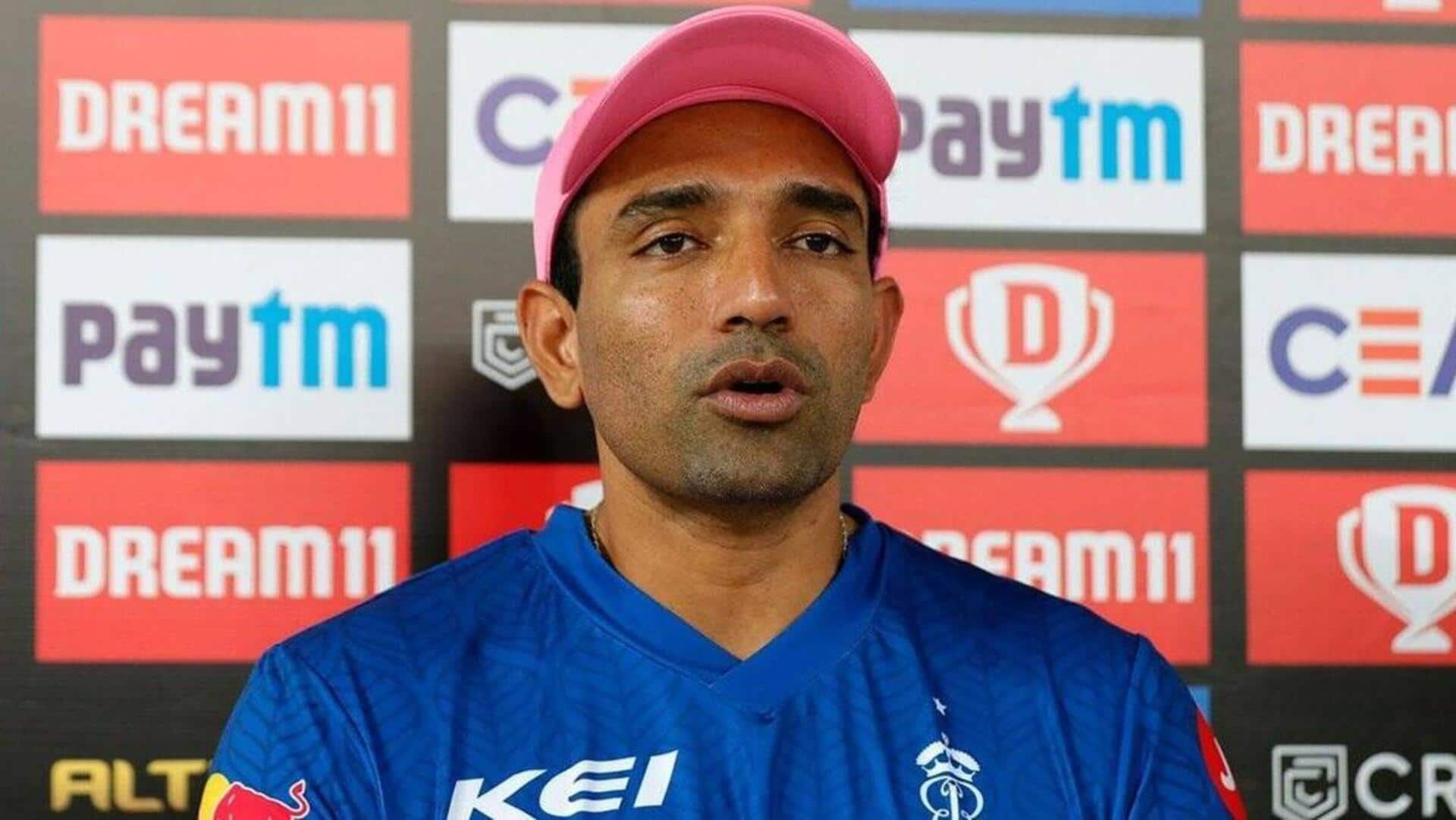
Former Indian cricketer Robin Uthappa was summoned by the Enforcement Directorate (ED) in connection with an alleged money laundering case linked to the illegal online betting platform 1xBet. The 39-year-old arrived at the ED Headquarters around 11 AM on September 22, where he was questioned under the Prevention of Money Laundering Act (PMLA).

Investigation into Illegal Betting Platforms

This questioning is part of a broader crackdown on illegal betting platforms and their celebrity endorsers. The ED is currently probing multiple cases involving unlawful betting apps that are suspected of duping investors and users of crores of rupees, as well as evading significant tax payments.

1xBet, a Curacao-registered company, claims to be a “globally recognized bookmaker” with 18 years of experience in the betting industry. The platform offers betting options on thousands of sporting events and is accessible in 70 languages worldwide through its website and app.

Focus on Celebrity Endorsements

The ED’s investigation is focusing on how celebrities, including cricketers and Bollywood as well as South Indian film stars, were approached by 1xBet for endorsements. Authorities are examining the contacts involved in India, the nature of compensation received, and whether these payments constitute “proceeds of crime” under the PMLA.

Since last year, several prominent figures have been questioned regarding their alleged promotion of illegal betting platforms. Robin Uthappa now joins this growing list of celebrities under scrutiny.

Legal Framework: Ban on Real-Money Online Gaming

In response to the rising concerns over illegal online betting, the Indian government passed the Promotion and Regulation of Online Gaming Bill, 2025, last month. This new law places online gaming under a central regulatory framework and empowers the government to ban real-money gaming platforms.

As a result, many platforms offering real-money games—including Dream11, Games24x7, Winzo, GamesKraft, 99Games, KheloFantasy, and My11Circle—were mandated to cease their operations in India.

The ongoing investigations and new legislation mark a significant step toward curbing illegal online betting and regulating the gaming industry in the country.

https://www.newsbytesapp.com/news/sports/robin-uthappa-questioned-by-ed-details-here/story

Environment Minister Calls for Restraint on Mega-Solar Project

Environment Minister Keiichiro Asao has expressed his view that the construction of large-scale solar panel projects in the Kushiro Wetlands of Hokkaido should be restrained. The minister’s comments highlight growing concerns over the environmental impact of such developments in this ecologically sensitive area.

Former Economic Security Minister Sanae Takaichi has announced her candidacy in the upcoming Liberal Democratic Party (LDP) leadership election, which is set to be officially declared next week. Takaichi unveiled a platform centered on bold growth investment, aiming to revitalize Japan’s economy. Notably, her policy package incorporates some proposals from opposition parties, signaling an openness to potential collaboration across the political spectrum.

Marking the 94th anniversary of the Mukden Incident, which triggered the Manchurian Incident, China released the film *731* on September 18. The film focuses on Unit 731, a former Japanese military unit allegedly involved in the development of biological weapons during World War II. This release has drawn fresh attention to anti-Japan sentiment in China, coinciding with a date that also marks the 80th anniversary of what China frames as its victory in the war against Japan. These events have raised concerns for Japanese residents and businesses in China amid escalating tensions.

In a separate development, an initiative to reuse soil generated during decontamination work in Fukushima Prefecture—following the Fukushima Daiichi Nuclear Power Plant accident—has started at central government ministries in Kasumigaseki, Tokyo. This effort aims to promote sustainable practices in managing contaminated materials.

On the legal front, the first hearing for former House of Councillors member Ohno Yasumasa and his secretary was held at the Tokyo District Court on September 10. Both are charged with violating the Political Funds Control Act over an alleged slush fund tied to Liberal Democratic Party fundraising parties. Ohno pleaded not guilty, stating, “I have never committed a crime.”

Japan’s ruling Liberal Democratic Party is currently entering a leadership contest amid deepening factional infighting. The outcome of this contest is expected to significantly influence the government’s approach to inflation and the complexities of minority governance.

Meanwhile, opposition parties are preparing to invoke Article 53 of the Constitution to demand an extraordinary Diet session. They argue that a prolonged political vacuum is unacceptable and are pushing for urgent parliamentary deliberations to address pressing national issues.
https://newsonjapan.com/article/146967.php

Osaka High Court Upholds Don Juan of Kishu’s Will

Nozaki, who made his fortune in lending and liquor wholesale, was a prominent figure in Tanabe, Wakayama Prefecture. He was known for often keeping large amounts of cash and precious metals at his home. In a past interview, he stated, “This watch cost 4.5 million yen. I usually keep around 700 million yen at home.”

After his sudden death from acute stimulant poisoning in 2018, a handwritten will written in red ink was discovered. The will stated, “I bequeath all my personal assets to Tanabe City. Kosuke Nozaki.”

In 2020, Nozaki’s relatives filed a lawsuit contesting the validity of this document. They argued that the handwriting appeared unnatural and that there was no rational motive for Nozaki to donate his entire estate to the city.

However, the Wakayama District Court ruled in June of last year that the handwriting exhibited characteristics unique to Nozaki and judged the will to be valid.

Dissatisfied with the decision, the relatives appealed the ruling, claiming that the signature could have been traced from another document and forged.

On September 19th, the Osaka High Court dismissed the appeal. The court stated that although the signature resembled one on another document, this alone did not provide sufficient grounds to presume forgery. Consequently, the court upheld the lower court’s finding that the will was valid.

The case is further complicated by the circumstances surrounding Nozaki’s death. His then 29-year-old wife was indicted for murder and other charges. However, in December of last year, the Wakayama District Court acquitted her. Prosecutors have since appealed the acquittal, and the legal proceedings continue.
https://newsonjapan.com/article/146957.php

Osaka High Court Upholds Don Juan of Kishu’s Will

Nozaki, who made his fortune in lending and liquor wholesale, was a prominent figure in Tanabe, Wakayama Prefecture. He was known for often keeping large amounts of cash and precious metals at his home. In a past interview, he remarked, “This watch cost 4.5 million yen. I usually keep around 700 million yen at home.”

After his sudden death from acute stimulant poisoning in 2018, a handwritten will in red ink was discovered. The will stated, “I bequeath all my personal assets to Tanabe City. Kosuke Nozaki.”

In 2020, his relatives filed a lawsuit contesting the validity of the document. They argued that the handwriting was unnatural and claimed there was no rational motive for Nozaki to donate his estate to the city.

However, the Wakayama District Court ruled in June of last year that the handwriting exhibited characteristics unique to Nozaki and judged the will to be valid.

Dissatisfied with this ruling, the relatives appealed the decision, asserting that the signature could have been traced from another document and forged.

In its ruling on September 19th, the Osaka High Court dismissed the appeal. The court stated that although the signature resembled one on another document, this alone was not sufficient grounds to presume forgery. The court upheld the lower court’s finding that the will was valid.

The case is further complicated by the circumstances surrounding Nozaki’s death. His then 29-year-old wife was indicted on charges of murder and other offenses but was acquitted by the Wakayama District Court in December last year. Prosecutors have since appealed the acquittal, prolonging the legal proceedings.
https://newsonjapan.com/article/146957.php

SC Clears New AIFF Constitution, Calls It A ‘New Beginning’ For Indian Football

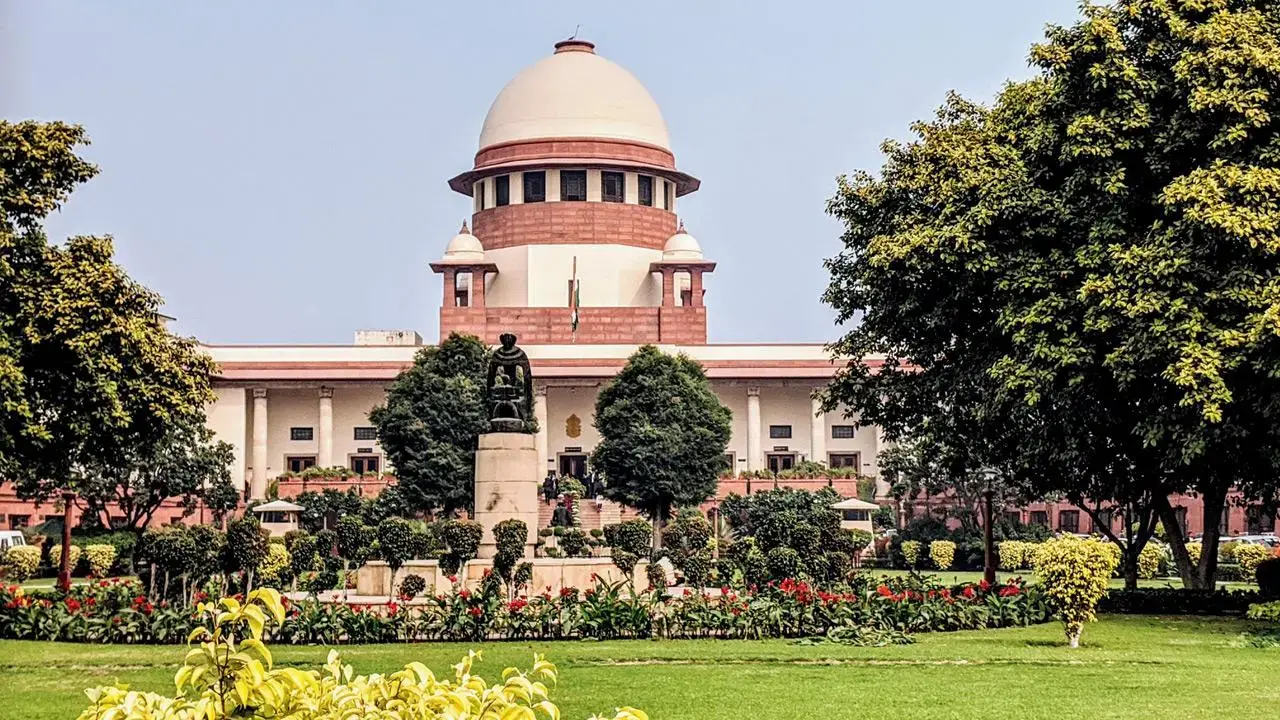
New Delhi: The Supreme Court on Friday approved the draft constitution of the All India Football Federation (AIFF) with certain modifications and directed the federation to adopt it within four weeks.

The top court described this development as a “new beginning for Indian football,” poised to take the sport to greater heights. It also ordered the AIFF to convene a special general body meeting to adopt the draft constitution, which was prepared by former Supreme Court judge L Nageswara Rao.

### Supreme Court’s Observations

A bench comprising Justices P S Narasimha and Joymalya Bagchi stated, “We have approved the provisions of the constitution in the said terms. We direct the AIFF administration to call for a special general body meeting and adopt the draft constitution with the modifications in this judgment. This shall be done at the earliest, preferably within four weeks.”

The 78-page verdict, authored by Justice Narasimha, addressed 12 key issues including membership, suspension, age restrictions, and conflict of interest concerning both the AIFF and state football associations.

### Applicability to State Associations

The Supreme Court clarified that the draft constitution is applicable to state associations as well, despite their resistance. The bench emphasized, “The inclusion of eminent players, coaches, referees, and club representatives in the general body, with only further good governance, heralds transparency and fair play.”

The court further remarked that continuous monitoring of a sports federation by any external forum — including the Supreme Court — is inappropriate. “Having taken up the matter and ensured that the Constitution is brought to this stage, it is necessary to take it to its logical end. Our monitoring will only be that far and no further,” the bench said.

### Current Executive Committee Tenure

The court declined to interfere with the tenure of the current AIFF executive committee led by President Kalyan Chaubey. It noted that the committee was elected for a four-year term, set to expire in September 2026.

“The current executive committee can be treated as a permanent body which shall discharge its function in accordance with the relevant laws as well as the AIFF constitution,” the verdict added.

### Governance and Structure

On the issue of extending the AIFF constitution to state associations, the bench stressed the importance of maintaining the hierarchical pyramidical structure of Indian football. All constituent units and associations lower in hierarchy must observe the same discipline, transparency, fairness, and governance standards applied at the top level.

Referring to the FIFA statute and insights from Justice L N Rao, the court stated, “We are not inclined to accept the argument that the AIFF Constitution ought not to be extended to the state associations and local bodies.”

### Modifications to Eligibility Criteria

The Supreme Court modified the criteria for an “eminent player” eligible to be a member of the AIFF executive committee. The player must be retired for at least two years and have represented India’s senior national team in at least seven competitive matches for men or three for women sanctioned by FIFA/AFC.

However, the court proposed reducing these criteria to five matches for men and two for women to ensure a wider pool of participation by retired players who can serve as efficient administrators and mentors for Indian football.

### Definition of Office Bearers and Vice Presidents

The bench clarified that the term “office bearers” should be understood in the context of AIFF’s functioning and the reforms to be introduced. This definition directly affects the applicability of cooling-off periods, tenure, and age limits, aligning with the federation’s drive for vibrant governance.

Further, the court accepted AIFF’s proposal to increase the number of vice presidents to three, including at least one woman. “Such an amendment will enable women’s representation and, at the same time, confine the number of the executive committee to fifteen members,” the verdict noted.

### Disqualification Norms

Regarding disqualification criteria, the verdict incorporated provisions on criminal charges and convictions of AIFF and state association members. It aligned these norms with those applied in the Board of Control for Cricket in India (BCCI) case.

The court modified the disqualification provision to focus on “conviction followed by a sentence of imprisonment,” rather than merely the framing of charges.

The bench also stated that public servants with necessary government approval should face no obstacles in becoming members of the football body.

### Other Modifications

Several other amendments were made to the draft constitution to align it with the National Sports Code, ensuring uniformity and compliance with national standards.

*Note: Except for the headline, this article has not been edited by FPJ’s editorial team and is auto-generated from an agency feed.*
https://www.freepressjournal.in/sports/sc-clears-new-aiff-constitution-calls-it-a-new-beginning-for-indian-football

SC Clears New AIFF Constitution, Calls It A ‘New Beginning’ For Indian Football

New Delhi: The Supreme Court on Friday approved the draft constitution of the All India Football Federation (AIFF) with certain changes and directed the federation to adopt it within four weeks. The top court termed this development a “new beginning for Indian football,” poised to take the sport to greater heights.

The court directed the national football body to convene a special general body meeting for adopting the draft constitution prepared by its former judge, L Nageswara Rao.

### Observations Made by the Bench

“We have approved the provisions of the constitution in the said terms. We direct the AIFF administration to call for a special general body meeting and adopt the draft constitution with the modifications in this judgment. This shall be done at the earliest, preferably within four weeks,” stated a bench comprising Justices P S Narasimha and Joymalya Bagchi.

The 78-page verdict, authored by Justice Narasimha, addressed 12 critical issues including membership, suspension, age bar, and conflict of interest related to AIFF and state football associations.

### Applicability to State Associations

The Supreme Court clarified that the draft constitution will also apply to state associations, despite their resistance. The bench emphasized that the inclusion of eminent players, coaches, referees, and club representatives in the general body will usher in greater transparency and fair play.

It observed, “The inclusion of eminent players, coaches, referees, and club representatives in the general body, with only further good governance, heralds transparency and fair play.”

The bench further noted that continuous monitoring of a sports federation by any forum, including the Supreme Court, is not appropriate. “Having taken up the matter and ensured that the Constitution is brought to this stage, it is necessary to take it to its logical end. Our monitoring will only be that far and no further,” it added.

### Tenure of Current Executive Committee

The court refused to interfere with the tenure of the current AIFF executive committee headed by President Kalyan Chaubey. It stated that since the committee was elected for a four-year term, their tenure will expire in September 2026—less than a year from now.

“The current executive committee can be treated as a permanent body which shall discharge its function in accordance with the relevant laws as well as the AIFF constitution,” the bench observed.

### Enforcing Discipline Across All Levels

Addressing the contentious issue of applicability of the AIFF constitution to state associations, the bench stressed the importance of maintaining a pyramidal structure of Indian football. It said constituent units and lower-level associations must implement the same discipline, fairness, transparency, and good governance standards applied at the top.

“In view of the FIFA statute, the relevant comments of Justice L N Rao and on analysis of the far-reaching implications of this provision, we are not inclined to accept the argument that the AIFF Constitution ought not be extended to the state associations and local bodies,” the court stated.

### Modifications to Criteria for “Eminent Player”

The Supreme Court modified the criteria for the “eminent player” who is a member of the AIFF executive committee. The revised criteria specify that the player should be retired for at least two years and must have represented India (senior team) in at least seven competitive matches for men and three for women, sanctioned by FIFA/AFC.

However, the bench proposed a reasonable reduction: five matches for men and two for women, to ensure a wider pool of retired players actively participating as efficient administrators and guiding lights for Indian football.

### Definition of “Office Bearers” and Governance Reforms

The bench emphasized that the term “office bearers” must be understood in the context of AIFF’s functioning and necessary reforms. This definition will impact the applicability of cooling-off periods, terms, tenure, and age limits, aligning with reforms introduced for vibrant federation governance.

### Women’s Representation and Vice Presidents

Accepted AIFF’s proposal to increase the number of vice presidents to three, including one woman representative. This amendment aims to strengthen women’s representation while keeping the executive committee size to fifteen members.

### Disqualification Norms and Other Modifications

On disqualification issues, including criminal charges and convictions of AIFF and state association members, the bench adopted standards similar to those in the Board of Control for Cricket in India (BCCI) case. It modified disqualification provisions to apply only upon conviction followed by imprisonment, not merely on framing of charges.

The Supreme Court also stated that public servants with necessary government approvals can become members of the football body without issues.

Several other modifications were incorporated into the draft constitution to align it with the National Sports Code.

*Note: Except for the headline, this article has not been edited by FPJ’s editorial team and is auto-generated from an agency feed.*
https://www.freepressjournal.in/sports/sc-clears-new-aiff-constitution-calls-it-a-new-beginning-for-indian-football
Exit mobile version
Sitemap Index