**Eagle Mountain Again Delays Vote on Alternative Energy Overlay Zone**
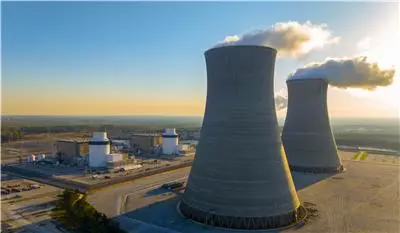
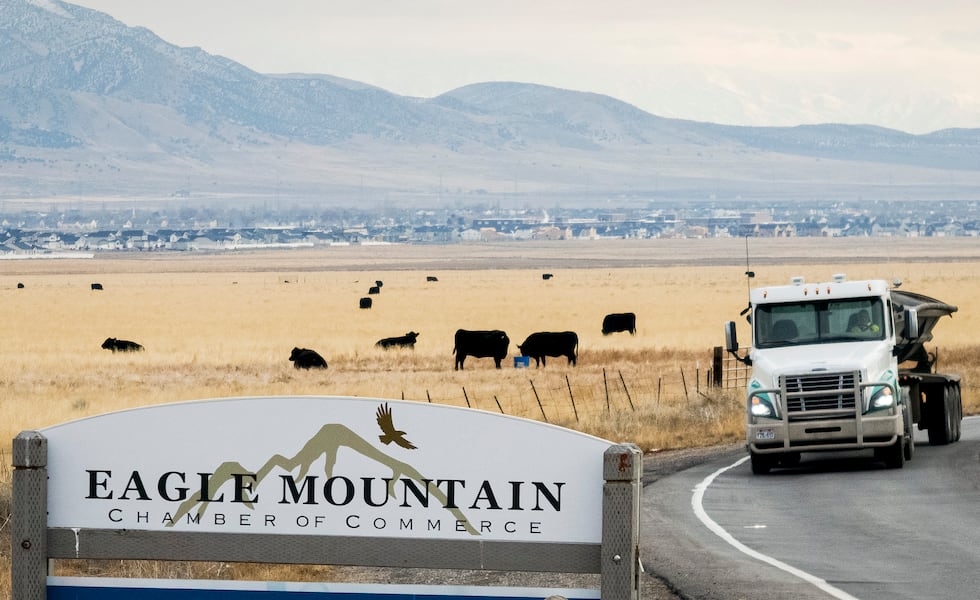
The Utah County community of Eagle Mountain has once again postponed a vote on an alternative energy overlay zone that would welcome all forms of energy, including the possibility of a small modular nuclear reactor.
At a city council meeting on Tuesday night, the general consensus favored allowing newly elected leaders to make the decision once they take office next year. The proposed alternative energy overlay zone is not intended for automatic application to any property. Instead, it would be considered only upon specific requests for use.
This overlay zone includes a number of requirements and restrictions related to power generation facilities. Any request would need to demonstrate approval from applicable state and federal entities. Rather than pre-zoning any particular area, approvals would be handled on a case-by-case basis, depending on the suitability of the site.
The zone was first considered in 2024, but an earlier vote this year delayed the adoption. The delay happened once again on Tuesday, as the city navigates both the opportunities and challenges posed by this new technology while striving to secure an independent and diverse energy future.
## Community Opinions Split on Nuclear Energy
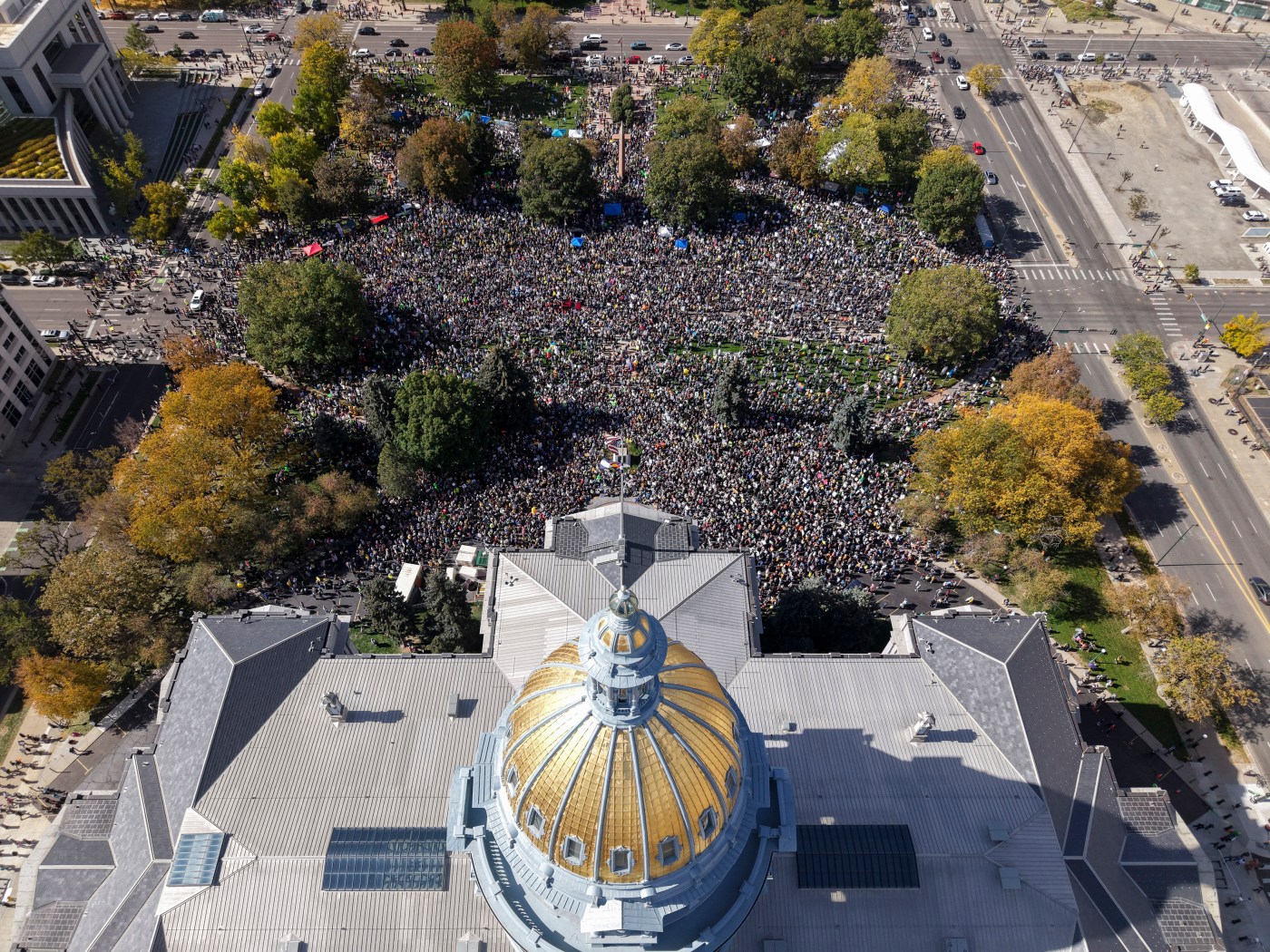
The overlay zone proposal has sparked opposition among some community members, particularly regarding the inclusion of nuclear energy within the city limits and concerns about the handling of nuclear waste.
“We don’t want it here,” stated Joy Rasmussen in a telephone interview prior to the meeting.
Conversely, other members of the community are open to exploring the idea and want to keep the option on the table.
## Statewide Nuclear Energy Initiatives
In November, Utah Governor Spencer Cox announced plans for the construction of a small nuclear power plant in Brigham City. This facility will be paired with a manufacturing and training hub, which state leaders say could help power Utah’s energy future and revitalize the local economy.
The Brigham City project aligns with Governor Cox’s initiative “Operation Gigawatt,” aimed at doubling Utah’s energy production within the next 10 years. Speaking about the project, Cox said:
> “This project aims to build a fleet of small modular reactors, but it will do so much more than that. The benefits of this project will ripple beyond, of course, just Brigham City, advancing the goals of Operation Gigawatt, and securing Utah’s role as a leader in nuclear-powered generation for generations to come.”
The Utah Department of Natural Resources will oversee environmental aspects of the Brigham City project.
## Advancing Nuclear Technology in Utah
Additionally, the Utah San Rafael Energy Lab is actively collaborating with partners to develop advanced nuclear energy technology concepts. Although it is not involved in reactor design, the center is set to host a pioneering nuclear test reactor developed by energy startup Valar Atomics.
This partnership marks a significant step in advancing clean and scalable nuclear technologies in the United States, placing Utah at the forefront of innovation. The upcoming test reactor is designed to support research and development rather than power generation. Its primary focus will be on validating reactor components, training personnel, and informing future regulatory processes.
According to the center’s website, the project represents a key milestone in accelerating the deployment of advanced gas-cooled small modular reactors that use TRISO fuel — a robust, next-generation nuclear fuel known for its inherent safety and high heat tolerance.
## The Future of Energy in Eagle Mountain
It remains uncertain if or when Eagle Mountain leaders will make a definitive vote on the alternative energy overlay zone. Community concerns and city council scrutiny continue to delay progress on this initiative, which ventures into uncharted territory.
City officials have conducted exhaustive analyses to address and mitigate concerns, but skepticism remains as to whether these efforts will be sufficient to overcome opposition.
As the city balances innovation with community sentiment, the decision on embracing alternative and nuclear energy sources remains a pivotal issue for Eagle Mountain’s energy future.
https://www.deseret.com/utah/2025/12/17/eagle-mountain-delays-nuclear-energy-vote/