Here’s How Obamacare Really Works, and It’s Disgusting

**It’s Been Over 15 Years Since Democrats Passed Obamacare — And the Promises Have Failed Miserably**

*By Matt Margolis | PJ Media | November 9, 2025*

It’s been more than 15 years since Democrats passed the Affordable Care Act, commonly known as Obamacare, under the promise that it would make healthcare more affordable for Americans. The public was assured that they would save money, keep their doctors, and finally benefit from a healthcare system that worked for them — not for big insurance companies.

Today, those promises look like a bad joke.

A recent post shared by our sister site Twitchy highlights the reality behind the Obamacare debacle and why it doesn’t actually serve the interests of everyday people. Instead, the system was built to enrich the healthcare industry — and the numbers prove it.

### How Obamacare Really Works

Here’s a rundown of how the system functions, if you can stomach learning how the sausage is made:

Each year, the federal government quietly funnels around $40 billion directly to insurance companies through cost-sharing reduction subsidies. These payments are disbursed automatically — there’s no congressional vote, no annual debate, and no accountability. The money just flows.

Meanwhile, everyday Americans continue to face sky-high deductibles and co-pays, often high enough to make anyone think twice before visiting a doctor. The supposed “affordability” of Obamacare is largely an illusion built on taxpayer-funded handouts that prop up corporate profits.

### Who Really Benefits?

Nonprofit hospitals, those institutions commonly waving the banner of community service, aren’t exactly struggling, either. They collect more than $125 billion each year in tax breaks due to their “nonprofit” status. This means they avoid paying property, income, and sales taxes — all while continuing to generate significant revenue from every direction.

Moreover, Medicare alone overpays these hospitals by roughly $28 billion annually. Hospitals also charge between 60% to 80% more than independent doctors for the exact same procedures.

### The Bottom Line

Instead of making healthcare affordable and accessible, Obamacare has largely become a means to enrich insurance companies and hospitals — leaving everyday Americans to shoulder the burden of high costs and limited access.

*Comments from readers on Free Republic:*

– **Rummyfan:** “They’re ALL traitors. Except maybe the kid.”

– **SaveFerris:** *(Luke 17:28)* “As it was in the days of Lot; they did eat, they drank, they bought, they sold…”

– **Crusty old prospector:** “Long past time they abolish the ACA.”

– **Round Earther:** 😀😃😄🤣🤣🤣🤣😛😜😝

*Disclaimer: Opinions posted on Free Republic are those of the individual posters and do not necessarily represent the opinion of Free Republic or its management. All materials posted herein are protected by copyright.*
https://freerepublic.com/focus/f-news/4351710/posts

As Shutdown Drags On, Support Remains High For ACA Tax Credits, Poll Says

**Majority of Americans Want Congress to Extend Affordable Care Act Tax Credits, KFF Poll Finds**

Three in four Americans—and half of Republicans—want Congress to extend tax credits for low- and moderate-income individuals who purchase health insurance under the Affordable Care Act (ACA), according to a new poll from KFF (Kaiser Family Foundation).

These tax credits, or subsidies, help make health insurance premiums more affordable for individuals and families. Enhanced in 2021 by the Biden administration and a Democratic-controlled Congress, the subsidies expanded access, allowing a record 24 million Americans to enroll in ACA plans—also known as “Obamacare”—and boosting the program’s popularity to all-time highs.

However, the enhanced subsidies are set to expire at the end of this year. Without congressional action, millions could see their health insurance premiums spike, making coverage unaffordable for many who rely on the ACA marketplace.

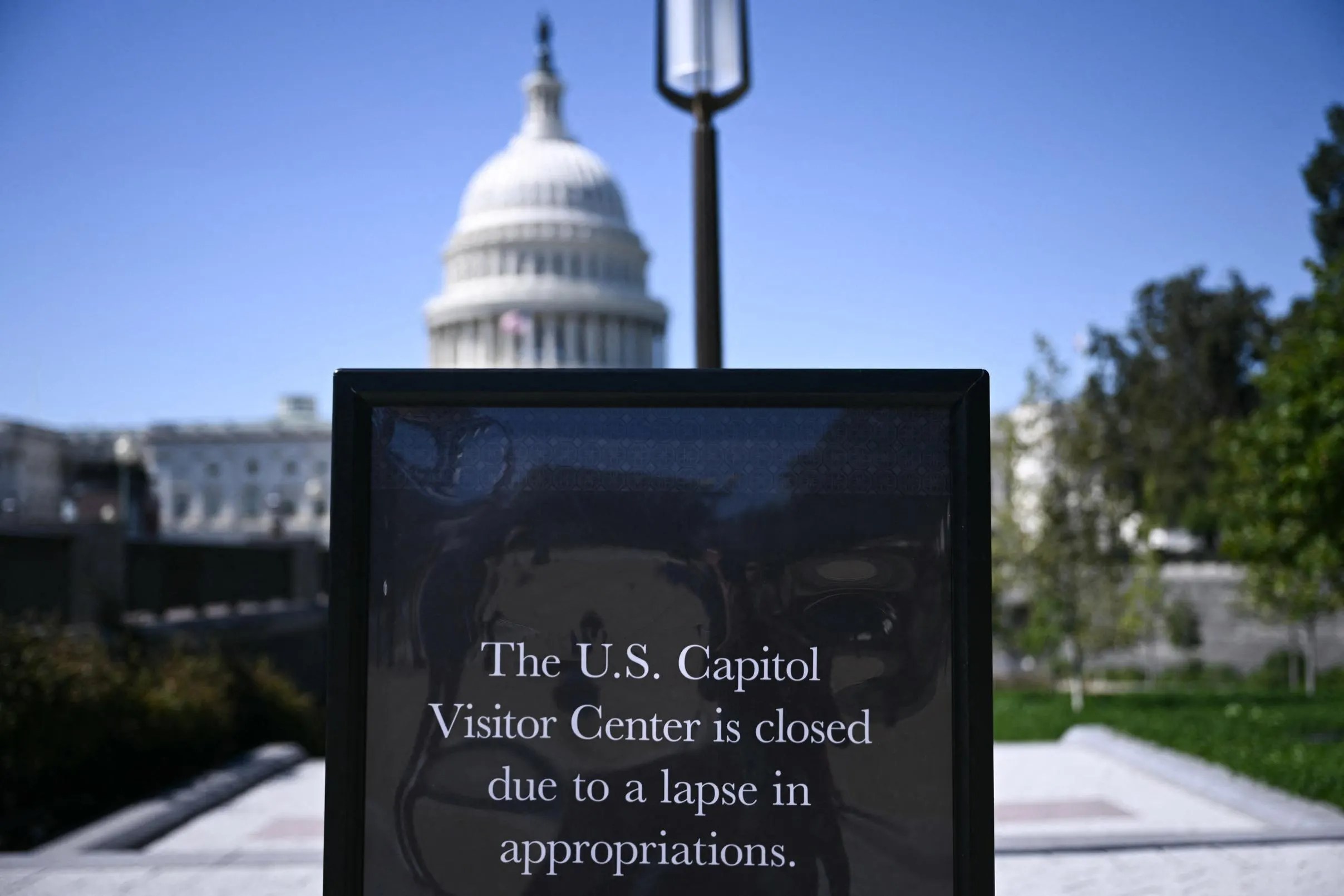
Currently, legislation to extend the tax credits remains stalled in Congress. The bill has yet to pass either the U.S. House of Representatives or the U.S. Senate. The dispute over whether to renew the enhanced tax credits has been a key sticking point in budget negotiations, playing a central role in the federal government shutdown. The current shutdown is now the longest in U.S. history, surpassing the 35-day lapse in government funding that occurred in 2019.

“The expiring tax credits are a central issue in the ongoing Congressional budget standoff, as Democrats want the tax credits extended as part of a budget deal while Republicans want to reopen the government before negotiating over an extension,” KFF said in its analysis of the poll data, which was released Thursday.

Public views on the extension of the tax credits have remained largely stable since before the shutdown began, according to KFF. However, support among Republicans has dipped—from 59% in September to 50% now. Among self-identified supporters of former President Trump’s “Make America Great Again” movement, support for extension fell from 57% in September to 44% in the latest poll.

If Congress fails to act, individuals purchasing coverage through the federal or state ACA exchanges could see premium increases of 75% or more, according to health insurers. Open enrollment for 2025 coverage began November 1 and runs through December 15. Insurers have already reported that they expect to lose customers without the enhanced subsidies.

“We are supporting a population staring down (enhanced premium tax credit) expiration and potentially the wholesale loss of affordable healthcare coverage next year,” said Sarah London, CEO of Centene, the nation’s largest provider of Obamacare coverage with 5.8 million enrollees in its Ambetter brand health plans. Her comments came during Centene’s third quarter earnings call last week.

UnitedHealthcare, the nation’s largest health insurer and a unit of UnitedHealth Group, currently covers 1.7 million people through ACA plans but expects to lose two-thirds of its ACA enrollees. “Where we are unable to reach agreement on sustainable rates, we are enacting targeted service area reductions,” said UnitedHealthcare CEO Tim Noel. “We believe these actions will establish a sustainable premium base while likely reducing our ACA enrollment by approximately two-thirds.”

As the debate in Congress continues, the fate of affordable coverage for millions of Americans hangs in the balance.
https://bitcoinethereumnews.com/finance/as-shutdown-drags-on-support-remains-high-for-aca-tax-credits-poll-says/

Exit mobile version
Sitemap Index