
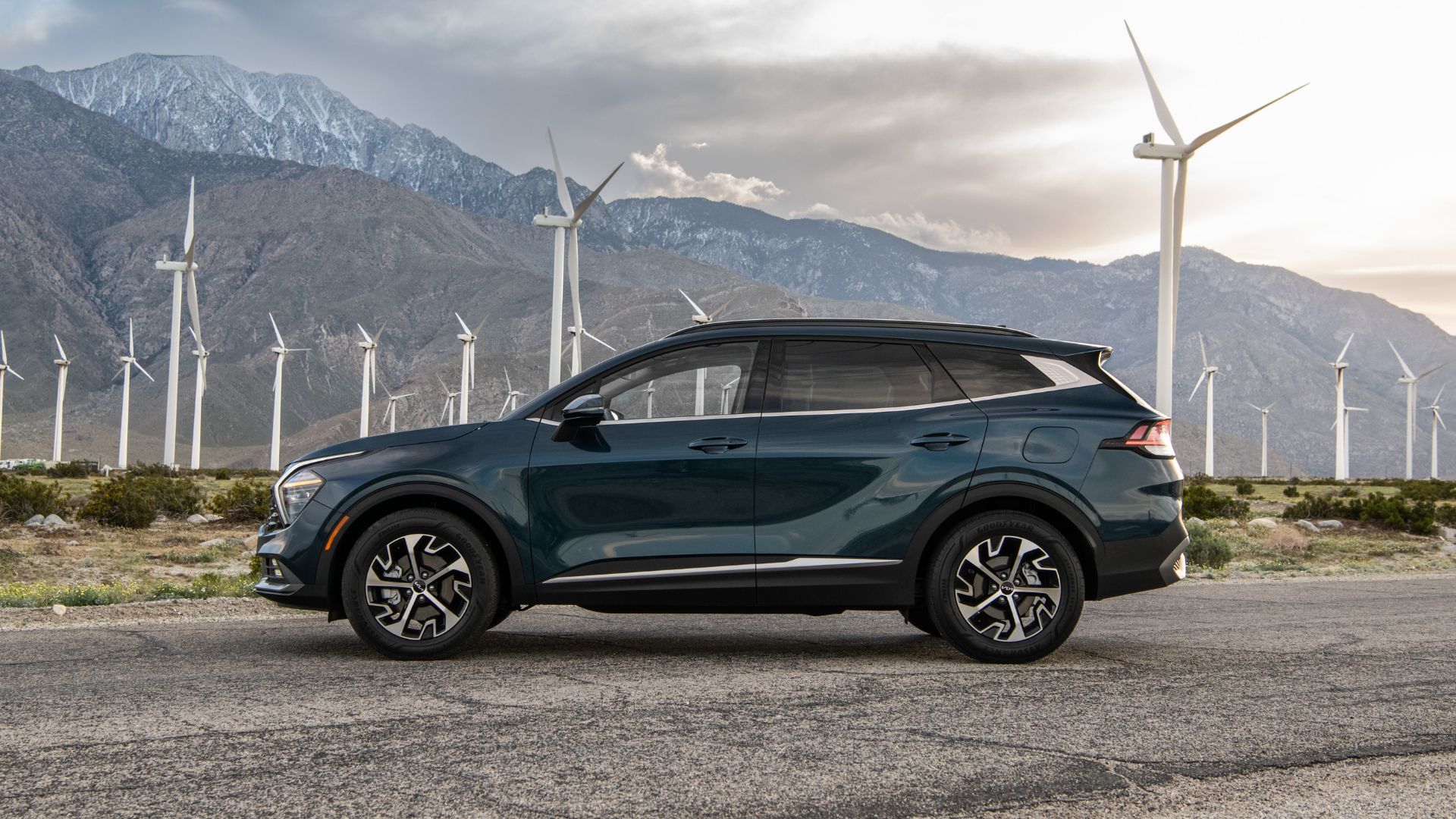
For years, Toyota and Honda were the go-to names for cars that just keep running. Their long-standing reputation for reliability made them the default choice for many buyers. Kia, once seen as the budget pick, has completely turned heads. With bold designs, nicer interiors, and improving reliability, it’s winning over customers who used to stick with Japanese favorites. The gap between Japanese and Korean brands is shrinking fast. Toyota and Honda still have their legacy, but Kia’s latest models, from the Telluride to the EV9, prove it’s now a serious contender. How Kia went from budget pick to dependable favorite Kia’s journey from a struggling budget brand in the early 2000s to a respected global automaker is one of the biggest turnarounds in recent car history. Back then, Kia cars were cheap, simple, and often struggled with mechanical problems that gave the brand a “just okay” reputation. The early U. S. lineup, with models like the Sephia and first-generation Rio, focused more on price than durability. After Hyundai Motor Group took over and poured resources into R&D, Kia started reshaping its image and aiming higher than “good enough.” The launch of the ten-year/100, 000-mile powertrain warranty made it clear Kia was serious about reliability. That bold move signaled the brand’s new focus on building cars people could trust for the long haul. Fast-forward to today, and Kia’s dependability tells a very different story. Recent J. D. Power Vehicle Dependability Studies show the brand consistently beating industry averages and even topping Toyota and Honda in some years. Models like the Sportage, Sorento, and Telluride earn praise for solid build quality and lasting performance. Meanwhile, electrified models like the EV6 prove Kia can innovate without sacrificing reliability. The brand’s transformation shows that smart engineering, tight quality control, and earning customer trust can turn a once-overlooked name into a serious reliability contender. Toyota’s legacy of longevity and why it still leads the pack Toyota’s reputation for reliability is legendary, built on decades of careful engineering and a commitment to continuous improvement, or “Kaizen.” From the Corolla to the Camry, the brand has stuck to a simple formula: proven mechanical systems, minimal unnecessary complexity, and quality over gimmicks. The payoff is cars that often go well past 200, 000 miles with little trouble. That track record keeps Toyota at the top of long-term dependability rankings year after year. It’s no surprise the brand consistently dominates reports from J. D. Power, Consumer Reports, and RepairPal. Toyota’s focus on doing things right has made reliability more than a feature-it’s the standard. What really sets Toyota apart is its careful, conservative approach to change. New technology only makes it into cars once it’s proven, tested, and reliable. Take hybrids, for example. Since introducing the Prius in the late ’90s, Toyota’s hybrid systems have become the global standard for durability and efficiency. From a ten-year-old Tacoma still on the road to a Highlander Hybrid outlasting its peers, Toyota continues to set the bar for what reliability looks like today. Honda’s engineering precision and why consistency drives its success If Toyota’s strength is steady consistency, Honda’s comes from precise engineering. The brand has earned praise for engines and transmissions that deliver both performance and reliability, a rare combination. From VTEC-equipped Civics in the ’90s to today’s turbocharged Accords, Honda has always balanced fun-to-drive cars with long-lasting dependability. Its “Man Maximum, Machine Minimum” philosophy keeps vehicles reliable without sacrificing driver enjoyment or practicality. This careful balance has made Honda a favorite for enthusiasts and families alike, offering cars that are both engaging and dependable day after day. Honda built its reputation on solid mechanical engineering rather than flashy tech, and it’s adapted over the years without losing reliability. While infotainment has sometimes lagged behind, engines, transmissions, and suspensions remain among the most dependable in the industry. J. D. Power consistently ranks Honda near the top alongside Toyota, and models like the Accord, CR-V, and Civic still lead in resale value. Even as the brand explores electrification and advanced driver-assist features, its reliability remains rooted in precise engineering. It’s proof that smart innovation and long-term dependability can go hand in hand when done with care. How Kia’s current lineup compares with its Japanese competitors Kia’s current lineup shows a level of reliability and polish that would have been hard to imagine twenty years ago. Models like the Telluride, Sorento, and K5 earn top marks for dependability and owner satisfaction, putting them on par with Toyota and Honda. J. D. Power’s 2024 Vehicle Dependability Study even ranked Kia among the top five most reliable brands in the U. S., ahead of both Japanese giants. This rise isn’t by chance-Kia’s parent company has poured resources into quality testing, advanced materials, and manufacturing practices that rival the best in Japan. Kia’s rise hasn’t come without a few bumps. While its drivetrains are solid, some owners report issues with electronics and infotainment, especially on newer, tech-heavy models. Toyota and Honda take a slower approach, introducing new features only once they’ve been thoroughly proven. Kia’s bold innovation gives it style and appeal, but it can sometimes carry reliability risks that the Japanese brands avoid. Still, when it comes to value and warranty coverage, Kia stands out. Its long-term peace of mind often surpasses what Toyota and Honda offer. Has Kia finally caught up to Toyota and Honda? The gap between Kia and its Japanese rivals has never been smaller, though whether it’s fully closed depends on how you look at it. On paper, Kia’s reliability scores now match or even surpass Toyota and Honda in several key segments. Its ten-year warranty adds extra peace of mind, helping ease any lingering doubts about long-term durability. Models like the EV6 and Telluride prove Kia can make cars that are both dependable and aspirational-a feat once reserved for Japan’s top brands. With a focus on constant improvement, customer satisfaction, and standout design, Kia has moved from underdog to serious contender in the reliability race. When it comes to decades-long longevity, Toyota and Honda still lead the pack. Both brands have countless vehicles surpassing 300, 000 miles, while Kia is still building that track record. Time-tested reliability remains a major factor, especially for used car buyers who think of Toyota and Honda as nearly indestructible. But if Kia keeps up its current pace, it’s not a matter of if, but when it will reach the same level. The old reliability hierarchy is starting to shift. Kia’s rise shows that long-term quality and dependability no longer belong solely to Japan’s automakers.
https://www.howtogeek.com/kia-toyota-honda-reliability-comparison/
Tag: toyota

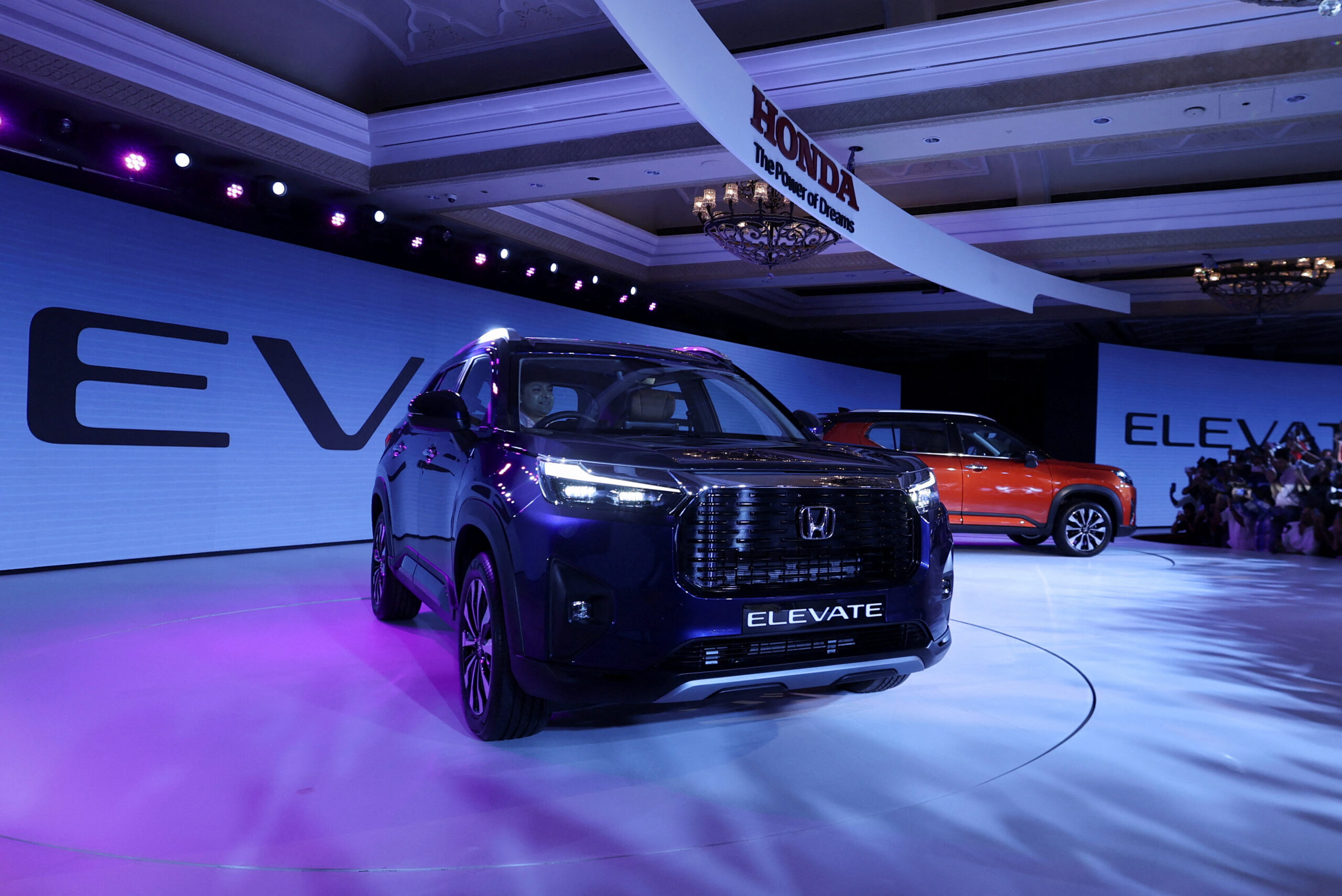
Toyota, Honda turn India into car production hub in pivot away from China – News India Times
TOKYO (Reuters) – Toyota, Honda, and Suzuki are investing billions of dollars to build new cars and factories in India, signaling the country’s growing importance as a manufacturing hub. This shift reflects Japanese automakers’ efforts to redraw global supply chains and reduce dependence on China.
Toyota, the world’s largest carmaker, and Suzuki, the leader in the Indian market with almost a 40% share, have separately announced investments totaling $11 billion to enhance manufacturing and export capabilities in the world’s third-largest auto market. Meanwhile, Honda recently revealed plans to make India a production and export base for one of its upcoming electric cars.
India’s low costs and vast labor pool have long attracted manufacturers. Now, Japanese automakers are stepping up operations as they pivot away from China, both as a market and manufacturing base, according to multiple industry executives.
Another advantage is that India remains almost entirely closed to Chinese electric vehicles (EVs). This means Japanese carmakers, at least for now, won’t face intense competition from Chinese firms like BYD. Chinese EV makers have engaged in brutal price wars that have made it difficult to turn profits at home. Adding to the challenge, these Chinese carmakers are expanding overseas, snatching market share from Japanese rivals in Southeast Asia.
“India is a good choice as a replacement market for China,” said Julie Boote, an autos analyst at Pelham Smithers Associates in London, citing low profit margins in China. “For the time being, the Japanese think it’s a much better market because they don’t have to deal with the Chinese competitors.”
Additional draws include improved quality of India’s manufactured goods and incentives from Prime Minister Narendra Modi’s government, executives said. Toyota and Suzuki each hold majority ownership of their Indian units, while Honda owns 100% of its business in the country.
### Toyota Goes Local in India
Japan’s annual direct investment in India’s transport sector, which includes automakers, surged more than sevenfold between 2021 and 2024, reaching 294 billion yen ($2 billion) last year. In contrast, Japanese direct investment in China’s transport sector dropped 83% over the same period to 46 billion yen.
Toyota is collaborating with Japanese and Indian vendors to reduce costs and expand the production of hybrid components. Due to a surge in demand this year, India experienced a tight supply of hybrid parts. “It is no longer about global specifications but about local ones,” said an executive at a major Toyota supplier.
The automaker plans to launch 15 new and refreshed models in India by the end of the decade and expand its network in rural areas. Toyota aims to capture 10% of the passenger car market in India by 2030, up from 8% currently.
“The Indian market is extremely important and is set to grow in the future,” Toyota President Koji Sato said at last week’s Japan Mobility Show, noting that many other automakers are also focusing on the market.
Last year, Toyota announced more than $3 billion in investments to increase production capacity at its existing factory in southern India by approximately 100,000 vehicles annually. It is also building a new plant in western Maharashtra state, expected to begin production before 2030. These expansions will raise Toyota’s production capacity in India to over 1 million vehicles.
At its quarterly earnings call, Toyota highlighted India’s growing significance to its profits, especially as its North American business has been affected by tariffs.
### Support from the Modi Government
India’s economy has averaged 8% growth over the past three fiscal years, a pace the Modi government aims to sustain by attracting more foreign manufacturers. The government is rolling out incentives to encourage production for both domestic consumption and exports.
Last financial year, India manufactured around 5 million passenger cars, with nearly 800,000 exported and the remainder sold domestically. Domestic sales grew about 2% year-on-year, while exports rose by 15%.
Government restrictions on Chinese investments act as an additional form of support for Japanese automakers, making it difficult for new Chinese carmakers to enter and for existing players like SAIC’s MG Motor and BYD to expand.
“India’s protectionist stance toward neighbouring countries is a blessing in disguise for Japanese carmakers,” said Gaurav Vangaal of S&P Global Mobility. “Because of this, they see an opportunity to expand investment in India, enhancing their cost competitiveness against domestic players.”
Local companies such as Tata Motors and Mahindra & Mahindra are expanding their SUV offerings, taking market share from Suzuki. Before the pandemic, Suzuki held about 50% of India’s passenger car market. However, India remains a challenging market—foreign automakers like Ford and General Motors previously struggled and eventually exited.
### Honda Eyes Expansion in India
India is Honda’s largest market for its highly profitable two-wheel business. Now, the company intends to ramp up its four-wheel operations, Honda CEO Toshihiro Mibe told the mobility show.
Honda’s top three focus markets for its car business are the United States, followed by India and Japan. It plans to make India the production and export hub for one of its “Zero series” electric cars, with a model scheduled for export to Japan and other Asian markets from 2027.
### Suzuki’s Big Bet on India
Suzuki’s $8 billion investment in India aims primarily to expand local production capacity to 4 million cars per year, up from approximately 2.5 million currently. Its Indian subsidiary, Maruti Suzuki, is the country’s top-selling carmaker and largest car exporter.
“We would like to grow India as Suzuki’s global production hub,” President Toshihiro Suzuki said on the sidelines of the mobility show. “We would like to enhance exports from India.”
—
As Japanese automakers deepen their commitment to India, the country is poised to become a critical center in the global auto industry — serving not just its booming domestic market but also as a strategic manufacturing and export base.
https://newsindiatimes.com/toyota-honda-turn-india-into-car-production-hub-in-pivot-away-from-china/
Everything we know about Toyota’s upcoming sports car
**Everything We Know About Toyota’s Upcoming Sports Car**
*By Dwaipayan Roy | Oct 11, 2025, 05:29 pm*
Toyota has officially teased its upcoming sports car, generating excitement ahead of a major reveal event scheduled for Monday in Japan. The automaker shared teaser photos featuring a billboard at Fuji Speedway, showcasing the front end of the new sports car displayed alongside iconic Toyota models such as the LFA and 2000GT. These images were posted on Toyota’s official page on X, hinting at what’s to come.
### Upcoming Event and Teasers
A dedicated teaser website from Toyota further hints at the upcoming event, where the company plans to make several announcements across its various brands, including GR, Crown, and Daihatsu. While the landing page doesn’t reveal many details, it does offer some intriguing clues. A message on the site reads:
> “The sign at Fuji Speedway has changed. On the left is the 2000GT. Next to it is the LFA. And next to that.?”
This cryptic message suggests that Toyota is preparing to introduce a new model to stand alongside these legendary sports cars.
### Possible Reveal: GR GT3 and Lexus LFR
Speculation is rife that Monday’s event could feature the first look at Toyota’s new GR GT3 race car, which will likely serve as a precursor to the upcoming Lexus LFR model. David Wilson, President of Toyota Racing, has previously indicated that this GR GT3 car is set to make its racing debut at the 2026 Daytona 24 Hours in January.
Spy shots of testing prototypes reveal yellow stickers on the vehicles, suggesting a hybrid powertrain may be part of the new sports car’s design—highlighting Toyota’s continued push towards electrification in its performance lineup.
### What Else to Expect?
While the spotlight is on the new sports car and the possible GR GT3 and LFR reveals, Toyota has much more planned for the Monday event. Announcements related to the GR brand, as well as updates regarding the Crown and Daihatsu brands, may also be part of the program.
With anticipation building, enthusiasts and industry watchers alike are eager to see how Toyota plans to evolve its sports car heritage with this new model and what innovations will be introduced across its performance and luxury divisions.
Stay tuned for full coverage of Toyota’s reveal event and detailed insights into the future of its sporty lineup.
https://www.newsbytesapp.com/news/auto/toyota-teases-new-sports-car-hints-at-major-reveal-event/story