
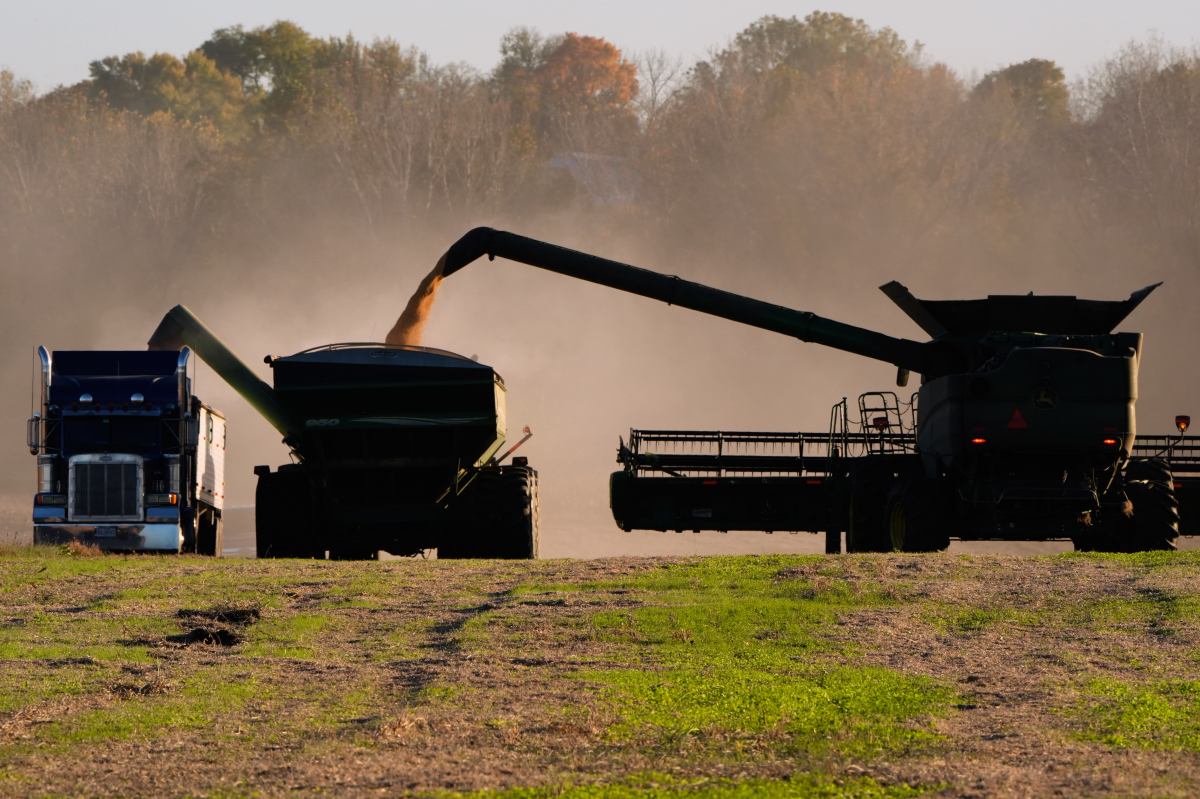
U. S. President Donald Trump says he is near an agreement with Chinese President Xi Jinping on greater and faster Chinese purchasing of U. S. farm products, predicting that the U. S. will be “pleasantly surprised.” Newsweek contacted the Chinese government for comment. Why It Matters China is the world’s largest soybean importer and has long been the top buyer of U. S. soybeans, but its purchases ground to a near halt this year in retaliation for Trump’s tariffs on Chinese goods, stinging American farmers. Trump announced a deal on soybeans-the most valuable U. S. agricultural export-on October 30, after talks with Xi in South Korea, to the relief of U. S. farmers. Greater Chinese purchasing of U. S. farm produce will boost U. S. exports as well as support for Trump in rural America. What To Know “I spoke to President Xi about buying our farm products and he said he agreed with me,” Trump told reporters on Air Force One, referring to his Monday phone call with the Chinese leader. Trump did not say specifically what Xi has agreed to, but mentioned more Chinese purchases of U. S. farm products. “I asked him, ‘I’d like you to buy it a little faster. I’d like you to buy more,’ and he’s more or less agreed to do that. I think we will be pleasantly surprised by the actions of President Xi,” Trump said. Treasury Secretary Scott Bessent said earlier that China would be buying a bounty of U. S. soybeans during the coming years. “The Chinese are right on schedule in terms of the cadence of their purchases. Over the next 3 1/2 years, we are going to see 87. 5 million metric tons purchased by the Chinese-minimum-and they are right on schedule,” he told CNBC in an interview Tuesday. The agreement Trump reached with Xi last month will bring total U. S. soybean exports to China this year to 18 million metric tons-down 32 percent from last year and marking the weakest year for American soy since 2018. China has diversified its imports this year by increasing purchases of lower-cost soybeans from Brazil-its top supplier-and Argentina, and analysts have said China is unlikely to reverse that trend, even if relations with the U. S. stabilize. The October deal included trade and tariff concessions from both sides. Trump agreed to delay his threatened 100 percent tariff on Chinese goods and reduce an existing duty on certain fentanyl precursor chemicals from 20 percent to 10 percent. In return, China postponed for at least one year its planned export restrictions on rare earth elements, which are crucial for defense and high-tech industries. What People Are Saying Trump, referring to Xi, to reporters: “I think he’s going to very much surprise you with the upside.” What Happens Next Trump has confirmed that he will be visiting China in April and that Xi would later visit the U. S. Bessent said Xi would also attend a G20 meeting in the U. S. next year and that Trump might visit China for an Asia-Pacific Economic Cooperation summit.
https://www.newsweek.com/donald-trump-floats-potential-surprise-after-trade-talks-with-chinas-xi-11110208
Tag: xi jinping

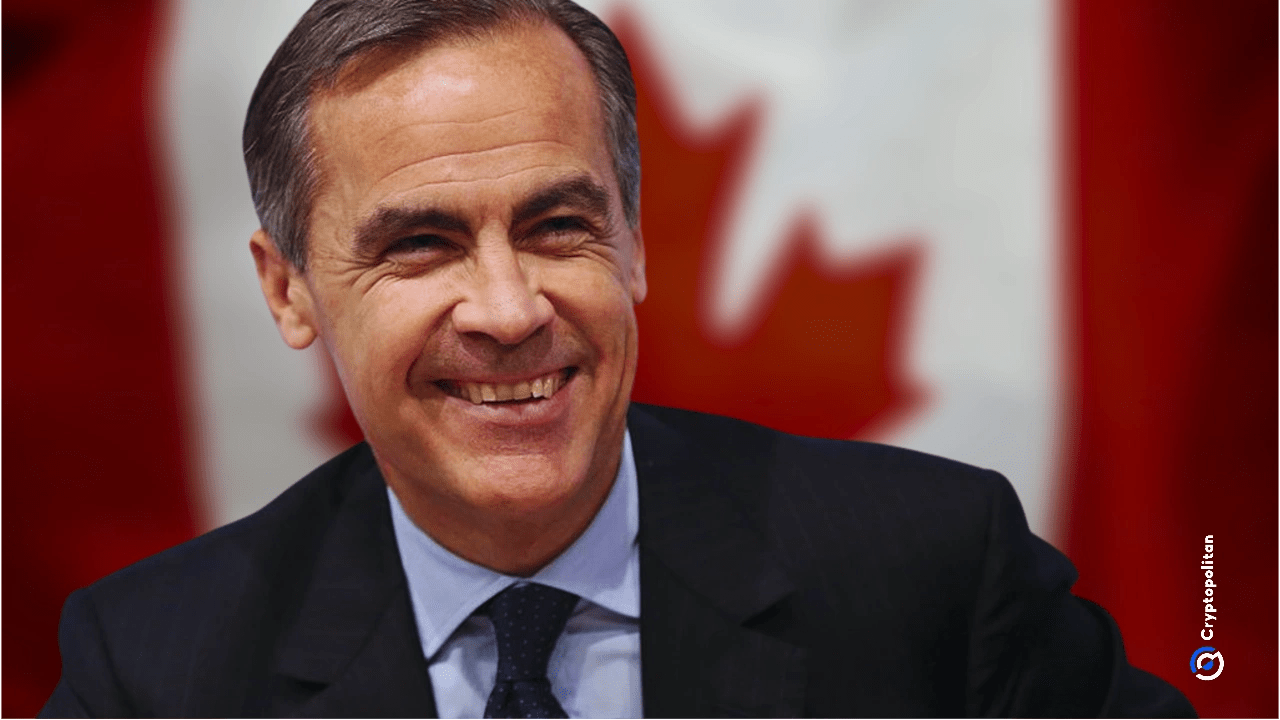
Carney meets China’s Xi after eight years, but deal remains elusive
Canada’s Prime Minister Mark Carney met with Chinese President Xi Jinping on Friday, marking the first time leaders from both countries have sat down for official talks in eight years. The meeting took place during the Asia Pacific Economic Cooperation summit in South Korea.
Carney told reporters on Saturday that people shouldn’t expect quick fixes from this single conversation. Instead, the goal was simply to restart dialogue at the highest level after such a long hiatus.
“What the meeting accomplished, which was the objective of the meeting, was to establish that relationship at the highest level for the first time in eight years, and to unlock a few things,” Carney said before heading back home.
The prime minister accepted an invitation from Xi to travel to China sometime in the new year. However, he refrained from commenting on when issues such as tariffs and travel restrictions between the two countries might be resolved.
“People sometimes simplify it down, to give this for that,” Carney explained. “That’s not the way it works.”
### Trade Disputes Between Canada and China
One of the major points of contention involves taxes placed on each other’s products. Last year, when Justin Trudeau was still prime minister, Canada imposed heavy tariffs on electric vehicles, steel, and aluminum imported from China. In response, China hit back by levying tariffs on Canadian food products, with canola being especially affected.
Canola represents a significant export for Canadian farmers selling to Asia, making these tariffs particularly impactful.
Carney expressed his desire to gradually open more opportunities for Canadian businesses in China. He highlighted clothing retailers such as Lululemon Athletica Inc. and Canada Goose Holdings Inc. as examples of companies that could benefit from improved trade relations.
However, he noted that some sectors, especially those involving cybersecurity technology, would likely continue to face investment restrictions due to security concerns.
### Walking a Careful Line on Electric Vehicles
When asked whether Canada would reconsider the 100% tariff imposed on Chinese electric vehicles, Carney did not provide a direct answer. He stated that the government would “proceed carefully” given the challenges facing the auto industry, likely alluding to tariffs imposed by U.S. President Donald Trump on Canadian cars entering the United States.
Still, Carney sees potential for cooperation between Canada and China in clean energy projects. He pointed out that Chinese companies lead the world in offshore wind power and battery storage technology.
“Some of the most competitive companies in the world are Chinese, in both offshore wind and in battery storage,” Carney said. “It’s a natural potential area for cooperation even before you get to EVs.”
### Complications with the United States
Canada also faces trade difficulties closer to home. Last week, President Trump announced he was ending trade discussions with Canada. This announcement came shortly after Ontario released an advertisement featuring audio from former President Ronald Reagan criticizing tariffs.
After speaking with Mark Carney, Ontario Premier Doug Ford decided to pause the advertising campaign on Monday to allow trade talks with the United States to resume. However, the ad continued to air during the World Series games over the weekend before the pause took effect.
“Our intention was always to initiate a conversation about the kind of economy that Americans want to build and the impact of tariffs on workers and businesses,” Ford said. “We’ve achieved our goal, having reached U.S. audiences at the highest levels.”
https://bitcoinethereumnews.com/finance/carney-meets-chinas-xi-after-eight-years-but-deal-remains-elusive/?utm_source=rss&utm_medium=rss&utm_campaign=carney-meets-chinas-xi-after-eight-years-but-deal-remains-elusive
Trump and Xi land in Busan for highly anticipated meeting over trade
Chinese President Xi Jinping and U.S. President Donald Trump arrived in Busan, South Korea, on Thursday ahead of a highly anticipated meeting to address trade and tariff concerns between the two countries.
The leaders met for a photo opportunity prior to their scheduled meeting at 11 a.m. local time (10 p.m. ET, Wednesday). This marks the first in-person meeting between Xi and Trump since the U.S. president began his second term in January.
The high-stakes summit comes amid escalating tensions between the world’s two largest economies throughout the year. The latest flare-up occurred earlier this month, with Beijing imposing export controls and Washington threatening to ban software-powered exports to China.
In recent days, the U.S. has outlined key areas it hopes to address in negotiations, including restricting the flow of fentanyl into the U.S. and the divestiture of TikTok from its Beijing-based parent company, ByteDance. Other focal points for discussion include tariffs, technology restrictions, and rare earth minerals.
While Beijing has been cautious about the likelihood of reaching an agreement, signs of a potential thaw appeared when China purchased its first shipment of U.S. soybeans in several months, according to a Reuters report on Wednesday.
Xi is attending South Korea for his first state visit in 11 years, from Thursday to Saturday, to participate in the APEC Economic Leaders’ Meeting in Gyeongju.
Investors are watching the developments closely, as the ongoing U.S.-China trade war has created uncertainty in global markets. Optimism over the possibility of a trade deal helped push global markets higher at the start of the week.
Stay tuned for further updates from Busan as the world awaits the outcome of this crucial meeting.
https://www.cnbc.com/2025/10/30/trump-and-xi-land-busan-meeting-trade-and-tariffs-.html