
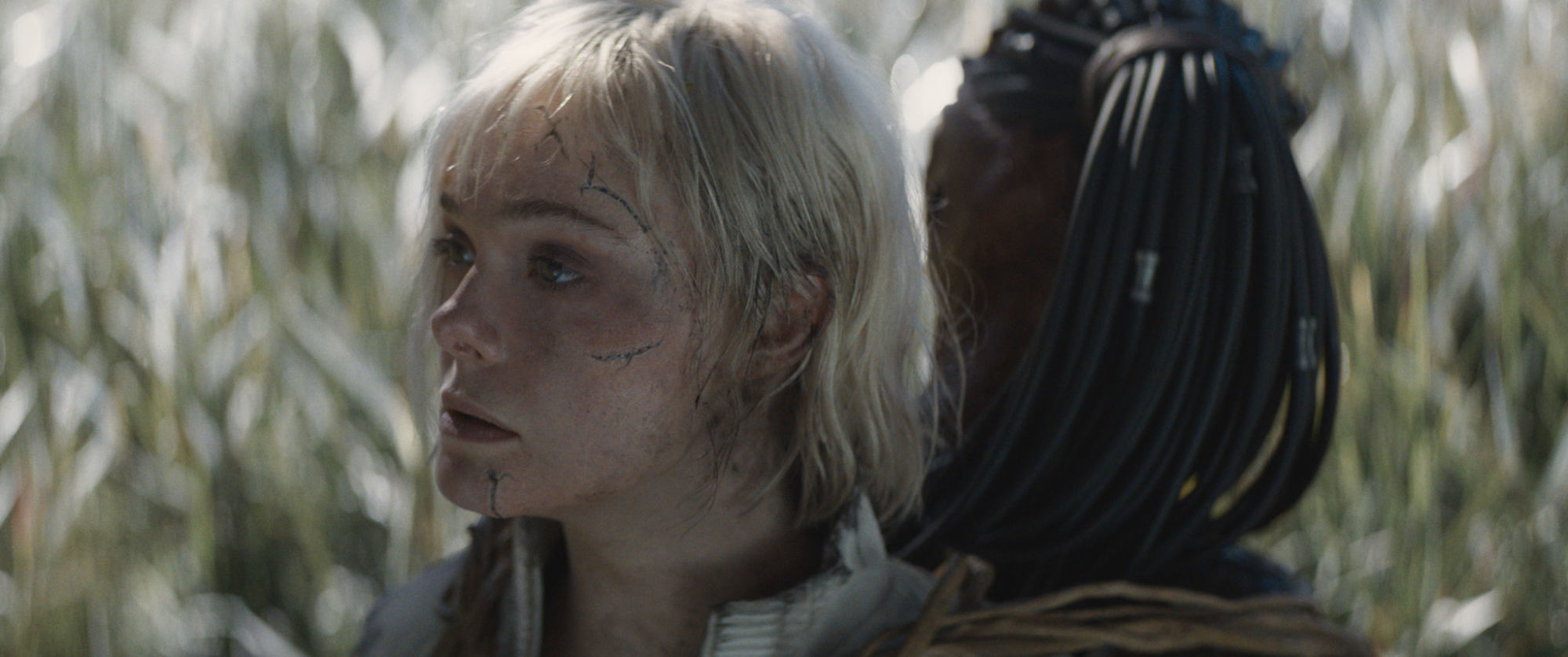
The director of Predator: Badlands opens up about how he wanted to place the film at the furthest point of the Alien and Predator franchises. Predator: Badlands is turning out to be exactly the kind of win the franchise needed to prove itself with modern audiences. During its opening weekend, the new sci-fi action film opened at number one and pulled in about $80 million worldwide, including $40 million domestic, which happens to be a record opening for a Predator movie. And early legs look pretty reliable too, with a worldwide total around $82. 8 million so far on a 105 million budget, an A- on CinemaScore, and a fairly strong Rotten Tomatoes score that has critics calling it one of the freshest entries since the original. Part of the buzz comes from where it sits in the larger Alien and Predator universe. Director Dan Trachtenberg has been clear that Predator: Badlands pushes things further ahead than anything we have seen before. And, when speaking about the timeline, he explained that the movie is set at the furthest point in the future for both franchises and talked about navigating around other recent projects. Predator: Badlands Director on Timeline He tells Variety, “Very intentionally, it is the furthest into the future in both Predator and Alien. When we were making it, I wasn’t really sure what was going on with Alien: Romulus, and I don’t even know how aware I even was of Alien: Earth. So I just didn’t want to step on anyone’s toes. I wanted to make sure we were doing our own thing, and selfishly, I’d also done so much Predator in different time periods that I was excited for this to be in the future, even past Alien: Resurrection.” Story-wise, Predator: Badlands takes place centuries from now on the hostile planet Genna. It follows Dek, a young Yautja who is exiled from his clan as a runt and given one last chance to prove himself by hunting the legendary apex creature known as the Kalisk. After crash landing, he teams up with Thia, a damaged Weyland Yutani synthetic who is stranded after her own mission goes sideways, and a small native creature nicknamed Bud. Together they face Genna’s brutal wildlife, a rival Predator clan, and a Weyland Yutani team that wants to weaponize the Kalisk. Dimitrius Schuster Koloamatangi plays Dek and also voices some of the other Predators. Elle Fanning plays Thia along with her more ruthless synthetic sister Tessa. The supporting roles are mostly other creatures and androids, which reinforces the hook that there are no human characters this time. That choice also lets the film lean harder into Predator culture and Weyland Yutani lore, including nods that connect it spiritually to the Alien side without turning it into a full crossover. Predator: Badlands hit theaters in the United States on November 7, including IMAX and RealD 3D runs. And with the film positioned as the furthest step forward in both timelines (and already performing well), it feels like it’s only a matter of time before they cross paths yet again.
https://bleedingcool.com/movies/predator-badlands-director-on-navigating-two-franchise-timelines/
Category: general

Inflation and Affordability Are Still Everything
Hello and welcome to the newsletter, a grab bag of daily content from the Odd Lots universe. Sometimes it’s us, Joe Weisenthal and Tracy Alloway, bringing you our thoughts on the most recent developments in markets, finance and the economy. And sometimes it’s contributions from our network of expert guests and sources. Whatever it is, we promise it will always be interesting.
https://www.bloomberg.com/news/newsletters/2025-11-17/inflation-and-affordability-are-still-everything


Lubbock Will Remove Buddy Holly-Themed Crosswalk After Federal Crackdown
A Trump administration directive targeting political road markings has left places like Lubbock, Texas, helpless to challenge broad new policies.
https://www.nytimes.com/2025/11/17/us/buddy-holly-crosswalk-texas.html

Revolutionary Cryptocurrency Banking Breakthrough As LevelField Acquires Burling Bank
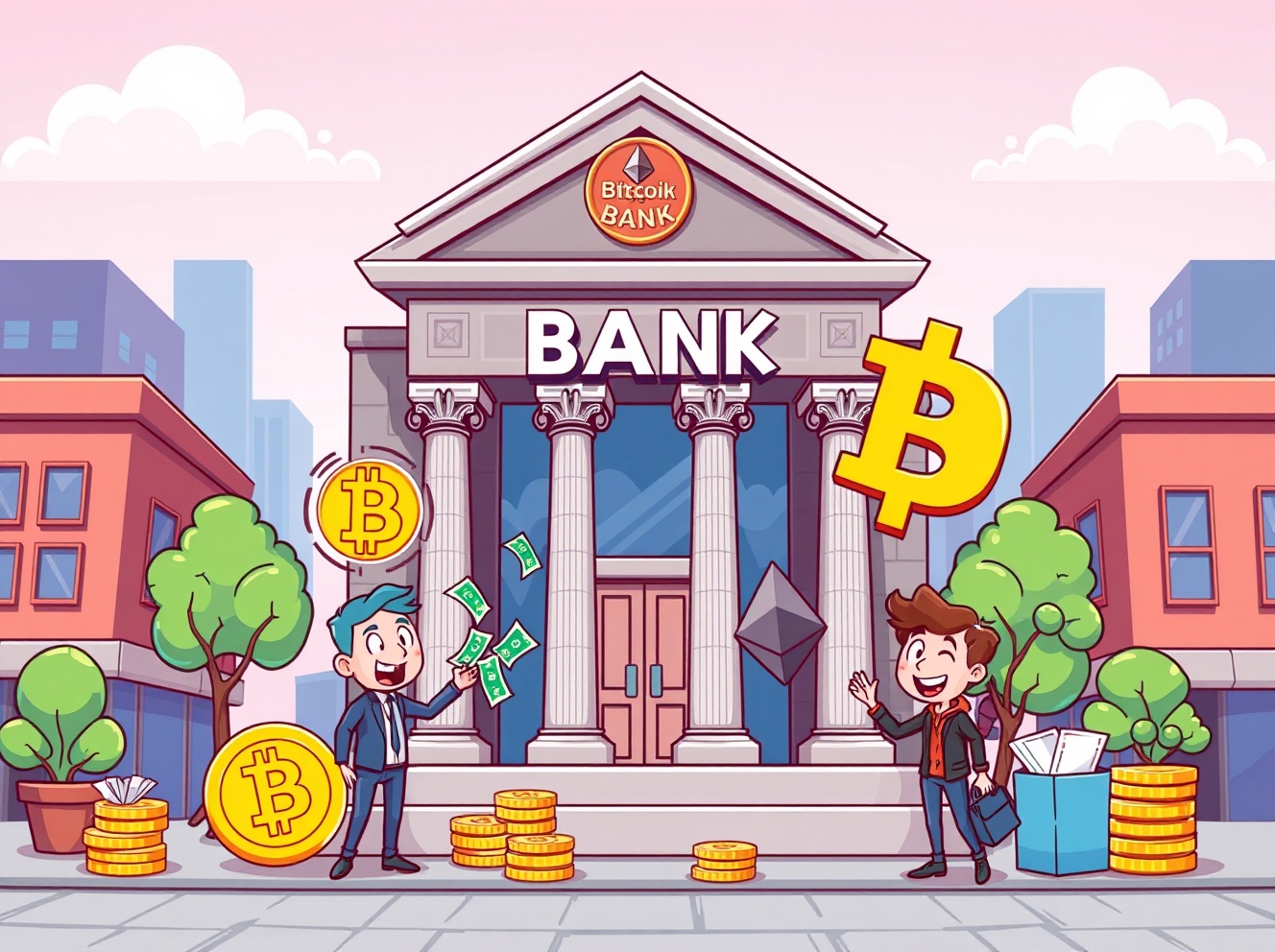
Imagine walking into your local bank and seamlessly accessing both traditional financial services and cryptocurrency investments. This vision is becoming reality as LevelField secures regulatory approval to acquire Burling Bank, marking a significant milestone in cryptocurrency banking evolution. What Does This Cryptocurrency Banking Acquisition Mean? The groundbreaking deal represents one of the first major moves to integrate cryptocurrency services directly into an FDIC-insured banking institution. LevelField’s planned transformation of Burling Bank could set new standards for cryptocurrency banking accessibility and security. According to Bloomberg reports, the acquisition has cleared crucial regulatory hurdles and now only requires final approval from the U. S. Federal Reserve. This development signals growing regulatory acceptance of cryptocurrency banking models. Why Is This Cryptocurrency Banking Move Important? The integration of cryptocurrency services into traditional banking addresses several critical challenges facing digital asset investors: Enhanced Security: FDIC insurance provides protection for customer deposits Regulatory Compliance: Built-in adherence to banking regulations Mainstream Accessibility: Familiar banking interfaces for cryptocurrency services Integrated Financial Management: Combined traditional and digital asset accounts This cryptocurrency banking initiative could bridge the gap between conventional finance and digital assets, making cryptocurrency services available to millions of bank customers who might otherwise hesitate to enter the digital asset space. How Will Cryptocurrency Banking Services Work? The transformed Burling Bank will operate as a full-service institution offering both traditional banking and cryptocurrency services. Customers can expect: Cryptocurrency buying and selling through banking platforms Secure digital asset storage solutions Integrated account management Regulatory-compliant transaction monitoring This cryptocurrency banking model represents a significant step toward legitimizing digital assets within the traditional financial system. Moreover, it provides a regulated pathway for institutional and retail investors to participate in cryptocurrency markets. What Challenges Remain for Cryptocurrency Banking? Despite the progress, several hurdles remain for widespread cryptocurrency banking adoption: Final Federal Reserve approval requirements Technical integration complexities Regulatory compliance across multiple jurisdictions Customer education and adoption rates However, the LevelField-Burling Bank deal demonstrates that cryptocurrency banking is moving from theoretical concept to practical reality. The successful implementation could inspire similar initiatives across the financial sector. The Future of Cryptocurrency Banking This acquisition signals a transformative moment for cryptocurrency banking infrastructure. As traditional financial institutions recognize the demand for digital asset services, we can expect more banks to explore similar cryptocurrency banking integrations. The LevelField model could become the blueprint for future cryptocurrency banking services, combining the security of FDIC insurance with the innovation of digital asset management. This approach addresses consumer concerns about security while providing access to emerging financial technologies. Conclusion: A New Era for Cryptocurrency Banking The LevelField acquisition of Burling Bank represents more than just a business transaction-it symbolizes the maturation of cryptocurrency banking. By bringing digital assets under the regulatory umbrella of traditional banking, this move could accelerate mainstream adoption while maintaining necessary consumer protections. As the financial landscape evolves, cryptocurrency banking services like those planned by LevelField may become standard offerings at banks nationwide. This development marks a crucial step toward integrating digital assets into everyday financial life. Frequently Asked Questions What is cryptocurrency banking? Cryptocurrency banking refers to traditional financial institutions that integrate digital asset services alongside conventional banking products, allowing customers to manage both fiat currency and cryptocurrencies through unified platforms. When will LevelField complete the Burling Bank acquisition? The deal currently awaits final approval from the U. S. Federal Reserve. While no specific timeline has been announced, regulatory processes typically take several months to complete. Will cryptocurrency services be available to all Burling Bank customers? While specific rollout plans haven’t been detailed, LevelField intends to transform Burling Bank into a full-service institution offering cryptocurrency banking services to interested customers. Are cryptocurrency deposits FDIC insured? Traditional deposit accounts remain FDIC insured, but cryptocurrency assets typically fall outside FDIC coverage. However, the banking infrastructure provides additional security measures for digital asset storage. How does this affect existing Burling Bank customers? Existing customers will maintain their current services while gaining access to new cryptocurrency banking options as they become available following the acquisition completion. Will other banks follow this cryptocurrency banking model? The success of LevelField’s cryptocurrency banking initiative could inspire similar moves across the industry as financial institutions seek to meet growing customer demand for digital asset services. Found this insight into cryptocurrency banking evolution valuable? with colleagues and friends interested in the future of finance and digital assets. Help spread awareness about how cryptocurrency banking is transforming our financial landscape. To learn more about the latest cryptocurrency banking trends, explore our article on key developments shaping cryptocurrency institutional adoption.
https://bitcoinethereumnews.com/tech/revolutionary-cryptocurrency-banking-breakthrough-as-levelfield-acquires-burling-bank/

Decentralized Infrastructure Network Launches on EigenLayer, Enhancing Web3 Security
The Decentralized Infrastructure Network (DIN), a Consensys-backed initiative, has launched its Autonomous Verifiable Service (AVS) on the EigenLayer mainnet. This marks a significant development in decentralized infrastructure, as DIN becomes the first large-scale RPC marketplace to utilize EigenLayer’s restaking and slashing mechanisms. By doing so, it aims to tackle one of web3’s critical vulnerabilities: the centralization of infrastructure. The Challenge of Centralized Infrastructure Despite the decentralization ethos of web3, a significant portion of RPC traffic is handled by a few centralized providers. This creates systemic risks, as any downtime in major providers can impact wallets, dApps, and DeFi protocols, affecting millions of users. EigenLayer’s Role in Decentralization EigenLayer’s AVS model is crucial to DIN’s operations, providing the cryptoeconomic foundation needed for decentralized RPC at scale. Through ETH and stETH restaking, node operators serving RPC requests have real economic stakes in infrastructure reliability. This model transforms RPC services from trust-based to cryptoeconomically secured systems. The system operates through three key mechanisms: Economic Security Through Restaking: Node operators are backed by restaked ETH, turning infrastructure provision into a service with tangible economic guarantees. Performance Verification Through Watchers: Independent watcher nodes monitor RPC provider performance, ensuring accountability for service quality. Accountability Through Slashing: EigenLayer’s slashing mechanism enforces high reliability among node providers by imposing economic penalties for non-compliance with service agreements. Proven Scale and Integration DIN is already operational at scale, integrated into platforms like MetaMask and Infura, and handling over 13 billion requests monthly across more than 30 networks, including Ethereum L1 and several Layer 2s. The network’s incentivized testnet has shown impressive metrics, such as a >99% success rate for RPC operations and median latency under 250ms. Implications for Ethereum and Web3 DIN AVS is a crucial demonstration of EigenLayer’s potential to extend Ethereum’s security to web3 infrastructure. By implementing restaking and slashing in RPC operations, DIN provides developers with cryptoeconomic guarantees, fulfilling web3’s promise of end-to-end verifiability without relying on trusted infrastructure. For more details, visit the EigenCloud blog. Image source: Shutterstock.
https://Blockchain.News/news/decentralized-infrastructure-network-launches-on-eigenlayer-enhancing-web3-security

Larsen Marine Welcomes Manitowoc Marina as Newest Boat Dealership Partner
Larsen Marine is proud to welcome Manitowoc Marina as our newest boat dealership partner and tenant. WAUKEGAN, Ill., Nov. 17, 2025 /PRNewswire-PRWeb Larsen Marine is proud to welcome Manitowoc Marina as our newest boat dealership partner and tenant. Manitowoc Marina brings decades of experience, a strong reputation for customer care, and a commitment to quality yacht sales and service. Through this partnership, boaters in the greater Chicago and Lake Michigan area can now access Manitowoc Marina’s full lineup of Jeanneau boats along with expert sales and support. With full-service marinas in Manitowoc and Marinette, Wisconsin, Manitowoc Marina continues to expand its reach throughout the Great Lakes. This new sales location will operate from within Larsen Marine in Waukegan, Illinois. “We are excited to welcome Manitowoc Marina to Larsen Marine,” said Ryan Skiles, of TopSide Marinas. “They share our passion for boating and dedication to customer service. This partnership will give our customers even more access to top-quality Jeanneau models and expert guidance right here at our marina. Partnering with Larsen Marine gives us an incredible opportunity to better serve our Chicago-area boaters. With a convenient new location and the strength of two trusted marinas working together, our customers will enjoy even more support as they explore life on the water,” said Brad Eckhardt, Head of Sales at Manitowoc Marina Manitowoc Marina will represent Jeanneau from the new Waukegan location, with the Jeanneau 415 and Jeanneau 350 arriving in 2026. Jeanneau sailboats have long been associated with Larsen Marine, and this partnership now strengthens that relationship by adding Manitowoc Marina’s expertise and the complete Jeanneau power and sail lineup For more information about Manitowoc Marina and their offerings, visit www. manitowoc-marina. com. About Larsen Marine Founded in 1933, Larsen Marine is a full-service marina located in Waukegan, Illinois, providing storage, repairs, and sales for over 800 boats. With direct access to Lake Michigan and a legacy of exceptional service, Larsen Marine remains a trusted name among boaters throughout the region. About Manitowoc Marina Manitowoc Marina is a premier full-service marina and yacht sales organization based in Manitowoc, Wisconsin. With additional locations including Nestegg Marine in Marinette and Manitowoc Marina Yacht Sales of Chicago, the company proudly represents Axopar, BRABUS Marine, G-Force, Jeanneau, Rossiter, Tartan, and X-Yachts across the Great Lakes. Media Contact Jenny LoBello, TopSide Marinas, 1 9729715988, [email protected], SOURCE Manitowoc Marina.
https://www.prweb.com/releases/larsen-marine-welcomes-manitowoc-marina-as-newest-boat-dealership-partner-302616607.html

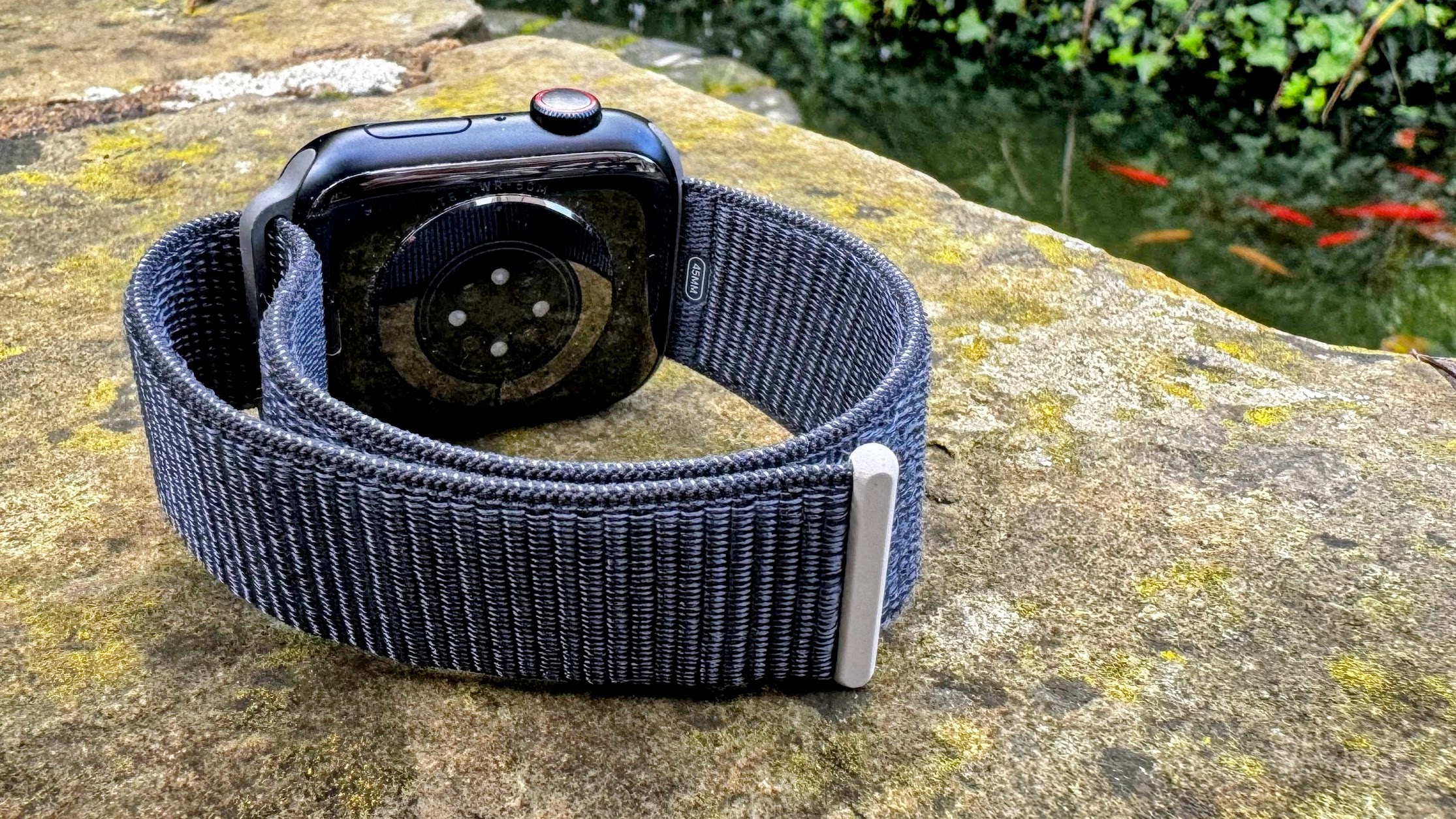
Apple hit with massive fine over Apple Watch dispute
Apple has suffered a major defeat in its long-term legal dispute with the medtech firm Masimo and has been ordered to pay $634 million in damages. As the Daily Journal reports, a federal jury agreed that the latter company’s pulse-oximetry patent was infringed by a feature in some Apple Watches. Apple had argued that damages should be in the $3m to $6m range, whereas Masimo had asked for between $634M and $749M. As part of the verdict, jurors decided that certain Apple Watch models can legally be classed as “patient monitors,” a question which was crucial to the patent-infringement claims. Apple had argued that its smartwatches don’t meet that definition because they don’t provide continuous monitoring, but Masimo argued that the Cupertino company embraced this definition in practice, if not in its marketing verbiage. The dispute has been running for years. Back in 2020, Masimo complained of employee poaching and patent infringement in the Apple Watch Series 4 and 5, which was later expanded to include the Series 6, and eventually the 7, 8, 9, and Ultra models. Last year, the U. S. International Trade Commission blocked sales of the Series 9 and Ultra 2, and Apple was obliged to software-block their blood-oxygen sensors. The feature was eventually restored in August of this year, but in a modified and arguably less useful form. Apple has issued a statement indicating that it intends to appeal the verdict. “We disagree with today’s decision, which we believe is contrary to the facts,” the statement reads. “Masimo is a medical device company that does not sell any products to consumers. Over the past six years, they have sued Apple in multiple courts and asserted over 25 patents, the majority of which have been found to be invalid. The single patent in this case expired in 2022, and is specific to historic patient monitoring technology from decades ago.”.
https://www.macworld.com/article/2974611/apple-hit-with-massive-fine-over-apple-watch-dispute.html

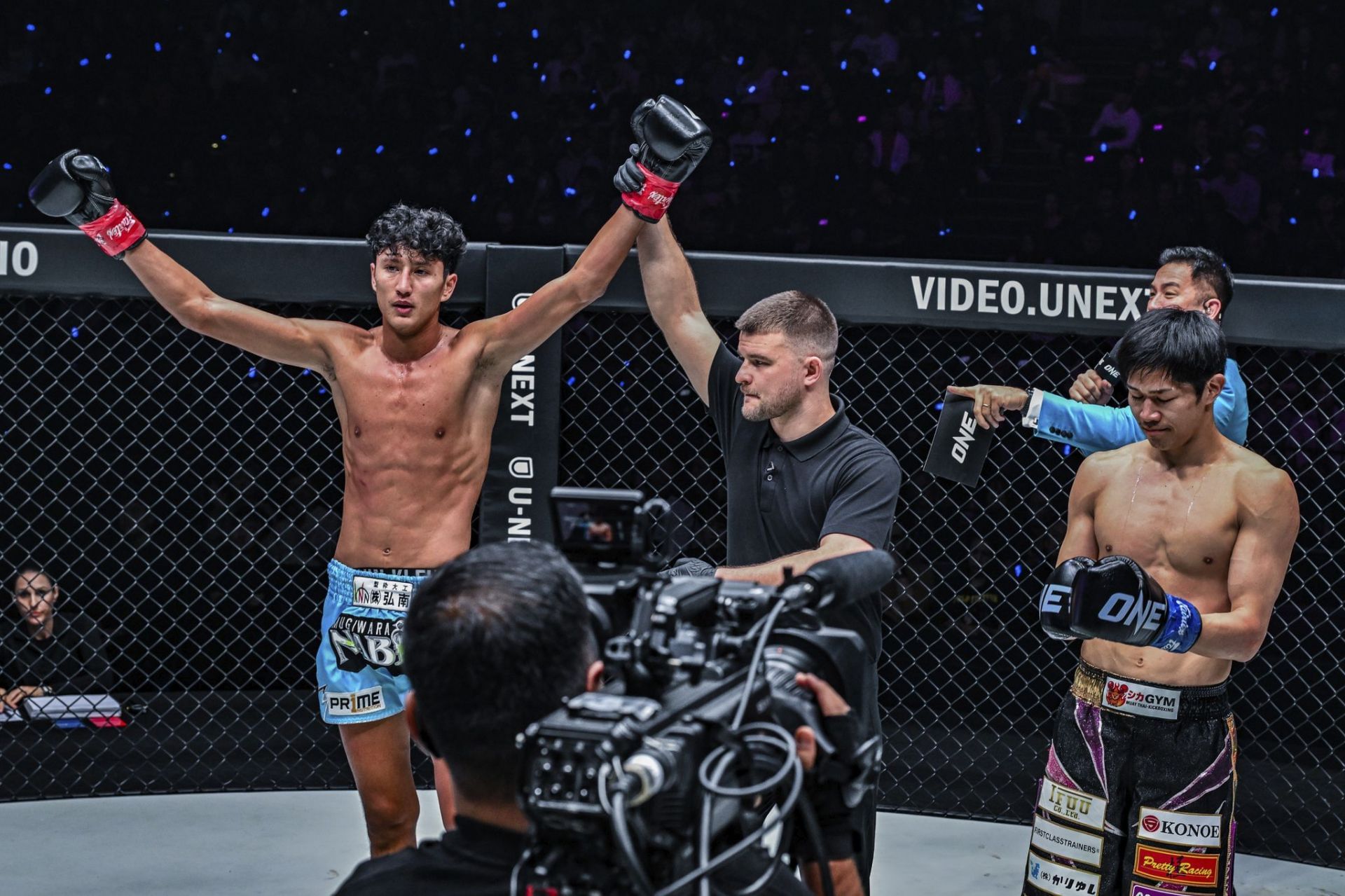
ONE 173 post-fight breakdown: Nabil Anane dominates at featherweight, spoils Hiromi Wajima’s ONE debut
Undisputed ONE Bantamweight Muay Thai World Champion Nabil Anane of Thailand once claimed he would bravely conquer multiple weight classes across two disciplines.
https://www.sportskeeda.com/mma/news-one-173-post-fight-breakdown-nabil-anane-dominates-featherweight-spoils-hiromi-wajima-s-one-debut
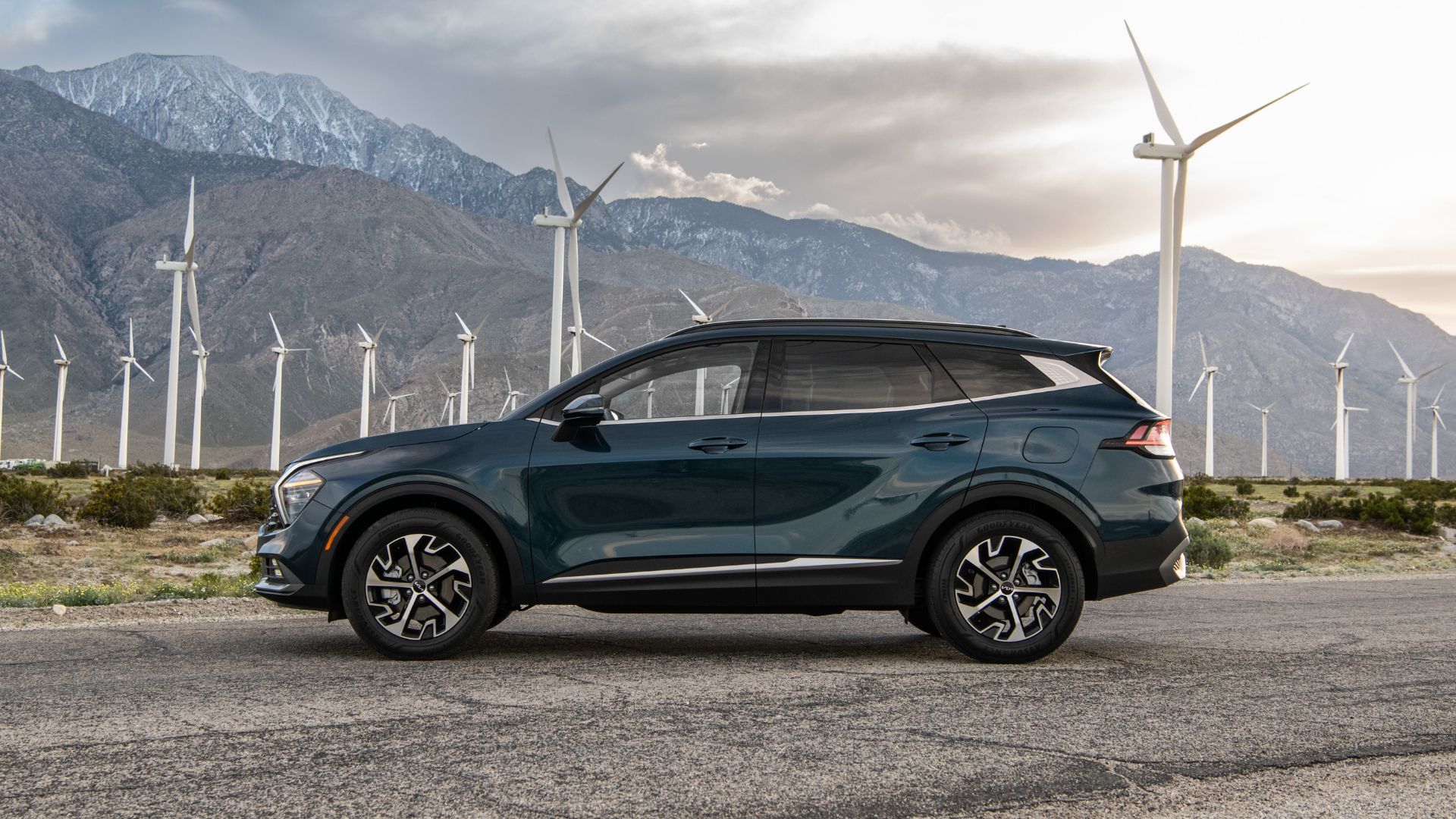
Kia, Toyota, and Honda reliability comparison
For years, Toyota and Honda were the go-to names for cars that just keep running. Their long-standing reputation for reliability made them the default choice for many buyers. Kia, once seen as the budget pick, has completely turned heads. With bold designs, nicer interiors, and improving reliability, it’s winning over customers who used to stick with Japanese favorites. The gap between Japanese and Korean brands is shrinking fast. Toyota and Honda still have their legacy, but Kia’s latest models, from the Telluride to the EV9, prove it’s now a serious contender. How Kia went from budget pick to dependable favorite Kia’s journey from a struggling budget brand in the early 2000s to a respected global automaker is one of the biggest turnarounds in recent car history. Back then, Kia cars were cheap, simple, and often struggled with mechanical problems that gave the brand a “just okay” reputation. The early U. S. lineup, with models like the Sephia and first-generation Rio, focused more on price than durability. After Hyundai Motor Group took over and poured resources into R&D, Kia started reshaping its image and aiming higher than “good enough.” The launch of the ten-year/100, 000-mile powertrain warranty made it clear Kia was serious about reliability. That bold move signaled the brand’s new focus on building cars people could trust for the long haul. Fast-forward to today, and Kia’s dependability tells a very different story. Recent J. D. Power Vehicle Dependability Studies show the brand consistently beating industry averages and even topping Toyota and Honda in some years. Models like the Sportage, Sorento, and Telluride earn praise for solid build quality and lasting performance. Meanwhile, electrified models like the EV6 prove Kia can innovate without sacrificing reliability. The brand’s transformation shows that smart engineering, tight quality control, and earning customer trust can turn a once-overlooked name into a serious reliability contender. Toyota’s legacy of longevity and why it still leads the pack Toyota’s reputation for reliability is legendary, built on decades of careful engineering and a commitment to continuous improvement, or “Kaizen.” From the Corolla to the Camry, the brand has stuck to a simple formula: proven mechanical systems, minimal unnecessary complexity, and quality over gimmicks. The payoff is cars that often go well past 200, 000 miles with little trouble. That track record keeps Toyota at the top of long-term dependability rankings year after year. It’s no surprise the brand consistently dominates reports from J. D. Power, Consumer Reports, and RepairPal. Toyota’s focus on doing things right has made reliability more than a feature-it’s the standard. What really sets Toyota apart is its careful, conservative approach to change. New technology only makes it into cars once it’s proven, tested, and reliable. Take hybrids, for example. Since introducing the Prius in the late ’90s, Toyota’s hybrid systems have become the global standard for durability and efficiency. From a ten-year-old Tacoma still on the road to a Highlander Hybrid outlasting its peers, Toyota continues to set the bar for what reliability looks like today. Honda’s engineering precision and why consistency drives its success If Toyota’s strength is steady consistency, Honda’s comes from precise engineering. The brand has earned praise for engines and transmissions that deliver both performance and reliability, a rare combination. From VTEC-equipped Civics in the ’90s to today’s turbocharged Accords, Honda has always balanced fun-to-drive cars with long-lasting dependability. Its “Man Maximum, Machine Minimum” philosophy keeps vehicles reliable without sacrificing driver enjoyment or practicality. This careful balance has made Honda a favorite for enthusiasts and families alike, offering cars that are both engaging and dependable day after day. Honda built its reputation on solid mechanical engineering rather than flashy tech, and it’s adapted over the years without losing reliability. While infotainment has sometimes lagged behind, engines, transmissions, and suspensions remain among the most dependable in the industry. J. D. Power consistently ranks Honda near the top alongside Toyota, and models like the Accord, CR-V, and Civic still lead in resale value. Even as the brand explores electrification and advanced driver-assist features, its reliability remains rooted in precise engineering. It’s proof that smart innovation and long-term dependability can go hand in hand when done with care. How Kia’s current lineup compares with its Japanese competitors Kia’s current lineup shows a level of reliability and polish that would have been hard to imagine twenty years ago. Models like the Telluride, Sorento, and K5 earn top marks for dependability and owner satisfaction, putting them on par with Toyota and Honda. J. D. Power’s 2024 Vehicle Dependability Study even ranked Kia among the top five most reliable brands in the U. S., ahead of both Japanese giants. This rise isn’t by chance-Kia’s parent company has poured resources into quality testing, advanced materials, and manufacturing practices that rival the best in Japan. Kia’s rise hasn’t come without a few bumps. While its drivetrains are solid, some owners report issues with electronics and infotainment, especially on newer, tech-heavy models. Toyota and Honda take a slower approach, introducing new features only once they’ve been thoroughly proven. Kia’s bold innovation gives it style and appeal, but it can sometimes carry reliability risks that the Japanese brands avoid. Still, when it comes to value and warranty coverage, Kia stands out. Its long-term peace of mind often surpasses what Toyota and Honda offer. Has Kia finally caught up to Toyota and Honda? The gap between Kia and its Japanese rivals has never been smaller, though whether it’s fully closed depends on how you look at it. On paper, Kia’s reliability scores now match or even surpass Toyota and Honda in several key segments. Its ten-year warranty adds extra peace of mind, helping ease any lingering doubts about long-term durability. Models like the EV6 and Telluride prove Kia can make cars that are both dependable and aspirational-a feat once reserved for Japan’s top brands. With a focus on constant improvement, customer satisfaction, and standout design, Kia has moved from underdog to serious contender in the reliability race. When it comes to decades-long longevity, Toyota and Honda still lead the pack. Both brands have countless vehicles surpassing 300, 000 miles, while Kia is still building that track record. Time-tested reliability remains a major factor, especially for used car buyers who think of Toyota and Honda as nearly indestructible. But if Kia keeps up its current pace, it’s not a matter of if, but when it will reach the same level. The old reliability hierarchy is starting to shift. Kia’s rise shows that long-term quality and dependability no longer belong solely to Japan’s automakers.
https://www.howtogeek.com/kia-toyota-honda-reliability-comparison/


India Trade Deficit Government registered at $41.68B above expectations ($29.4B) in October
Gold lacks a firm intraday directional bias and seesaws between tepid gains/minor losses, below the $4,100 mark through the first half of the European session on Monday. A slew of influential FOMC members showed little conviction for reducing borrowing costs, prompting traders to scale back their expectations for another interest rate cut by the US Federal Reserve.
https://bitcoinethereumnews.com/finance/india-trade-deficit-government-registered-at-41-68b-above-expectations-29-4b-in-october/