
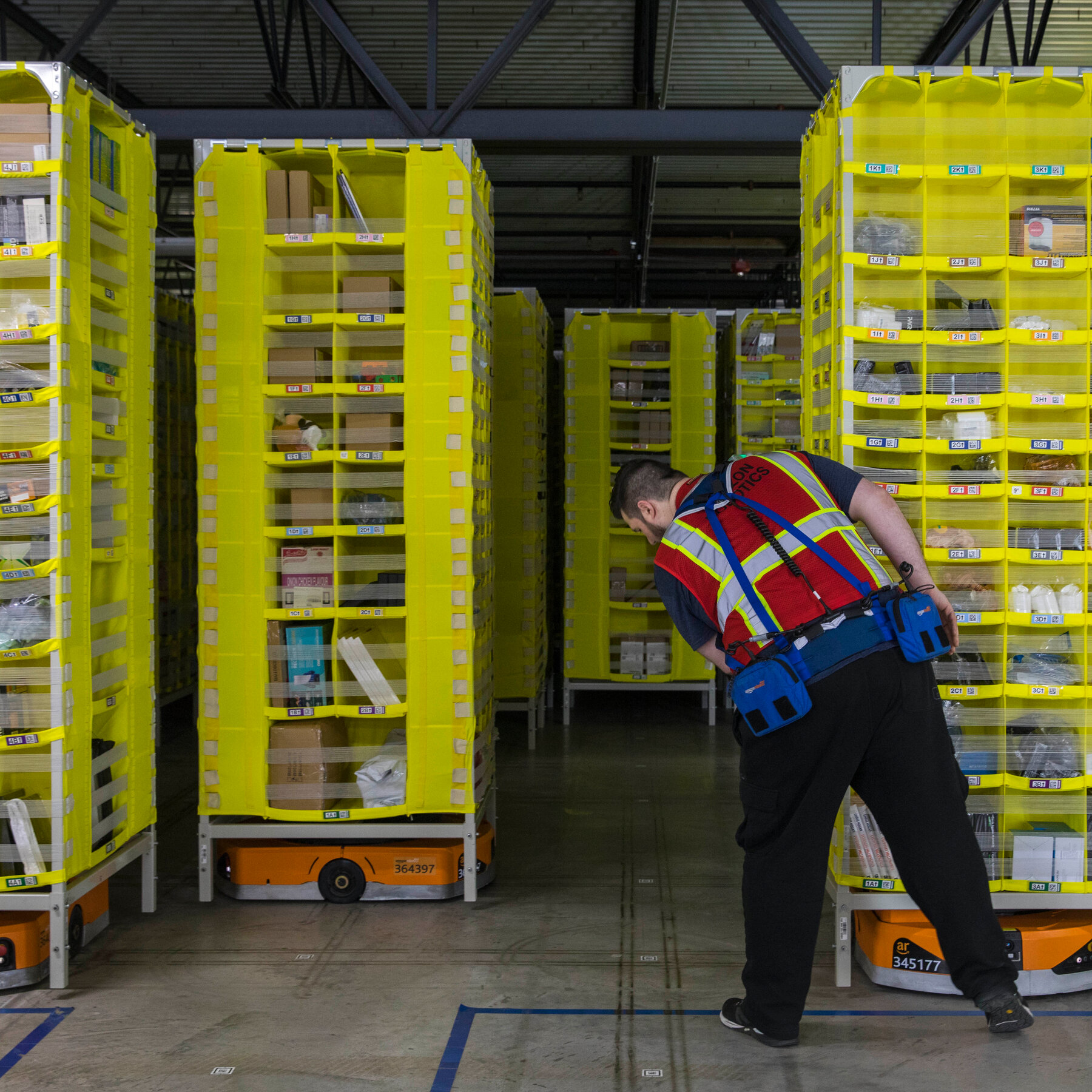
Meet Sparrow, Cardinal, and Proteus. These are the robots that, step by step, are replacing human workers in the company’s warehouses.
https://www.nytimes.com/2025/10/21/technology/amazon-robotics-automation.html
Category: labor

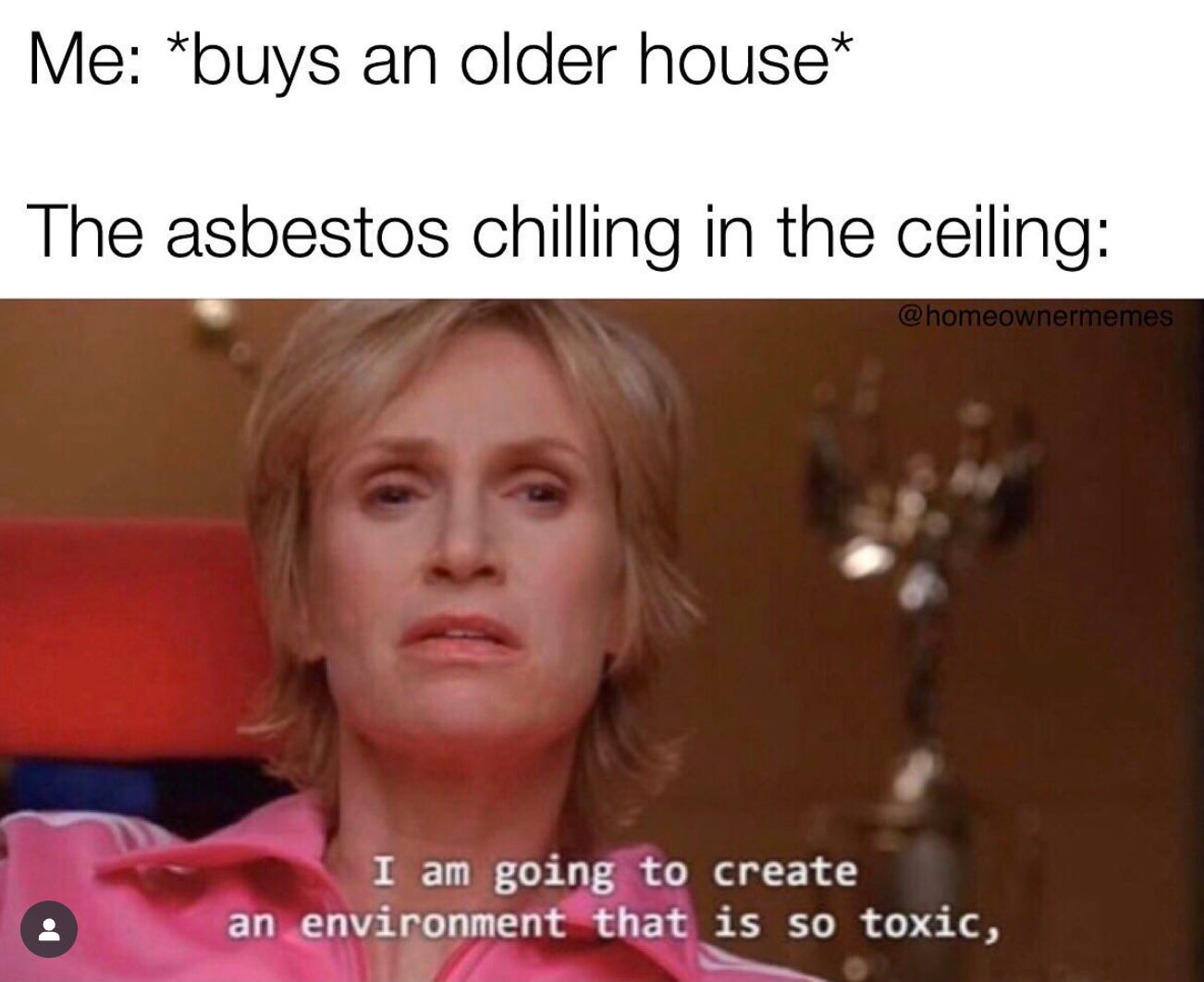
October 20 In Labor History: Asbestos? More Like As-WORST-us.
On October 20, 1969, a construction worker named Clarence Borel filed suit against 11 companies for asbestos exposure. This key moment in the movement against asbestos reveals the dangers workers faced on the job, the decades-long coverup by companies, and how workers finally began to win compensation.
By the late 19th century, asbestos had become common in American construction. Johns Manville, founded in 1858, soon became the largest asbestos producer in the country. In fact, the company’s founder, H. W. Johns, died in 1898 due to asbestos exposure—though he was unaware of the risks at the time. The company pioneered asbestos-based roofing, insulation, and cement products.
The dangers of asbestos were not unknown. Even the ancient Romans realized asbestos caused illness. Pliny wrote that slaves working with asbestos seemed to die, and proto-masks made from animal bladders were used to protect themselves. Despite this, early warnings were largely ignored as the modern asbestos industry developed.
In 1897, a physician in Vienna wrote the first modern report on the health problems faced by asbestos workers. Awareness of these issues grew in the following decades. Nevertheless, workplaces remained unsafe for a long time. Even with the rise of successful unions in the mid-twentieth century, many workplaces remained hazardous. While unions fought for more obvious safety issues, pollutants such as asbestos were not a major priority, resulting in many workers dying from mesothelioma and other asbestos-related diseases.
Change began in the early 1960s, at least for asbestos workers. When physicians asked a company to share medical records after discovering a cluster of asbestos-related illnesses among its workforce, the company refused. The doctors then contacted the International Association of Heat and Frost Insulators and Asbestos Workers, which gladly assisted them.
Though unions generally supported improved workplace safety, they did not fully understand the hazards involved. Their help allowed the doctors to publish a landmark 1965 study strongly affirming the link between asbestos exposure and construction work. The union’s records for death benefits enabled a longer-term study, despite most workers already being deceased.
The racial demographics of asbestos deaths during the peak asbestos use era are striking due to the segregation of construction labor. Between 1990 and 1999, nearly 11,000 Americans died from asbestos-related causes, many exposed decades earlier. An overwhelming 96% of these deaths were men, 93% were white, and 98% were over the age of 55.
By 1998, asbestos-related illness had surpassed black lung disease as the leading cause of workplace deaths related to lung conditions.
Workers had attempted to seek compensation for asbestos-related illnesses for decades. In 1927, a foreman filed the first known suit for damages and won a disability claim in Massachusetts. Lawsuits against Johns Manville began in 1929, and by 1933, the company settled claims from 11 workers in New Jersey.
However, by 1949, facing continued lawsuits, the company opted to withhold information about health risks from workers, covering up the dangers.
In 1969, Clarence Borel, who had worked in construction since 1936, discovered he had contracted asbestosis. His case became pivotal in the fight against asbestos exposure. This occurred alongside the rise of the modern workplace safety movement, which led to the creation of the Occupational Safety and Health Administration (OSHA) in 1971 and spurred increased union focus on such issues.
Borel testified about the pervasive dust in his work environment:
> “You just move them just a little and there is going to be dust, and I blew this dust out of my nostrils by handfuls at the end of the day, trying to use water too, I even used Mentholatum in my nostrils to keep some of the dust from going down my throat, but it is impossible to get rid of all of it. Even your clothes just stay dusty continually unless you blow it off with an air hose.”
He admitted he suspected the work was dangerous, as were many jobs in the mid-twentieth century. Access to respirators came late and was limited; these were often hot and uncomfortable. Many workers pointed out that the burden of safety rested entirely on them, with companies failing to control airborne asbestos.
Interestingly, union safety attempts sometimes caused complaints among workers. Cultures of work often included risk and discomfort as accepted elements.
Borel filed suit against 11 companies. The jury found 10 guilty of negligence but also found Borel partly responsible. The companies appealed, denying responsibility and questioning how Borel got sick. Borel countered that none of the companies took safety seriously—none warned workers about risks or conducted tests to determine safe exposure levels.
At this point, some companies began settling with Borel to limit their losses. Others fought on, prolonging the case through appeals.
Then, in 1974, the discovery of the so-called “Asbestos Papers” during an inspection of an asbestos factory in Connecticut dramatically altered the legal landscape. These documents definitively showed that companies knew what asbestos did to workers’ lungs and had conspired for decades to cover it up.
This revelation led to many workers, including Borel, routinely winning their court cases. Johns Manville filed for bankruptcy in 1982 to protect itself from lawsuits totaling $2 billion.
Companies pooled funds to pay claims, but the industry was overwhelmed. Claims continue today, as evidenced by the many television ads encouraging people exposed to asbestos to join class-action suits.
While proving such claims can be difficult, and courts often less sympathetic due to the rise of conservative judicial appointments, asbestos exposure at workplaces has declined sharply in recent decades. However, the toll of decades-long exposure continues to affect working-class families.
—
**Further Reading:**
– Dorceta Taylor, *The Environment and the People in American Cities, 1600s-1900s*
– Carl F. Cranor, *Regulating Toxic Substances: A Philosophy of Science and the Law*
– Michael Bowker, *Fatal Deception: The Terrifying True Story of How Asbestos is Killing America*
– Jeb Barnes, *Dust-Up: Asbestos Litigation and the Failure of Commonsense Policy Reform*
https://www.wonkette.com/p/october-20-in-labor-history-asbestos


米連邦政府、一部閉鎖が3週目に 長期化様相、解雇差し止め命令も
2025/10/16 8:26 (2025/10/16 8:28 更新)
[有料会員限定記事]
クリップ機能は有料会員の方のみお使いいただけます。
西日本新聞meとは?
【ワシントン共同】米連邦政府の一部閉鎖が始まり、15日で3週目に入りました。議会上院は、与党共和党のつなぎ予算案の採決に進むための動議を再び否決しました。否決は9回目となります。
再開に向けて与野党が折り合わず、長期化の様相を呈しています。
この記事は有料会員限定です。残り 457 文字
7日間無料トライアル、1日37円で読み放題。年払いならもっとお得です。


Two Arrested for Tracking Women by GPS and Forcing Into Prostitution
According to the Metropolitan Police Department, Suzuki and fellow staff member Aya Tano forced a woman to live inside the bar’s premises. During this time, they subjected her to verbal abuse, including remarks such as “Your appearance is bad, that’s why sales are low” and “Go stand on the street.” Additionally, they compelled her to solicit clients around Okubo Park in Shinjuku.
Investigators believe the suspects coerced the woman into having sex with approximately 400 customers. It is alleged that they pocketed about 6 million yen in earnings from these encounters.
The police are continuing their investigation to uncover the full extent of the operation and to identify possible additional victims.
https://newsonjapan.com/article/147289.php

![[熊本県]県職員過労自殺 再発防止を訴え 遺族が県庁で会見](https://latremie.com/wp-content/uploads/2025/10/sns_IP251010JAA000487000.jpg)
[熊本県]県職員過労自殺 再発防止を訴え 遺族が県庁で会見
熊本県職員過労自殺、遺族が再発防止を訴え県庁で記者会見
2023年に長時間勤務が原因で自殺した熊本県職員の遺族と代理人弁護士が、10日に熊本県庁で記者会見を行いました。会見では、県が遺族に対して解決金1億900万円の支払いを約束し、再発防止策を講じることで遺族と合意に達したことを明らかにしました。
自殺した県職員の長女も会見に出席し、過労による悲劇の再発防止を強く訴えました。
また、同様に消防職員の自殺に関して、熊本地裁は課長の言動と自殺との因果関係を認定。2025年10月8日には賠償命令が下されています。
本件は、職場の労働環境改善と過重労働の根絶に向けた社会的課題として注目されています。