Discover why BullZilla (ZIL) leads the top cryptos to buy for November 2025, alongside Bitcoin and Binance Coin, with explosive ROI and presale growth. Have you wondered which top cryptos to buy for November 2025 could redefine the next bull market? With Bitcoin’s proven dominance, Binance Coin’s expanding ecosystem, and BullZilla’s explosive presale momentum, investors are witnessing a generational setup in real time. Each project serves a different role: Bitcoin represents power, Binance Coin ensures stability, and BullZilla ignites innovation through structured tokenomics designed to reward early-stage participation and generate exponential returns during one of the most anticipated market cycles ahead. As the cryptocurrency market prepares for its next major surge, established assets like Bitcoin and Binance Coin continue to attract institutional attention. However, BullZilla (ZIL), now in Stage 8, “Echoes of the Bull,” is capturing widespread interest from retail and professional investors alike. With a deflationary token structure, transparent growth strategy, and meticulously designed presale mechanics, BullZilla offers a unique opportunity in 2025. Early participants can benefit from the upcoming automatic stage price increases, positioning themselves for potentially significant returns before public listing. Next Stage Incoming, BullZilla’s Price Is Ready for Another Upward Push! BullZilla (ZIL): The New Leader Among Top Cryptos To Buy For November 2025 Introducing BullZilla (ZIL) a structured, presale-driven token leading the charge among the top cryptos to buy for November 2025. Built on Ethereum, BullZilla integrates a Progressive Price Engine, 24-stage burn mechanism, and tiered staking rewards that create real scarcity and continuous growth. Each $100,000 raised or 48-hour cycle triggers a price hike, ensuring a transparent and predictable investment journey. Currently in Stage 8 (Echoes of the Bull, Phase 1), BullZilla trades at $0. 0001924, with over $970K raised, 31B tokens sold, and 3, 200+ holders. Early backers already enjoy 2, 639. 81% ROI to listing ($0. 00527) and 3, 246. 08% potential for earliest joiners. The next price increase to $0. 00019906 (+3. 46%) makes every hour critical for entry. $3,000 Turns Into Millions BullZilla’s Explosive ROI Projection If an investor commits $3,000 today, they would secure 15. 591 million ZIL tokens at the current stage. At the projected listing price of $0. 00527, that investment could yield nearly $82,000, representing over 2, 600% ROI. Such transparency and automation make BullZilla’s presale a case study in modern crypto tokenomics a rare combination of mathematical precision and community participation that turns each stage into a timed opportunity. How to Join the BullZilla Presale Start by setting up a Web3 wallet like MetaMask or Trust Wallet. Visit the official BullZilla presale website, connect your wallet, and swap ETH for ZIL tokens. Your tokens automatically lock, with vesting details displayed transparently on the presale dashboard. Once the sale concludes, investors can claim their tokens and stake them in the HODL Furnace to earn up to 70% APY. Frequently Asked Questions for BullZilla Presale Is BullZilla’s presale audited? Yes. BullZilla’s smart contracts are fully verified and audited by top blockchain security firms, ensuring transparency, safety, and reliability for all participants during the presale. Can I join BullZilla’s presale using USDT? Yes, investors can participate using either ETH or USDT. The official presale platform supports both, making it simple and accessible for both beginner and experienced crypto investors. How long will BullZilla’s presale last? Each presale stage lasts 48 hours or until $100,000 is raised. This timed structure creates scarcity, incentivizes early participation, and maximizes ROI potential for investors entering at each stage. Bitcoin (BTC): The Cornerstone Of Crypto Value Bitcoin remains the benchmark for digital assets the original store of value in a decentralized world. After years of dominance, its fundamentals continue to strengthen as institutions like BlackRock and Fidelity increase holdings. The supply cap of 21 million BTC ensures scarcity, creating a long-term hedge against inflation. Analysts predict new highs following the next halving, where reduced block rewards typically spark upward pressure on price. Bitcoin’s liquidity and recognition make it the “gold standard” for all cryptocurrencies, providing unmatched trust and resilience in volatile conditions. Despite slower innovation compared to newer chains, Bitcoin’s network remains the most secure and widely adopted, cementing its role as a vital pillar in the crypto economy. FAQs About Bitcoin (BTC) What is Bitcoin (BTC)? Bitcoin (BTC) is the first and most well-known cryptocurrency, created as a decentralized digital currency. It enables peer-to-peer transactions without intermediaries, using blockchain technology to ensure security, transparency, and limited supply. Why do investors consider Bitcoin a store of value? Bitcoin is often viewed as digital gold because of its capped supply of 21 million coins, resistance to inflation, and widespread adoption, making it a preferred choice for long-term wealth preservation and portfolio diversification. Binance Coin (BNB): The Ecosystem Engine Binance Coin powers the largest cryptocurrency exchange ecosystem in the world. Its use cases extend far beyond trading discounts, it fuels decentralized finance (DeFi), NFT marketplaces, and smart contracts within Binance Smart Chain (BSC). This multi-layer utility has helped BNB maintain one of the strongest track records among altcoins. With regular token burns reducing supply, BNB’s value proposition strengthens over time. The exchange’s ongoing expansion into payments, gaming, and institutional custody creates a durable demand pipeline. For investors seeking a blend of utility and sustainability, Binance Coin provides a balance between stability and moderate growth potential, supported by one of the most active user bases in the industry. FAQs About Binance Coin (BNB) What is the primary use of Binance Coin (BNB)? Binance Coin (BNB) is primarily used to pay for trading fees on Binance, participate in token sales, and facilitate transactions on Binance Chain and Binance Smart Chain, supporting both users and decentralized applications. How does Binance Coin (BNB) maintain value? BNB’s value is supported through periodic coin burns, its integral role in Binance’s ecosystem, and broad adoption for trading, DeFi, and payment solutions, making it both a utility token and an investment asset for long-term holders. Conclusion: Stability Meets Opportunity in November 2025 Bitcoin and Binance Coin continue to inspire investor confidence through stability and long-term growth. These cryptocurrencies provide a dependable foundation for diverse portfolios, reflecting proven market performance and widespread adoption. Bitcoin’s store-of-value appeal and Binance Coin’s utility within the Binance ecosystem highlight their enduring relevance. Yet, current market momentum is increasingly shifting toward BullZilla (ZIL). This breakout presale is capturing attention as one of the top cryptos to buy for November 2025, driven by transparent tokenomics, rapid stage cycles, high APY staking, and a vibrant, engaged community of early investors. BullZilla’s presale stages advance every 48 hours or after $100,000 is raised, creating structured scarcity and rewarding swift participation. This timed system ensures that early buyers gain maximum advantage while fueling continuous growth. Unlike Bitcoin and Binance Coin, which offer steady, long-term performance, BullZilla provides dynamic upside potential. Its combination of stage-based price increases, staking rewards, and community incentives demonstrates how innovation and strategy intersect in crypto investing, making BullZilla a standout contender for 2025 and a must-watch project for ambitious early-stage investors. BullZilla’s Next Leap Is Here, 3. 46% Surge Countdown Begins! For More Information: BZIL Official Website Join BZIL Telegram Channel ) Glossary Presale: The early fundraising stage before a token is listed on exchanges. ROI: Return on Investment, showing profit potential. Staking: Locking tokens to earn rewards. Smart Contract: Blockchain code automating transactions securely. Burn Mechanism: Process removing tokens from circulation to reduce supply. Web3 Wallet: A decentralized wallet like MetaMask or Trust Wallet. Vesting: Gradual release of purchased tokens. Liquidity: Ease of converting assets to cash. APY: Annual Percentage Yield from staking rewards. Ethereum Network: The blockchain on which BullZilla operates. This publication is sponsored. Coindoo does not endorse or assume responsibility for the content, accuracy, quality, advertising, products, or any other materials on this page. Readers are encouraged to conduct their own research before engaging in any cryptocurrency-related actions. Coindoo will not be liable, directly or indirectly, for any damages or losses resulting from the use of or reliance on any content, goods, or services mentioned. Always do your own research. Author Reporter at Coindoo Alexander Zdravkov is a person who always looks for the logic behind things. He is fluent in German and has more than 3 years of experience in the crypto space, where he skillfully identifies new trends in the world of digital currencies. Whether providing in-depth analysis or daily reports on all topics, his deep understanding and enthusiasm for what he does make him a valuable member of the team.
https://coindoo.com/top-cryptos-to-buy-for-november-2025-bullzilla-joins-bitcoin-and-binance-coin-in-leading-the-next-market-wave/
Category: economy
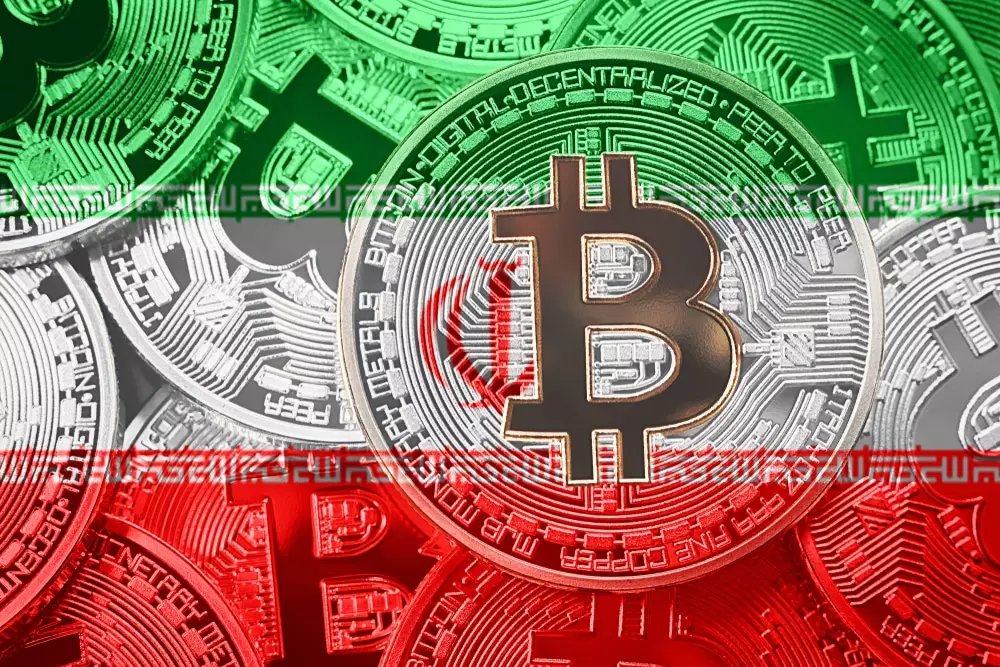
Iran’s Financial Collapse Highlights Growing Appeal of Bitcoin
Iran’s Financial Sector Enters New Phase of Instability as Ayandeh Bank Declared Insolvent
Iran’s financial sector has entered a new phase of instability after the Central Bank officially declared Ayandeh Bank insolvent, transferring its assets to state-owned Melli Bank. This move effectively nationalized what had been one of the country’s largest private lenders and exposed the scale of losses that had been building for years.
Central Bank Intervention and Fallout
Ayandeh Bank, founded in 2012 and operating over 270 branches, had accumulated roughly $5.2 billion in losses and $3 billion in debt, according to data from Asharq Al-Awsat. The Central Bank’s intervention aims to prevent wider contagion within an already fragile system plagued by high inflation, sanctions pressure, and a depreciating rial.
Officials have stated that depositors’ funds would remain secure under Melli Bank’s guarantee. However, public confidence has eroded sharply. Long queues were reported at Ayandeh branches in Tehran and other cities, reflecting widespread concern that repayment limits and slow insurance processes could delay access to deposits.
Iran’s deposit insurance framework only protects up to 1 billion rials (about $930) per account, with compensation often taking years. Depositors holding larger balances now face the risk of significant write-downs.
Governance Weakness and Structural Strain
The failure of Ayandeh Bank has been linked to poor lending practices, including extensive credit exposure to politically affiliated enterprises. Among its largest commitments was the Iran Mall complex, a debt-heavy development that struggled under project overruns and weak returns.
This episode underscores the vulnerabilities of Iran’s banking network, where state-linked projects and restricted foreign capital flows have compounded liquidity shortages. The economy, already contracting under renewed sanctions, continues to experience simultaneous inflationary and recessionary pressures—a combination that has pushed private lenders into increasingly unstable territory.
Global Parallels
Iran’s banking crisis mirrors broader weaknesses in the global financial system. In the United States, a series of regional bank failures in 2023—including Silicon Valley Bank, Signature Bank, and First Republic Bank—demonstrated how quickly depositor confidence can evaporate in environments of high interest rates and mismatched balance sheets.
Although U.S. regulators stabilized markets by guaranteeing deposits, subsequent stress tests and industry data suggest that smaller lenders remain under pressure. According to a recent analysis, regional banks continue to face rising delinquencies, higher funding costs, and thin capital buffers despite improved reserves.
Across both developed and emerging economies, the pattern is consistent: when trust weakens, liquidity strains follow, often forcing consolidation or state intervention.
The Broader Debate: Financial Sovereignty
Events like Ayandeh’s collapse have reignited discussions around counterparty risk and financial autonomy. Traditional deposit systems rely on centralized guarantees that can fail during crises. In contrast, decentralized assets such as Bitcoin operate without custodial intermediaries, allowing users to retain direct control of their holdings.
Bitcoin’s advocates argue that such architecture offers protection against both inflation and bank default, especially in jurisdictions where deposit insurance or currency stability cannot be relied upon. While volatility remains a major deterrent for institutional adoption, episodes of systemic banking stress continue to strengthen the perception of decentralized assets as an alternative form of financial assurance rather than mere speculation.
Outlook
Iran’s authorities face the dual challenge of stabilizing confidence in the banking system and addressing structural issues that led to Ayandeh’s failure. For global investors, the episode serves as another case study in how modern banking fragility is not limited by geography or politics.
When public faith in deposit guarantees weakens—whether in Tehran or New York—the appeal of assets existing outside the traditional financial infrastructure inevitably rises.
The information provided in this article is for educational purposes only and does not constitute financial, investment, or trading advice. Coindoo.com does not endorse or recommend any specific investment strategy or cryptocurrency. Always conduct your own research and consult with a licensed financial advisor before making any investment decisions.
About the Author
Alexander Zdravkov is a reporter at Coindoo who always looks for the logic behind things. He is fluent in German and has more than 3 years of experience in the crypto space, where he skillfully identifies new trends in the world of digital currencies. Whether providing in-depth analysis or daily reports on various topics, his deep understanding and enthusiasm make him a valuable member of the team.
https://coindoo.com/irans-financial-collapse-highlights-growing-appeal-of-bitcoin/
Baylor hosts UCF in Big 12 play
**UCF (4-3) at Baylor (4-4) – November 1 at 12 p.m. EDT**
**BetMGM College Football Odds:**
Opening Line: Baylor by 4.5
Against the Spread: Baylor 1-7, UCF 4-3
**How to Watch:**
ESPNU
—
### Team and Player Stats
#### Baylor Offense
– Overall: 458.6 yards per game (22nd in FBS)
– Passing: 318.4 yards per game (5th)
– Rushing: 140.3 yards per game (89th)
– Scoring: 34.3 points per game (35th)
#### Baylor Defense
– Overall: 402.5 yards per game (103rd in FBS)
– Passing: 212.0 yards per game (56th)
– Rushing: 190.5 yards per game (119th)
– Scoring: 32.6 points per game (120th)
#### UCF Offense
– Overall: 445.1 yards per game (26th in FBS)
– Passing: 237.0 yards per game (65th)
– Rushing: 208.1 yards per game (20th)
– Scoring: 30.7 points per game (54th)
#### UCF Defense
– Overall: 292.1 yards per game (15th in FBS)
– Passing: 146.3 yards per game (6th)
– Rushing: 145.9 yards per game (71st)
– Scoring: 17.1 points per game (16th)
—
### Additional Team Stats
– UCF ranks 112th in third down conversion percentage, converting 35.3% of the time.
– Baylor ranks 111th on third down defense, allowing opponents to convert 43.4%.
– Baylor holds the 131st spot in the FBS with a -9 turnover margin, while UCF is 65th with an even turnover margin.
– Baylor averages 28:38 in time of possession (104th in FBS) compared to UCF’s 31:27 (31st).
—
### Team Leaders
**Baylor:**
– Passing: Sawyer Robertson – 2,513 yards, 23 TDs, 7 INTs, 61.7% completion
– Rushing: Bryson Washington – 603 yards on 120 carries, 6 TDs
– Receiving: Josh Cameron – 576 yards on 44 catches, 4 TDs
**UCF:**
– Passing: Tayven Jackson – 1,183 yards, 5 TDs, 2 INTs, 65.2% completion
– Rushing: Myles Montgomery – 522 yards on 100 carries, 3 TDs
– Receiving: Duane Thomas Jr. – 316 yards on 30 catches, 0 TDs
—
### Recent Performances
**Baylor:**
Baylor fell to Cincinnati 41-20 on Saturday, October 25. Quarterback Sawyer Robertson completed 18-of-26 passes for 137 yards, two touchdowns, and no interceptions (69.2% completion). He also ran eight times for six yards, adding one rushing touchdown. Michael Turner rushed 14 times for 90 yards and added three receptions for 19 yards. Josh Cameron contributed 34 yards on four catches with one touchdown.
**UCF:**
UCF dominated West Virginia 45-13 on Saturday, October 18. Tayven Jackson threw for 277 yards on 23-of-34 attempts (67.6%) with two touchdowns and one interception. Jaden Nixon posted 116 rushing yards on seven carries with two touchdowns and caught one pass for two yards. Chris Domercat added 89 yards on five catches, scoring two touchdowns.
—
### Looking Ahead
Baylor will host No. 24 Utah on November 15, while UCF prepares to host No. 22 Houston on November 7.
—
This upcoming matchup between UCF and Baylor promises an exciting college football showdown as both teams vie for a crucial win in the middle of their seasons. Tune in November 1 at 12 p.m. EDT on ESPNU to catch the action live.
https://wtop.com/ncaa-football/2025/10/baylor-hosts-ucf-in-big-12-play/
Lula da Silva negociará los aranceles de Brasil tras reunión con Trump
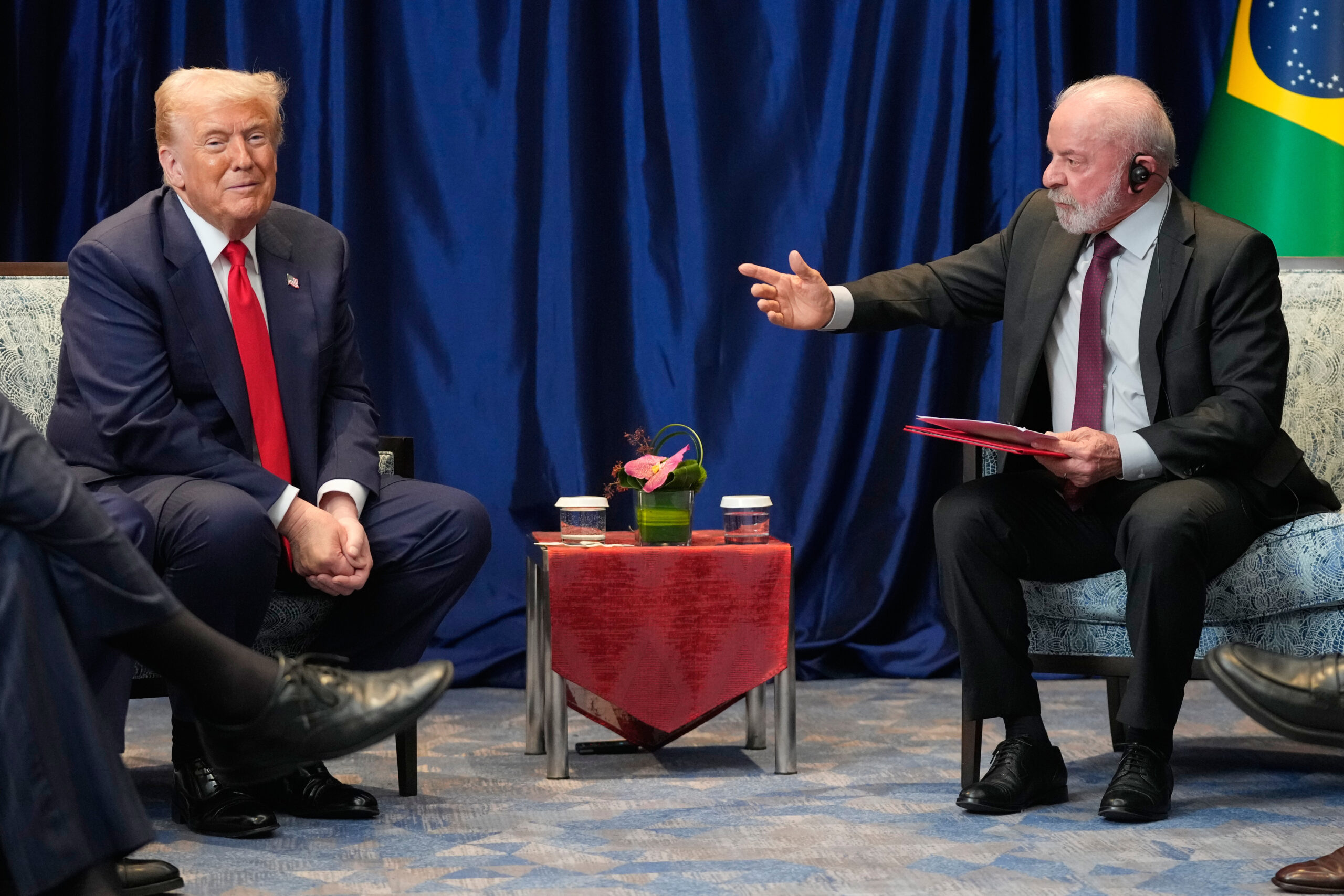
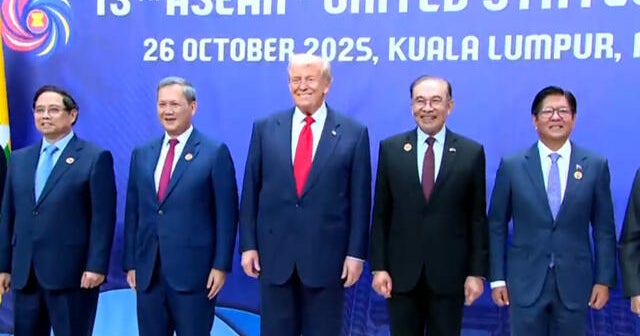
El presidente de Brasil, Luiz Inácio Lula da Silva, afirmó que la reunión que mantuvo este domingo en Kuala Lumpur con su par estadounidense, Donald Trump, fue “excelente” y confirmó que los dos países iniciarán “de inmediato” negociaciones comerciales.
Mientras que el presidente estadounidense celebró el encuentro con el mandatario brasileño. “Tuve una excelente reunión con el presidente Trump este domingo por la tarde en Malasia. Abordamos la agenda comercial y económica bilateral con franqueza y de forma constructiva. Acordamos que nuestros equipos se reunirán de inmediato para buscar soluciones a los aranceles y las sanciones contra las autoridades brasileñas”, escribió Lula en X.
Por su parte, la Casa Blanca publicó en la misma red social la opinión de Trump sobre su encuentro con el presidente brasileño: “Es un gran honor estar con el presidente de Brasil. Creo que podremos lograr muy buenos acuerdos para ambos países. Siempre hemos tenido una buena relación y creo que continuará así.”
### “Instrucciones para iniciar hoy mismo una negociación”
El ministro de Relaciones Exteriores de Brasil, Mauro Vieira, había indicado a los medios de comunicación que la reunión había sido “muy positiva y productiva”.
“El presidente Trump declaró que daría instrucciones a su equipo para iniciar hoy mismo una negociación, porque espera que esto se resuelva muy rápidamente”, añadió el ministro brasileño.
Durante el encuentro, Lula “renovó el pedido brasileño de suspensión de los aranceles impuestos a las exportaciones brasileñas durante el proceso de negociación” entre ambos países, explicó Vieira.
### Acuerdos muy buenos
Además, Vieira señaló que Lula pidió a Trump suspender la aplicación de la ley Magnitsky contra Alexandre de Moraes, juez del Supremo Tribunal Federal, su esposa y otros brasileños.
Brasil y Estados Unidos se vieron envueltos en algunos problemas después de que Washington decidiera aplicar un arancel del 50 % a productos brasileños en represalia por la causa judicial contra el expresidente Jair Bolsonaro, aliado político de Trump.
Al inicio del encuentro con Lula da Silva, Trump expresó su confianza en que lograrían “acuerdos muy buenos”.
*Con información de Deutsche Welle*
https://eldiariony.com/2025/10/26/brasil-negociara-los-aranceles-tras-reunion-con-trump/
Boeing workers who make military aircraft and weapons reject latest offer, extending months-long strike
The strike by about 3,200 machinists at Boeing plants in Mascoutah, Illinois, and the Missouri cities of St. Louis and St. Charles is smaller in scale than last year’s walkout by 33,000 Boeing workers who assemble commercial jetliners. However, it threatens to complicate the aerospace company’s progress in regaining its financial footing.
“Boeing claimed they listened to their employees; the result of today’s vote proves they have not,” Brian Bryant, president of the International Association of Machinists and Aerospace Workers, said in a statement.
Boeing responded by expressing disappointment over the vote’s outcome, noting that the result was close. The company stated it was increasingly hearing from workers “who want to cross the picket line” and “understand the value of our offer.”
“The union’s statement is misleading since the vote failed by the slimmest of margins, 51% to 49%,” the company’s statement read. “We are turning our focus to executing the next phase of our contingency plan in support of our customers.”
In contrast, the machinists’ union acknowledged the vote was close but emphasized in a message to members that “very few” workers have crossed the picket line. “Our solidarity remains strong, and the company’s claim otherwise is wrong,” the union said.
Union leaders report that talks have stalled over key issues such as wages and retirement benefits. Boeing has argued that workers’ demands exceed the cost of living adjustments appropriate for the Midwest.
Ahead of Sunday’s vote, the union advised members not to approve the company’s latest offer, citing a lack of “meaningful improvements” to retirement benefits and wage increases for more senior workers.
Negotiations escalated over the summer in the days leading up to the strike. Workers rejected an earlier proposed agreement that included a 20% wage hike over the life of the five-year contract.
Boeing quickly countered with a modified agreement that did not increase pay raises but removed a scheduling provision affecting workers’ ability to earn overtime pay. Workers rejected that offer as well and commenced the strike the following morning. They also voted against revised terms in September.
The company has stated it was prepared for a strike, with a contingency plan in place “to ensure our non-striking workforce can continue supporting our customers.”
https://fortune.com/2025/10/26/boeing-defense-workers-strike-military-aircraft-weapons-contract-vote/
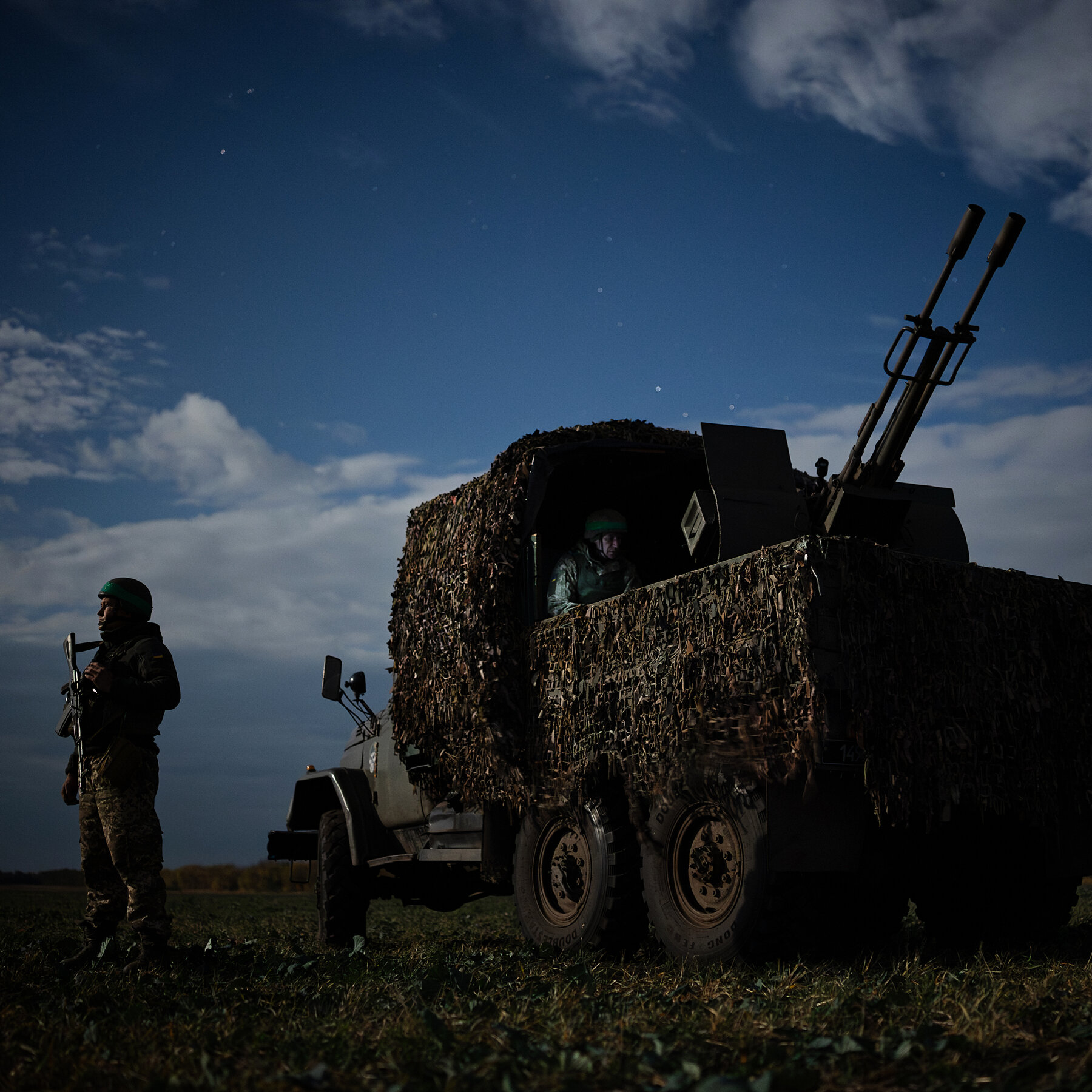
The Russia-Ukraine Energy War
Both sides are targeting energy assets in an effort to break the deadlock on the battlefield.
This strategic focus highlights the critical role that energy infrastructure plays in sustaining military operations. By disrupting their opponent’s access to power, each side aims to gain a significant advantage and shift the balance in their favor.
As the conflict continues, the targeting of energy resources underscores the broader challenges faced in securing and controlling vital assets during warfare.
https://www.nytimes.com/2025/10/26/world/russia-ukraine-energy-war-louvre-arrest.html
10/26: Face the Nation with Margaret Brennan
This week on *Face the Nation with Margaret Brennan*, as President Trump and Treasury Secretary Scott Bessent embark on their trip to Asia, Bessent joins the program to discuss several pressing issues.
Topics include the ongoing Chinese tariffs, the TikTok deal, and concerns surrounding the government shutdown at home.
In addition, House Minority Leader Hakeem Jeffries also appears to share his insights on the government shutdown and its implications.
https://www.cbsnews.com/video/102625-face-the-nation/
NCAA ordered to pay $18M to former football player and wife in concussion lawsuit
ORANGEBURG, S.C. (AP) — The NCAA owes a former college football player and his wife $18 million, according to a ruling in South Carolina.
The decision comes after a prolonged legal battle involving the athlete and the organization. Further details about the case and its implications are expected to emerge as the story develops.
https://wtop.com/national/2025/10/ncaa-ordered-to-pay-18m-to-former-football-player-and-wife-in-concussion-lawsuit/
US, China reach ‘framework’ of trade deal, Bessent says
Treasury Secretary Scott Bessent said Sunday that the U.S. and China will likely avoid 100 percent American tariffs on Chinese goods after negotiators settled on a plan for a possible trade agreement.
Bessent told NBC News’ Kristen Welker that “after two days of negotiations” with Chinese International Trade Representative Li Chenggang in Malaysia, a “framework” has been established to move forward. This development suggests progress in easing trade tensions between the two nations.
The proposed framework aims to reduce the likelihood of full tariffs being imposed, which could have significant impacts on both economies. Further details are expected as discussions continue.
https://thehill.com/policy/international/5573659-us-china-trade-agreement-bessent/
A Bay Area suburban brunch buffet that rivals the Ritz-Carlton’s
The thousands of dollars we spend here weekly on caviar is mind-blowing.
https://www.sfgate.com/food/article/bay-area-buffet-brunch-rivals-ritz-carltons-21106755.php