VinFast India taps Hyundai executive as its CEO

**VinFast India Taps Hyundai Executive as Its CEO**

*By Dwaipayan Roy | Sep 21, 2025, 02:58 PM*

**Vietnamese EV Maker VinFast Appoints New CEO in India**

Vietnamese electric vehicle (EV) manufacturer VinFast is set to appoint Tapan Ghosh, currently Vice President and Head of Sales at Hyundai India, as the CEO of its Indian operations. Ghosh has already submitted his resignation to Hyundai and is expected to join VinFast India on October 16.

This leadership change comes shortly after VinFast launched its two new electric SUVs, the VF6 and VF7, in the Indian market.

**VinFast’s Growing Presence in India**

So far, VinFast’s strategy in India has been overseen by Pham Sanh Chau, CEO of VinFast Asia. The company has established an assembly plant in Thoothukudi, Tamil Nadu, with plans to initially produce 50,000 cars. Production capacity is expected to scale up to 300,000 units over time.

VinFast has also committed to investing nearly $2 billion in India over the next few years to strengthen its operations and expand its local footprint.

**Tapan Ghosh’s Industry Experience**

Tapan Ghosh brings extensive automotive industry expertise to VinFast. Beginning his career with Hindustan Motors in 1995, Ghosh has worked with several major companies, including Honda Cars, Mahindra & Mahindra, Maruti Suzuki India, and Tata Motors. Since joining Hyundai in 2013, he has played a key role in driving sales growth.

His appointment as CEO is expected to add significant value to VinFast’s ambitions in India by leveraging his deep understanding of the local market.

**VinFast’s Market Entry Strategy vs Tesla**

VinFast’s approach to entering India contrasts with Tesla’s. Tesla entered the Indian market in July with showrooms in Mumbai and Delhi but maintains limited operations and remote leadership.

VinFast, on the other hand, is focusing on local manufacturing and leadership, a strategy experts believe is vital for success in India’s competitive EV segment.

**Challenges Ahead for VinFast in India**

While VinFast has surprised many by pricing its cars competitively alongside established Indian brands like Tata and Mahindra, gaining consumer trust remains a significant challenge.

According to Puneet Gupta from S&P Global Mobility, “Customers already have inhibitions about EVs, so an added uncertainty about a relatively unknown brand in the Indian market will not make things easy for VinFast.”

The appointment of a seasoned Indian automotive leader like Ghosh is seen as a critical step in overcoming these challenges and building confidence among Indian buyers.

**Conclusion**

VinFast’s aggressive investment and localization efforts, combined with Tapan Ghosh’s leadership, mark a pivotal moment in the company’s journey to establish itself as a strong player in India’s rapidly evolving electric vehicle market.
https://www.newsbytesapp.com/news/auto/vinfast-to-appoint-hyundai-s-tapan-ghosh-as-india-ceo/story

GST rate cuts take effect tomorrow: What’s getting cheaper

**GST Rate Cuts Take Effect Tomorrow: What’s Getting Cheaper**

*By Akash Pandey | Sep 21, 2025, 03:39 PM*

The Goods and Services Tax (GST) Council’s decision to cut rates on nearly 375 items will come into effect from tomorrow, September 22. This move is set to make a wide range of products—including kitchen staples, electronics, medicines, and automobiles—more affordable for consumers across the country.

### Sectoral Impact: Price Cuts Expected Across Consumer Goods

The GST rate cut will benefit multiple sectors. Daily-use food items such as butter, namkeen, ketchup, jam, dry fruits, coffee, and ice cream are expected to become cheaper. Electronics like TVs, air conditioners, and washing machines will also see price reductions. Several FMCG companies have already begun revising their prices in anticipation of the lower tax burden on these products.

### Healthcare: Medicines to Become More Affordable

The healthcare sector stands to gain significantly. Most medicines, formulations, and medical devices—such as glucometers and diagnostic kits—will now attract a GST rate of 5%. This reduction is expected to ease medicine costs for households. Pharmacies have been directed to either revise maximum retail prices or sell medicines at rates reflecting the new lower tax.

### Construction, Automotive Sectors to Benefit

Builders and homebuyers will also benefit from the GST rate cut, with cement’s tax rate reduced from 28% to 18%. The automobile sector is among the biggest beneficiaries: buyers of small cars will now pay 18% GST, while bigger models will attract 28%, a notable reduction from previous rates. This move is expected to boost demand in the automotive market.

### Services: Tax Cuts for Everyday Services and Household Staples

The services sector will also see benefits. Salons, beauty parlors, yoga studios, gyms, and health clubs will now be taxed at 5% without input credit, down from the earlier 18% with credit. Household staples such as hair oil, soaps, shampoos, toothbrushes, and toothpaste are also expected to become more affordable due to the lowered tax rate.

### Simplified GST Structure: Moving to a Two-Rate System

Alongside the rate cuts, the GST Council has simplified the tax structure into a largely two-rate system — 5% and 18%. Ultra-luxury goods will continue to attract a higher tax of 40%, while tobacco and related products will remain in the 28% slab with an additional cess. This marks a shift from the current four-slab system of 5%, 12%, 18%, and 28%, simplifying compliance and rate management.

Overall, the GST rate cuts coming into effect tomorrow aim to lighten the tax burden on consumers and businesses alike, promoting affordability and stimulating demand across various sectors. Stay tuned for more updates on pricing changes as companies revise their rates in line with the new GST norms.
https://www.newsbytesapp.com/news/business/new-gst-rates-on-375-items-come-into-effect-tomorrow/story

Is ‘Lokah’ coming to OTT soon? Dulquer Salmaan reveals truth

**Is ‘Lokah’ Coming to OTT Soon? Dulquer Salmaan Reveals the Truth**

*By Isha Sharma | Sep 21, 2025, 05:04 PM*

Dulquer Salmaan, the producer of the blockbuster Malayalam film *Lokah Chapter 1: Chandra*, has addressed rumors regarding the movie’s immediate OTT release.

The film, which stars Kalyani Priyadarshan and Naslen, has emerged as the highest-grossing Malayalam movie, earning over ₹271 crore globally since its release on August 28.

### Official Statement from Dulquer Salmaan

Amid widespread speculation about *Lokah* potentially premiering on Netflix in multiple languages, Dulquer Salmaan took to X (formerly Twitter) to clarify the matter. He wrote,
“Lokah isn’t coming to OTT anytime soon. Ignore the fake news and stay tuned for official announcements! #Lokah #WhatstheHurry.”

His production house, Wayfarer Films, has also confirmed this information across its official social media channels.

### About the *Lokah* Franchise

*Lokah Chapter 1: Chandra* is the first installment in a planned five-part franchise directed by Dominic Arun. In this film, Kalyani Priyadarshan portrays Chandra/Neeli, a yakshi (vampire).

The upcoming chapters will expand the universe further: the second installment will feature Tovino Thomas as Chathan, a goblin. Meanwhile, Dulquer Salmaan is rumored to play Charlie, an odiyan (shapeshifter).

Mammootty lent his voice to the character Moothon in the first film, although it remains uncertain whether he will reprise his role in future installments.

Stay tuned for more updates and official announcements regarding the *Lokah* franchise and its release plans.
https://www.newsbytesapp.com/news/entertainment/dulquer-salmaan-clears-air-on-lokah-ott-release/story

UK’s Starmer set to recognize Palestinian state today despite strong opposition from Israel, US

UK’s Starmer Set to Recognize Palestinian State Despite Strong Opposition from Israel and US

British Prime Minister Keir Starmer is expected to announce the recognition of a Palestinian state on Sunday, a move that has drawn significant criticism from Israel, former US President Donald Trump, and segments of the UK public ahead of a key United Nations meeting.

Starmer’s decision marks a notable shift in the UK’s foreign policy stance and is seen as an effort to support renewed efforts toward peace in the Middle East. However, it has also sparked controversy given the complex geopolitical implications and the strong opposition from Israel and its allies.

Keir Starmer, pictured on July 28, 2025. (Photo credit: REUTERS/EVELYN HOCKSTEIN)

As the announcement approaches, attention is focused on how this recognition might influence the broader UN discussions on the Israeli-Palestinian conflict and the international community’s role in seeking a resolution.

By MATHILDA HELLER

https://www.jpost.com/international/article-868242

Bear Attacks Surge as Fatality Rate Reaches 24%

Autumn is the most dangerous season in Japan as bears become highly active in search of food before winter hibernation. The country is home to two bear species: the brown bear, or higuma, found in Hokkaido, and the Asiatic black bear, or tsukinowaguma, which lives in Honshu and Shikoku.

A large brown bear can stand nearly three meters tall and possesses enough strength to break a horse’s neck with a single blow. Remarkably, they can sprint 100 meters in as little as six seconds, while black bears cover the same distance in about eight seconds. The fatality rate for victims attacked by brown bears is 24 percent, compared to just 2.3 percent for black bears.

Between April and August 2025, 69 people were injured or killed by bears—matching the pace from two years earlier, when an acorn shortage triggered the worst year on record for bear-related incidents.

Surveys conducted since 2018 by the Environment Ministry have confirmed new areas of bear habitation, with populations expanding across Japan except in Shikoku. Hokkaido’s brown bear population has more than doubled over the past 30 years, while black bears have expanded their range by 1.4 times. Today, Chiba Prefecture remains the only part of Honshu without wild bears, and the species is extinct in Kyushu.

The surge in bear numbers is linked to shifts in human society. During the early 20th century, widespread hunting for pelts and gallbladders—used in traditional medicine—threatened bear populations with extinction in some regions. However, following the introduction of a new protection framework in 1999, combined with population decline and abandoned farmland providing more food, bear populations rebounded rapidly.

As their habitats have extended closer to towns and villages, many bears have lost their natural fear of humans. This has led to more frequent appearances in residential areas, increasingly referred to as “urban bears.”

Experts emphasize that both population management and deterrence measures are essential. Mayumi Yokoyama, a professor at the University of Hyogo, highlights the need to capture not only bears that enter towns but also those living near homes to reduce overall numbers. At the same time, food sources such as persimmons and garbage should be controlled, and electric fences installed around farmland to deter bears.

In 2024, the government removed bears from its list of protected species and reclassified them as managed wildlife, alongside deer and wild boar. This change permits more aggressive population control through concentrated hunting. Since September, municipalities have also been authorized to permit the use of hunting rifles in urban areas.

Bears have long been familiar figures in Japanese folklore—from legends of Kintaro wrestling a bear to tales of coexistence with nature. Yet, the growing frequency of bear encounters underscores the need for modern solutions.

As experts warn, only by combining careful population management with preventive measures can people and bears continue to coexist in today’s Japan.
https://newsonjapan.com/article/146950.php

Sikh organizations urge Centre to reconsider Pakistan pilgrimage travel ban

**Sikh Organizations Urge Centre to Reconsider Pakistan Pilgrimage Travel Ban**
*By Snehil Singh | Sep 21, 2025, 12:48 PM*

Sikh organizations and political parties have appealed to the Indian government to rethink its decision to halt pilgrimage travel to Nankana Sahib, Pakistan, a site of great religious significance. Earlier, the Ministry of Home Affairs (MHA) advised states to stop processing applications for journeys to Nankana Sahib citing security concerns related to Pakistan.

This directive has left many devotees disappointed. Among them is Kanwaljit Kaur Dhillon from Ludhiana district in Punjab, who, along with her husband, had been eagerly planning to visit Nankana Sahib to participate in Guru Nanak Dev’s birth anniversary celebrations in November. “If the game of cricket between two nations could be allowed, then why restrict us?” Dhillon questioned. She is one of approximately 1,900 applicants who submitted their documents through the Shiromani Gurdwara Parbandhak Committee (SGPC) for the pilgrimage.

### Demand for Reopening Kartarpur Corridor

In addition to the plea for resuming pilgrimages to Nankana Sahib, Sikh organizations are also demanding the reopening of the Kartarpur corridor. This corridor, established in 2019 to facilitate easier access to Gurdwara Darbar Sahib in Pakistan, was temporarily closed during the COVID-19 pandemic but reopened in 2021. However, it was shut again in May following Operation Sindoor.

On May 9, Foreign Secretary Vikram Misri announced the suspension of the corridor citing security concerns. So far, the Ministry of External Affairs has not indicated when it might reopen the corridor.

### Concerns Over Discrimination and Security Claims

Amarjit Singh, Director of the Sikh Studies Chair at Guru Nanak Dev University, Amritsar, questioned the government’s decision, pointing out that Sikh devotees from across the globe visit Nankana Sahib. “So, security would not be an issue only for Sikhs from India, would it?” he asked.

Similarly, Dharam Singh, a former professor at Punjabi University Patiala, criticized the ban, remarking that if bilateral cricket matches are permitted between India and Pakistan, then pilgrims should logically be allowed to visit as well.

### SGPC Seeks Permission for Pilgrimage

The SGPC had begun collecting passports from devotees in July to send pilgrimage visa applications to the Pakistan High Commission. This process was initiated before the Home Ministry issued its advisory.

Currently, the SGPC has formally requested the Centre to grant permission for pilgrims to visit Nankana Sahib during the upcoming Guru Nanak Dev birth anniversary celebrations in November.

The Sikh community awaits a favorable response, hoping for the restoration of pilgrimage rights that hold deep spiritual significance.
https://www.newsbytesapp.com/news/india/if-cricket-allowed-why-not-pilgrimages-to-pakistan-sikh-groups/story

FPIs pull ₹7,945cr from Indian equities, net outflows ₹1.4L crore

**FPIs Withdraw ₹7,945 Crore from Indian Equities; Net Outflows Cross ₹1.4 Lakh Crore in 2025**

*By Akash Pandey | Sep 21, 2025, 02:18 PM*

Foreign Portfolio Investors (FPIs) have pulled out ₹7,945 crore from Indian equities so far in September. This continued sell-off is largely driven by global uncertainties, including tariffs and ongoing geopolitical tensions.

The trend follows significant outflows seen in previous months, with FPIs withdrawing ₹34,990 crore in August and ₹17,700 crore in July. Overall, FPI sell-offs in Indian equities have reached a staggering ₹1.38 lakh crore in 2025, according to the latest data.

### Looking Ahead: Signs of Moderation in Selling

Market experts are closely monitoring upcoming macroeconomic data from both India and the United States, along with tariff negotiations. These factors are poised to influence FPI flows in the near term.

Despite remaining net sellers in September with cumulative equity outflows of ₹7,945 crore through September 19, FPIs have displayed some moderation in their selling behavior recently.

### Impact of the Fed’s Rate Cut on Market Liquidity

Following the US Federal Reserve’s decision to cut interest rates by 25 basis points, FPIs briefly turned net buyers last week, purchasing equities worth ₹900 crore during this period.

“For the current week, FPIs bought Indian equities worth ₹900 crore on the back of the Fed’s rate cut,” said Vaqarjaved Khan, Senior Fundamental Analyst at Religare Broking Ltd. He added that two more rate cuts are projected in 2025, which could significantly enhance liquidity in global markets.

### Investor Sentiment Bolstered by Easing Trade Tensions

Himanshu Srivastava from Morningstar Investment Research India observed a “modest but noticeable return” of foreign investors to Indian equities last week. He attributed this shift to the Fed’s dovish stance, easing US-India trade frictions, and a stable macroeconomic outlook in India.

However, Srivastava cautioned that persistent global uncertainties and geopolitical risks continue to temper investor enthusiasm, keeping FPI flows cautious.

### Market Strategy: FPIs Diversify into Debt Markets

V K Vijayakumar from Geojit Financial Services pointed out that the FPI selling trend in India has coincided with buying activity in other Asian markets such as Hong Kong, Taiwan, and South Korea. This strategy has been profitable this year but may evolve going forward.

Additionally, debt markets in India have seen FPI investment, with inflows of approximately ₹900 crore under the general limit and ₹1,100 crore through the voluntary retention route.

**In summary, while FPIs continue to withdraw from Indian equities amid global uncertainties, recent developments such as the Fed’s rate cuts and easing trade tensions offer potential for stabilization and renewed foreign investment flows in the near future.**
https://www.newsbytesapp.com/news/business/fpis-pull-out-8-000cr-from-equities-in-september/story

A silent emergency

Every year, tobacco use claims the lives of more than 160,000 Pakistanis. This devastating toll is driven by over 7,000 harmful chemicals found in tobacco, including tar, ammonia, benzene, and various carcinogens. These substances damage vital organs and cause cancers, strokes, and chronic respiratory illnesses.

Treating these preventable conditions costs at least 1.4 percent of Pakistan’s GDP each year, diverting valuable resources that could otherwise be allocated to essential sectors like education, healthcare, and infrastructure. Behind each statistic is a family coping with emotional and financial burdens. Tobacco use is therefore not just a health problem, but a profound social, economic, and developmental challenge that demands urgent national action.

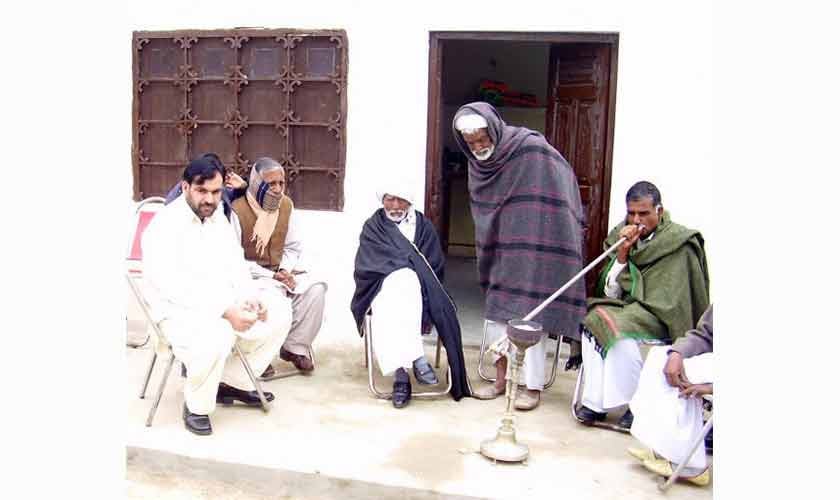
Yet, myths about tobacco remain deeply ingrained in Pakistani society. Hukka is often romanticized as a harmless social ritual, while naswar (a powdered tobacco dip) continues to be promoted as a remedy for headaches. In rural areas, it is common for women to gather in someone’s home to smoke hukka together.

There is also a widespread misconception that light use—fewer cigarettes, occasional hukka, or small amounts of naswar—is risk-free. In reality, even small amounts of tobacco products carry significant health consequences that should not be underestimated.

Tobacco dependence rarely begins as a casual choice. It is often driven by stress, economic hardship, peer pressure, and the addictive properties of tobacco. Telling someone to “just quit” without offering support is like sending a ship to sea without a compass. Many people have never heard of nicotine patches, counselling hotlines, or support groups — or these resources are beyond their purchasing power.

Culturally appropriate cessation programs that integrate behavioural counselling, peer-support networks, and affordable nicotine-replacement therapies are urgently needed. These programs must be made accessible to every community, from cities to remote villages.

Public health education will only succeed if it is rooted in communities and delivered by trusted local voices. Religious leaders, village elders, and teachers can dismantle myths and spark meaningful dialogue in ways that printed leaflets never could. Youth-focused workshops should be interactive, equipping young people to resist peer pressure and challenge cultural norms that normalize tobacco use.

Frontline health professionals, including lady health workers, should be empowered to offer cessation counselling alongside routine services, screen for tobacco use, and connect patients to support options. Civil society can mobilize volunteers to host neighborhood quit-tobacco circles, transforming quitting from a lonely struggle into a collective movement.

Current tobacco laws—such as graphic health warnings on packaging, bans on smoking in public spaces, and steep tax hikes—have more potential than symbolic measures. They can, and do, save lives. For example, when Pakistan increased tobacco taxes by 150 percent in February 2023, cigarette consumption plunged by 19.2 percent, demonstrating that higher prices discourage use.

However, inconsistent enforcement has dulled the impact of these policies. Regular inspections of cafés and shops, transparent public reporting of violations, and substantial penalties for offenders must become the norm rather than the exception.

Pakistan’s tobacco epidemic is neither inevitable nor insurmountable. With determined, culturally nuanced strategies and robust collaboration across sectors, we can reverse a trend that costs lives, compromises our economy, and stunts our future.

Every Pakistani deserves the chance to breathe freely, work productively, and watch their children grow in a nation that values life over addiction.
https://www.thenews.com.pk/tns/detail/1345108-a-silent-emergency

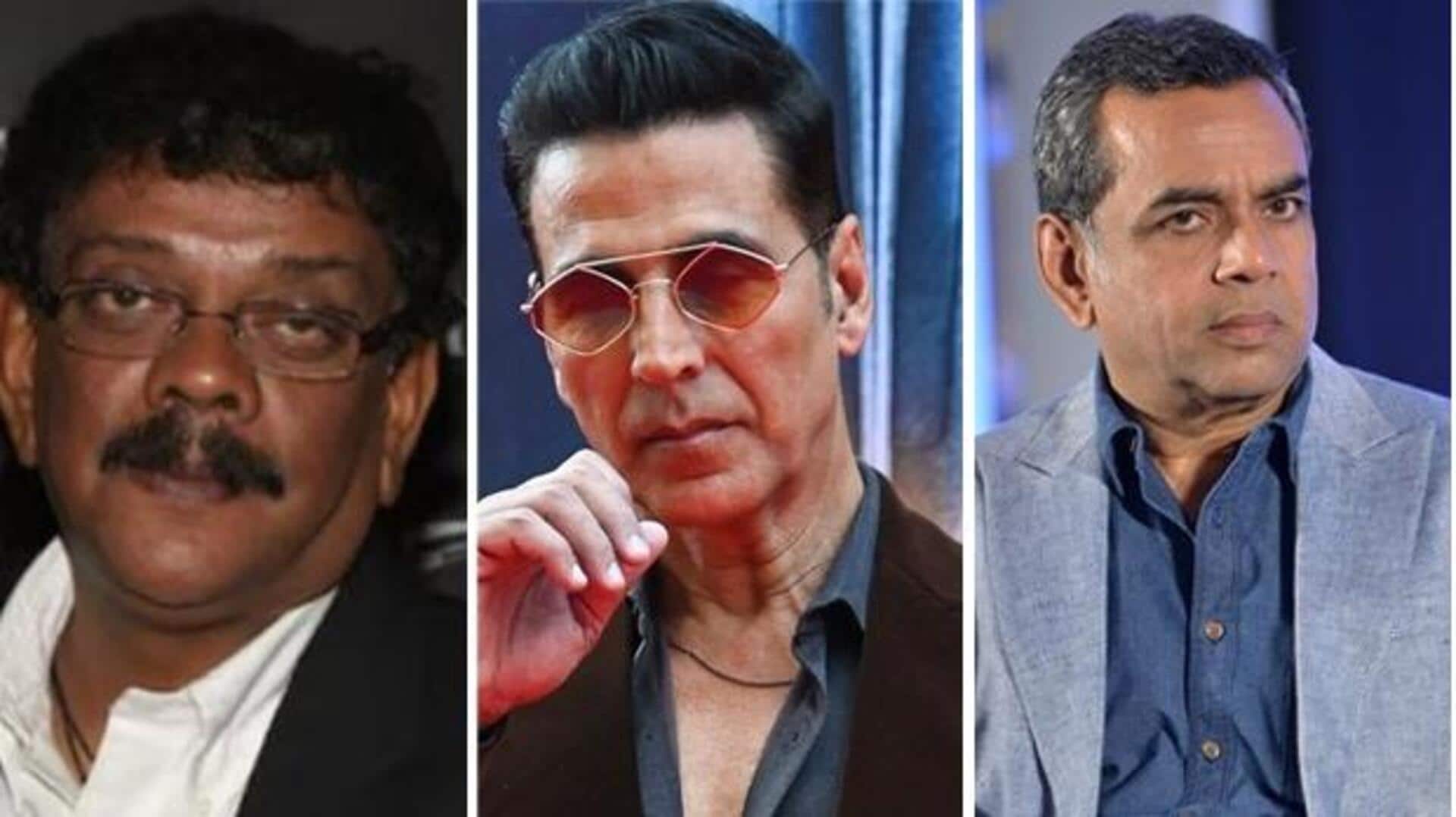
Priyadarshan blames ‘bad forces’ for ‘Hera Pheri 3’ controversy

**Priyadarshan Blames ‘Bad Forces’ for ‘Hera Pheri 3’ Controversy**

*By Isha Sharma | September 21, 2025, 12:26 PM*

The much-anticipated third installment of the beloved *Hera Pheri* franchise has recently been surrounded by controversy. Earlier this year, veteran actor Paresh Rawal briefly exited the project in May, citing creative disagreements. However, he made a comeback in late June, confirming his reunion with co-stars Akshay Kumar and Suniel Shetty.

Addressing the situation, director Priyadarshan clarified that there were no personal issues between him, Akshay Kumar, and Paresh Rawal. Speaking to Pinkvilla, he said, “I tell you very frankly, Paresh and I never had an issue. Even to the best of my knowledge, Akshay and Paresh also never had any issue. There are some other forces, bad forces, who were pressurizing Paresh. He is someone who tends to get worried easily, but at the same time our relationship has never been affected.”

Priyadarshan further expressed his reluctance to focus on the negative aspects surrounding the project. “I thought and even Akshay told me that if it happens let it happen otherwise let’s forget it. If it happens in a very good way, that’s great, but there are other bad forces which have created a lot of issues. It is not worth talking about them so I won’t,” he added.

Rawal’s sudden departure had reportedly resulted in Akshay Kumar’s production house filing a case against him. The actor, however, maintained that he had legitimate reasons for his exit and had even returned his signing amount along with interest. Thankfully, the dispute was resolved, and Rawal is now back on board.

In a recent interview with News18, Paresh Rawal confirmed that *Hera Pheri 3* is set to go on floors next year, much to the excitement of fans eagerly awaiting the film’s release.
https://www.newsbytesapp.com/news/entertainment/priyadarshan-breaks-silence-on-hera-pheri-3-controversy/story

Indian Embassy in US issues emergency number for H-1B concerns

**Indian Embassy in US Issues Emergency Number for H-1B Concerns**

*By Akash Pandey | Sep 21, 2025, 01:47 PM*

**Overview**

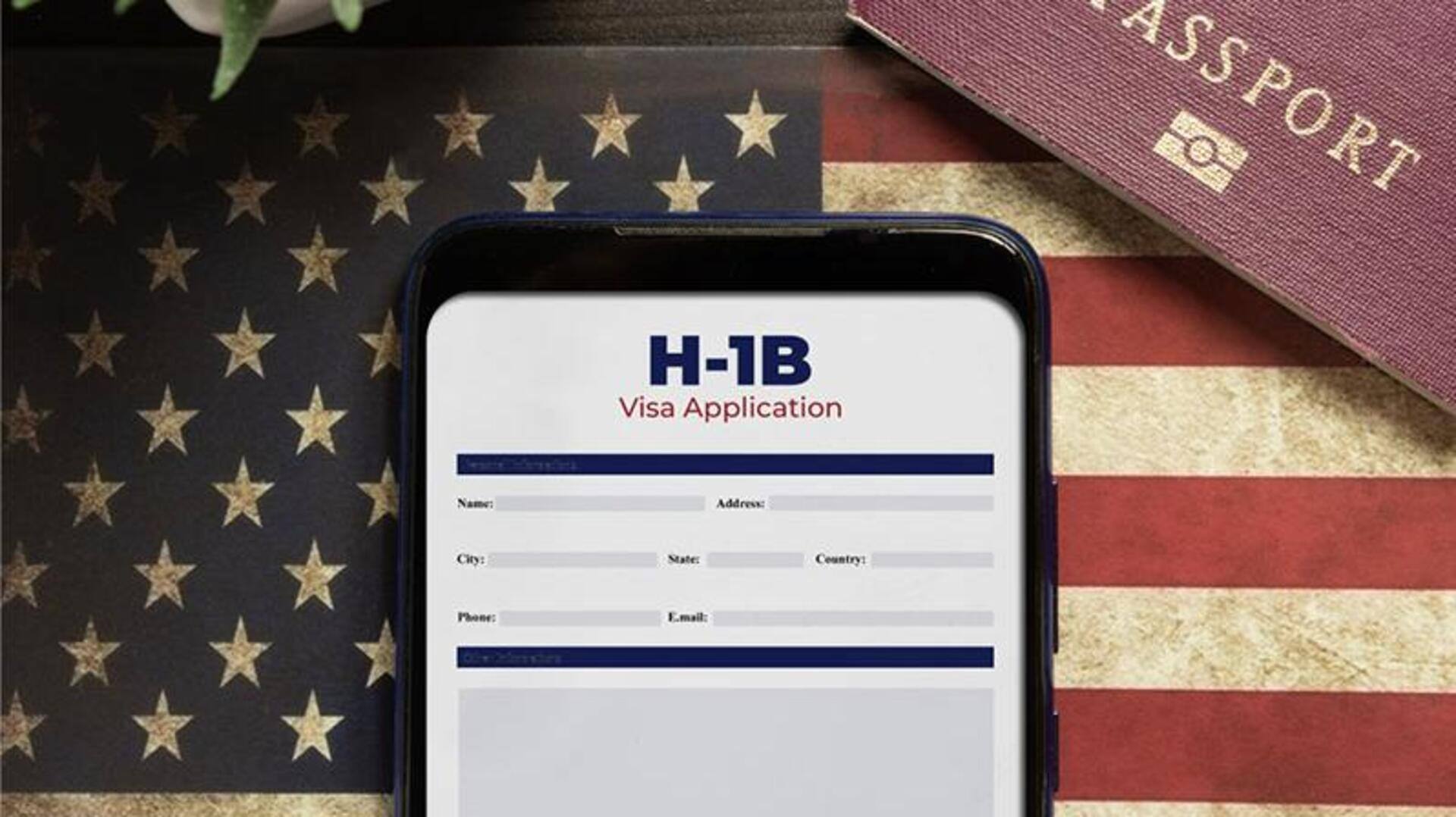
The Indian Embassy in the United States has issued an emergency assistance number for Indian nationals amid growing concerns following a new proclamation by President Donald Trump. The proclamation imposes a $100,000 fee on H-1B visa applications, raising alarm among thousands of Indian tech professionals working in the US.

The embassy shared an official message on X (formerly Twitter), stating, “Indian nationals seeking emergency assistance may call cell number +1-202-550-9931 (and WhatsApp).”

**Impact on Indian Tech Professionals**

The announcement of the hefty new fee has triggered widespread worry about its impact on Indian tech workers and remittances sent back home. Indians make up approximately 71-72% of all H-1B visa recipients, highlighting the significance of this policy change.

Fortunately, a senior official from the US administration clarified that the annual fee applies only to new H-1B visa petitions and does not affect existing visa holders or those renewing their visas. While this offers some relief, uncertainties remain among businesses and affected individuals.

**Important Note**

The emergency number provided by the Indian Embassy is intended strictly for urgent assistance related to the new fee structure and is **not** for routine consular queries.

**Diplomatic Response**

In response to these changes, the Indian government has instructed all its missions and posts in the US to provide maximum support to Indian nationals preparing to travel or return in the next 24 hours.

The Ministry of External Affairs (MEA) is closely analyzing how these new rules could affect Indian families and professionals living in the US.

MEA spokesperson Randhir Jaiswal commented on the situation, saying, “The full implications of the measure are being studied by all concerned.” He emphasized that both Indian and American industries have a shared interest in fostering innovation and creativity, suggesting ongoing consultations to find the best way forward.

The situation is evolving, and Indian nationals affected by these changes are encouraged to stay informed through official channels and utilize the emergency assistance number if needed.
https://www.newsbytesapp.com/news/world/h-1b-row-indian-embassy-issues-emergency-number-for-assisting-nationals/story

Exit mobile version
Sitemap Index