

By MICHAEL R. SISAK | Associated Press The federal Bureau of Prisons is closing a lockup adjacent to the Port of Los Angeles that was once home to Al Capone and Charles Manson over concerns about crumbling infrastructure, including falling concrete that threatens to knock out the facility’s heating system, according to an internal memo obtained by the Associated Press. Director William K. Marshall III told staff on Tuesday that the agency is suspending operations at the Federal Correctional Institution, Terminal Island, a low-security prison. It currently houses nearly 1, 000 inmates, including cryptocurrency fraudster Sam Bankman-Fried and disgraced celebrity lawyer Michael Avenatti. The decision to close the facility, at least temporarily, “is not easy, but is absolutely necessary,” Marshall wrote, calling it a matter of “safety, common sense, and doing what is right for the people who work and live inside that institution.” FCI Terminal Island, opened in 1938, is the latest Bureau of Prisons facility to be targeted for closure as the beleaguered agency struggles with mounting staff vacancies, a $3 billion repair backlog and an expanded mission to support President Donald Trump’s immigration crackdown by taking in thousands of detainees. Marshall cited problems with underground tunnels containing the facility’s steam heating system. Ceilings in the tunnels have begun to deteriorate, causing chunks of concrete to fall and putting employees and the heating system at risk, he said. “We are not going to wait for a crisis,” Marshall told employees. “We are not going to gamble with lives. And we are not going to expect people to work or live in conditions that we would never accept for ourselves.” Bureau of Prisons spokesperson Randilee Giamusso, responding to the AP’s questions about FCI Terminal Island, confirmed that the agency is taking “immediate action” to “safeguard staff and inmates.” Inmates at the facility will be moved to other federal prisons “with a priority on keeping individuals as close as possible to their anticipated release locations,” Giamusso said. In his memo to staff, Marshall indicated that the process could take several weeks. The facility’s future will be decided once the Bureau of Prisons has “assessed the situation further and ensured the safety of all those involved,” she said. The Bureau of Prisons has long been bedeviled by FCI Terminal Island’s aging infrastructure, Giamusso said. In April 2024, an architectural and engineering firm contracted by the agency identified more than $110 million in critical repairs needed over the next 20 years. Site’s checkered past The prison’s opening dates back to the 1930s and it has undergone many changes over the decades. The first prisoners, 610 men and 40 women, filed into the new 21-acre federal prison near the southern end of Terminal Island on June 1, 1938. Back then, the Terminal Island Federal Correctional Institution consisted of three cell blocks built around a central quadrangle, and cost $2 million to build. In 1942, the U. S. Navy took control of the prison for use as a receiving station, and then as a barracks for court-martialed prisoners. After the Navy deactivated the facility in 1950, the state of California took it over for use as a medical and psychiatric institution. The state ceded control to the U. S. Bureau of Prisons in 1955, which converted the facility back into a low-to-medium security federal prison. The prison has housed the famous and the infamous over the years. Al Capone spent the last few months of his 10-year sentence for income tax evasion at Terminal Island in the late 1930s. In 1974, LSD guru Timothy Leary and Watergate co-conspirator G. Gordon Liddy were incarcerated there at the same time. Sara Jane Moore came to Terminal Island in 1976 after her failed assassination attempt on President Gerald Ford. Hustler publisher Larry Flynt spent time there after shouting obscenities at a judge during one of his trials in the early 1980s; he was transferred after allegedly punching prison staff members. The prison was coed, with women prisoners housed in a separate area, until overcrowding forced authorities to transfer the women to the federal prison in Pleasanton in 1977. It has been male-only ever since then. During the 1970s, Terminal Island became known for escape attempts. In December 1979, the San Pedro News Pilot reported 12 escapes during a single 2 1/2-month period. Fortification including more barbed wire and increased armed guards were added to dispel the facility’s “Club Fed” image in the early 1980s. Other inmates included Wall Street fraud artist Barry Minkow of ZZZZ Best fame, automaker John DeLorean (briefly, following his drug trial), and jazz singer Flora Purim, who served 18 months for drug charges before the prison returned to its current all-male make-up. The prison was rocked by a corruption scandal in the early 1980s that resulted in the indictment of six Terminal Island federal employees between 1982 and 1984. The charges involved bribes, cover-ups, marijuana sales to inmates and other types of corruption. Up until that time, the scandal was the most serious in the history of the federal prison system, because of the high-ranking officials involved. These included Charles DeSordi, the prison’s former chief investigator of crimes committed, the highest-ranking federal prison official ever to be indicted. In June, hundreds gathered in San Pedro to protest against U. S. Immigration and Customs Enforcement’s apparent use of Terminal Island as a staging area for its operations across Los Angeles County, but the prison was not involved in those concerns. Officials from the ports of Long Beach and Los Angeles which also share portions of Terminal Island said at the time that ICE wasn’t using any of their properties for operations, despite the U. S. Department of Homeland Security’s request to L. A. to do so. The prison system Tuesday’s news of the closure echoes that of the agency’s federal jail in Manhattan in 2021. The Bureau of Prisons, the Justice Department’s largest employer, has more than 30, 000 workers, 122 facilities, about 155, 000 inmates and an annual budget that exceeds $8. 5 billion. But the agency’s footprint has shrunk over the last year as it wrestles with financial constraints, chronic understaffing and changing priorities. An Associated Press investigation has uncovered deep, previously unreported flaws within the Bureau of Prisons, including rampant sexual abuse, widespread criminal activity by employees, dozens of escapes and the free flow of guns, drugs and other contraband. In December 2024, in a cost-cutting move, the agency announced it was idling six prison camps and permanently closing a women’s prison in Dublin, California, that was known as the “rape club” because of rampant sexual abuse by the warden and other employees. In February, an agency official told Congress that 4, 000 beds meant for inmates at various facilities were unusable because of dangerous conditions like leaking or failing roofs, mold, asbestos or lead. At the same time, the agency is building a new prison in Kentucky and, at Trump’s direction, exploring the possibility of reopening Alcatraz, the notorious penitentiary in San Francisco Bay that last held inmates more than 60 years ago. Marshall, his top deputy and Attorney General Pam Bondi visited in July, but four months later, Alcatraz remains a tourist attraction and a relic of a bygone era in corrections. In addition to failing facilities, the Bureau of Prisons has been plagued for years by severe staffing shortages that have led to long overtime shifts and the use of prison nurses, teachers, cooks and other workers to guard inmates. That problem has only worsened in recent months, in part because of a hiring freeze and recruiting by U. S. Immigration and Customs Enforcement, which has lured correctional officers away with promises of signing bonuses of up to $50,000. In September, Marshall said the Bureau of Prisons was canceling its collective bargaining agreement with workers. He said their union had become “an obstacle to progress instead of a partner in it.” The union, the Council of Prison Locals, is suing to block the move, calling it “arbitrary and capricious.” Southern California News Group staff writer Donna Littlejohn and columnist Sam Gnerre contributed to this report.
https://www.dailybreeze.com/2025/11/25/federal-bureau-of-prisons-says-falling-concrete-is-forcing-it-to-close-terminal-island-prison/
Tag: architectural

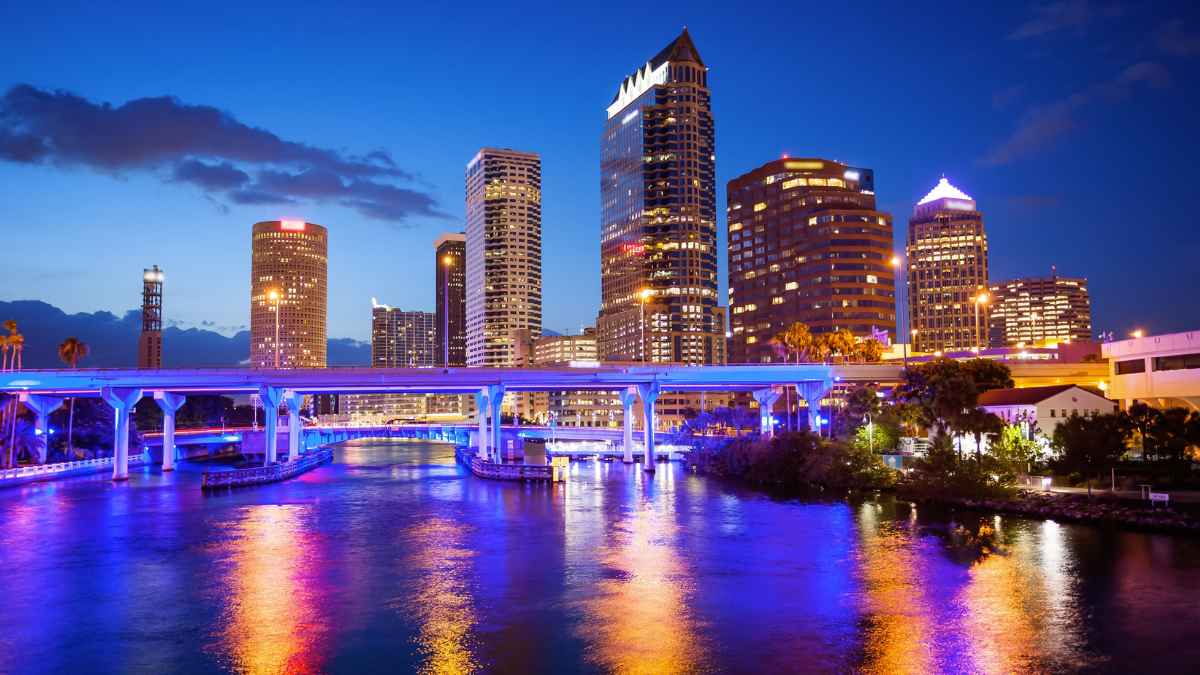
Did Your City Make the Cut? People Ranking Their Top 17 US Destinations
Have you ever wondered how your city stacks up against others in the United States? You’re about to find out as we reveal the top U.S. destinations, ranked by people who have experienced everything these places offer. From stunning landscapes to rich history and vibrant urban life, we’ll explore diverse spots that have made a lasting impression on visitors. Let’s discover if your city has made the list and learn what makes these destinations remarkable.
### 1. Burlington, Vermont
Burlington brilliantly blends natural splendor with cultural allure. It’s a top pick for many due to its welcoming spirit, dynamic city life, and astonishing landscapes. Discover gems like the serene Lake Champlain and bustling Church Street Marketplace in this truly captivating city.
### 2. San Diego, California
Experience San Diego, the sun-soaked gem of Southern California. Its year-round perfect weather, stunning beaches, and dynamic food scene make it a top U.S. destination. Be sure to visit Balboa Park, the San Diego Zoo, and the Gaslamp Quarter in this vibrant city.
### 3. Washington, D.C.
Washington, D.C., the epicenter of U.S. heritage, is a haven for those seeking knowledge-packed adventures. Its museums and federal buildings attract visitors from all over. Navigate the city’s clean subways, savor delicious food, and explore iconic landmarks like the Smithsonian Institution and the U.S. Capitol.
### 4. Chicago, Illinois
Dubbed “The Windy City,” Chicago offers an enticing blend of culture, history, and vibrant city life. Visitors often rank it as a top U.S. destination due to its captivating architecture, diverse food scene, and lively arts sector. The iconic Navy Pier, Millennium Park, and the Art Institute of Chicago are must-visit favorites.
### 5. Savannah, Georgia
Savannah, renowned for its beauty and charm, exudes an ambiance of historic elegance. Its captivating blend of Southern hospitality, rich history, and architectural grandeur makes it a top choice for travelers. Be sure to visit enchanting Forsyth Park, charming River Street, and the Savannah Historic District.
### 6. Portland, Maine
Portland boasts picturesque coastal beauty, an engaging arts scene, and abundant seafood delights. The city lures visitors with its friendly atmosphere, historic charm, and stunning harbor views. Must-see attractions include the vibrant Old Port district, charming lighthouses, and scenic Casco Bay.
### 7. Santa Barbara, California
Often dubbed the “American Riviera,” Santa Barbara exhibits a delightful fusion of Spanish colonial charm and stunning Pacific coastlines. Visitors favor it for its ideal climate, refined wineries, and stunning beach scenery. Don’t miss the iconic Santa Barbara Mission, picturesque Stearns Wharf, and the lively Funk Zone.
### 8. Monterey, California
Nestled along California’s coastline, Monterey is famed for its delectable seafood, renowned aquarium, and inviting climate. Its unique fusion of natural splendor and maritime attractions appeals to tourists, making it a top U.S. destination. Highlights include the world-class Monterey Bay Aquarium, energetic Fisherman’s Wharf, and the breathtakingly scenic 17-Mile Drive.
### 9. Traverse City, Michigan
This charming locale nestled on Michigan’s Grand Traverse Bay captivates with natural beauty and warm hospitality. Due to its serene beaches, cherry orchards, and thriving culinary scene, it is a beloved pick among top U.S. destinations. Visitors enjoy the picturesque Traverse City State Park, charming Front Street, and the historic Mission Peninsula Vineyards.
### 10. Charleston, South Carolina
Charleston is renowned for its historic charm and coastal allure, presenting a city enriched with Southern hospitality. Its refined elegance, notable cuisine, and historic landmarks make it a preferred choice among U.S. destinations. People are drawn to the historic French Quarter, the stunning Battery seawall and promenade, and the vibrant Charleston City Market.
### 11. Detroit, Michigan
Known as the “Motor City,” Detroit is a fascinating city steeped in rich industrial history and culture. It often surprises visitors with its vibrant downtown and rejuvenated neighborhoods, defying its tough reputation. Highlights include the bustling downtown scene, the Detroit Institute of Arts, and the historic Motown Museum.
### 12. Honolulu, Hawaii
Hawaii’s vibrant capital city exudes a laid-back island atmosphere with urban refinement. Its stunning natural beauty and luxurious beachfront resorts attract visitors. People are drawn to iconic Waikiki Beach, the magnificent Diamond Head crater, and the captivating Polynesian Cultural Center.
### 13. Flagstaff, Arizona
Surrounded by picturesque landscapes, Flagstaff offers visitors a refreshing blend of nature and urban adventures. Its proximity to the Grand Canyon and lively downtown scene make it a preferred choice among top U.S. destinations. Enchanting spots such as the Walnut Canyon National Monument, Lowell Observatory, and historic Route 66 draw people to the city.
### 14. Boston, Massachusetts
Boasting a rich history, Boston is one of America’s oldest cities known for its vibrant culture and academic intellect. Its historic significance and unique culinary delights make it a favorite in the U.S. Favored spots include the Freedom Trail, bustling Quincy Market, and the serene Boston Common.
### 15. Sedona, Arizona
In the heart of Arizona, Sedona enchants with stunning red rock landscapes that seem picture-perfect. Its extraordinary natural beauty and spiritual atmosphere make it one of the favorite U.S. destinations. Attractions like the Chapel of the Holy Cross, Bell Rock, and mesmerizing hiking trails draw visitors in abundance.
### 16. Seattle, Washington
Seattle fuses modern charm with natural beauty, making it a vibrant and dynamic city. Its mix of iconic landmarks, a thriving tech scene, and artistic gifts make it a top choice among U.S. destinations. Key attractions include the famed Space Needle, bustling Pike Place Market, and the serene waterside views of Puget Sound.
### 17. Duluth, Minnesota
Nestled on the shores of Lake Superior, Duluth presents a harmonious blend of natural beauty and metropolitan elegance. Its panoramic lake views, adventure-filled outdoor activities, and friendly community make it a top U.S. destination. Popular spots include Canal Park, Spirit Mountain for skiing and mountain biking, and the Great Lakes Aquarium.
—
### The 34 Best Places to Visit in the U.S.
The United States is a massive country with a vast array of cultures, ecosystems, and historical landmarks. With so much happening across such a large nation, choosing where to go can be challenging. Whether you’re into scenic nature, bustling cities, or rich history, the best places to visit in the U.S. offer something for everyone. Explore these destinations and discover your next unforgettable adventure!
https://radicalfire.com/top-us-destinations/

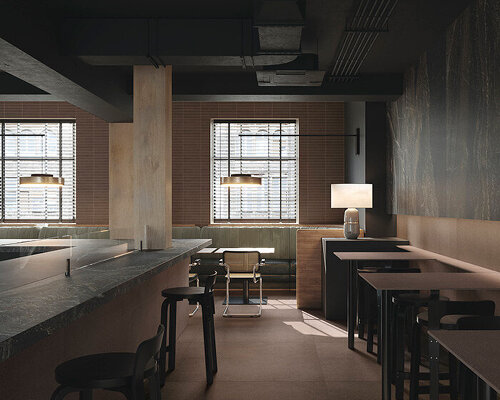
FMG mixes earth’s natural nuances into full-body porcelain stoneware project terrapura
FMG Creates Dialogue with Earth through TerraPura
FMG Fabbrica Marmi e Graniti introduces TerraPura, a full-body porcelain stoneware project that merges the ancient wisdom of the earth with contemporary technological precision. Launched for Cersaie 2025, TerraPura was conceived in Italy as part of FMG’s ongoing exploration of material authenticity and design performance.
Created using Full Body³ technology, TerraPura celebrates natural imperfection and timeless beauty through surfaces that are as durable as they are evocative. Whether applied in highly trafficked environments like restaurants, boutiques, or even outdoor spaces, TerraPura is designed to meet the demands of modern architecture while remaining deeply rooted in the earth’s original essence.
FMG’s Full Body³ Technology
Each TerraPura surface tells a geological story through fine veins, subtle variations, and sculptural grain. For the Italian ceramics company, these visual traces are not seen as flaws but as reflections and marks of nature’s own narrative. The result is a ceramic material that feels both ancient and new, familiar yet sophisticated, capable of stirring emotion while offering superior functional performance.
Made using FMG’s Full Body³ technology, TerraPura ensures total homogeneity between the surface and its inner body. This makes the material extremely resistant to wear, ideal for high-traffic areas such as public buildings, hospitality venues, and urban spaces.
Moreover, its consistent depth allows for creative edge treatments, adding versatility to both architectural and interior design applications.
TerraPura’s Modular Palette and Finishes
TerraPura offers a range of ten colors inspired by natural minerals and landscapes: Pura Bianco, Pura Antracite, Pura Rosa, Pura Avio, Pura Marrone, Pura Beige, Pura Grigio, Pura Greige, Pura Celeste, and Pura Argento. These tones give designers the freedom to compose harmonious environments or create bold contrasts, lending each project a distinct identity.
The palette’s subtle warmth and balance bring elegance to both minimalist and richly layered interiors.
To enhance versatility, FMG offers three primary finishes, each tailored to specific uses:
- Top Lapped: Provides tactile depth with a smooth, expressive sheen, perfect for refined interiors.
- Natural Plus: Combines adaptability and restraint, suitable for any context.
- Antislip: Ensures safety and comfort in wet or outdoor settings, ideal for spas, terraces, and wellness spaces.
Dimensions and Decorative Solutions
TerraPura’s modular dimensions range from 120×120 cm to 30×30 cm, supporting a variety of compositional approaches. Decorative options include:
- Righe Structured surface: For architectural accents.
- Italian herringbone mosaic (60×25 cm): A reinterpreted classic that enriches any space.
- Strip tile mosaic (30×30 cm): Perfect for creating continuity or highlighting specific details.
Each element is carefully designed and manufactured to interact seamlessly, creating visual rhythms that flow between order and spontaneity—from floor to wall and from room to room.
Every detail carries a memory that is etched into its layers.
TerraPura by FMG Fabbrica Marmi e Graniti—bringing the earth’s timeless beauty into the heart of contemporary design.
Northern Spain’s hidden gems: 5 villages to explore
**Northern Spain’s Hidden Gems: 5 Villages to Explore**
*By Simran Jeet | Oct 13, 2025, 05:05 pm*
Northern Spain is dotted with some of the most beautiful villages, many of which remain undiscovered by most travelers. These hidden gems offer an authentic glimpse into the country’s rich history and culture, without the crowds typical of more touristy spots. From stunning landscapes to unique architectural marvels, these villages provide a memorable experience for those seeking genuine Spanish charm.
Here are five such villages that deserve your attention:
### 1. Cudillero: A Coastal Delight
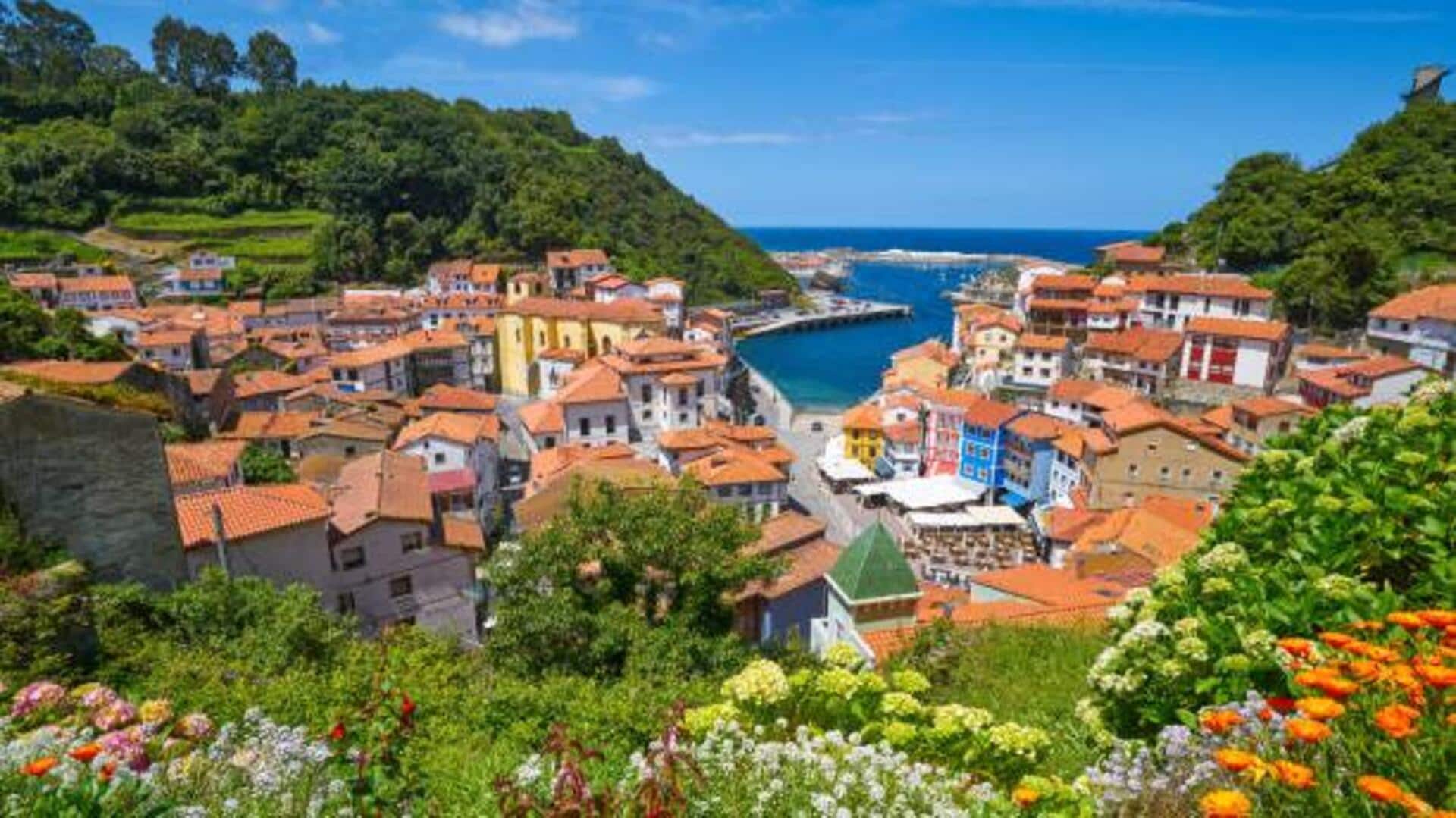
Cudillero is a picturesque fishing village located on Spain’s northern coast. It is famous for its colorful houses that cascade down the cliffs toward the harbor, providing stunning views of the Atlantic Ocean. The village’s narrow streets are lined with traditional shops and cozy cafés, where you can savor local delicacies. Throughout the year, Cudillero hosts several festivals that offer a vibrant taste of Asturian culture.
### 2. Santillana del Mar: Medieval Charm
Often called “the village of three lies,” Santillana del Mar is a medieval village in Cantabria that has beautifully preserved its historical character. Its cobblestone streets and stone houses with intricate facades transport visitors back in time. A highlight here is the Altamira Cave, famous for its prehistoric art. Additionally, Santillana del Mar features several museums and art galleries showcasing its rich cultural heritage.
### 3. Castro Urdiales: A Blend of History and Nature
Castro Urdiales is a coastal town where history and natural beauty come together. The town boasts a stunning Gothic church that stands majestically against the sea backdrop. Its seaside promenade is perfect for leisurely walks, offering breathtaking views of cliffs and beaches. The lively marina area is dotted with numerous restaurants serving fresh seafood, enhancing the town’s appeal.
### 4. Comillas: Architectural Wonders
Comillas is renowned for its architectural masterpieces by Antoni Gaudi and other modernist architects. This small town in Cantabria is home to landmarks like El Capricho de Gaudi, known for its colorful tiles and distinctive curves. Visitors can enjoy strolls through lush gardens and parks while taking in panoramic views from nearby hillsides, making Comillas a haven for architecture enthusiasts.
### 5. Ribadesella: Artistic Inspiration
Ribadesella has long been a source of artistic inspiration, famously attracting painters such as Francisco Goya. Situated along the Sella River estuary, the village features sandy beaches bordered by verdant greenery. Cultural events, including music festivals, are hosted throughout the year, making Ribadesella an ideal destination for art lovers seeking creative inspiration at every turn.
—
Discovering these villages offers a chance to experience Northern Spain beyond the usual tourist trail — immersing yourself in authentic culture, breathtaking scenery, and timeless history. Whether you are drawn by art, architecture, or natural beauty, these five villages promise unforgettable memories.
https://www.newsbytesapp.com/news/lifestyle/northern-spain-s-hidden-gems-5-villages-to-explore/story


The Ultimate Guide To Self Publishing
At an event held in Kobe in September, more than 800 people gathered to sell or buy zines of all kinds. The atmosphere resembled a creative bazaar where each booklet reflected its maker’s imagination.
One artist presented a zine focused on a single Japanese character, deliberately written in an unreadable way to spark conversation with readers. The charm of zines lies in their complete freedom—there are no rules for layout, format, or content. Photography, essays, and illustration all coexist under one creative umbrella.
Zines also serve as a haven for enthusiasts of niche interests. Yoshida, one of the creators, compiled matchbox labels distributed at pachinko parlors during the Showa era. Though the designs may appear dated, he regards them as valuable historical artifacts documenting vanished storefronts.
“I probably have Japan’s largest collection of pachinko match labels,” he said with pride. Such topics would likely never pass a publisher’s filter, yet in zines, personal passion takes the lead—a key factor behind their appeal to both creators and readers.
“What makes zines fascinating,” said one customer, “is that they capture the creator’s character without being overly polished. It feels like pure self-expression.”
Among the many creators was first-class architect Chisato Otake, whose zine features imaginary floor plans. Her inspiration came from frustration in her day job.
“I often think, ‘If only I could design this kind of house,’ but clients’ needs don’t always align,” she explained. To bring her ideas to life, Otake selects real plots from real estate sites and designs homes according to professional building codes, even when the plans are purely imaginative.
“If I’m going to fantasize,” she said, “I may as well design a luxury property worth hundreds of millions of yen.” Her next project will focus on rooms, inspired by a period when she was bedridden and unable to work.
“It wasn’t about living a perfectly curated lifestyle,” she said, “but I’d like readers to feel a sense of empathy.” Though her architectural drawings are beautiful, Otake emphasizes that zines let her share vulnerability—something professional work rarely allows.
As digital media dominates communication, some wonder why zines continue to thrive. For many, the tactile nature of paper is irreplaceable.
“You can staple, clip, or decorate it however you want. That physical interaction is part of the fun,” said one participant. Because online content is so fleeting, people are rediscovering the appeal of printed matter.
Bookstores, too, are taking notice. One major retailer reported that zine sales now account for about 10 percent of total revenue.
“At first, it was just a small shelf,” said the manager. “But sales picked up quickly, so we expanded to three full shelves.” In an industry struggling with declining print sales, zines have become a new reason for people to visit bookstores.
As readers flip through each handmade page, they find themselves drawn deeper into the creator’s world—one that cannot be replicated on a screen.
https://newsonjapan.com/article/147172.php