

Getting your Trinity Audio player ready. The consensus box of Del Mar horse racing picks comes from handicappers Bob Mieszerski, Eddie Wilson, Kevin Modesti and Mark Ratzky. Here are the picks for thoroughbred races on Sunday, November 23, 2025. Trouble viewing on mobile device? See consensus picks Enjoy the consensus horse racing picks online? Subscribe Sign up for Ponies Express newsletter and get the latest news and tips on wagers for weekend Horse Racing at Santa Anita and other Southern California tracks in your inbox. Subscribe here. RevContent Feed.
https://www.ocregister.com/2025/11/23/del-mar-consensus-picks-for-sunday-nov-23-2025/
Author: admin


Three bartenders arrested during SLA inspection in Kings Park
All three were issued Field Appearance Tickets and are scheduled to appear at First District Court in Central Islip at a later date. The Smithtown Fire Marshall issued summonses for 10 code violations and closed down the establishment. The business will remain closed until the violations are corrected and the building is re- inspected. Additionally, a loaded shotgun was recovered from the establishment.
https://tbrnewsmedia.com/three-bartenders-arrested-during-sla-inspection-in-kings-park/


Sultan Azlan Shah Cup 2025: India begins campaign with 1-0 win against South Korea in Ipoh
The Indian men’s hockey team made a triumphant start to their Sultan Azlan Shah Cup campaign with a 1-0 win against South Korea on Sunday (November 23).
https://www.sportskeeda.com/indian-sports/news-sultan-azlan-shah-cup-2025-india-begins-campaign-1-0-win-south-korea-ipoh

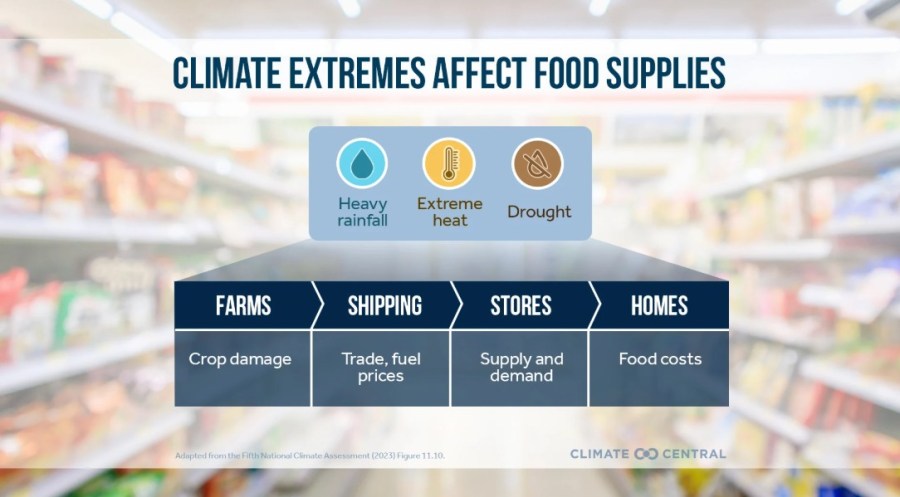
Relating food to the ongoing climate crisis
Ongoing concerns from our warming planet also include the increase in food costs. — Rich Segal
https://www.kxan.com/weather/weather-blog/relating-food-to-the-ongoing-climate-crisis/


Annoyed by constant Wi-Fi drops? Here’s the fix you need
Dropping out of a meeting, watching a stream buffer right at the climax, or seeing a download freeze is downright infuriating. If your Wi-Fi is smooth one moment and crawling the next, the issue could lie with your connection or your device. Here’s how to put an end to those constant disconnects. Rule out issues with your internet connection When Wi-Fi keeps dropping, your first thought might be that the problem is with your device-but often, the real culprit is your internet connection. Before you start troubleshooting your device, ensure the issue isn’t coming from your ISP. It’s easy to check: if other devices on the same network experience the same drops, the problem could be with your internet. If several devices are having the same issue, begin with simple steps: restart your modem or router, look for any router warning lights, and check whether your ISP is experiencing outages. Too many devices on the network can also consume bandwidth, so disconnect unnecessary devices to see if that helps. You can also run speed tests at different times to identify instability. If the problem persists across devices, report it to your ISP. But if only your Windows laptop experiences the drops, move on to the next set of device-specific fixes. Adjust your power management settings If your internet connection isn’t the issue, the next thing to check is whether your device is automatically turning off the Wi-Fi adapter to save power-something that often happens when the battery is low or power-saving mode is enabled. To prevent this, you should turn off the setting that allows Windows to power down the adapter. Right-click the Start button and open “Device Manager.” Expand “Network Adapters,” locate your Wi-Fi adapter, right-click it, and select “Properties.” Go to the “Power Management” tab and uncheck “Allow the computer to turn off this device to save power.” Click “OK” to save your changes. If power management was causing the problem, this should resolve it. Remove other saved networks and change priority Do you have multiple Wi-Fi networks nearby? If your PC is set to automatically connect to networks in range, it might switch from your primary connection to a weaker or unstable one, causing drops. It can also disconnect while searching for a stronger signal from other saved networks. To prevent this, remove or deprioritize other saved networks. Right-click the Start button and open “Settings.” Navigate to “Network & Internet” on the left, then go to Wi-Fi > Manage Known Networks. Open your main network and make sure “Connect automatically when in range” is checked. To stop your PC from switching to other networks, uncheck this option for the other saved networks or choose to forget them completely. Switch to a different Wi-Fi band or channel Interference from nearby networks or devices can also cause frequent Wi-Fi drops. Most modern routers are dual-band, offering both 2. 4 GHz and 5 GHz networks. The 2. 4 GHz band provides longer range and better wall penetration, but at slower speeds. The 5 GHz band offers faster performance with less interference, though over a shorter distance. Choosing the band that best fits your environment can often improve stability. To switch bands, log in to your router’s dashboard (usually through an address like 192. 168. 1. 1), open the Wi-Fi or Wireless Settings section, and check which band your device is currently using. Switch to the more suitable one if necessary. You can also manually change the Wi-Fi channel-for example, on the 2. 4 GHz band, try channels 1, 6, or 11, as they are non-overlapping and usually less crowded. Do you use a VPN or third-party security/firewall software on your computer? VPNs can reroute traffic and sometimes interfere with network stability, while security software might block certain connections or create conflicts that lead to frequent disconnects. If you use any of these, they could cause Wi-Fi drops. To test this, temporarily disable your VPN and see if the connection stabilizes. Next, briefly turn off firewalls or security software, then check again. If your Wi-Fi continues to drop even after trying other fixes, outdated drivers may be the culprit. Updating your Wi-Fi drivers often resolves persistent connectivity problems. To do this, right-click the Start button and open “Device Manager.” Expand “Network Adapters,” right-click your Wi-Fi adapter, and select “Update Driver,” then follow the on-screen instructions. Resetting the network adapter can also help fix the issue. To do this, right-click the Start button and open “Settings.” Then, go to Network & Internet > Advanced Network Settings, and click Network Reset > Reset Now at the bottom. This will remove and reinstall all network adapters, restoring their settings to default. Afterward, restart your PC and reconnect to your Wi-Fi. Reset the TCP/IP stack and flush your DNS Sometimes Wi-Fi drops are caused by corrupted network settings or cached DNS entries on your PC. Resetting TCP/IP and flushing the DNS can often resolve these issues. To do this, type Command Prompt in the search bar, right-click it, and select “Run as Administrator.” Then, enter the following commands one by one, pressing Enter after each: netsh int ip reset resets your TCP/IP stack to default. ipconfig /release releases your current IP address. ipconfig /renew requests a new IP address from your router. ipconfig /flushdns clears the DNS cache. After running these commands, restart your computer and reconnect to your Wi-Fi. If outdated DNS entries or IP conflicts were causing the drops, this should fix the problem. Following the steps above will help you identify the root cause of the issue. Once resolved, your Wi-Fi should remain stable, allowing you to work, stream, and browse without interruptions.
https://www.howtogeek.com/fix-constant-wifi-drops/


TIUA Launches National Family Restoration & Re-Entry Initiative to Empower Returning Citizens and Strengthen Families Through Faith and Education
Pensacola, FL, November 23, 2025 –(PR. com)– A national Christian initiative restoring families, empowering returning citizens, and strengthening communities through faith, education, and transformation. “TIUA is committed to restoring families, empowering returning citizens, and transforming communities through Christ-centered education and compassionate leadership.” Office of Institutional Affairs, TIUA Trinity International University of Ambassadors (TIUA), TIUA School of Business, and Trinity International Chaplaincy Institute Announce National “Family Restoration & Re-Entry Initiative” A Christ-Centered Movement to Restore Families, Empower Returning Citizens, and Transform Communities by Bridging Gaps and Changing Lives Trinity International University of Ambassadors (TIUA), together with the TIUA School of Business and the Trinity International Chaplaincy Institute, announces the launch of the TIUA Family Restoration & Re-Entry Initiative. This national Christ-centered program is dedicated to restoring families, empowering returning citizens, and strengthening communities through faith, education, and compassionate leadership. The initiative reflects TIUA’s mission of bridging gaps and changing lives to the glory of God. TIUA’s vision is rooted in Isaiah 61: 1: “He has sent me to bind up the brokenhearted, proclaim freedom for the captives, and release from darkness the prisoners.” The university recognizes the urgent need to support individuals and families affected by incarceration. America needs this movement now more than ever, as families, communities, and returning citizens seek real pathways to healing, restoration, and hope. This initiative creates a pathway of restoration through education, leadership development, spiritual healing, economic empowerment, and family rebuilding. The initiative is carried out through three TIUA institutions: Trinity International University of Ambassadors (TIUA) TIUA provides Associate, Bachelor’s, and Master’s degree programs in leadership, ministry, humanitarian studies, Christian counseling, and global impact. Students gain the academic preparation and spiritual formation needed to rebuild their futures. www. tiuaonline. school TIUA School of Business The School of Business equips returning citizens with entrepreneurship training, organizational leadership, nonprofit management, financial literacy, digital marketing, and workforce readiness. These programs help participants build sustainable careers and generational stability. Trinity International Chaplaincy Institute The Chaplaincy Institute offers chaplaincy certification, trauma-informed pastoral care, crisis counseling, prison chaplaincy training, and spiritual mentorship. These programs support emotional healing and spiritual restoration. The TIUA Family Restoration & Re-Entry Initiative focuses on rebuilding families by offering Christ-centered family restoration curriculum, parenting and marriage rebuilding, trauma recovery, communication strengthening, and reconnecting families to faith-based communities. TIUA also serves children of incarcerated parents through its annual Christmas outreach, offering gifts, emotional support, and spiritual encouragement. TIUA invites re-entry programs, churches, nonprofits, transitional housing leaders, chaplains, ministries, and community partners to join this movement. “At TIUA, we do not judge individuals by their past. We honor who they are becoming through Christ. This initiative bridges gaps, restores dignity, and changes lives to the glory of God,” said the Office of Institutional Affairs. The initiative aims to reduce recidivism, restore families, support trauma recovery, promote financial stability, equip leaders, prevent generational incarceration, and transform communities through education and faith. TIUA believes that when God restores one life, entire generations can be redeemed. About TIUA and Affiliate Institutions Trinity International University of Ambassadors (TIUA) is a global Christian university focused on leadership, ministry, humanitarian work, and Kingdom transformation. www. tiuaonline. school www. trinityiua. org www. trinitybusiness. org TIUA School of Business empowers individuals through entrepreneurship and financial literacy. Trinity International Chaplaincy Institute prepares chaplains and spiritual caregivers to serve in prisons, hospitals, ministries, and communities. Together, these institutions exist to educate, restore, empower, and transform lives for the glory of God. Media Contact Office of Institutional Affairs Trinity International University of Ambassadors Duluth, Georgia & Pensacola, Florida info@tiuambassadors. org www. tiuaonline. school www. trinityiua. org Office of Institutional Affairs Trinity International University of Ambassadors.
https://www.pr.com/press-release/954467


Jacobs Solutions: Affordable Now, Attractive For The Next Contraction
Jacobs Solutions: Affordable Now, Attractive For The Next Contraction Nov. 23, 2025 9: 15 AM ETJacobs Solutions Inc. fell over 10%, despite strong Q4 results, facing environmental sector challenges and a looming one-time tax event in 2026. J’s backlog hit a record $23. 1 billion, with growth in life sciences, advanced manufacturing, and critical infrastructure, but valuation remains elevated. J is well-diversified and positioned to benefit from AI, data center, and CapEx tailwinds, while its exposure to these sectors is still moderate. While J is somewhat expensive, it is investable now for a small position and could be a strong rebound stock during an economic downturn. Earnings Highlights, Fundamentals, and Valuation Considerations Jacobs Solutions (NYSE: J) fell more than 10% despite beating EPS estimates and reporting solid overall numbers in Q4 2025. The stumble was due in part to challenges in This article was written by 765 Follower s Markets rise and fall, booms come and go, and the world keeps ticking. Ultimately, I believe observing megatrends, as difficult as they can be to spot, let alone fully comprehend, can yield insights into the advance of human society, which in turn could pave the way for many useful investment insights. As society and technologies evolve, companies and other stakeholders will seize advantages. Figuring out which companies will take the best advantage of any given opportunities is not easy. I am especially interested in macrotrends, futurism, and increasingly, emerging technologies. However, as far as investing is concerned, it’s crucial to pay attention to the fundamentals, quality of leadership, product pipeline, and all the other details. In recent years, I have focused on marketing and business strategy, primarily for medium sized companies and startups. I have worked in international development, including overseas for a foreign Prime Minister’s office, as well as non-profit work in the United States. Among other tasks, I evaluated startups and emerging industries/technologies. I have also moonlighted as a technology and economic news journalist. Now I’m looking to tie everything together. While my personal interests will always keep megatrends and technological developments in mind, I do believe fundamentals and technicals are vital to uncovering opportunities. Analyst’s Disclosure: I/we have no stock, option or similar derivative position in any of the companies mentioned, but may initiate a beneficial Long position through a purchase of the stock, or the purchase of call options or similar derivatives in J over the next 72 hours. I wrote this article myself, and it expresses my own opinions. I am not receiving compensation for it (other than from Seeking Alpha). I have no business relationship with any company whose stock is mentioned in this article. Seeking Alpha’s Disclosure: Past performance is no guarantee of future results. No recommendation or advice is being given as to whether any investment is suitable for a particular investor. Any views or opinions expressed above may not reflect those of Seeking Alpha as a whole. Seeking Alpha is not a licensed securities dealer, broker or US investment adviser or investment bank. Our analysts are third party authors that include both professional investors and individual investors who may not be licensed or certified by any institute or regulatory body. Comments Recommended For You.
https://seekingalpha.com/article/4846925-jacobs-solutions-affordable-now-attractive-for-next-contraction?source=feed_all_articles

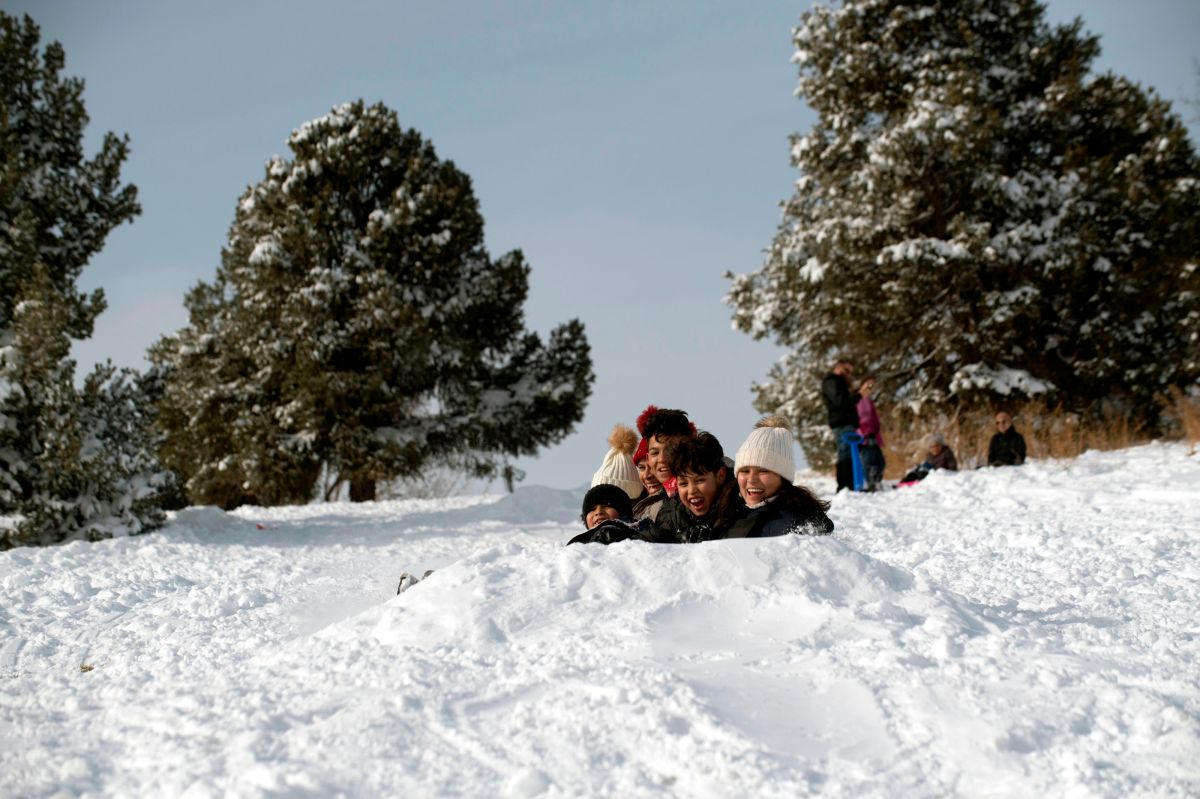
Maps Show Snow Risk for Each State Over Thanksgiving 2025 Holidays
Almost 82 million people are expected to travel over Thanksgiving.
https://www.newsweek.com/maps-snow-risk-thanksgiving-2025-holidays-11094908


Tony Khan Confirms Executive Responsible For Briscoe Ban Is ‘Long Gone’
AEW President Tony Khan addressed the long-standing ban that kept the Briscoe Brothers off Warner Bros. Discovery networks following Mark Briscoe’s TNT Championship victory on Saturday. During the AEW Full Gear press conference, Khan confirmed that the executive responsible for preventing the team from appearing on television is no longer employed by the company. Mark Briscoe captured the TNT Championship earlier in the night, marking his first singles title in AEW. He was presented with a custom camouflage title belt to commemorate the win. When asked about the journey from being banned to holding the network’s signature title, Khan spoke bluntly about the past regime. Khan said: “Someone who’s long gone, long departed. Somebody who is long gone and, you know, we’ll leave it at that.” Khan mentioned the positive relationship with the current management team. Khan continued: “This place is the best. This is the absolute greatest. It’s a great place. And again, that is not somebody that is part of the family of the network or part of this family now.” Mark Briscoe reflected on the moment, acknowledging the specific controversy involving his late brother, Jay Briscoe. In 2013, Jay posted homophobic comments on Twitter that resulted in a high-ranking Warner official blocking the duo from AEW programming. Mark spoke about learning from those mistakes. Mark said: “It’s just crazy because, so many years ago, it was, you know, we didn’t know there was a point where the trajectory of the Briscoe brothers, it was just all up, up, up. And then, you know, some unfortunate comments were made by my big head brother. But, you know, it’s one of the things where you live and you learn. And we’re just so grateful that people have seen and acknowledged that we did learn from our mistakes.” Khan noted that he tried “every day” to overturn the decision while Jay was alive, but the executive “would not budge.” He credited current WBD CEO David Zaslav for the regime change that allowed Mark to be featured on the network. If you use any portion of the quotes from this article please credit the AEW Full Gear Press Conference with a h/t to WrestlingNews. co for the transcription. Check out the full press conference on the AEW YouTube channel.
https://wrestlingnews.co/aew-news/tony-khan-confirms-executive-responsible-briscoe-ban-long-gone/


Recall alert! Check your cabinets and garages for these 6 products
Mid-November has brought a flurry of recall alerts across the U. S., with food products, household items and automotive manufacturers issuing urgent notices. From contamination concerns to manufacturing defects, these recalls highlight how quickly everyday items can become unexpected safety risks. As families prepare for the holiday season in the coming weeks, understanding what’s been pulled from shelves-and why-has never been more important. Here are six of the latest recalls across food, consumer goods and automobiles that made headlines this week and how to spot these risky items to stay safe. 6 food and product recalls between Nov. 17 and Nov. 23 Milk pans sold in 6 states recalled due to potential lead contamination Shata Traders Inc. is recalling milk pans sold in six states, including New Jersey, due to potential lead contamination, according to the U. S. Food and Drug Administration. The recall covers 24-centimeter milk pans sold under the brand Majestic Chef Pan. The products were distributed in six states, including New York, New Jersey, Connecticut, Maryland, Virginia and Massachusetts. The Brooklyn-based company initiated the recall after testing found levels of lead harmful to human consumption. No illnesses have been reported to date in connection with this recall. Consumers who bought the milk pans should immediately stop using them and return them to their place of purchase for a full refund. Anyone with questions and concerns about the recall should call (718) 369-7000 and ask for Mahboob Rahman. For more information about the recall, you can read the FDA notice. Little Partners recalling more than 9K Grow N’ Stow Folding Learning Towers due to fall risk Little Partners is recalling 9, 780 Grow N’ Stow Folding Learning Towers because the platform inside the learning tower can collapse, posing a fall risk for young children, according to the U. S. Consumer Product Safety Commission. The products have the “model number LP01711 and date codes, in YYYYMM format, from 202409 to 202501,” according to the CPSC. The company has received 14 reports of the folding towers collapsing, with one reported injury of a child who suffered bruises. The learning towers were sold at Walmart stores nationwide, and at online retailers, such as Walmart. com, Amazon. com, Littlepartners. com, Etsy. com, Wayfair. com, Goodbyegear. com, Buybuybaby. com and Bedbathandbeyond. com, from December 2024 through September 2025. The products retailed at around $100 each. Consumers should stop using the learning towers and keep them away from children. They should also throw away the old crossbar and contact Little Partners for a free repair kit that includes a new crossbar and instructions on how to install it. For more information on this recall, you can check the CPSC notice here. Vampire Slayer Garlic Cheddar Cheese recalled due to life-threatening health risk An Oregon-based cheesemaker is recalling 16 6-ounce units of its Vampire Slayer Garlic Cheddar Cheese due to listeria contamination, according to the FDA. Face Rock Creamery initiated the recall after testing found listeria in the processing area where the cheese was packaged. No illnesses have been reported to date. The recalled 6-ounce Vampire Slayer Garlic Cheddar has a UPC code of 8 512222 00547 8 and was sold between Nov. 10-13, 2025, at the creamery’s flagship store in Bandon, Ore. Those with questions about this recall should call 541-347-3223 between 9 a. m. 4 p. m. PT, Monday-Friday, or send an email to info@facerockcreamery. com. For more information about this recall, you can check out the FDA notice. Dessert company recalls Lava Buns distributed to 33 states due to life-threatening allergen A New York-based manufacturer of Asian desserts recalled 2, 243 cases of two varieties of desserts called Lava Buns due to an undeclared milk allergen, according to the FDA. The FDA said that the milk in the product came from unsalted butter, which was not listed on the label. No illnesses have been reported to date. The recalled products were shipped to Asian grocery stores between April 2, 2025, and Nov. 14, 2025, in Alabama, Arizona, California, Colorado, Connecticut, Florida, Georgia, Hawaii, Illinois, Indiana, Kansas, Louisiana, Maryland, Massachusetts, Maine, Michigan, Missouri, Mississippi, Nebraska, New Jersey, New York, North Carolina, Ohio, Oklahoma, Oregon, Pennsylvania, Rhode Island, Tennessee, Texas, Utah, Virginia, Washington and Wisconsin. The following products were subject to the recall: Prime Food brand Lava Bun with Salted Egg Yolk with UPC #97903705873 24-ounce item #PD4188. This product is packaged in an orange pouch approximately 10. 25 inches wide by 11. 25 inches high. The lot code range is 25092-25318. The expiration range is July 2026-March 2027. Prime Food brand Lava Bun with Green Tea Flavor UPC #97803705883 24-ounce item #PD4198. This product is packaged in a bright lime green pouch approximately 10. 25 inches wide by 11. 25 inches high. The lot code range is 25092-25318; the expiration range is July 2026-March 2027. Consumers who bought these products should return them uneaten to their place of purchase for a full refund. Those with questions may contact Prime Food Processing LLC at 718-963-2323, Monday through Friday from 9 a. m. to 5 p. m. ET. For more information about this recall, check out the FDA notice. 250K Kias recalled due to fire, fuel tank melting hazards More than 250, 000 Kias have been recalled due to fire risks and issues that can cause the fuel tanks in the vehicles to melt, according to the National Highway Traffic Safety Administration. “A damaged check valve can allow air to enter the fuel tank, causing it to expand and contact hot exhaust components, melting the tank,” the NHTSA notice stated. The recall covers 250, 547 units of certain 2021-2024 model year Kia K5 vehicles. The affected vehicles were “equipped with a 1. 6L Turbocharged Gasoline Direct Injection engine.” Owners can bring their vehicles to their dealers for inspection and if necessary, a check valve replacement at no cost. The fuel tank could also be replaced at no cost if necessary. Notifications about the recall will be sent out in January. Ford recalls 230K Broncos due to instrument panel display failures Ford is recalling 230, 000 Bronco SUVs in the U. S. because the instrument panel displays have issues that affect visuals such as warning lights or vehicle speed, according to the NHTSA. The recall affects 2025 and 2026 model year Bronco and Bronco Sport vehicles. No accidents or injuries have been reported to date Ford will fix the problem with a software update that will be done over-the-air or at dealers at no cost to the owner. Owners will be notified about the recall by Dec. 8, 2025.
https://www.lehighvalleylive.com/business/2025/11/check-your-cabinets-garages-and-refrigerators-for-these-6-recalls.html