Toyota Corolla concept arrives as a stunning electric vehicle

**Toyota Corolla Concept Arrives as a Stunning Electric Vehicle**
*By Dwaipayan Roy | Oct 13, 2025, 05:48 PM*

Toyota has unveiled an exciting new concept car, the Corolla, during a livestream event from Japan. The vehicle was showcased alongside other innovative models such as the six-wheeled Lexus LS minivan and the Century coupe on stilts, drawing significant attention and sparking speculation about its future as a production model.

### Electric Vehicle Hints

The concept features elements like regular side mirrors and a fuel cap mounted on the front fender, which hint at the possibility of an electric vehicle (EV) version. The design language suggests Toyota is exploring bold new directions with the Corolla, traditionally known for its conservative styling.

### Future Plans: ICE Variant Likely

Despite strong indications toward an electric variant, it seems unlikely that Toyota will phase out the internal combustion engine (ICE) version of the Corolla anytime soon. As the best-selling nameplate in automotive history, Toyota would be cautious about offering the Corolla exclusively as an EV. Given the company’s well-known skepticism regarding a full electric takeover, a petrol-powered version of this model remains probable.

### Speculations on Availability

Toyota has kept details about the new Corolla tightly under wraps, leaving room for speculation. One possibility is that this electric model could be launched alongside a nearly identical ICE version, much like the approach taken with the new Lexus ES. Alternatively, Toyota might market this boldly designed Corolla concept in tandem with a more conventional ICE model.

### Design Evolution: A Bold New Direction

The concept car showcases unique design features such as pixelated daytime running lights, a ducktail spoiler, and a sloping beltline near the A-pillars. The noticeably short hood suggests a dedicated EV platform, although Toyota has also been teasing a new ultra-compact four-cylinder engine that could potentially fit beneath it, adding some ambiguity as to whether this concept will be electric-only.

### Looking Ahead

The full reveal of the new Corolla concept is scheduled for the 2025 Japan Mobility Show on October 29. This unveiling promises to shed more light on Toyota’s vision for the future of one of the world’s most iconic vehicles.

Stay tuned for updates as Toyota redefines the Corolla for the modern era.
https://www.newsbytesapp.com/news/auto/will-toyota-s-new-corolla-be-ev-only-what-we-know/story


How Tesla plans to reverse its sales decline in Europe

**How Tesla Plans to Reverse Its Sales Decline in Europe**
*By Dwaipayan Roy | Oct 13, 2025, 01:33 PM*

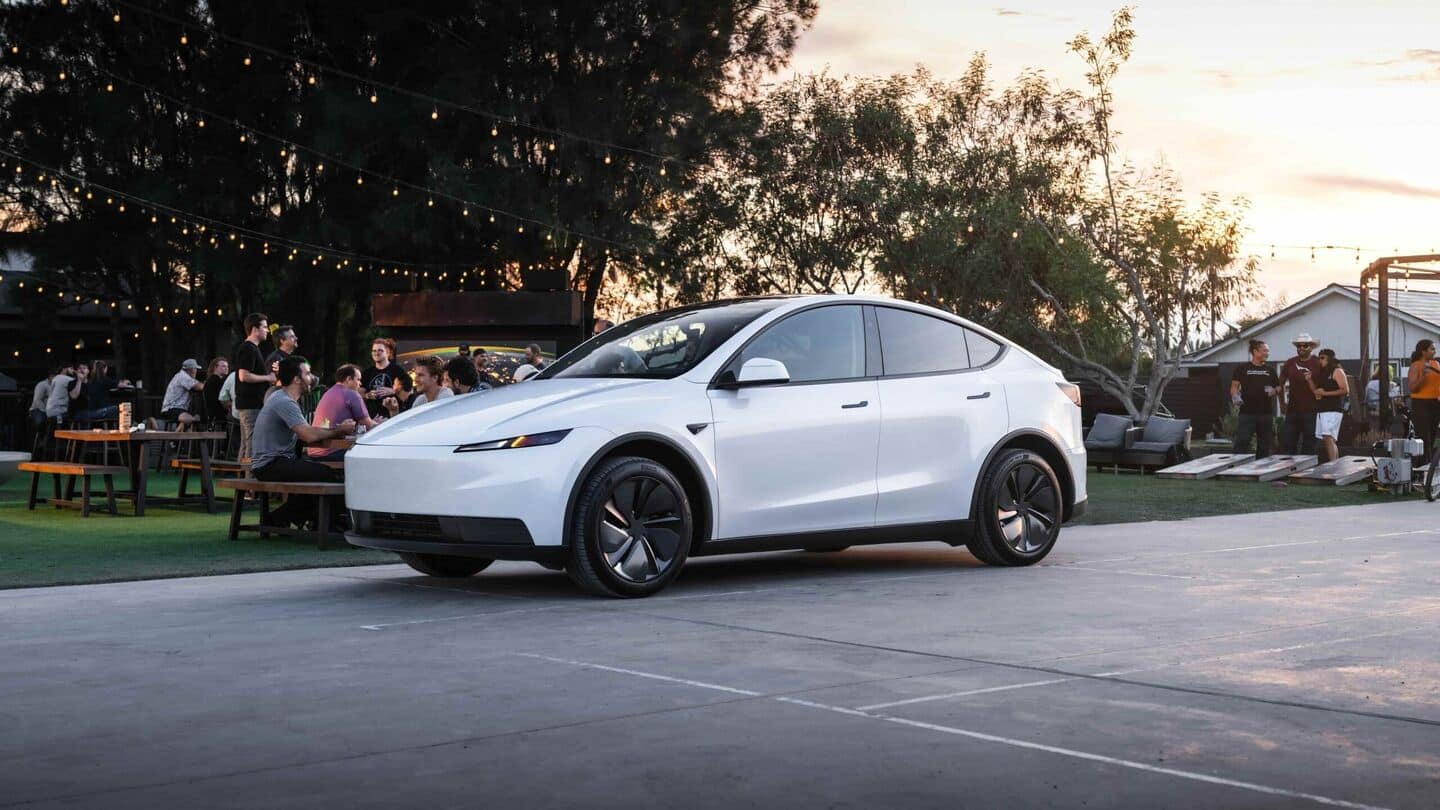
Tesla has launched new “Standard” versions of its popular Model Y and Model 3 cars in Europe as part of its strategy to counter declining sales in the region. These new models are priced just under €40,000 (approximately ₹41.3 lakh), making them about €5,000 (around ₹5 lakh) cheaper than the current “Premium” versions.

### Sales Decline in Europe
Tesla’s sales in Europe have plummeted by over 30%, with around 134,000 vehicles sold through August this year. This represents a significant 33% drop compared to the same period last year. The decline has been attributed to several factors, including a lack of affordable models, increasing competition from other electric vehicle (EV) manufacturers, and concerns surrounding CEO Elon Musk’s political views.

### Rising Competition: BYD’s Success
Chinese automaker BYD is rapidly expanding its presence in the European EV market. The company sold nearly 96,000 vehicles in the region, marking an impressive 280% increase from last year. BYD’s rapid growth further highlights the challenges Tesla faces amid rising competition and its ongoing sales slump.

### Global Performance and Challenges
Tesla’s global sales have also taken a hit, with about 1.22 million cars sold in the first three quarters of this year—a 6% decline from the same period last year. The company’s performance has been notably affected in Europe, where competition from automakers like BYD is intensifying, and in China, where sales are also declining.

As Tesla rolls out more affordable options like the new Standard Model Y and Model 3, the company aims to regain market share and revitalize its sales momentum in Europe’s highly competitive EV landscape.
https://www.newsbytesapp.com/news/auto/how-tesla-plans-to-boost-sales-in-europe/story

How to recycle your old gadgets at home

Electronic waste, commonly known as e-waste, is becoming an increasingly pressing issue worldwide.

As technology advances rapidly, more and more gadgets and electronic devices become obsolete at a faster rate. This surge in discarded electronics poses significant environmental and health challenges.

Proper management and recycling of e-waste are essential to reduce its negative impact and promote sustainable practices.

https://www.newsbytesapp.com/news/science/how-to-recycle-your-old-gadgets-at-home/story

Warning: The AI traps even smart CEOs fall into

ILLUSTRATION BY KIKO BUENAVENTURA

Artificial intelligence (AI) is the loudest drumbeat in business today. Board decks brim with pilots, vendors promise miracles, and investors ask, “What’s your AI strategy?”

Yet, in my work with owner-operators and Fortune-level leaders, I’ve seen a hard truth: the biggest AI losses aren’t technical—they’re leadership errors.

AI can multiply value, but only when guided by strong, informed leadership.

https://business.inquirer.net/552306/warning-the-ai-traps-even-smart-ceos-fall-into

PNB Holdings bets on IT-BPM, lifestyle retailers

The real estate spinoff firm of Philippine National Bank (PNB) is pinning its hopes on the rapidly growing IT and business process management sector (IT-BPM) as well as lifestyle-oriented brands.

This strategy aims to maintain high occupancy rates in its properties while differentiating the company from its competitors.

Joselito Consunji, COO of PNB Holdings Corp. (PHC), shared insights on these plans, highlighting the focus on key growth sectors to drive sustained success.
https://business.inquirer.net/552312/pnb-holdings-bets-on-it-bpm-lifestyle-retailers

Why India’s largest oil producer has lower mcap than Zomato

**Why India’s Largest Oil Producer Has a Lower Market Cap Than Zomato**
*By Dwaipayan Roy | Oct 12, 2025, 06:21 PM*

India’s biggest oil and gas producer, Oil and Natural Gas Corporation (ONGC), is currently perceived as undervalued by the market. Despite boasting a market capitalization of around ₹3.1 lakh crore, ONGC trails behind companies like food delivery giant Zomato in terms of market value.

### Understanding the Market Discrepancy

One of the main reasons for this disparity is that over one-third of ONGC’s market capitalization comes from its stakes in subsidiaries and minority investments, which the market has not fully factored in.

### Market Cap Growth Comparison

Looking back over the last 13 years, ONGC’s market capitalization has grown by only about 26%. This growth is modest compared to other major Indian companies. For example:

– **Reliance Industries**: Its valuation surged from ₹2.43 lakh crore in July 2012 to ₹18.7 lakh crore today.
– **Tata Consultancy Services (TCS)**: Grew from ₹2.42 lakh crore in 2012 to ₹10.95 lakh crore now.

### ONGC’s Diverse Portfolio

ONGC holds significant stakes in various subsidiaries and minority investments, including:

– **Mangalore Refinery and Petrochemicals Limited (MRPL)**: 71.63% stake valued at over ₹18,000 crore.
– **Hindustan Petroleum Corporation Ltd (HPCL)**: 54.9% stake worth approximately ₹52,770 crore.

Alongside these, ONGC also has minority stakes in:

– **Indian Oil Corporation**: 14.20% stake valued at around ₹31,000 crore.
– **GAIL (India) Ltd**: 5% stake worth about ₹5,900 crore.

The total value of ONGC’s stakes in subsidiaries and minority investments exceeds ₹1.07 lakh crore, which is more than a third of its current market capitalization.

### The Minister’s Take on PSU Valuations

Oil Minister Hardeep Singh Puri recently expressed concern about the undervaluation of state-owned oil public sector undertakings (PSUs). He highlighted a “perception bias” among investors that undervalues these profitable and economically significant entities.

The Minister underscored the robust performance of oil marketing companies, noting that Indian Oil, Bharat Petroleum, and Hindustan Petroleum together generated a combined profit of ₹2.5 lakh crore over the past six years.

### Conclusion

While ONGC remains India’s largest oil and gas producer with a strong asset base and profitable subsidiaries, the market continues to undervalue its true worth. This disparity underscores investor perception challenges faced by public sector enterprises compared to fast-growing private sector companies like Zomato.
https://www.newsbytesapp.com/news/business/ongc-s-market-cap-growth-lags-behind-peers/story

Why Qualcomm is facing an antitrust probe in China

**Why Qualcomm is Facing an Antitrust Probe in China**
*By Dwaipayan Roy | Oct 12, 2025, 06:21 PM*

**The Story**
China’s State Administration for Market Regulation (SAMR) has launched an antitrust investigation into US-based semiconductor giant Qualcomm. This probe follows Qualcomm’s admission that it failed to notify Chinese authorities about its acquisition of Israeli connected-vehicle technology provider Autotalks, a deal completed in June 2025. This occurred despite SAMR’s explicit order that the transaction required regulatory approval.

**Regulatory Oversight**
In March 2024, SAMR informed Qualcomm that its acquisition of Autotalks needed approval from the Chinese market regulator. However, later that same month, Qualcomm notified SAMR that it would not be taking any further action to seek the necessary approval.

Despite this, Qualcomm proceeded with the acquisition in June 2025 without informing Chinese authorities. This disregard for regulatory requirements triggered SAMR’s antitrust investigation into possible violations of China’s anti-monopoly law related to the transaction.

**Qualcomm’s Market Position in China**
Qualcomm plays a significant role in China’s smartphone market, supplying chips to major manufacturers such as Xiaomi, OPPO, Vivo, and OnePlus. The company’s market capitalization currently stands at approximately $165.72 billion.

Although the ongoing antitrust probe has led to a drop in Qualcomm’s share prices, the company remains a dominant player in the global semiconductor industry. Qualcomm maintains a diverse client base across various sectors, reinforcing its importance in the technology ecosystem.

*Stay tuned for more updates on this developing story.*
https://www.newsbytesapp.com/news/business/qualcomm-faces-antitrust-probe-in-china-over-israeli-firm-acquisition/story

Why India’s electric truck makers are struggling to go local

**Why India’s Electric Truck Makers Are Struggling to Go Local**
*By Dwaipayan Roy | Oct 12, 2025, 05:21 PM*

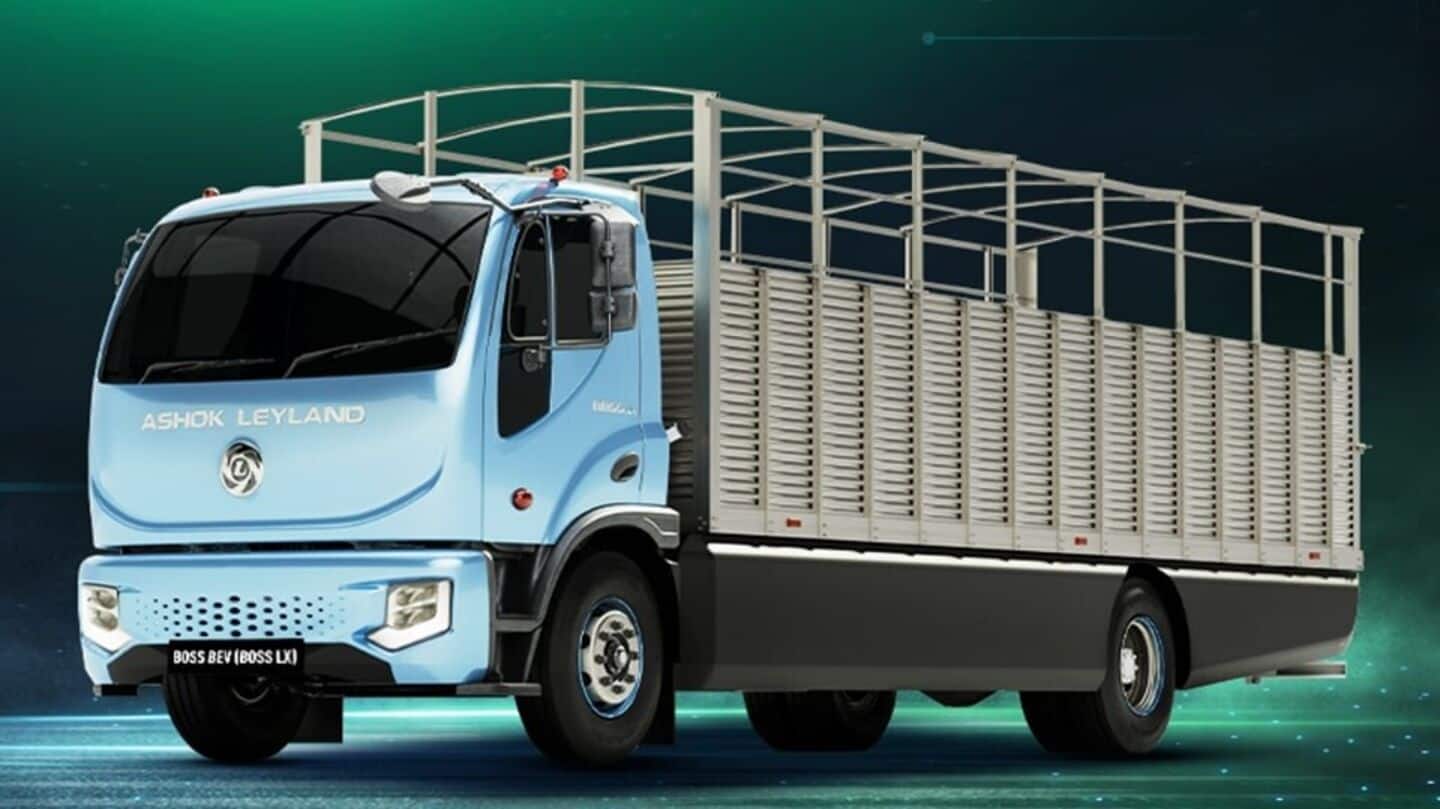
India’s electric truck industry is facing significant challenges in meeting the government’s localization demands. Despite efforts by leading manufacturers like Tata Motors and Ashok Leyland to produce local components and promote green logistics, they have struggled to pass the required localization tests. This slowdown is further compounded by the low market demand for electric trucks.

### Government Localization Push

The Indian government has been actively pushing e-truck manufacturers to comply with an ambitious localization plan. Recent consultations between the Union Heavy Industries Ministry and key industry players—including Tata Motors, Ashok Leyland, Volvo Eicher Commercial Vehicles, and Murugappa Group’s IPLTech—highlight the government’s focus on this initiative.

Under the *phased manufacturing program* (PMP), introduced in July as part of the ₹10,900 crore PM E-Drive scheme, manufacturers face strict deadlines for localizing components that are currently imported, mainly from China.

### What Is the Phased Manufacturing Program?

The PMP mandates that specific e-truck components—such as HVAC systems, electric compressors for brakes, charging inlets for standard EV chargers, battery management systems, vehicle control units, and traction motors—must be progressively manufactured domestically. The initial cut-off date for importing most of these parts was September 1, 2025.

### Policy Adjustments Amid Supply Challenges

Due to disruptions in the supply of rare earth magnets from China, the government has recently relaxed its rules. It now permits manufacturers to import traction motors that incorporate these magnets from Chinese suppliers. Additionally, the PM E-Drive scheme for e-trucks and e-buses has been extended by two years to FY28, reflecting underutilization of allocated funds for these vehicle segments.

### Testing Delays and Localization Bottlenecks

Despite the government’s push, no e-truck model has successfully passed the localization test over two months since the guidelines came into effect. This delay indicates a slow transition toward using locally sourced parts. Authorities have urged manufacturers to accelerate the localization process to clearly demonstrate which components in e-trucks and e-buses are made in India.

### Growth in Local Production

Encouragingly, several Indian auto component makers have begun ramping up local production of critical parts. Companies like Sona Comstar and Toyota Kirloskar Auto Parts Ltd are now manufacturing traction motors and trans-axles domestically. These efforts align with the government’s ₹25,938 crore production-linked incentive (PLI) scheme for automobiles and auto parts, which requires at least 50% of spare parts and raw materials to be sourced within India.

### Market Hurdles and Cost Concerns

E-truck manufacturers cite uncertainty in market demand as a key reason for the slow adoption of local components. However, the government notes that sectors such as ports, steel, and cement are keen to adopt green logistics solutions, indicating potential for growth.

Another significant challenge is the cost. Transitioning from diesel trucks to electric models is expensive for businesses, as electric trucks currently cost between 20% and 50% more than their diesel counterparts. This price gap poses a hurdle for faster adoption across industries.

India’s electric truck sector stands at a critical juncture where government policies, manufacturing capabilities, and market realities must align to accelerate localization and promote sustainable transportation.
https://www.newsbytesapp.com/news/auto/india-s-electric-truck-makers-are-facing-these-issues/story

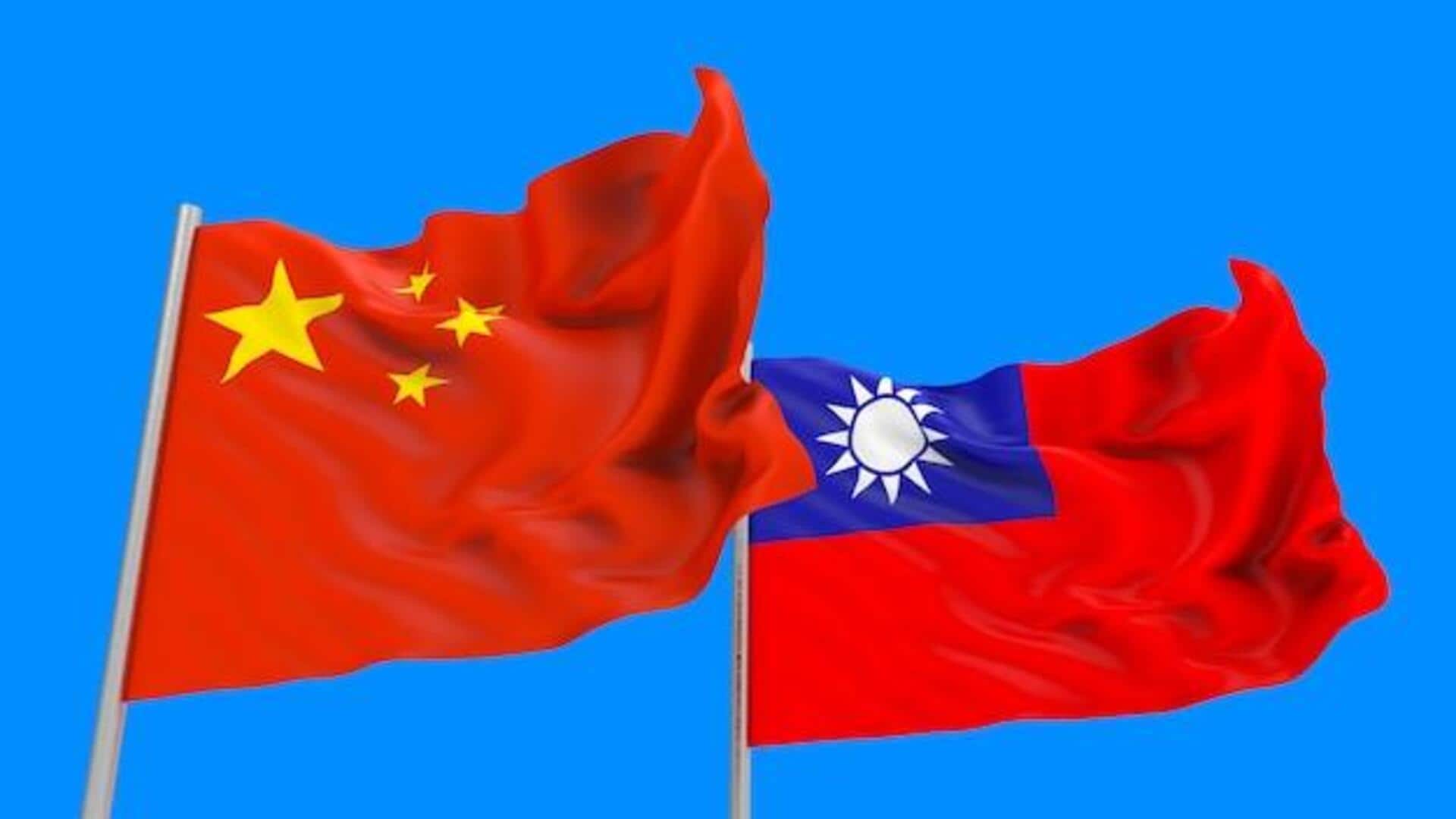
Don’t need China for most rare earth needs, says Taiwan

**Taiwan Says It Doesn’t Need China for Most Rare Earth Materials**

*By Dwaipayan Roy | October 12, 2025, 5:19 PM*

Taiwan’s economy ministry is currently evaluating the impact of China’s recent expansion of rare earth export restrictions on its critical semiconductor industry. According to the ministry, the majority of Taiwan’s rare earth materials are sourced from Europe, the United States, and Japan. However, officials are still assessing how the latest Chinese restrictions may affect supply chains and production costs in this sector.

**China Tightens Rare Earth Export Controls**

China has recently expanded its control over rare earth exports by adding five new elements to the restricted list. The country has also increased scrutiny specifically targeting chip manufacturers and users. This move comes ahead of high-stakes talks between US President Donald Trump and Chinese President Xi Jinping, intensifying concerns over supply chain stability.

The Taiwanese economy ministry emphasized that “the impact on the operation of the semiconductor industry still requires further stocktaking and assessment,” highlighting the need to carefully analyze potential disruptions.

**Impact on Taiwan’s Semiconductor Industry**

Taiwan is home to the world’s largest contract chipmaker, TSMC, which produces a majority of the advanced chips used in artificial intelligence applications globally. Any disruption in rare earth supply chains or increased costs resulting from China’s new restrictions could have significant repercussions for Taiwan’s semiconductor sector and the broader technology industry.

**China’s Defense of Export Restrictions**

Earlier today, China defended its export curbs on rare earth elements and related equipment. The Chinese government stated that the restrictions are motivated by concerns over the military applications of these metals amid what it described as “frequent military conflict.” This rationale reflects Beijing’s strategic considerations tied to national security.

As Taiwan continues to monitor the situation, industry stakeholders are closely watching the developments, given the critical role rare earth materials play in semiconductor manufacturing and advanced technology production.
https://www.newsbytesapp.com/news/world/taiwan-assesses-impact-of-china-s-rare-earth-export-curbs/story

Exit mobile version
Sitemap Index