Electronic Arts (EA) is reportedly nearing a $50 billion deal to go private in leveraged buyout

Electronic Arts, the company behind EA Sports FC (formerly FIFA) and one of the gaming industry’s biggest publishers, is reportedly nearing a historic $50 billion deal to go private.

According to a report from The Wall Street Journal, the new ownership group would include Saudi Arabia’s Public Investment Fund (PIF), which has been steadily increasing its presence in the gaming sector in recent years. The $50 billion buyout is being financed by Silver Lake and the Saudi Public Investment Fund, and could be finalized as soon as next week.

If completed, this deal would mark the largest leveraged buyout in history. It would also represent the latest and largest move by Saudi Arabia to establish a strong foothold in the video game industry. Earlier this year, Niantic sold Pokémon Go and other assets to Scopely, a company backed by Saudi investors. Additionally, the Public Investment Fund has held a stake in Nintendo, though it reduced its position last year.

At this time, there has been no official announcement from Electronic Arts or the reported investors. We will continue to provide updates as more information becomes available.
https://www.shacknews.com/article/146128/electronic-arts-ea-50-billion-private-sale

Social Media Is Changing Japan’s Everyday Language

One question asked whether people truly understood the original meaning of certain words. For example, *tsukanu koto* actually means something unrelated to the conversation so far, though many respondents were unsure.

Language has always evolved, and the rise and fall of words reflects the times. Expressions such as *kogal*, which became popular among high school girls in the late 1990s, or *MD* (Sony’s MiniDisc released in 1992), have already disappeared from dictionaries. Even *Famicom*, Nintendo’s 1983 home console, was among the 1,000 words removed from Sanseido’s *Dictionary of Words That Disappeared*, published in 2023.

At the same time, new expressions continue to emerge with every generation. In the latest survey, more than 70 percent of respondents said new words had increased with the spread of SNS (social networking services). Teenagers gave examples such as *shabai*, used to describe someone being unavailable or a situation being uncool, and *aa-ne*, a shortened way of saying *naruhodo ne* (“I see”).

But the survey also tested whether people understood the original meaning of long-established words. One example was *yakubusoku*. While often used to mean lacking ability, its original definition is that a role is too small for someone’s abilities. Only 45.1 percent of respondents answered correctly.

Another word was *niyakeru*. Many people in their fifties described it as smiling happily or sheepishly, but the original meaning is to be effeminate or weak. Respondents were surprised, though some recalled being told not to *niyakeru* when scolded at school.

Similarly, *shiodoki* is now widely taken to mean the end of something or the time to give up, with nearly half of respondents using it that way. However, the original meaning is the right or favorable time. One respondent in their twenties admitted, “I didn’t really know Japanese. I got it wrong.”

These findings illustrate how language both adapts and drifts from its origins.
https://newsonjapan.com/article/147037.php

AI agent expectations meet reality as enterprises seek secure, production-ready systems

While headlines about artificial intelligence project failures often dominate the news, enterprises are witnessing tangible success by focusing AI efforts in specific areas such as knowledge access. In this domain, search solutions like Glean Technologies Inc. have become essential for democratizing enterprise AI across the workforce, embedding intelligent tools directly into daily workflows.

**The Rise of AI in Enterprise Knowledge Access**

“You build a product like Glean, give it to all of your employees, and now you’re bringing AI into the day-to-day work of every individual,” said Arvind Jain, founder and chief executive officer of Glean. “That’s actually the first thing that enterprises are doing because they’re thinking, ‘AI is happening, and I need to bring AI tools to all of my employees and get that education going.’”

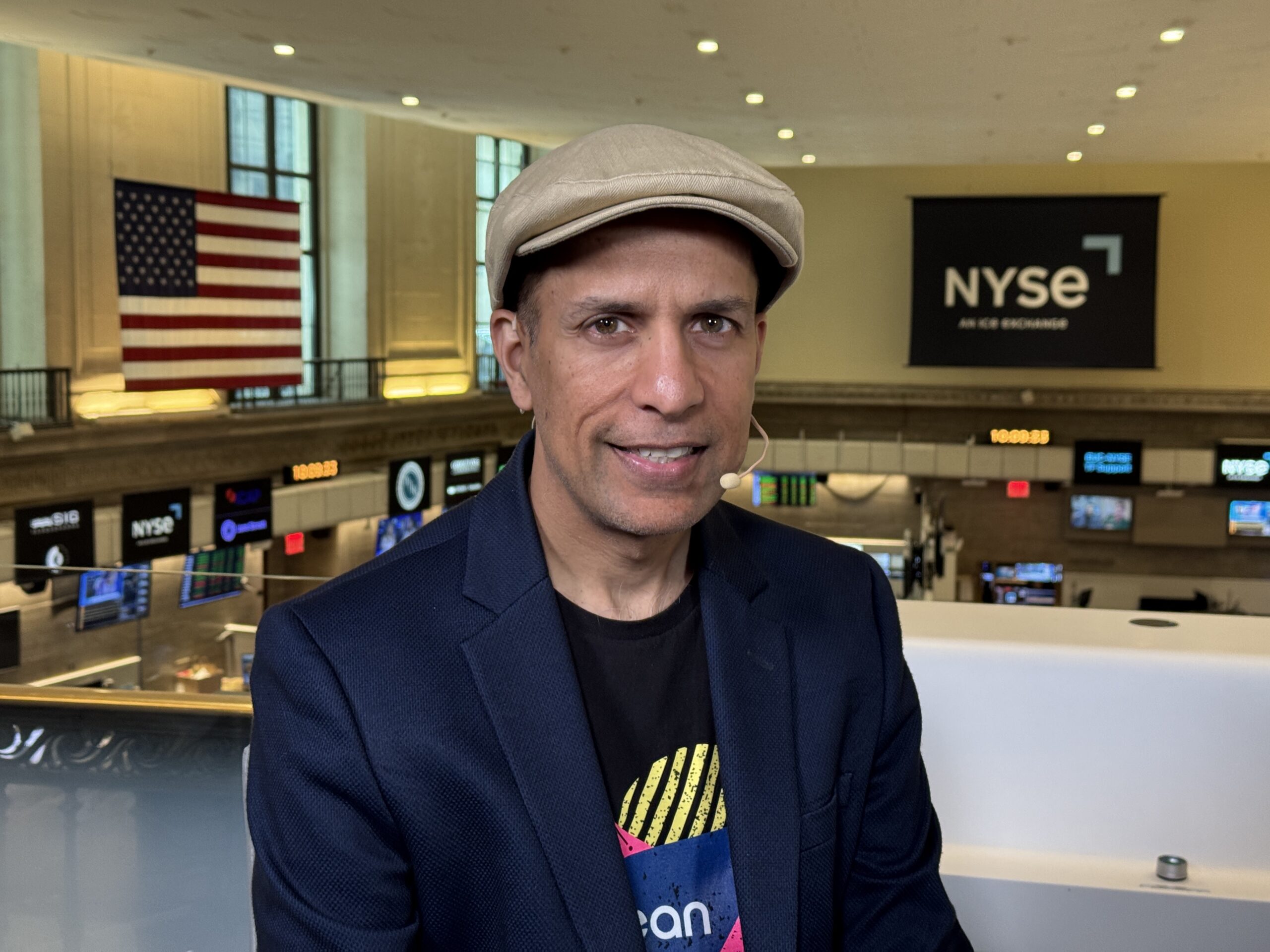
Jain shared these insights during an exclusive interview with John Furrier of theCUBE at theCUBE + NYSE Wired: AI Factories Data Centers of the Future event, broadcast live from SiliconANGLE Media’s livestreaming studio. They discussed the critical need for enterprises to design systems that empower users to be their most productive selves.

**The State of Enterprise AI**

Over the past year, there has been explosive interest in AI agents—autonomous systems designed to perform business tasks. However, unrealistic expectations have led to considerable disappointment.

“Agent deployment requires more than imagination; it demands guardrails, monitoring, and secure integration with enterprise systems,” Jain cautioned. “Last year has been all about AI agents, and expectations have been sky-high. People thought they could bring an agent in and automate any business process in their company in just one day.”

**Glean’s Approach: Simplicity and Security**

Glean’s approach focuses on making it easy for non-technical employees to build useful AI agents, while simultaneously providing the necessary infrastructure for quality, compliance, and security. With an extensive integrations and actions library encompassing thousands of enterprise tasks, Glean enables organizations to create production-grade agents that do more than just converse—they get real work done.

“When you build an agent with Glean, we first make it really easy; we are democratizing access to agent building,” Jain explained. “You could be a business owner, not a technologist or AI scientist, but you can still build something really cool with AI through our agent builders. It’s becoming very natural.”

He added, “We also provide the rest of the infrastructure to help evaluate, test, monitor, and put the right guardrails in place to ensure agents don’t go wild in the enterprise.”

**The Enterprise Graph: The Neural Network of the Enterprise**

One of Glean’s most important innovations is the enterprise graph, a connective layer that serves as the neural network of an organization.

“Agents don’t operate in isolation; they require data, context, and a human-like understanding of how work gets done,” Jain said. “We excel at this because Glean comes with hundreds of integrations to the most common enterprise systems.”

“If you build an agent and need access to specific data, it’s very easy and seamless within Glean, since we’re already connected to all the enterprise systems,” he continued. “And beyond data access, we allow you to take actions directly within those systems.”

For a deeper dive into these insights, watch the complete video interview, part of SiliconANGLE’s and theCUBE’s coverage of theCUBE + NYSE Wired: AI Factories Data Centers of the Future event.

*Photo: SiliconANGLE*
https://siliconangle.com/2025/09/26/glean-pushes-toward-enterprise-ai-agents-aifactoriesdatacenters/

Mumbai Railway Update: Harbour Line Train Services Briefly Disrupted As Antop Hill Residents Protest Mobile Tower Installation

Train services on Mumbai’s Harbour Line were briefly disrupted on Friday afternoon following a protest by a group of slum residents near Wadala Railway Station. The residents opposed the installation of mobile towers in their locality, leading to a temporary halt in train operations.

**Crowd Gathers Near Railway Tracks**

The agitation was led by residents of the Antop Hill area, with hundreds gathering near the railway tracks around 12:15 pm. As part of their demonstration, the protesters blocked a Chhatrapati Shivaji Maharaj Terminus (CSMT)-bound local train. The train was detained for approximately three minutes, from 12:16 pm to 12:19 pm, according to railway officials.

**Concerns Over Health and Safety**

The protesters raised concerns about the installation of mobile towers on the rooftops of slum structures. They claimed the move was illegal and expressed fears over potential radiation hazards. “They were demanding an immediate halt to the tower installation, citing health and safety issues,” an official said.

**Authorities Intervene**

In response to the situation, the Government Railway Police (GRP) and railway authorities swiftly intervened to disperse the crowd. Following the intervention, train services resumed shortly, restoring normalcy on the Harbour Line.
https://www.freepressjournal.in/mumbai/mumbai-railway-update-harbour-line-train-services-briefly-disrupted-as-antop-hill-residents-protest-mobile-tower-installation

Top 3 Altcoins Under $1: Solana (SOL), XRP, and Ozak AI—Which Are the Best Picks for Investors Seeking Big Returns?

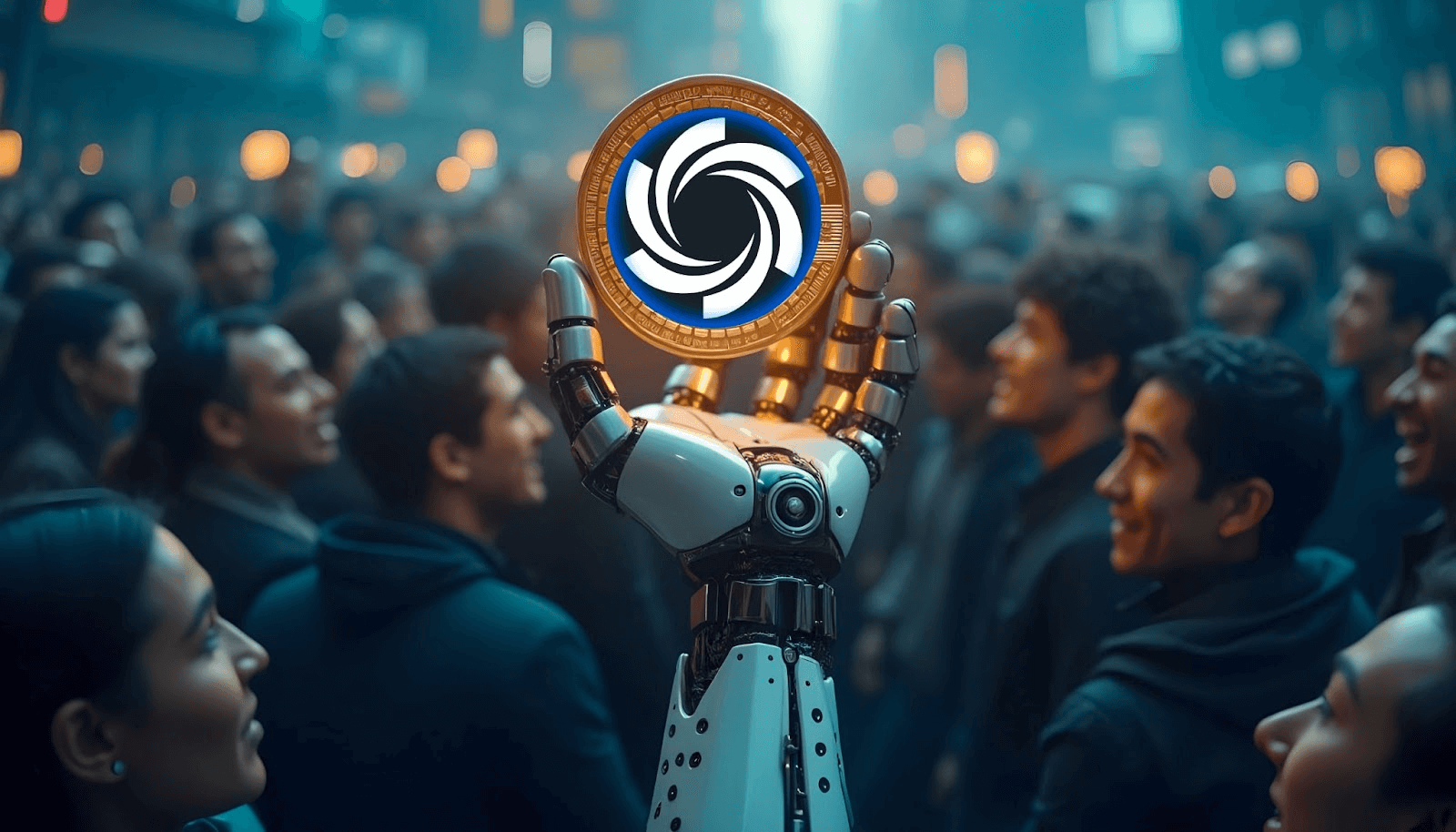
Ozak AI (Z) has emerged as one of the most popular AI-based blockchain solutions, blending artificial intelligence with decentralized infrastructure and tokenized growth. By integrating DePIN (Decentralized Physical Infrastructure Network) and OSN (Ozak Stream Network), Ozak AI offers scalable, secure, and real-time data solutions tailored for a variety of applications.

### Ozak AI Presale Growth and ROI Potential

The Ozak AI presale has progressed through multiple phases, each marked by a steady increase in token price.

– **Stage 1:** OZ token was priced at $0.001
– **Stage 2:** Price rose to $0.002
– **Stage 3:** Increased further to $0.003
– **Current Stage:** Price is approximately $0.012
– **Upcoming Stage:** Planned price of $0.014

The ultimate presale target price is projected to hit $1, which would represent an impressive 200x return for investors who bought in at Stage 1.

To date, Ozak AI has sold approximately 920,085,937 Z tokens, raising around $3,441,050.60. The total token supply is capped at 10 billion, distributed as follows:

– 3 billion for the presale
– 3 billion allocated to the community and ecosystem
– 2 billion reserved
– 1 billion allocated for liquidity
– 1 billion for the team and advisors

This open and balanced allocation aims to foster sustainable development.

From an ROI perspective, the numbers are promising. Investors who purchased at Stage 1 ($0.001) have already seen gains exceeding 1100% as the price reached $0.012. Should the token reach its $1 target, these early investors stand to achieve returns of up to 200x. Meanwhile, current investors entering at $0.012 could secure returns exceeding 80x.

### Ozak AI Features and Partnerships

Ozak AI leverages DePIN to establish a fault-tolerant, decentralized, and real-time infrastructure network. The OSN system ensures the retrieval of tamper-proof and highly accurate data across multiple networks, supporting advanced use cases such as predictive analytics, Internet of Things (IoT) integration, and financial modeling.

Enhancing these core functionalities is the **Ozak Prediction Agent**, which analyzes both proprietary and external data sources automatically to facilitate better decision-making.

Ozak AI’s growing ecosystem is strengthened through strategic partnerships, including:

– **Pyth Network:** Provides real-time financial feeds across blockchains.
– **Dex3:** Enables trading solutions and broader liquidity access.
– **SINT, Hive Intel, and Weblume:** Offer cross-chain capabilities, agent upgrades, multi-chain data access, and no-code Web3 integration options.

Additionally, the introduction of the **Ozak AI Rewards Hub** delivers staking and rewarding opportunities for token holders, further incentivizing community participation.

Looking ahead, Ozak AI’s roadmap includes expanding cross-chain compatibility and developing enterprise-grade analytics and decentralized applications, underscoring its utility beyond mere speculation.

### Market Comparison with Solana and XRP

At the time of writing, the market dynamics of Solana (SOL) and XRP provide context to Ozak AI’s potential:

– **Solana (SOL):**
– Price: $202.38
– 24-hour Trading Volume: $8.06 billion
– 24-hour Change: -2.95%
– 7-day Change: -16.31%
– Circulating Supply: 540 million
– Market Cap: $111.23 billion

– **XRP:**
– Price: $2.85
– 24-hour Trading Volume: $6.48 billion
– 24-hour Change: -0.98%
– 7-day Change: -7.36%
– Circulating Supply: 60 billion
– Market Cap: $170.19 billion

While Solana and XRP are established, highly liquid assets, their elevated valuation limits the potential for massive ROI compared to Ozak AI. Thanks to its low presale price and upcoming listings, Ozak AI presents investors with a compelling opportunity to capture substantial upside.

For more information about Ozak AI, visit the following links:

– **Website:** [Insert Website URL]
– **Twitter/X:** [Insert Twitter/X URL]
– **Telegram:** [Insert Telegram URL]

*Disclaimer: This is a sponsored article intended for informational purposes only. It does not reflect the views of Crypto Daily and should not be considered legal, tax, investment, or financial advice.*
https://bitcoinethereumnews.com/tech/top-3-altcoins-under-1-solana-sol-xrp-and-ozak-ai-which-are-the-best-picks-for-investors-seeking-big-returns/?utm_source=rss&utm_medium=rss&utm_campaign=top-3-altcoins-under-1-solana-sol-xrp-and-ozak-ai-which-are-the-best-picks-for-investors-seeking-big-returns

Tokyo Consumer Prices Rise 2.5% In September, Rice Surges Nearly 47%

While corporate profits in Japan continue to reach record highs, employee wages remain stagnant, leaving a growing segment of the workforce struggling. Since the collapse of the bubble economy, non-regular employment has steadily increased, creating a widening gap between regular and non-regular workers.

Today, 15.4% of the population earns less than half the median standard of living, marking the second-highest proportion among G7 countries after the United States. Meanwhile, Tokyo consumer prices rose 2.5% in September compared with a year earlier. The index excluding fresh food—often subject to sharp fluctuations—reached 110.0 across the capital’s wards, with the pace of growth remaining unchanged from the previous month.

In the corporate sector, Panasonic Holdings will begin soliciting early retirement applications next month at one of its core operating companies as part of broader restructuring efforts. Meanwhile, Toyota has started demonstration trials at its experimental city project known as Woven City. As of September 25th, several employee households have moved in to test how AI and autonomous driving technologies can be integrated into everyday life.

Japan currently counts only eight unicorns—unlisted startups valued at over 150 billion yen—compared with 690 in the United States. It has yet to produce a single “hectocorn,” a term used for companies worth more than 100 billion dollars, such as ByteDance’s TikTok, OpenAI, or SpaceX.

On the international front, Japan and Saudi Arabia announced a new memorandum of understanding for economic cooperation on September 24th at the Osaka-Kansai Expo. The agreement places strong emphasis on expanding the entertainment and content industries.

In local news, residents of Settsu City, Osaka Prefecture, have decided to file for pollution mediation against chemical manufacturer Daikin Industries. This action follows the discovery of per- and polyfluoroalkyl substances (PFAS) in the groundwater near the plant, some of which are suspected to be carcinogenic.
https://newsonjapan.com/article/147032.php

Plastic bags can be turned into sensors for safe drinking water

Researchers in Indonesia have developed an innovative method to transform plastic waste into glowing nanomaterials capable of sensing harmful substances in water. At the core of this breakthrough are carbon quantum dots (CQDs), nanoparticles that emit light when exposed to ultraviolet light.

CQDs have the unique ability to act as sensors, detecting pollutants at the molecular level. Traditionally, producing CQDs has required expensive or toxic raw materials. However, the Indonesian research team used waste plastic bags as their starting material, offering a more sustainable and cost-effective approach.

The process involved combining modified pyrolysis with hydrothermal treatment. Using less than 7 percent hydrogen peroxide, they successfully transformed polyethylene from plastic bags into functional CQDs in just 10 hours.

One of the most remarkable features of these plastic-derived CQDs is their ability to detect metal ions, particularly iron ions, in water. This capability presents promising applications for monitoring water quality and detecting harmful contaminants.

*Note*: This article is sourced from a third-party syndicated feed. Mid-day does not accept responsibility or liability for the dependability, trustworthiness, reliability, or accuracy of the content. Mid-day management reserves the right to alter, delete, or remove content at its discretion without notice.

Help us improve further by providing detailed feedback and stand a chance to win a 3-month e-paper subscription!
https://www.mid-day.com/news/world-news/article/plastic-bags-can-be-turned-into-sensors-for-safe-drinking-water-23595854

Canadian privacy watchdogs call for TikTok to enhance protection for children on platform

**Canadian Privacy Authorities Find TikTok’s Protection for Children Inadequate, But Steps Are Being Taken**

*OTTAWA, Ontario (AP)* — TikTok’s efforts to keep children off its platform and prevent the collection and use of their sensitive personal information have been found “inadequate,” according to Canadian privacy authorities. However, the company is taking steps to address these concerns, officials said Tuesday.

Federal Privacy Commissioner Philippe Dufresne emphasized that TikTok must do more to keep underage children off the platform and improve transparency around its data collection practices, especially for youth. TikTok maintains that its platform is not intended for users under the age of 13.

“Our investigation found that measures TikTok uses to keep children off the popular video-sharing platform and to prevent the collection and use of their sensitive personal information … were inadequate,” Dufresne stated.

In response, TikTok has agreed to enhance its underage assurance methods to better exclude underage users. The company will also strengthen its privacy communications to help users understand how their data is being used.

“There are some steps they still have to take. For the moment, we find it’s conditionally resolved,” Dufresne said. “We are going to be monitoring the situation.”

Dufresne also noted that TikTok’s privacy policies currently lack detail and are difficult to locate.

The federal, Quebec, Alberta, and British Columbia privacy commissioners publicly released the results of their joint investigation, which was launched in 2023. The findings highlighted that in Quebec, 40% of young people aged 6 to 17 have a TikTok account. Among children aged 6 to 12, that figure stands at 17%.

“We were certainly struck by how elaborate a profiling that was being used by TikTok,” said British Columbia Privacy Commissioner Michael Harvey. He pointed out concerns over the extensive data collection, including facial and voice analytics, combined with location information, used to create detailed inferences about users, such as their spending power. This information then influences the content and advertising shown to them.

Last year, following a national security review of TikTok’s Chinese parent company, the Canadian government decided not to block access to the popular app but ordered the dissolution of TikTok’s Canadian business.

Meanwhile, in the United States, former President Donald Trump suggested that prominent billionaires—such as media mogul Rupert Murdoch and tech founder Michael Dell—could be involved in a deal where the U.S. would take control of the social video platform.
https://wgntv.com/entertainment-news/ap-entertainment/ap-canadian-privacy-watchdogs-call-for-tiktok-to-enhance-protection-for-children-on-platform/

APU leads ASEAN-record Great Malaysia AI Hackathon 2025

**Hackathon Showcased Malaysia’s Rising AI Talent for the Digital Economy**

The Great Malaysia AI Hackathon 2025, hosted by the Asia Pacific University of Technology & Innovation (APU) in collaboration with Malaysia Digital Economy Corporation (MDEC) and Amazon Web Services (AWS), successfully highlighted Malaysia’s growing strength in cultivating AI talent for the digital economy. Officially recognised by ASEAN Records as the largest on-site AI hackathon jointly organised by academia and industry in the region, the event took place on 20 September 2025 at APU’s Technology Park Malaysia campus.

The hackathon attracted a total of 1,741 participants, comprising 1,547 students and 194 industry professionals, representing over 50 institutions. Notably, Malaysian students based at Durham and Cambridge Universities also took part, showcasing the broad reach and impact of the event.

With 20 industry mentors providing guidance and a prize pool of US$26,000 (RM110,000), the hackathon not only set a new record but also underscored Malaysia’s ambition to become a key player in the digital economy through AI innovation.

**Minister Launches Event Emphasising AI’s Importance**

The event was officially launched by Minister of Digital, Gobind Singh Deo, who highlighted the transformative role of AI in society and industry. “AI is already transforming the way we live and work. It starts with data, which must be digitised, stored and shared effectively—supported by computing power to create meaningful solutions,” he said.

He congratulated APU and its partners for their efforts and added, “With our infrastructure, ecosystem, and your creativity, Malaysia can become not just a digital nation, but an AI nation by 2030.”

**APU CEO Highlights Collaborative Effort and Global Leadership**

Datuk Parmjit Singh, CEO of APU, emphasised the collaboration behind the event’s success. “This hackathon reflects the synergy between AWS, APU, and MDEC. The overwhelming response shows the hunger for innovation,” he stated.

He also highlighted APU’s global standing: “With over 16,000 students from 130 countries, we continue to lead in digital education, being among the first in the region to offer a degree in Cloud Engineering.”

“This pioneering spirit, together with our partnership with AWS, reflects our shared vision of empowering the next generation of cloud-ready and AI-focused talent,” Datuk Parmjit added.

**AWS Applauds Talent and Increases Sandbox Credits**

Peter Murray, Head of Asia Pacific and Japan Go-to-Market at AWS, praised the participants as “the future tech leaders of Malaysia, driving AI forward.” During the event, he announced an increase in AWS sandbox credits from US$50 (RM210) to US$100 (RM420), encouraging participants to “think big, build bold, and push ideas further.”

Participants also had access to AWS services such as Amazon Bedrock and Amazon Q, enabling them to leverage cutting-edge AI and cloud technologies throughout the hackathon.

**Supported by Industry and Tech Partners**

The hackathon was supported by MDEC’s Premier Digital Tech Institutions initiative and brought together industry mentors, technology partners, and sponsors including AxrailAI, Crayon, eCloudValley, and GitLab.

The event featured insightful Tech Talks, networking opportunities, and cross-sector collaboration, fostering an environment of innovation and knowledge sharing.

**Malaysia’s Ambition as an AI Powerhouse**

The Great Malaysia AI Hackathon 2025 reinforced Malaysia’s position as a digital frontrunner in the ASEAN region. Setting a benchmark for hackathons, the event showcased the nation’s commitment to becoming an AI powerhouse by 2030.

For APU, AWS, and MDEC, this milestone event marks a significant step in shaping the future of technology in Southeast Asia and nurturing the next generation of AI and cloud computing talent.
https://www.digitalnewsasia.com/digital-economy/apu-leads-asean-record-great-malaysia-ai-hackathon-2025

Exit mobile version
Sitemap Index