
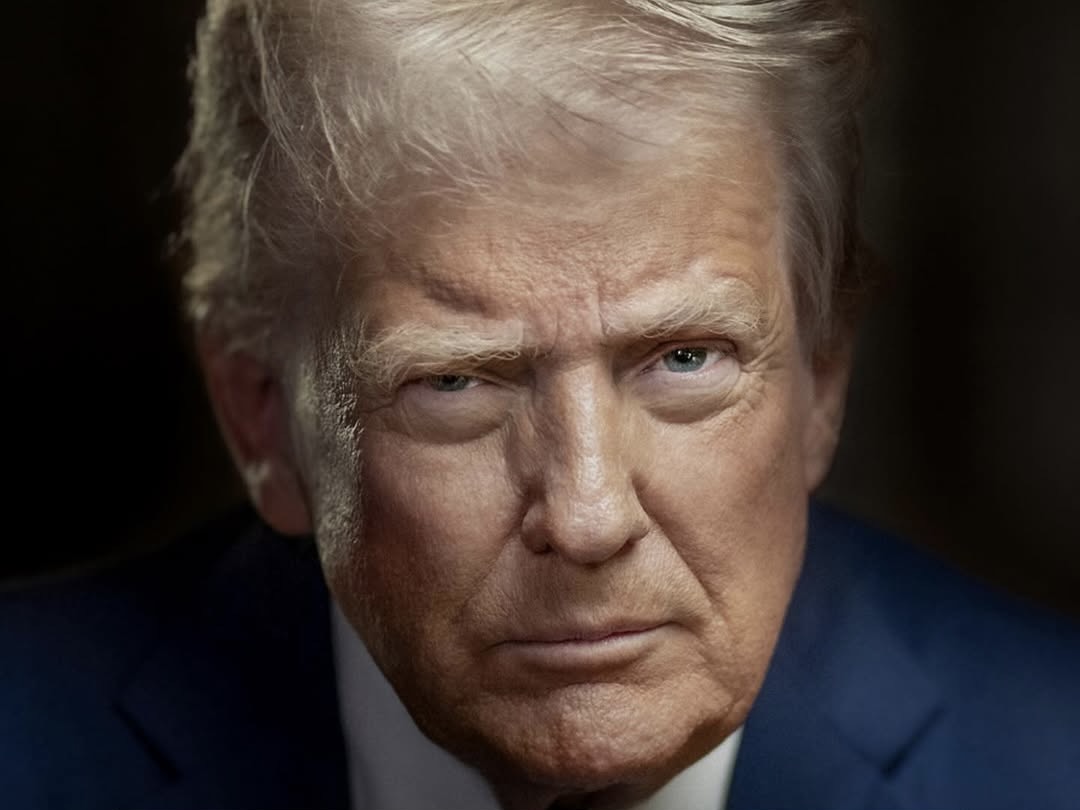
US President Donald Trump has sharply escalated his rhetoric against a group of Democratic lawmakers, branding them ‘domestic terrorists’ and ‘traitorous communists’ while demanding they be jailed for alleged sedition. The remarks, made across a series of Truth Social posts over the weekend, were triggered by a video in which the lawmakers reminded service members that they must refuse unlawful orders under United States military law. The clash has intensified political tensions, with lawmakers warning that Trump is using inflammatory language to intimidate them. Claims That Democrats Are a ‘Domestic Terrorist Party’ On Sunday afternoon, Trump shared several screenshots of posts from social media users who criticised the Democratic officials featured in the video. One screenshot accused the Democratic Party of being a ‘Domestic Terrorist party’, while another post described the lawmakers as ‘traitorous communists’. Trump amplified both messages by reposting them to his Truth Social account, adding to his ongoing narrative that the lawmakers had crossed a legal line. In late-night posts on Saturday, Trump went further by calling for the lawmakers to be jailed. He accused them of engaging in ‘seditious behaviour at the highest level’, a phrase he had used earlier in the week, and referenced that such behaviour is ‘punishable by death’. Although Trump later insisted that he was ‘not threatening death’, he maintained that the lawmakers were in ‘serious trouble’ for what they had said in the video. These statements have drawn scrutiny due to their severity and timing, especially as the President continues to be a dominant figure ahead of the next election cycle. Democratic Lawmakers Respond to Trump’s Demands In a written statement published on Thursday, the lawmakers pushed back strongly against Trump’s claims. They argued that ‘what’s most telling is that the President considers it punishable by death for us to restate the law’. They said their video simply outlined long-standing military obligations requiring personnel to reject unlawful commands and that Trump’s characterisation of the message was both inaccurate and threatening. The group noted that their message was rooted in established military code and that they had not issued any directive related to Trump personally. They emphasised that their warnings were general reminders of service members’ legal responsibilities. Slotkin and Crow Warn of Disturbing Rhetoric in TV Interviews Senator Elissa Slotkin, who appeared in the original video, addressed the controversy She said she believed Trump was ‘trying to get us to shut up because he doesn’t want to be talking about this’. Her comments underscored concerns that the President’s reactions were intended to silence or intimidate critics. Representative Jas He said Trump’s response had been ‘very disturbing’ and warned that such language risked inflaming tensions. Crow, a former Army Ranger, noted that the military’s legal responsibilities were clear and that their video was a straightforward reminder of those obligations. Context Behind the Video on Illegal Orders The video at the centre of the clash featured several Democratic lawmakers outlining the legal requirement for US service members to refuse unlawful orders. This long-standing rule is part of the Uniform Code of Military Justice and is intended to prevent abuses of power within the chain of command. Trump perceived the message as a direct criticism of him, leading to the rapid escalation in his online statements. Broader Concerns Raised by Legal and Security Experts The controversy has prompted renewed discussion about the impact of political rhetoric on democratic processes. Some legal observers have questioned the implications of a President describing political opponents as terrorists. Others have warned that invoking terms such as ‘sedition’ and referencing punishments associated with capital offences risks heightening political hostility at a sensitive moment in the national landscape.
https://www.ibtimes.co.uk/trump-brands-democrats-domestic-terrorists-traitorous-communists-demands-they-jailed-1757432
Tag: Trump

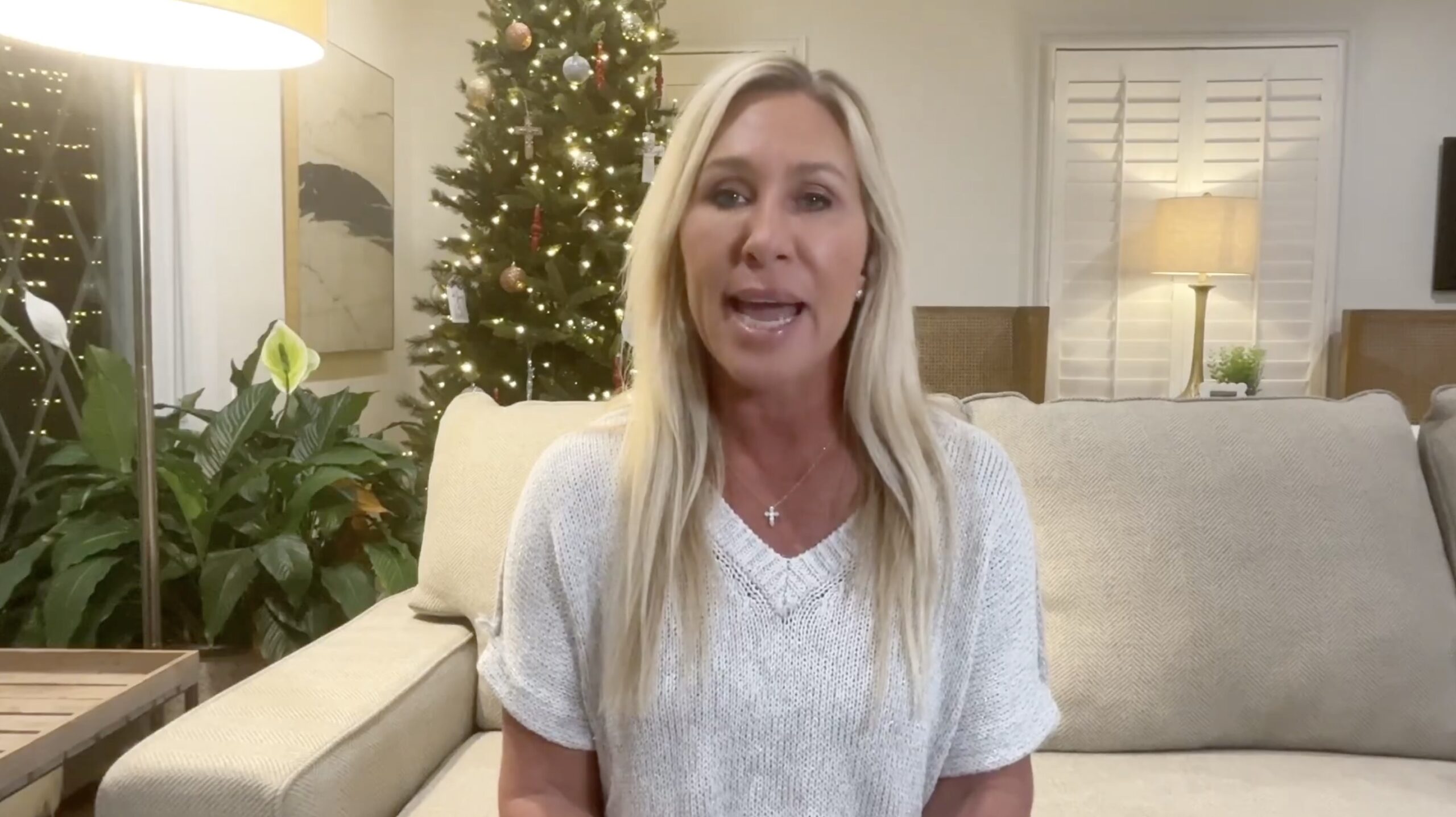
Trump celebrates Rep. Marjorie Taylor Greene’s resignation from Congress as ‘great news for the country’
President Trump hailed Rep. Marjorie Taylor Greene’s surprising resignation announcement Friday as “great news” for America. “I think it’s great news for the country,” Trump told ABC News during a brief phone call. “It’s great,” he added. The president indicated that Greene (R-Ga.) did not share her plans with him ahead of her social media post announcing her intention to leave office on Jan. 5, 2026, and said he had no plans to speak with her. “Nah, it doesn’t matter, you know? But I think it’s great,” Trump said. “I think she should be happy.”.
https://nypost.com/2025/11/21/us-news/trump-celebrates-rep-marjorie-taylor-greenes-resignation-from-congress/

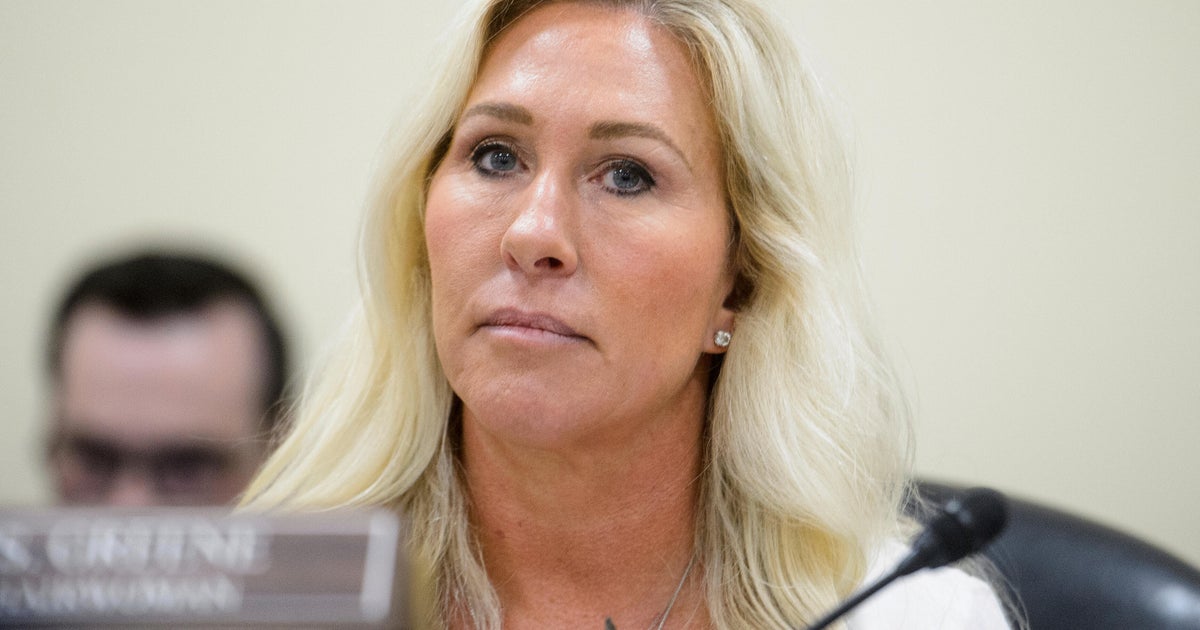
Rep. Marjorie Taylor Greene says she’s resigning from Congress
Republican Rep. Marjorie Taylor Greene of Georgia announced on X Friday she will resign from Congress early next year, after a weekslong falling-out with President Trump and much of her party. This is a breaking story; it will be updated.
https://www.cbsnews.com/news/marjorie-taylor-greene-resigning-from-congress/

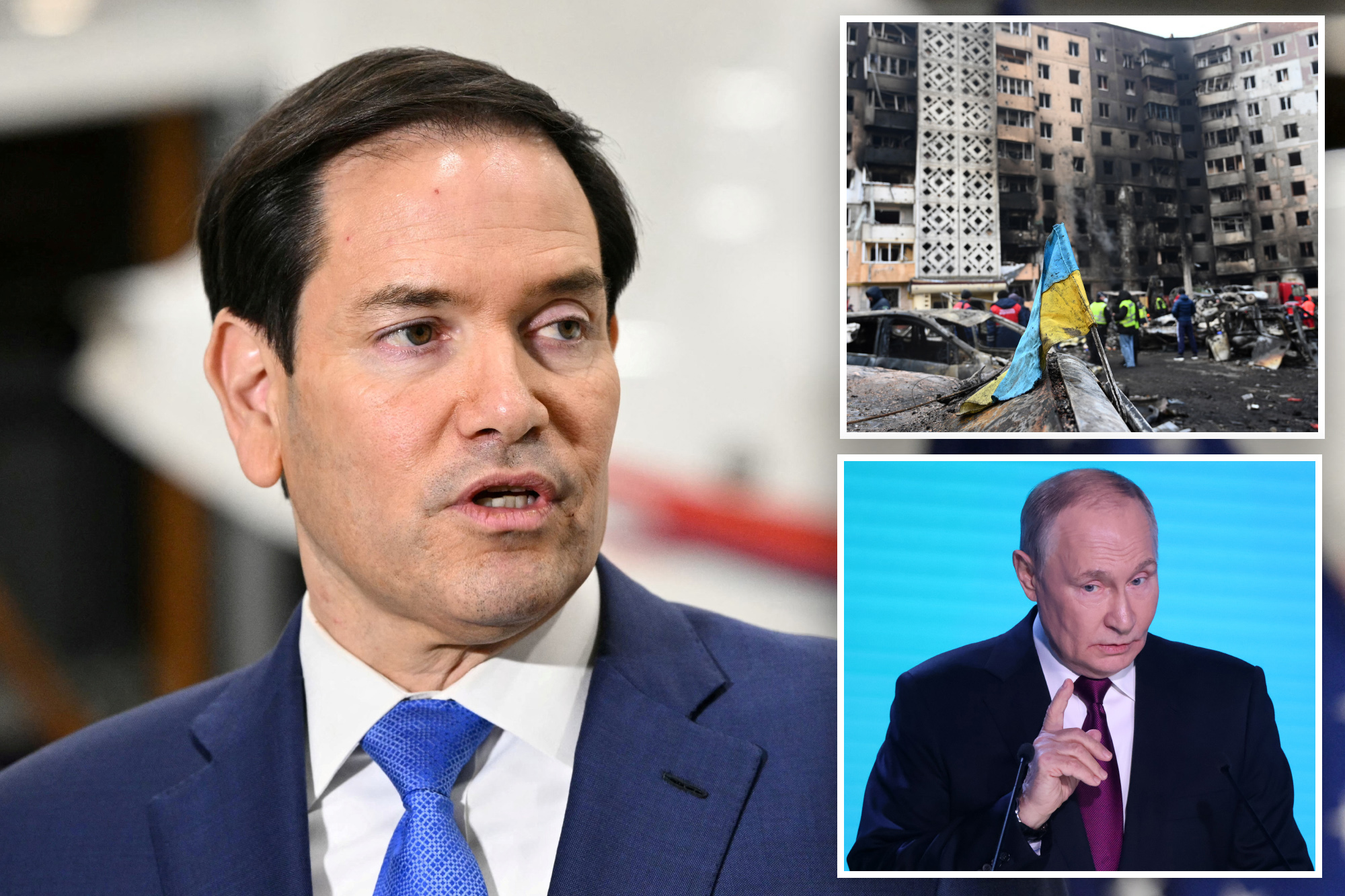
Rubio casts doubt on pro-Russian Ukraine peace plan, touts ‘realistic ideas’ to end war
Secretary of State Marco Rubio appeared to deny that the US had decided to push a Moscow-friendly peace plan on Ukraine, becoming the first Trump administration official to publicly temper expectations on a reported deal that would gut Kyiv’s defense force and give up land to Russia. “Ending a complex and deadly war such as the one in Ukraine requires an extensive exchange of serious and realistic ideas. And achieving a durable peace will require both sides to agree to difficult but necessary concessions,” he wrote in a cryptic post to X on Thursday night. “That is why we are and will continue to develop a list of potential ideas for ending this war based on input from both sides of this conflict.” The comment came after Axios on Tuesday reported a deal had been reached, citing Putin henchman Kirill Dmitriev, who claimed he worked on the plan with US Special Envoy Steve Witkoff. On Wednesday, The Post revealed details of the 28-point framework, which called for Ukraine to shrink its Army to 2. 5 times smaller than it is now; force Kyiv to turn over long-range missiles “or any kind that can reach Moscow or St. Petersburg”; and ban any international brigades within Ukraine which has long been considered the best way to ensure a halt to Russia’s assault would remain in place, according to sources familiar with the details. Financial Times also reported the deal would include the entirety of Ukraine’s Donbas region including portions of the territory that Russia has been unable to capture in more than 11 years of war there. Politico later reported that a senior White House official said the proposed framework could be agreed to “as soon as this week,” despite including terms experts say were unreasonable to expect of Ukraine, amounting to the near-abandonment of its sovereignty. “Giving up the remainder of the Donbas would enable the Russians to make a run on Kyiv as the territory is flat and reducing the size of the Ukrainianian military, giving up weapons and no international security force would make that an even more likely outcome,” said the Atlantic Council’s Alex Plitsas. “If the plan as described is accurate, it would put $200 billion in US military assistance and aid to Ukraine at risk. Any peace plan needs to protect US taxpayer investments and this proposal is deeply unserious,” he added. While Ukrainian officials confirmed the plan was presented to Kyiv, Rubio’s comments appear to convey that the deal was not set in stone. The White House and State Department did not immediately respond to requests for comment.
https://nypost.com/2025/11/20/world-news/rubio-shares-unease-over-reports-of-pro-russian-ukraine-peace-deal/
Trump nominates new CFPB director, but White House says agency is still closing
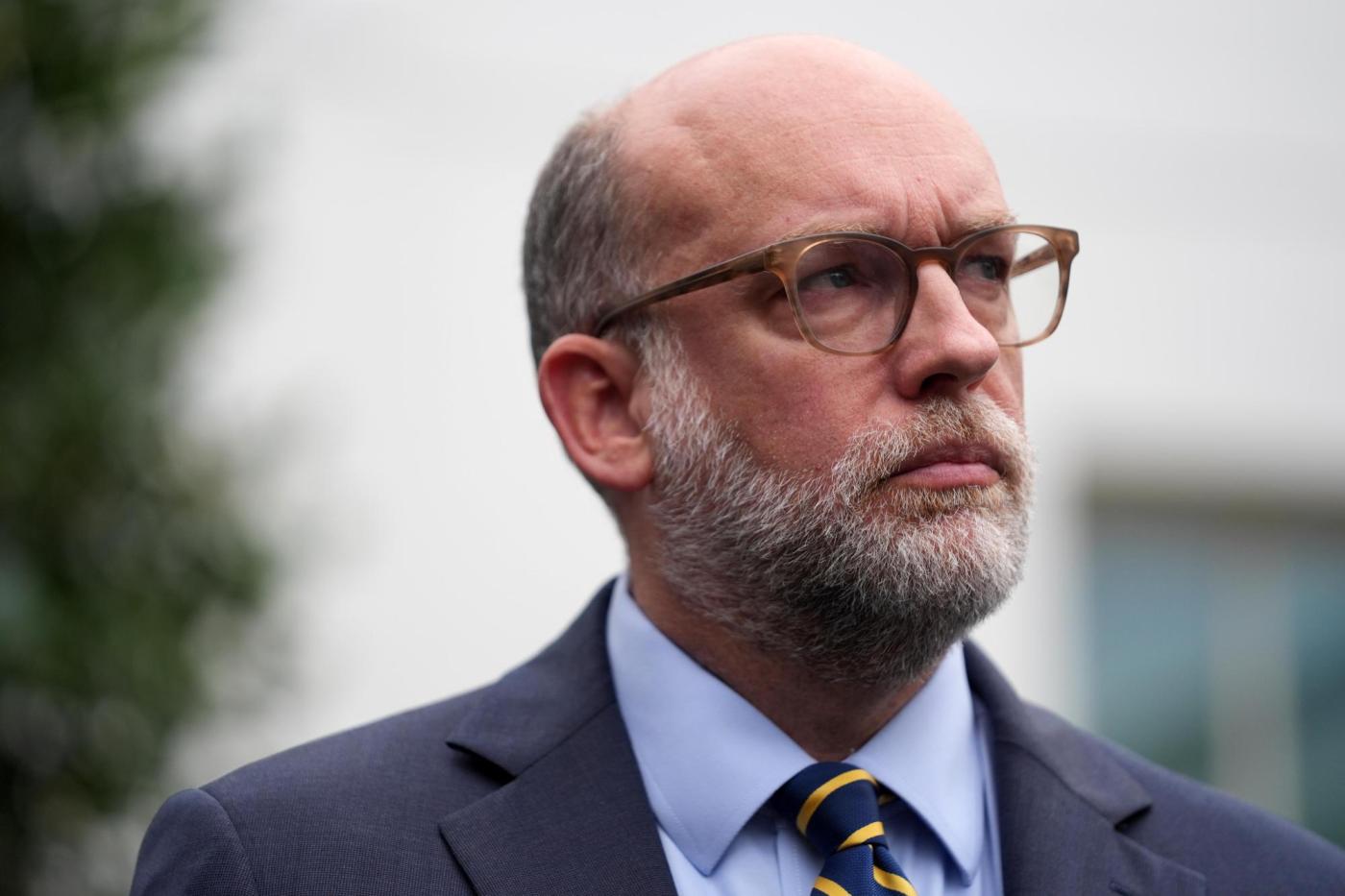
By KEN SWEET, AP Business Writer NEW YORK (AP) President Trump nominated Stuart Levenbach as the next director of the Consumer Financial Protection Bureau, using a legal maneuver to keep his budget director Russell Vought as acting director of the bureau while the Trump administration continues on its plan to shut down the consumer financial protection agency. Levenbach is currently an associate director inside the Office of Management and Budget, handling issues related to natural resources, energy, science and water issues. Levenbach’s resume shows significant experience dealing with science and natural resources issues, acting as chief of staff of the National Oceanic and Atmospheric Administration during Trump’s first term. Levenbach’s nomination is not meant to go through to confirmation, an administration official said, speaking on condition of anonymity to discuss personnel matters. Under the Vacancies Act, Vought can only act as acting director for 210 days, but now that Trump has nominated someone to the position, that clock has been suspended until the Senate approves or denies Levenbach’s confirmation as director. Vought is Levenbach’s boss. The CFPB has been nonfunctional much of the year. Many of its employees have been ordered not to work, and the only major work the bureau is doing is unwinding the regulations and rules it put into place during Trump’s first term and during the Biden administration. While in the acting director role, Vought has signaled that he wishes to dismantle, or vastly diminish, the bureau. The latest blow to the bureau came earlier this month, when the White House said it does not plan to withdraw any funds from the Federal Reserve, which is where the bureau gets its funding, to fund the bureau past Dec. 31. The White House and the Justice Department used a legal interpretation of the law that created the bureau, the Dodd-Frank Act, that the Fed must be profitable in order to fund the CFPB’s operations. Several judges have rejected this argument when it was brought up by companies, but it’s never been the position of the government until this year that the CFPB requires the Fed to be profitable to have operating funds. “Donald Trump’s sending the Senate a new nominee to lead the CFPB looks like nothing more than a front for Russ Vought to stay on as Acting Director indefinitely as he tries to illegally close down the agency,” said Sen. Elizabeth Warren, the top Democrat on the Senate Banking Committee, in a statement. The bureau was created after the 2008 financial crisis as part of the Dodd-Frank Act, a law passed to overhaul the financial system and require banks to hold more capital to avoid another financial crisis. The CFPB was created to be a independent advocate for consumers to help them avoid bad actors in the financial system.
https://www.dailybreeze.com/2025/11/19/trump-cfpb-nomination/


Trump bemoans ‘woke AI’ in urging ‘one federal standard’ for technology
“Investment in AI is helping to make the U. S. Economy the ‘HOTTEST’ in the World But overregulation by the States is threatening to undermine this Growth Engine,” Trump said in a post on Truth Social. “Some States are even trying to embed DEI ideology into AI models, producing ‘Woke AI’ (Remember Black George Washington?). We MUST have one Federal Standard instead of a patchwork of 50 State Regulatory Regimes,” he added. The president then preempted common criticisms of Big Tech, saying a common regulatory framework could be found that “protects children AND prevents censorship!” WEALTH IN THE AGE OF AI: HEDGE OR HARNESS? Major Republicans in the House and Senate, including Sen. Ted Cruz (R-TX) and House Majority Whip Steve Scalise (R-LA), have pursued legislation to ban state-level AI regulation. Previous efforts have been unsuccessful due to past Republican skepticism about Big Tech overreach, so Trump’s endorsement could prove decisive in getting it through. The growing prospect of AI has driven heavy investment from businesses and entire countries, as people and entities scramble to be at the forefront of AI development. The rush to invest more in AI has also led to concerns about an AI bubble, which has caused significant market volatility over the past week.
https://www.washingtonexaminer.com/news/white-house/3891375/trump-woke-ai-one-federal-standard-regulation/
Are American workers being replaced? Inside the H-1B visa controversy
**Understanding the Controversy Surrounding H-1B Visas**
Following months of controversy, President Donald Trump issued a proclamation in September decrying the systemic abuse of the H-1B visa program. He argued that the program is fueling the “large-scale replacement of American workers” and has “undermined both our economic and national security.”
To address this, Trump instituted a $100,000 fee for companies seeking to obtain an H-1B visa, a move that has been widely criticized by business leaders, especially in the tech industry. The debate over the program has split both the American public and the GOP, with one side asserting that visa holders are poaching American jobs, while the other emphasizes the program’s importance to U.S. competitiveness.
So, what exactly are H-1B visas, and why have they become such a political flashpoint?
—
### What is an H-1B Visa?
An H-1B visa is a non-immigrant work visa that allows U.S. companies to hire highly-skilled foreign workers in specialty occupations. These visas are issued for an initial period of three years and can be extended up to six years.
According to the U.S. Citizenship and Immigration Services (USCIS), the visas are meant for individuals of “exceptional merit and ability.” To qualify, candidates must have at least a bachelor’s degree in a relevant field.
—
### Which Industries Use H-1B Visas Most?
By far, the tech industry is the largest user of H-1B visas, accounting for roughly 60 to 70 percent of all new applications in recent years. Other prominent sectors include consulting and professional services, engineering and manufacturing, healthcare and medical research, and higher education.
—
### How Many Foreign Workers Hold These Visas?
There is no official figure for the number of people currently holding H-1B visas. However, there is a yearly cap of 65,000 visas, with an additional 20,000 reserved for individuals holding master’s degrees or higher.
Most universities and non-profit research organizations are exempt from this cap, which further increases the number of people approved each year. The Pew Research Center estimated that about 400,000 H-1B visa applications were approved last year under the Biden administration.
—
### Where Do Visa Holders Come From?
Nearly three out of every four — 73 percent — of H-1B visa holders come from India, according to Pew. China ranks second, with 12 percent, while the remaining 15 percent come from various other countries, none exceeding a 2 percent share.
—
### Who Is Against H-1B Visas?
Criticism of the H-1B visa program comes from both sides of the political aisle, including former President Trump and Senator Bernie Sanders (I-Vt.).
Critics contend that the program has strayed from its original purpose — attracting top global talent — and is now being exploited by employers to import cheaper foreign labor, suppress wages, and displace American workers.
In response, Senate Democratic Whip Dick Durbin (D-Ill.) and Senate Judiciary Chair Chuck Grassley (R-Iowa) reintroduced bipartisan legislation in September aimed at reforming the program, closing loopholes, protecting American workers, and preventing outsourcing of jobs.
On the state level, Florida Republican Governor Ron DeSantis issued guidelines in October to combat what he called a university loophole. He directed the Florida Board of Governors to require universities to prioritize American graduates and curb the practice of “importing foreign workers on H-1B visas instead of hiring Americans.”
—
### Who Supports H-1B Visas?
On the other side, many prominent figures argue that the program is essential for maintaining U.S. competitiveness. Elon Musk, for example, has publicly supported the H-1B program, stating, “The reason I’m in America along with so many critical people who built SpaceX, Tesla, and hundreds of other companies that made America strong is because of H1B.”
Musk also acknowledged that “the program is broken and needs major reform,” proposing to raise the minimum salary threshold and introduce yearly costs for maintaining H-1B status to make overseas hiring more expensive compared to domestic hiring.
Business leaders assert that the H-1B program is crucial for competing with countries like China, which recently launched its own talent visa program called the K-visa. The U.S. Chamber of Commerce also supports the H-1B program.
—
### Are Visa Holders Taking American Jobs?
On September 19, President Trump issued a proclamation titled “Restriction on Entry of Certain Nonimmigrant Workers,” claiming that the H-1B visa program is being “deliberately exploited to replace, rather than supplement, American workers with lower-paid, lower-skilled labor.”
He argued that this abuse artificially suppresses wages, disadvantages American workers in the labor market, and complicates efforts to attract and retain the highest-skilled subset of temporary workers — with the most significant impact in STEM (science, technology, engineering, and math) fields.
Trump stated that the large-scale replacement of American workers through systemic abuse of the program has undermined both economic and national security.
—
### New Rules and Fees
To curb abuses, Trump imposed a $100,000 fee on companies applying for H-1B visas, effective September 21, 2025, with the restriction set to expire one year later. His administration has also been directed to initiate rulemaking prioritizing high-skilled and high-paid applicants.
Additionally, the Department of Homeland Security (DHS) plans to narrow the definition of “specialty occupation,” increase worksite compliance inspections, and require employers to submit applications directly, aiming to prevent companies from contracting out H-1B workers to other firms.
—
### What’s Next?
The debate over H-1B visas is far from over. The U.S. Chamber of Commerce has filed a lawsuit against the Trump administration’s new $100,000 fee, arguing that it would make the program prohibitively expensive for many U.S. employers, particularly small and midsize businesses.
The lawsuit claims the fee is unlawful as it overrides provisions of the Immigration and Nationality Act, which require visa-related fees to be based on the government’s costs to process them.
As the political and economic battles continue, the future of the H-1B visa program remains uncertain, but its impact on the American workforce and technological innovation will continue to be a critical issue.
—
*Stay tuned for further updates on the evolving H-1B visa policy.*
https://www.foxnews.com/politics/american-workers-being-replaced-inside-h-1b-visa-controversy
Trump slams air traffic controllers who called out during the government shutdown
President Trump is slamming U.S. air traffic controllers who called out of work during the government shutdown, a period during which they were forced to stay on the job without pay.
Trump expressed his frustration in a post on Truth Social Monday morning, stating that he was “NOT HAPPY” with controllers who took time off. “All Air Traffic Controllers must get back to work, NOW!!! Anyone who doesn’t will be substantially ‘docked,'” he wrote.
Some controllers have taken on second jobs, while others have called in sick. They are set to miss their second full paycheck this week. Meanwhile, Trump praised those controllers who took no time off during the longest shutdown in U.S. history, calling them “GREAT PATRIOTS” and saying he would recommend giving each a $10,000 bonus.
He added that any controllers wishing to quit shouldn’t hesitate but would receive “NO payment or severance of any kind!” and would be “quickly replaced by true Patriots.” It’s important to note that one reason for the shortage of controllers is that it takes years to train and certify new personnel.
In a subsequent post on X, Transportation Secretary Sean Duffy praised “those who have worked throughout the shutdown” and said he would work with Congress to “reward your commitment.”
However, others have sharply criticized Trump’s comments. Former Transportation Secretary Pete Buttigieg responded on X, saying, “The President wouldn’t last five minutes as an air traffic controller, and after everything they’ve been through and the way this administration has treated them from Day One he has no business s****ing on them now.”
Last week, the FAA announced it would reduce flights by up to 10% at 40 of the busiest airports in the country, starting with a 4% reduction implemented on Friday. These cuts contributed to major travel headaches over the weekend.
According to the flight tracking website FlightAware, there were more than 4,500 cancellations and 18,000 delays at airports across the U.S.
At Philadelphia International Airport, passenger Phill Hicks experienced multiple cancellations. His flight to West Palm Beach, Florida, was canceled and rebooked twice on Sunday. Preparing to head home for the night and return for his flight Monday morning, he wasn’t confident his flight would take off either.
“I don’t believe this ticket,” Hicks told NPR, “but I’m going to gas my truck up, and take that trip if I have to.”
Similarly, Seth Alpert faced a two-hour delay on his flight back to Columbus, Ohio. Preparing for uncertainties, he rented a car as a backup plan.
“We’ll see. The incoming flight says it’s on time, or a few minutes delayed so, you know, 50-50,” Alpert said regarding his chances.
Hicks, who was stranded at the airport for several hours before senators announced they had reached a potential deal to reopen the government, expressed frustration with Congress.
“I think little cry babies need to get together and figure it out,” he said. “People elect them to do a job. Do your damn job.”
https://www.npr.org/2025/11/10/nx-s1-5604664/trump-air-traffic-controllers-forced-time-off-bonus

$100M in Token Unlocks Set to Hit Market This Week
Over $100 Million in Token Unlocks Set to Hit the Market This Week
The cryptocurrency market faces a crucial week as more than $100 million worth of token unlocks are scheduled to enter circulation. These releases could introduce considerable volatility to an already fragile market sentiment, testing whether bulls can absorb the influx of unlocked supply without triggering major selloffs.
PUMP and APT Lead Token Unlocks
Pump.Fun (PUMP) leads the pack with a substantial $41.57 million unlock set for November 15. Aptos (APT) follows closely, with $36.33 million unlocking on November 13, representing approximately 1% of its total supply. These large-scale token releases have the potential to drive significant price volatility for both assets in the coming days.
StarkNet, Sei, and Linea Add to Supply Glut
Other notable token unlocks include StarkNet (STRK) and Sei (SEI), with $18.91 million and $17.51 million worth of tokens unlocking on November 16, respectively. While these amounts are smaller than the top two, they remain sizable enough to influence local trading activity.
Linea (LINEA) stands out with a $12.87 million unlock happening on November 11, which accounts for about 1.42% of its total supply. More significantly, this unlock represents a substantial 18.24% of Linea’s total circulating supply, posing a major test for the token’s price stability.
Additional unlocks include Mocaverse (MOCA) with $8.36 million and Solayer (LAYER) releasing $6.70 million on November 12.
Macro Stimulus: A Potential Counter-Catalyst?
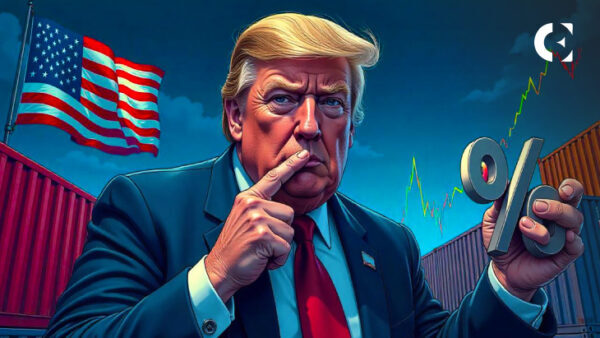
In a surprising development, President Donald Trump’s proposed “tariff dividend”—a direct $2,000 per person payout—could potentially inject around $600 billion into the U.S. economy. If implemented, this stimulus may act as an unexpected catalyst for the crypto market, which is currently struggling to gain momentum.
Unlike the pandemic-driven rally of 2020, primarily fueled by defensive measures, this capital injection would occur in a mature market featuring fully developed crypto infrastructure, spot ETFs, and broad brokerage access. Analysts at CryptoQuant suggest that liquidity could flow into the crypto space more swiftly and aggressively than seen previously.
Market Snapshot
At press time, Bitcoin trades at $106,000, down 1% over the past week. The cryptocurrency remains strong above the critical $100,000 level and maintains a market valuation exceeding $2 trillion. Meanwhile, the broader market is experiencing a modest upswing following last week’s massive selloff.
As the week unfolds, market participants will closely watch how these significant token unlocks and potential macroeconomic stimuli interact, shaping crypto market dynamics moving forward.
https://bitcoinethereumnews.com/tech/100m-in-token-unlocks-set-to-hit-market-this-week/
Trump Proposes $2,000 Tariff Dividend as Crypto Markets Rally
**President Trump Announces $2,000 Tariff Dividend for Most Americans**
President Donald Trump announced on Sunday that most Americans will receive a $2,000 dividend funded by tariff revenue. The announcement was made via his Truth Social platform, where he stated that the payments would help reduce the national debt while providing direct financial benefits to citizens. “A dividend of at least $2,000 a person, not including high income people, will be paid to everyone,” Trump wrote in his post, defending his tariff policies amid ongoing legal challenges.
—
**Cryptocurrency Markets React Positively**
Following the announcement, the cryptocurrency market responded with gains. Bitcoin rose by 1.93% over 24 hours, trading above $103,000. Ethereum climbed 4.75% to surpass $3,500, and Solana increased by 2.49% to top $160. The CoinDesk 20 index also saw a rise of more than 1.5%.
This rally comes after a difficult week for crypto markets, during which the CD20 index had fallen nearly 15%. Despite the recent recovery, Bitcoin remains down 5.7% for the week, while Ethereum is still down 7.5%.
—
**Legal and Financial Hurdles Ahead**
The Supreme Court is currently hearing arguments regarding the legality of Trump’s tariff policies. Prediction markets indicate low confidence in court approval, with Kalshi traders assigning just a 23% chance and Polymarket traders slightly lower at 21%.
Beyond legal challenges, implementation of the dividend faces significant hurdles. Andy Constan, CEO of Damped Spring Advisors, emphasized that the President cannot authorize such payments unilaterally. Federal spending requires Congressional approval, meaning any plan to distribute tariff revenues must pass through the legislative branch.
—
**Funding Gap Raises Concerns**
Financial calculations present another major obstacle. Erica York, Vice President of Federal Tax Policy, estimated that if the income cutoff is set at $100,000, about 150 million adults would qualify. This translates to an approximate cost of $300 billion. If children are included in the payments, the cost would be even higher.
However, tariffs have only generated $120 billion in revenue so far, creating a sizeable funding gap.
York also explained that economic effects reduce net tariff revenue further. For every dollar raised by tariffs, approximately 24 cents of income and payroll tax collections are offset. After accounting for these offsets, net tariff revenue stands at about $90 billion—far below the $300 billion needed to fund the proposed dividend program.
—
**Expert Opinions and Market Predictions**
Investment analysts at The Kobeissi Letter estimate that around 85% of U.S. adults would receive these stimulus checks based on COVID-era distribution data.
Bitcoin analyst Simon Dixon suggested that recipients should consider investing the dividend payments in assets to protect against inflation. Similarly, investor Anthony Pompliano noted that stocks and Bitcoin typically rise following stimulus announcements.
Traders appear to be pricing in the possibility of increased inflows into the crypto market if the dividend funds reach recipients.
—
**Summary**
While President Trump’s $2,000 tariff dividend proposal has generated optimism in cryptocurrency markets, legal and financial challenges remain significant. Congressional approval is required, and current tariff revenues fall substantially short of the amount needed to fund the payments. The Supreme Court’s upcoming decision on tariff legality will play a crucial role in determining the proposal’s viability.
https://coincentral.com/trump-proposes-2000-tariff-dividend-as-crypto-markets-rally/