Animal rights group NYCLASS spends millions to ban horse carriages in Big Apple

That’s a lot of hay!

The animal rights group NYCLASS has spent millions of dollars over the past decade as part of its campaign to ban horse carriages in New York City, according to records reviewed by The Post.

New Yorkers for Clean, Livable, and Safe Streets, in its 2024 tax filing, reported spending $1.272 million in the 2022 calendar year, including $744,547 on ads and promotions and $261,000 on lobbying lawmakers, records show. The group spent $634,000 in 2021 and has spent hundreds of thousands of dollars annually in prior years dating back to 2015.

News of NYCLASS’s big spending came as the group commissioned a poll released Monday that claimed 78% of voters support Ryder’s Law. This legislation would ban horse-drawn carriages and replace them with electric alternatives, relocate horses to rescue farms, and provide job-transition programs for current drivers and replacements.

The bill, supported by Mayor Eric Adams, is named after Ryder, a horse that collapsed and died in 2022. However, it has stalled in the City Council due to opposition from the union-backed industry.

“They are a bunch of hypocrites,” said Transport Workers Union (TWU) president John Samuelsen, whose union advocates for the carriage drivers and is also now spending vast sums to save the industry. The TWU recently commissioned its own poll, claiming that regular Central Park-goers support the horse carriages.

“They haven’t spent a dime to provide any actual goods or services that would benefit horses. Not a single bale of hay or even a carrot,” Samuelsen contended. He alleges that NYCLASS is “obsessed with dehumanizing carriage-horse drivers by falsely portraying them as evil animal abusers, just so real estate developers can put them out of business and build more hotels and high-rises on the West Side of Manhattan, where the stables are located.”

“This is about money and greed,” Samuelsen said, “not the horses.”

NYCLASS defended its spending, with a spokesperson saying the group funds other animal protection programs as well as pushing to ban the horse carriage industry.

“NYCLASS has rescued New York City carriage horses discarded and sent to slaughter by the same rich owners John Samuelsen is lying for, and we’ve passed numerous laws that have saved thousands of animals,” said NYCLASS executive director Edita Birnkrant.

She referred to Samuelsen as a “bully” who attacks anyone who wants to end horse abuse.

“He bragged about wasting $1 million in union dues on vicious AI attack ads to threaten officials and silence advocates. Samuelsen isn’t fighting for workers; he’s protecting the wealthy carriage bosses who exploit them and their horses for profit,” Birnkrant countered.

“Horse carriages are a dying, obsolete business being shut down and replaced in cities around the world, and 78 percent of New Yorkers, along with every major mayoral candidate, support Ryder’s Law to ban them.”
https://nypost.com/2025/10/20/us-news/nyclass-spends-millions-to-ban-horse-carriages-in-nyc/

Mark Ruffalo Fantasied About ‘Punching’ Ryan Reynolds While Working Together… as Blake Lively’s Husband’s Public Reputation Continues to Crumble

**Mark Ruffalo Reveals He Had a “Dream” About Punching Ryan Reynolds in the Face**

*Published Oct. 20, 2025, 8:00 p.m. ET*

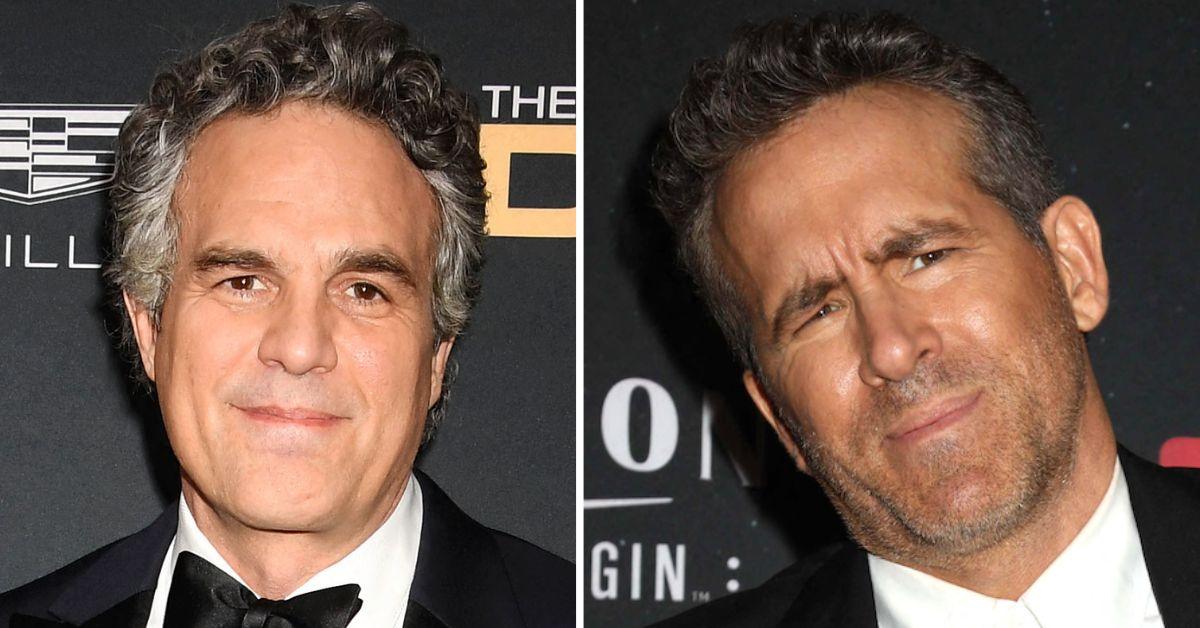
Mark Ruffalo recently made a surprising revelation about having a “dream” of what it would look like to punch Ryan Reynolds in the face, RadarOnline.com can reveal. With Reynolds’ recent cringe-worthy moments — including a red carpet spat with Eugene Levy and a rude interaction with a child reporter — many critics might have shared the same fantasy of socking the star in the kisser.

However, Ruffalo, 57, actually got to do just that for a movie role. The scene in question was filmed for 2022’s *The Adam Project*, and Ruffalo said he envisioned the punch in his head before shooting the scene with Reynolds, 48.

“It was written that way, and we did a rehearsal, and I had a dream that that’s what the punch should look like, and I just did what I did in my dream,” Ruffalo revealed during a new video with GQ where he discussed every film role he has ever done.

“And we did it, and they were all laughing, and [director Shawn Levy’s] like, ‘Well, let’s do it again, but I think we have it,’” the actor said with a laugh.

Ruffalo noted this was one of those spontaneous moments where “it was just like the spontaneity, and, you know, it was right there,” describing his epic on-screen punch of the Deadpool star.

### ‘No Ease With Each Other’

While promoting *The Adam Project*, Reynolds spoke kindly of working with Ruffalo, although their interview appeared a bit stiff as they gave each other compliments.

“It’s a great thing about working with amazing actors is that you don’t have to work as hard. The actual job becomes exponentially easier when you work with really great actors,” Reynolds stated plainly.

Ruffalo added, “And it’s playful. I mean, that playfulness really translates as well as the ease with each other. And what does a family have except for no ease with each other,” deadpanning slightly while avoiding eye contact with his co-star.

### Red Carpet Spat

Reynolds has recently found himself embroiled in several controversies that painted him in a negative light. At the premiere of the new John Candy documentary, *John Candy: I Like Me*, Reynolds engaged in an expletive-filled exchange on the Toronto International Film Festival red carpet with Eugene Levy, 78.

Lip reader Nicole Hickling analyzed the moment for RadarOnline.com, noting Reynolds looked tense before telling Levy, “Bull—-, man.” Allegedly, Levy responded, “Language, you don’t need to speak so harsh.”

Hickling claimed Reynolds angrily fired back, “Please don’t ever tell me how I can talk to people.”

### Mocking His Only Son

At the same event, Reynolds was accused of being “mean and rude” to a child reporter from CTV. The *Free Guy* star leaned down and bluntly asked, “Hi, what’s your question for me buddy?” When the young boy tried to introduce himself and said, “Hi Ryan, nice to meet you,” Reynolds quickly interrupted with a curt, “Nice to meet you too, let’s skip to the question.”

In recent weeks, the Aviator Gin founder also made snide remarks about his only son with wife Blake Lively, after previously welcoming three daughters together.

During an appearance on Seth Meyers’ NBC late-night talk show, Reynolds said their little boy, Olin, 2, “came out with three things on his mind. It was violence, breasts, and engines.”

He further added that he wouldn’t have had more children if a son had come first.

“I can’t, if I had, like, three boys at first, I would never. There’s no way,” Reynolds huffed. “I would give myself a punching vasectomy.”
https://radaronline.com/p/mark-ruffalo-fantasied-about-punching-ryan-reynolds-working-together/

EXCLUSIVE: Prince William ‘To Go to War’ With Prince Harry and Meghan Markle — By Using Prince Andrew as ‘Template’ to Strip Them Of All Their Royal Titles

**Prince William Plans to Strip Prince Harry and Meghan Markle of Their Royal Titles, Following Prince Andrew’s Example**

*Published Oct. 20, 2025, 5:15 p.m. ET*

Prince William is reportedly preparing to take decisive action against his brother Prince Harry and sister-in-law Meghan Markle by removing their remaining royal privileges. RadarOnline.com reveals that William is using the recent stripping of Prince Andrew’s royal titles as a blueprint to cut the Sussexes off from the monarchy entirely.

The 43-year-old heir to the throne is said to have discussed this drastic move with King Charles and senior advisers during the royal family’s summer stay at Balmoral. This followed King Charles’s bombshell decision to formally strip Prince Andrew, 65, of his remaining titles and roles after new allegations connected him again to the Jeffrey Epstein scandal.

### Harry and Meghan’s Royal Titles Could Be Next

Sources indicate that the action taken against Andrew set a “useful precedent” for William, who now intends to “finish what was started” by removing Harry and Meghan’s royal privileges once and for all.

“From the outside, Balmoral seemed like the usual royal getaway – strolls, barbecues, and cozy family meals,” revealed a palace insider. “But privately, major talks were underway. William is convinced the monarchy cannot evolve while Harry and Meghan still hold titles. What happened with Andrew showed him it’s time for a definitive break. The King’s decision basically handed him the playbook.”

Although Harry, 41, and Meghan, 44, kept their Duke and Duchess of Sussex titles after stepping back from royal duties in 2020, they agreed not to use their HRH (His and Her Royal Highness) styles. Their children – Prince Archie, 6, and Princess Lilibet, 4 – retained royal titles when Charles became king in 2022.

### “It’s About Preservation,” Says Palace Source

William reportedly views the continuation of these titles as incompatible with his vision of a “modern, slimmed-down monarchy.”

“William has made it clear this is about safeguarding the monarchy’s future,” another royal source claimed. “He respects how his father handled Andrew – it was tough but the right call, showing that no one is above the Crown regardless of status. He believes the same principle should apply to Harry and Meghan. This is not about revenge; it’s about preservation.”

Prince Andrew was stripped of his royal titles and military patronages in 2022 amid civil sexual assault allegations, which he denied before settling out of court. The King’s more recent decision to remove Andrew’s remaining honors followed a fresh wave of Epstein-related claims.

Palace aides confirmed the King acted to “avoid further damage to the institution.”

### William’s Resolve Strengthened by Andrew’s Case

For William, the decisive action against Andrew has reinforced his determination to apply similar measures to the Sussexes.

A palace insider noted, “What happened with Andrew proved that firm action wins public respect. William wants to demonstrate he’s willing to make tough decisions, even when they hit close to home. He sees this as the final crucial move to safeguard the monarchy’s future.”

### Kate Middleton Urges Caution

Despite William’s resolve, insiders say Kate Middleton, 43, has privately advised her husband to proceed with caution.

“Kate loves William and completely believes in his bigger vision,” said a family friend. “But she’s cautioned him that stripping Harry’s titles could be a point of no return. Kate’s nature is to keep the peace wherever possible, and she knows this move could wipe out any chance of reconciliation between the brothers for good.”

The source added, “William views Andrew’s fall as both a cautionary tale and an opportunity to set things right. He believes the monarchy can’t survive double standards anymore. If titles are to hold real value, the same rules must apply to everyone – no exceptions.”

This unfolding royal drama signals a potential turning point for the British monarchy as it navigates its future role in a modern world. Prince William appears poised to make firm decisions that could redefine the royal family’s structure for years to come.
https://radaronline.com/p/prince-william-war-with-prince-harry-meghan-markle-strip-them-of-royal-titles/

Ninja Gaiden 4 Review

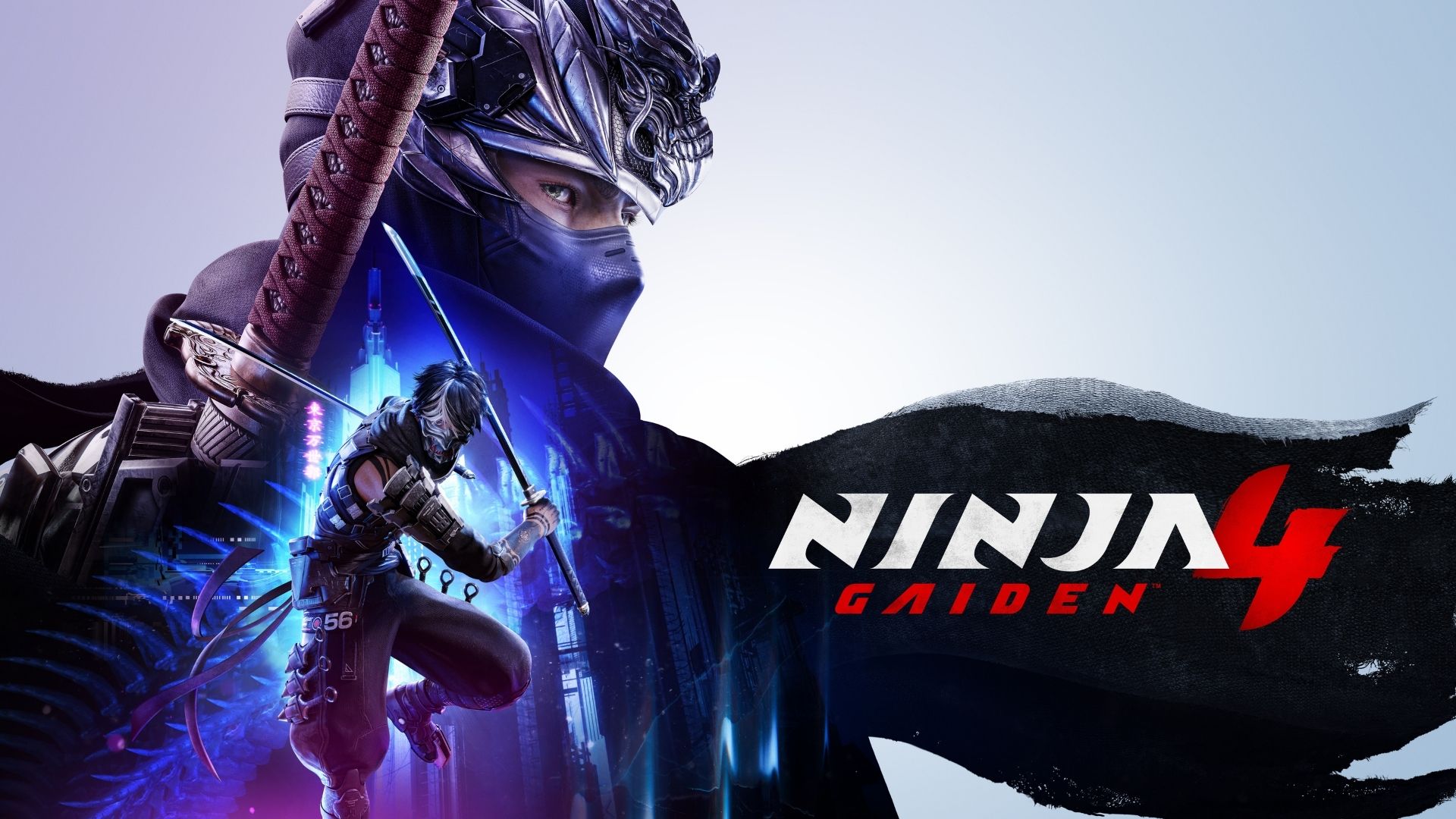
Every time I sit down to write my **Ninja Gaiden 4** review, something funny happens: I find myself playing the game for an hour or so instead. Whoops.

It’s funny because at first, I wasn’t sure how I’d feel about the game. It’s been such a good year for Ninja Gaiden fans, though we were long overdue for a new entry. The 2000s were a strong decade for the franchise, thanks to 2004’s *Ninja Gaiden* for the Xbox, 2005’s even better *Ninja Gaiden Black*, and a worthy sequel in 2008’s *Ninja Gaiden 2* for the Xbox 360.

However, that was the last time Producer and Director Tomonobu Itagaki worked on the franchise, as he resigned from Tecmo shortly before the release of *Ninja Gaiden 2*. Fans feared that without his direction, the franchise would falter—a theory supported by the less-than-stellar reception to the original release of *Ninja Gaiden 3*.

In an ironic twist of fate, things changed for the better in 2012 with *Ninja Gaiden 3: Razor’s Edge*, a launch title for the Nintendo Wii U of all things, which represented a return to form for the series. However, the damage was done. Combined with the rise in popularity of FromSoftware games and the Soulslike genre, the Ninja Gaiden franchise and Ryu Hayabusa took a bit of a nap.

Then, earlier this year, out of seemingly nowhere, during an Xbox Developer Direct, Microsoft had a surprise for us. The showcase began with that iconic Team Ninja cinematic, leading into the surprise reveal of *Ninja Gaiden 4*. Now, here we are, nine months later, and the wait has been worth it.

### Welcome Back, Old Friend

The biggest question *Ninja Gaiden 4* needed to answer was how it compares to the franchise’s legacy. *Ninja Gaiden 2 Black* did a great job of not just reintroducing the former gold standard of 3D action games, but the modern-day Ninja Gaiden franchise itself.

That said, it’s pretty easy to make a “definitive” version of a great game. Building something from the ground up in a major franchise is a risky endeavor. Introducing a new playable protagonist to replace an iconic character like Ryu Hayabusa is, to say the least, incredibly risky.

Against all odds, *Ninja Gaiden 4* succeeds. It feels like a brilliant marriage between Team Ninja and the Ninja Gaiden tradition alongside co-developer PlatinumGames and their modern flair. There’s a great amount of respect on display here, particularly when playing as Ryu, which helps fit *Ninja Gaiden 4* neatly into the franchise timeline.

I don’t feel bait-and-switched like some people did back in the day with *Metal Gear Solid 2: Sons of Liberty*, when Raiden took over for Solid Snake. Instead, Yakumo feels like he’s been a part of the series since day one.

*Ninja Gaiden 4* is pure cinema.

Does Yakumo feel a little more, for lack of a better term, “anime” than Ryu? Yes. How you feel about that depends on how much anime you enjoy in your gaming experience. Is it the end of the world either way? Far from it.

In fact, playing as Yakumo, who carries some slight differences compared to Ryu, feels like a great modern interpretation of the classic Ninja Gaiden gameplay experience. During the game’s original reveal, Team Ninja stressed how the two characters handle things differently.

One key reason for this is that Ryu, controversially, only has access to one weapon: the Dragon Blade. Yes, it’s super disappointing, especially since earlier this year I enjoyed using a variety of weapon builds in *Ninja Gaiden 2 Black*. Thankfully, the modernization of *Ninja Gaiden 4*’s combat had me not caring as much as I anticipated.

What also helps is that Yakumo is able to wield a variety of weapons himself. Combined, the two offer several playstyles that can fit various strategies and skillsets, all of which come in handy.

### No Matter How You Play It, *Ninja Gaiden 4* Is A Blast

Let’s talk about those skillsets further, as accessibility has been a major talking point for Team Ninja leading up to the game’s release. Director Masakuza Hirayama has spoken on several occasions about the importance of allowing players to, well, “git gud.”

Consider, for a second, *Hollow Knight: Silksong*, a game whose frustrating difficulty was a major point of contention following its anticipated release. Rather than adopt the traditional “one standard difficulty” approach so many Soulslikes use, *Ninja Gaiden 4* offers several difficulty options for players.

These range from “we’re going to auto block and dodge for you,” all the way to “I’m gonna kick your ass, and you’re going to like it.” Against all odds, and I can’t believe I’m saying this, but I’ve enjoyed my time playing on every difficulty level. Yes, even the game’s “Hero” mode, which comes with every training wheel you can think of.

Was my adrenaline racing the same way it did when playing through the game’s Boss Trials on Master Ninja? No, of course not.

Was the combat pure cinema as I racked up impressive combos? You bet.

At the end of the day, that’s the best way to describe *Ninja Gaiden 4*: pure cinema. I mean, just look at these screenshots. I’m not afraid to admit how much time I’ve spent in photo mode—and I’m someone who never wastes time in photo mode.

Then again, when I’m fighting a cyborg interdimensional demon shark on a techno-disco stage, yeah, I want to spend some time in photo mode. One minute, I’m taken aback by how cool the combat looks, and the next, I’m blown away by the game’s cinematography.

While the graphics themselves aren’t as crisp and clean as I would have preferred, the game is still a visual treat from start to finish. It’s also, if you didn’t notice, delectably violent and gory, as if ripped straight from a Quentin Tarantino film.

Sadly, like a certain Tarantino film that people (incorrectly) love to hate (*Death Proof* is great), there are some moments where things slow down a little too much.

There are a lot of rail grinding sections that feel like a mix of platforming and quicktime events. They’re easily my least favorite part of the game, and in some cases, pull me out of the action a bit too much.

Yet something strange happened during my second playthrough: I didn’t hate them as much as before. Does it help that I know where I’m going, which makes these moments feel more, well, cinematic? Absolutely.

It also acts as a nice respite, letting me catch my breath before jumping into the next firefight. Are they still one of my least favorite parts of the game? You bet—at least gameplay-wise.

### Dead Or Alive

Above all else, my least favorite aspect of *Ninja Gaiden 4* is its story, which technically exists.

Now, I’m not exactly someone who plays these games for lore and world-building. I play Ninja Gaiden to be the ultimate badass Master Ninja. Still, I have to commend Team Ninja and PlatinumGames for delivering a clear-cut plot that’s at least comprehensible and easy to follow, even if some of its stakes and twists aren’t exactly earned.

I mean this in the best possible way: *Ninja Gaiden 4*’s violence reminds me of a Quentin Tarantino film. To use that term again, things venture a little too much into the realm of anime (derogatory), especially with some of its characters.

Still, the overall cinematic experience is peak anime (flattering), especially with the game’s music. The soundtrack to this game’s boss battles will make you run through a brick wall.

It keeps you going, even when you’ve been beaten down, ready to throw in the towel. It helps you dig deep, find hidden gear you didn’t know you had, and even when you’re out of items on your last legs, you find the courage to overcome the odds and deliver that lethal blow with the power of friendship and ninja training.

Only to be humbled by the game’s scoring system.

Go ahead, *Ninja Gaiden 4*, try to shame me with that subpar rating. It doesn’t matter.

### Despite Its Imperfections, I Love *Ninja Gaiden 4*

It’s truly a testament to the quality of *Ninja Gaiden 4* that I’m still talking about it. Normally, I pride myself on brevity and conciseness in reviews. Yet here I am, perfectly content to keep yapping about this game.

Ironic, since I keep staring at my Xbox controller and hearing its siren call to sit down and play. Maybe just one quick Trial. Okay, that turned into five Boss Trials and a couple of Challenges.

It’s surprising considering there are some less-than-minor annoyances with the gameplay.

Let me get this out of the way: the camera in *Ninja Gaiden 4* is miles better than *Ninja Gaiden 2 Black*, but it’s still not perfect. There are times when my character gets lost in the shuffle, and combined with an imperfect targeting system, I can get stunlocked, especially on higher difficulties.

Here’s the thing, though: it’s not deterring me from enjoying the game. More often than not, once I get into a nice rhythm, I’m not worried about the targeting system.

Are there times when I snap back to reality? Yes. Does it make me rage quit? No.

If anything, it locks me in more, especially when that fight music starts blaring.

Now, if you’ll excuse me, it’s time to wrap this up and jump back into the action.

### A Note About PC Performance

One of the nice things about the Xbox ecosystem is that I’m able to play *Ninja Gaiden 4* on both console and PC. As such, I was able to swap back and forth between the two platforms during my review.

However, the move from PC to console was initially out of necessity. Performance on PC was sluggish at first, and it wasn’t due to the game’s high graphical demands.

Now, I’m not going to tout my PC specs; it gets the job done, having run *Expedition 33* flawlessly. I’m realistic about its limitations, with my 3070 and most of my hardware being about five years old.

My first thought was to lower graphics settings, but I was still experiencing sluggishness, as if the game was still installing. There was a loading animation in the bottom right of my screen.

After updating my drivers and finishing the campaign on console, I returned to PC curious about *Ninja Gaiden 4*’s performance.

Thankfully, it ran flawlessly, as if the earlier issues were just pre-release hiccups.

Visually, the game looks as good as it does on my Series X, so don’t expect a graphical powerhouse.

The more important thing here is the frame rate. While I wasn’t quite hitting the advertised 120 FPS, I was routinely achieving over 100.

Any concerns about how the game handles on PC versus consoles were quickly put to rest.

*Ninja Gaiden 4* is an action-packed, cinematic journey that respects its legendary roots while offering fresh mechanics and accessibility options, making it a worthy addition to the franchise and a blast to play on any platform.
https://www.dualshockers.com/ninja-gaiden-4-review/


Wipeouts Threaten Korea Retail Army Chasing Riskiest Investments

When Tony Kim likes a stock, he goes all in. Literally.

The 34-year-old manager at a Seoul-based textile company never holds more than one stock in his 140 million won ($98,500) portfolio.
https://www.bloomberg.com/news/features/2025-10-20/korea-s-great-yield-chase-ratchets-up-risk-of-a-leveraged-bubble

Why are people mad over College Gameday going to Vanderbilt?

ESPN’s College Gameday Heads to Vanderbilt University Amid Controversy

This Saturday, ESPN’s College Gameday is making its way to Vanderbilt University for the Commodores’ matchup against Missouri—a decision that has sparked considerable frustration among college football fans.

Vanderbilt’s Rise in College Football

Vanderbilt has been one of the most remarkable stories this season. Currently sitting at 6-1, the Commodores have built on a tremendous rise that began last season, highlighted by a breakthrough win over Alabama. This year, they’ve continued their momentum with key victories over South Carolina and LSU. Logically, choosing Vanderbilt as a College Gameday destination makes perfect sense. It’s an unlikely success story in the SEC, providing a compelling narrative for viewers.

The Frustration: Accusations of SEC Bias

However, the decision to spotlight Vanderbilt has triggered a wave of frustration across the college football landscape. The core complaint is familiar: College Gameday appears to prioritize the SEC, showcasing the same conference repeatedly while largely overlooking equally compelling stories from other programs and divisions.

Many fans are particularly upset that Gameday isn’t broadcasting from the North Dakota State vs. South Dakota State game, as it did in September 2019. This rivalry features two perennial powerhouses who have dominated the FCS National Championship landscape for years. Both teams are ranked at the top of the FCS standings, making this a pivotal matchup that will significantly influence playoff seeding later this fall.

Many argue that given the gravity of this game—pitting the top two FCS programs against each other—College Gameday should be there to tell that story and highlight an under-covered but highly significant part of college football. The frustration stems from the perception that Gameday is overlooking a matchup with clear national championship implications in favor of an SEC game.

Understanding the Reality of College Gameday Coverage

Personally, I find this particular outrage somewhat ironic. Those upset that Gameday isn’t showcasing North Dakota State vs. South Dakota State may not fully appreciate how incredibly difficult it is for the show to meaningfully acknowledge non-Power 4 institutions.

To understand the gap between expectation and reality regarding Gameday coverage, look no further than HBCU football. Despite a wealth of historic programs and compelling narratives over the years—many HBCU schools compete in the FCS—College Gameday has only broadcasted live from HBCU events four times since its inception:

– **Bayou Classic (2005):** Broadcast following Hurricane Katrina from Houston, Texas; the first time Gameday broadcasted from an HBCU event.
– **Hampton vs. Florida A&M (2008):** The first time Gameday broadcasted from an HBCU campus.
– **MEAC-SWAC Challenge (2021):** Broadcast from Atlanta during a Week 0 game coordinated with ESPN Events.
– **Jackson State (2022):** Broadcast from Jackson, Mississippi, during Deion Sanders’ final season with the Tigers.

*Note:* Gameday also broadcasted from the site of the Delaware State vs. North Dakota State game; however, Delaware State was the visitor.

The 2022 Stop at Jackson State: A Case Study

The 2022 visit to Jackson State offers a clear case study for why frustration over this weekend’s choice may be misguided. Despite setting up the entire broadcast on the JSU campus—largely due to the Deion Sanders phenomenon—the actual game against rival Southern University was relegated behind the ESPN+ paywall and was not flexed to ESPNU for television exposure.

In essence, JSU functioned more as a studio backdrop than as the main event. Outside of a well-produced feature on the legendary 1974 JSU team (featuring Hall of Famers Walter Payton, Jackie Slater, and Robert Brazile), the coverage largely focused on celebrity guests and Deion Sanders’ presence, rather than providing substantive insight into the SWAC or the team’s prospects.

It’s therefore somewhat hypocritical for fans to complain about missing North Dakota State vs. South Dakota State when Gameday struggled to deliver meaningful coverage even for a story as massive as Deion Sanders at Jackson State.

The Bigger Picture: Corporate Realities and Sports Coverage

This isn’t a new phenomenon in the FCS. The frustration arises mainly because this situation is now affecting schools that fans personally root for, where the matchup’s appeal is obvious but fails to align with ESPN’s strategic priorities.

At the heart of the matter is a corporate reality: ESPN recently signed a massive deal with the SEC, greatly expanding the conference’s presence across ABC and ESPN platforms. It’s only natural that they would use College Gameday—their premier promotional tool—to spotlight the product they invested billions of dollars in.

While there are numerous key games across the FCS that could warrant Gameday’s attention or even a broadcast, the show consistently chases what it perceives as the biggest headlines or most valuable properties. This focus often comes at the expense of highlighting significant programs without an established national fanbase—a sharp departure from the show’s earlier days, when spreading the spotlight was a core principle.

Conclusion: Managing Expectations

It’s understandable why many fans want more program diversity and recognition of great football regardless of the division or conference. However, considering ESPN’s history and business incentives, we should have anticipated this outcome.

In short, whether it’s Vanderbilt or North Dakota State, College Gameday’s choices reflect broader corporate strategies rather than a balanced celebration of college football’s full landscape.

By recognizing these realities, we can better appreciate the complexities behind College Gameday’s decisions and adjust our expectations accordingly.
https://clutchpoints.com/hbcu/why-are-people-mad-over-college-gameday-going-to-vanderbilt

Why urgent care clinics, once derided as ‘doc in a box,’ have spread like wildfire

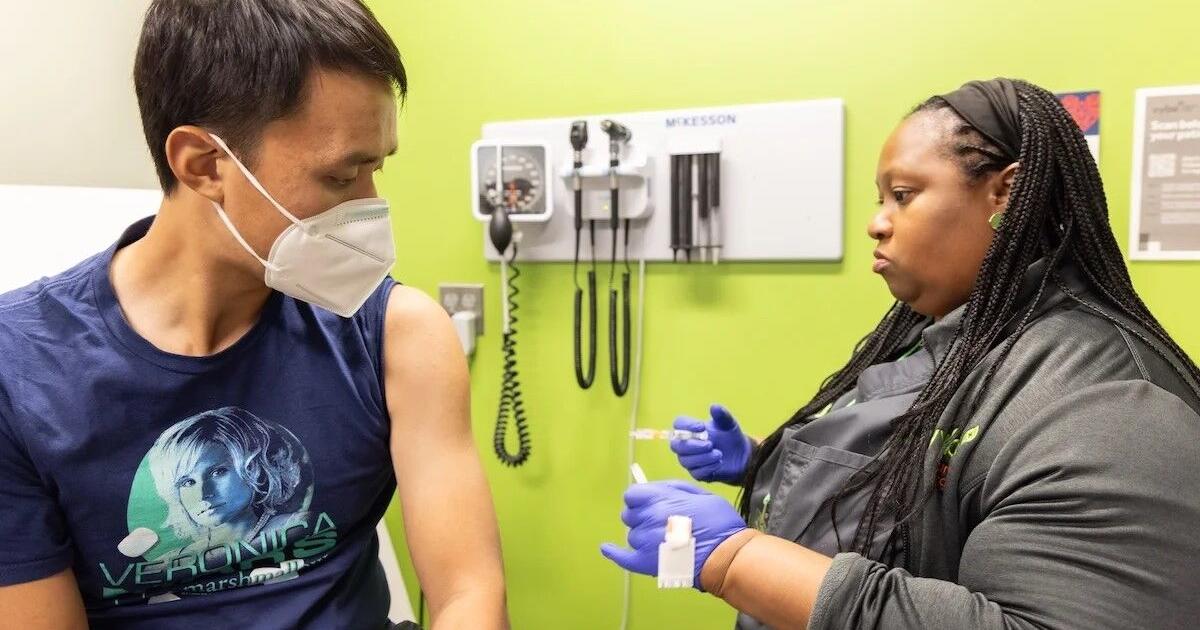
Urgent care physician Franz Ritucci remembers what it was like going to a medical conference 20 years ago and how other doctors responded when he told them where he worked.

“I saw everyone’s eyes kind of go down. It was like, ‘ugh, an urgent care.’ That was the time when those facilities were called ‘doc in a box,’” he said.

The “doc in the box” label hasn’t fully come off. If your family doctor is a locally-run restaurant, then urgent care is McDonald’s.

Urgent care centers have been around since the 1970s, but more recently the expansion in this sector has been explosive.

“It has grown … like fire,” said Ritucci.

Over the last decade or so, the number of urgent care centers in the U.S. has doubled — from more than 7,000 to more than 14,000, according to the Urgent Care Association.

Part of that growth comes from private equity firms, which use money from wealthy investors or large institutions to buy other companies that are not on the stock market, aiming to make a quick profit. Private equity has invested billions of dollars into hundreds of urgent care clinics across the U.S.

As of 2024, more than 2,300 urgent care centers are backed by private equity investment, according to the Journal of Urgent Care Medicine.

The investment leads to more health care access and helps relieve busy hospitals, especially in rural parts of the country, according to the American Investment Council, an advocacy organization that represents private equity firms.

Ritucci, who is now the president of the American Academy of Urgent Care Medicine, said urgent care clinics address a previously unmet need in health care — patients who have an ear infection or a sore throat and cannot easily get a last-minute appointment at their primary care doctor but whose ailments are not serious enough to warrant an emergency room visit.

“Urgent care centers have become the reliever airport for our broken system,” Ritucci said.

There is a lot of demand for the services that urgent care clinics provide, so much so that doctors opening their own clinics could not address it all on their own, said Peter Hotz, CEO of Vybe Urgent Care.

A few years ago, a private equity firm invested in his company and helped it grow. Today, Hotz runs 16 Vybe clinics in the Philadelphia region.

“They have never once told me or my team how to run the business, what kind of care to provide or anything like that. They’ve been really a source of capital, a source of judgment and an assistance to us as we’ve had to make challenging decisions as we grow the business,” he explained.

However, private equity investment is not always a good deal for urgent care doctors, Ritucci said. He has been in the business for so long that other urgent care doctors sometimes ask him for advice when private equity investors come calling with offers.

Ritucci tells doctors that if the business is thriving and could grow, then the investment could be good. But if the urgent care clinic is struggling and the doctor needs the investment to survive, he advises them to cut costs or close down.

He explained that if a clinic is already finding it hard to survive, then private equity investment will put more pressure on it to find more patients quickly.

“If you’re hurting, that you need the money to grow, then … equity is the way and you’ll sell your soul in order to survive and move,” Ritucci said.

Part of the pressure comes from the way private equity operates — firms are looking to turn a profit quickly, explained Jessa Loomis, an economic geographer at Newcastle University in the U.K.

She has studied private equity in health care markets, including urgent care centers.

Loomis added that even if an urgent care business goes under, a private equity investor can still make a profit by selling the business or the real estate where the clinics once stood.

“Part of that is the financial engineering, financial mechanisms at play that allow them to basically take their returns and run,” she said.

**Stay informed and connected — subscribe to The Philadelphia Tribune NOW! [Click Here]**

### Community Guidelines Reminder:

– **Keep it Clean:** Please avoid obscene, vulgar, lewd, racist, or sexually-oriented language.
– **Don’t Threaten:** Threats of harming another person will not be tolerated.
– **Be Truthful:** Don’t knowingly lie about anyone or anything.
– **Be Nice:** No racism, sexism, or any sort of -ism that is degrading to another person.
– **Be Proactive:** Use the ‘Report’ link on each comment to let us know of abusive posts.
– **Share with Us:** We’d love to hear eyewitness accounts and the history behind an article.

*Misty Copeland broke barriers as the first Black female principal dancer with American Ballet Theatre. Now, through her nonprofit, she’s making dance more accessible for children of color.*
https://www.phillytrib.com/news/health/why-urgent-care-clinics-once-derided-as-doc-in-a-box-have-spread-like-wildfire/article_e3e740b8-c29f-4990-81a5-57b1ac74f6d9.html

Pro-Palestinian students sue over Northwestern’s mandatory antisemitism training

A pro-Palestinian graduate student group has sued Northwestern University, claiming the school’s mandatory antisemitism training is discriminatory and violates the free speech rights of Arab students, new court papers reveal.

The university began enforcing the training modules, ironically named “Building a Community of Respect and Breaking Down Bias,” in February—months after heated campus anti-Israel demonstrations, according to the lawsuit.

The Northwestern Graduate Workers for Palestine alleges the training uses such a broad definition of antisemitism that it limits political discourse and free speech, labeling them as anti-Jewish. “Northwestern equates criticism of political practices and ideologies with discrimination against Jews themselves,” the complaint filed Wednesday in Illinois federal court states.

The lawsuit, filed by the Council on American-Islamic Relations (CAIR) on behalf of the student group, seeks to have the training ruled unlawful and eliminated altogether. Plaintiffs also want to remove the disciplinary policy punishing students who do not complete the required training. The suit seeks unspecified damages.

According to court documents, Evanston-based university policy is discriminatory against Palestinian and Arab students by barring them from discussing their national aspirations or protesting alleged mistreatment of their people. The suit charges that Northwestern won’t allow students to oppose a video “dehumanizing Arabs in the process.”

The video, produced by the Jewish United Fund, reportedly includes quotes from Ku Klux Klan leader David Duke interspersed with statements from anti-Israel protesters to suggest “you can’t tell the difference” between the comments, according to a report by the Washington Free Beacon.

The lawsuit alleges the university brands Arab and Palestinian students’ ethnic and religious identities, cultures, and advocacy for their national group’s rights as antisemitic and subject to discipline.

For example, students have been threatened with losing their enrollment or employment status if they do not watch the videos and acknowledge the policies by set deadlines—either by Monday or February 2, 2026, depending on their registration date. “Several members of Grad Workers for Palestine will lose their student status and employment if they do not complete the training,” the filing notes.

At least 300 students have reportedly been blocked from registering for classes because they refused to watch the training video, The Guardian reported last month.

One Ph.D. candidate, Laura Jaliff, told the Evanston Round Table earlier this month that she declined the training because she believed it to be discriminatory. “The number of students who are refusing to take the training on the grounds that it contains damaging political propaganda that has no place in our workplace will inevitably grow,” Jaliff warned.

Students and faculty have widely opposed the training course, arguing the video is “discriminatory and not scholarly,” but the university has not altered its stance, the lawsuit states.

The university’s policy was enacted following anti-Israel protests in April and May 2024, during which students set up encampments on campus. Counter-demonstrators allegedly stole and destroyed property, spat on students, screamed at them, and called Jewish participants “fake Jews,” the suit claims.

One person reportedly told a Jewish student, “You are lucky you are here; if you were in Israel, I’d just shoot you like an animal,” the complaint adds.

Instead of addressing the threats, campus police allegedly cracked down on the pro-Palestinian encampments “with excessive and unreasonable force,” also filing criminal complaints against demonstrators. The Cook County State Attorney’s Office declined to prosecute the four people arrested, the suit notes.

Anti-Israel protesters allegedly vandalized a campus building housing the Holocaust center by scrawling “Death to Israel” and “Intifada Now” on its walls, according to the Washington Free Beacon. Protesters reportedly screamed insults like “dirty Jew” and “Zionist pig” at passing students, the Forward reported.

Former Northwestern president Michael Schill was criticized for his alleged negligence in handling antisemitism on campus and was questioned by a U.S. House committee over the unrest. He resigned last month.

In April, the Trump administration froze $790 million in federal grants and contracts to Northwestern, The Evanston Round Table reported.

Michael Teplitsky, president of the Coalition Against Antisemitism at Northwestern, called the lawsuit “absurd” in a statement to the Free Beacon. “The idea that an antisemitism training could somehow threaten anyone’s civil rights is absurd,” Teplitsky said. “Northwestern worked with JUF [Jewish United Fund] to create a student program aimed at inclusion and understanding—exactly what universities are supposed to do.”

Meanwhile, Republican lawmakers New York Representative Elise Stefanik and Arkansas Senator Tom Cotton last week called on the Trump administration to investigate CAIR’s sources of funding, including “potential ties” to Hamas.

Northwestern University declined to comment on the pending litigation.
https://nypost.com/2025/10/20/us-news/students-sue-over-northwesterns-antisemitism-training/

Dutch Seizure of Nexperia Sparks Corporate Stand-Off in China

**Nexperia China Prioritizes Local Management Amid Dutch Takeover Dispute**

Nexperia China has instructed its employees to follow directives from local management rather than the company’s Dutch headquarters, intensifying an ongoing corporate standoff. This internal directive, communicated through a letter over the weekend, signals clear resistance against the Dutch authorities’ attempt to assert control over the company.

### Background: Dutch Emergency Law and Limited Reach

The Netherlands recently invoked the Goods Availability Act—an emergency law enabling the state to temporarily assume control over companies deemed critical to national security. Using this law, Dutch authorities took control of Nexperia’s parent company and European operations, removing CEO Zhang Xuezheng and restricting significant corporate actions such as relocating units or terminating executives for up to one year.

However, this takeover only applies to the parent entity and its European subsidiaries. Nexperia’s subsidiaries incorporated in mainland China, including plants and offices in Dongguan, Shanghai, Beijing, Shenzhen, and Wuxi, remain outside the scope of Dutch jurisdiction. These Chinese operations are managed locally and employ staff directly compensated by the Chinese entity, reinforcing their operational independence from the Dutch headquarters.

### China’s Export Controls Escalate the Stand-Off

The situation is further complicated by China’s Ministry of Commerce, which has imposed export restrictions on certain finished components manufactured domestically. These controls effectively block Dutch authorities from influencing Chinese operations, given that approximately 70% of Nexperia’s products are assembled at the Dongguan facility.

As a consequence, despite the legal authority granted to the Dutch government over the European parent company, the export restrictions prevent them from redirecting production or accessing product flows originating in China. This development has transformed the dispute into a complex geopolitical and corporate balancing act, with ongoing government-to-government negotiations between the Netherlands and China.

### Competitors Eye Supply Chain Opportunities

The uncertainty surrounding Nexperia’s operations presents a strategic window for rival semiconductor companies. Industry players such as Infineon, ON Semiconductor, STMicroelectronics, and Rohm are reportedly preparing to capture customers concerned about potential supply disruptions, especially in the automotive sector.

Nexperia’s Dongguan plant processes over 50 billion components annually, focusing on high-demand medium-power surface-mount device (SMD) packages, dual-flat no-lead (DFN) formats, and wafer-scale options. Competitors are expected to offer pin-compatible replacement parts for diodes, transistors, and other discrete component families most affected by the export constraints.

Meanwhile, electronics distributors are increasing inventory buffers to meet anticipated demand from automotive and industrial equipment manufacturers seeking alternative sources during this period of heightened geopolitical uncertainty.

The unfolding events at Nexperia highlight the intricate interplay between national security concerns, international trade restrictions, and corporate governance in today’s semiconductor industry. Stakeholders will be closely watching how the situation develops in the coming months.
https://coincentral.com/dutch-seizure-of-nexperia-sparks-corporate-stand-off-in-china/

Signal President Spars With Elon Musk Over Trust in Private Messengers

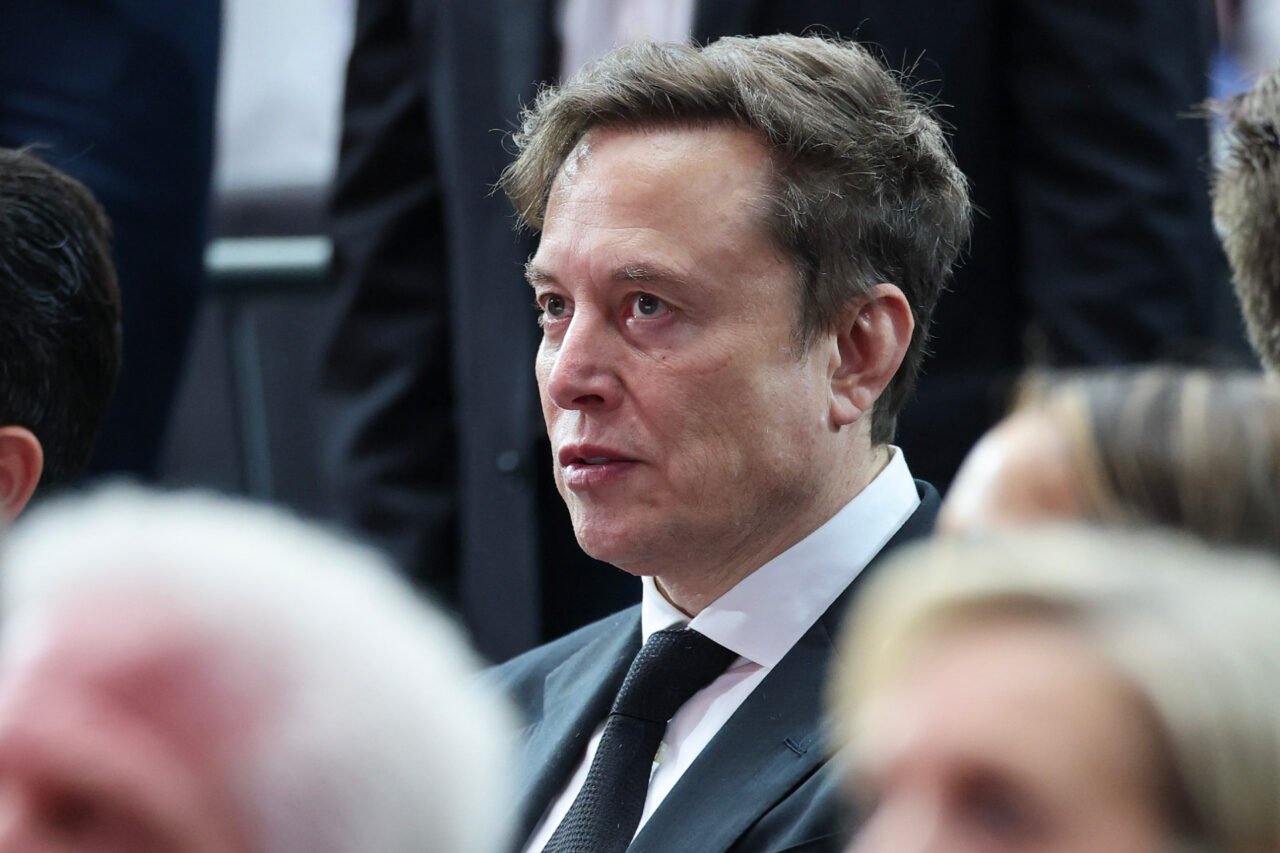
On Monday, a major outage at Amazon Web Services disrupted a large number of websites and apps, including the end-to-end encrypted messenger Signal. In response, X Executive Chairman and Chief Technical Officer Elon Musk declared that he no longer trusts Signal. “I don’t trust Signal anymore,” Musk stated plainly.

Signal President Meredith Whittaker responded to Musk’s post on X, emphasizing the app’s reputation: “Signal is trusted by the security and hacker community, and hundreds of millions of others, BECAUSE they can examine it, and because on examination, it has shown to be robust, private, and secure—for over a decade.”

### Musk’s Promotion of X Chat

In recent months, Musk has been promoting the use of X Chat as a secure, encrypted communication method between users. However, security experts argue that any encrypted messaging app should be open source to be truly trusted with secure communications. After all, how can users be sure what the app is doing if they cannot review the code themselves?

X labels X Chat—intended to eventually replace the traditional direct messaging system—as beta software on their platform. While there were reports in 2018 that X (then known as Twitter) was testing end-to-end encryption, the feature did not receive an official support announcement until 2023. The company has also stated plans to make it easier for users to verify the safety and security of their chat features.

Jack Dorsey, co-founder of X (originally Twitter) and former CEO, was supportive of moving towards end-to-end encryption during his tenure. More recently, Dorsey developed a geographically-focused messaging app called Bitchat over a weekend. Bitchat gained attention during the recent overthrow of the Nepalese government because of its mesh networking features, which allow it to function locally without internet access. An app with similar capabilities, FireChat, was used during the Hong Kong protests as early as 2014.

### Signal Is Not Perfect Either

Of course, Signal itself is not without flaws and has faced criticism over the years. One common concern raised by security researchers was Signal’s reliance on phone numbers, which many viewed as a privacy risk. The app has recently addressed this issue by allowing users to sign up with just a username.

Notably, Whittaker’s comments about Signal’s openness and verifiability faced pushback from multiple developers in the Bitcoin community. Peter Todd, known for contributing to Bitcoin Core and for being suggested as the alleged Bitcoin creator Satoshi Nakamoto in a recent HBO documentary, pointed out that app stores on Android and iOS hinder users’ ability to confirm that the open-source code published by Signal matches the app installed on their devices.

Todd’s work with Bitcoin Core emphasizes reproducible builds, a process that allows end users to verify that the software they run is built from the exact open-source code released to the public. Similarly, Steve Lee, who leads Bitcoin open-source development grant provider Spiral, highlighted an open issue related to reproducible builds for Signal on Android.

Bitcoin purists also criticize Signal for relying on centralized infrastructure, which contributed to the AWS-related downtime experienced recently. This reliance is seen as a drawback compared to decentralized networks like Bitcoin.

### Striking a Balance

Whether discussing Bitcoin or private messaging, there are often trade-offs between achieving perfect privacy and security versus creating a user-friendly app that people will actually use. Signal remains the gold standard for encrypted messaging, but encouraging more competition in this space is beneficial—so long as such alternatives offer privacy that is truly verifiable and trustworthy.
https://gizmodo.com/signal-president-spars-with-elon-musk-over-trust-in-private-messengers-2000674571

Exit mobile version
Sitemap Index