Golden Knights captain Mark Stone considered week-to-week due to wrist injury

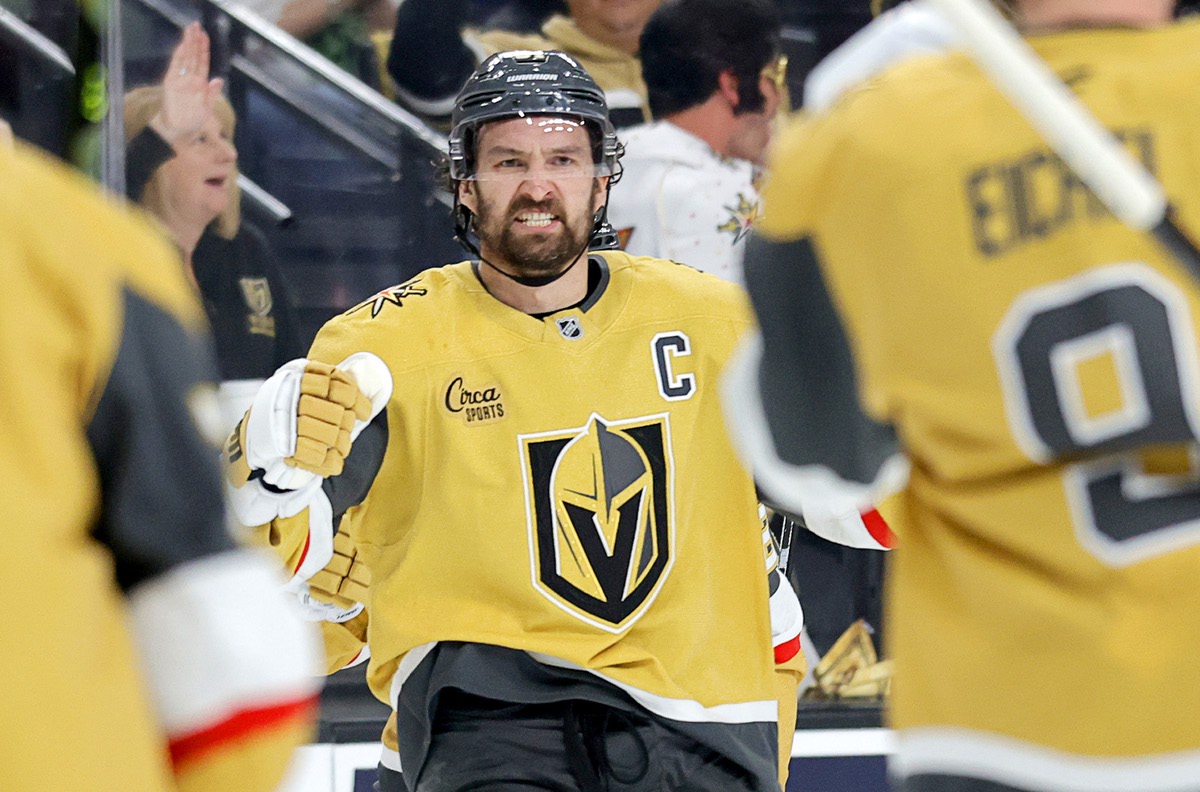
Vegas Golden Knights captain Mark Stone is considered week-to-week with a wrist injury, coach Bruce Cassidy said Monday. Stone was injured in the third period of the Golden Knights’ 6-1 win over Calgary on Saturday.

This season, Stone has accumulated 13 points (two goals, 11 assists), just two points behind teammate and NHL leader Jack Eichel, who leads with 15 points.

“I feel for him,” Cassidy said. “He’s always bounced back well, that’s the good news. When we do get him back, whether that’s short, medium, or long term, we don’t know yet.”

In Stone’s absence, Brandon Saad will move to the top line, joining Eichel and Ivan Barbashev, who will shift to right wing. On the power play, Stone had contributed eight points, helping Vegas rank second in the league.

Mitch Marner will take over Stone’s role at the goal line on the power play, while defenseman Shea Theodore will be promoted to the top unit.

The Knights, currently holding a 4-0-2 record, are preparing for their toughest test of the young season. They will face the undefeated Carolina Hurricanes (5-0-0) at home, despite being short-handed among their forward lines and blue line.

Stone joins forward Brett Howden and defenseman Noah Hanifin on the injured list. Howden, sidelined with a lower-body injury, has resumed skating but will not be available against the Hurricanes. Hanifin remains out with an undisclosed injury and has not resumed skating since Vegas’ 6-5 shootout loss to Los Angeles in the season opener.
http://lasvegassun.com//news/2025/oct/20/golden-knights-captain-mark-stone-considered-week/

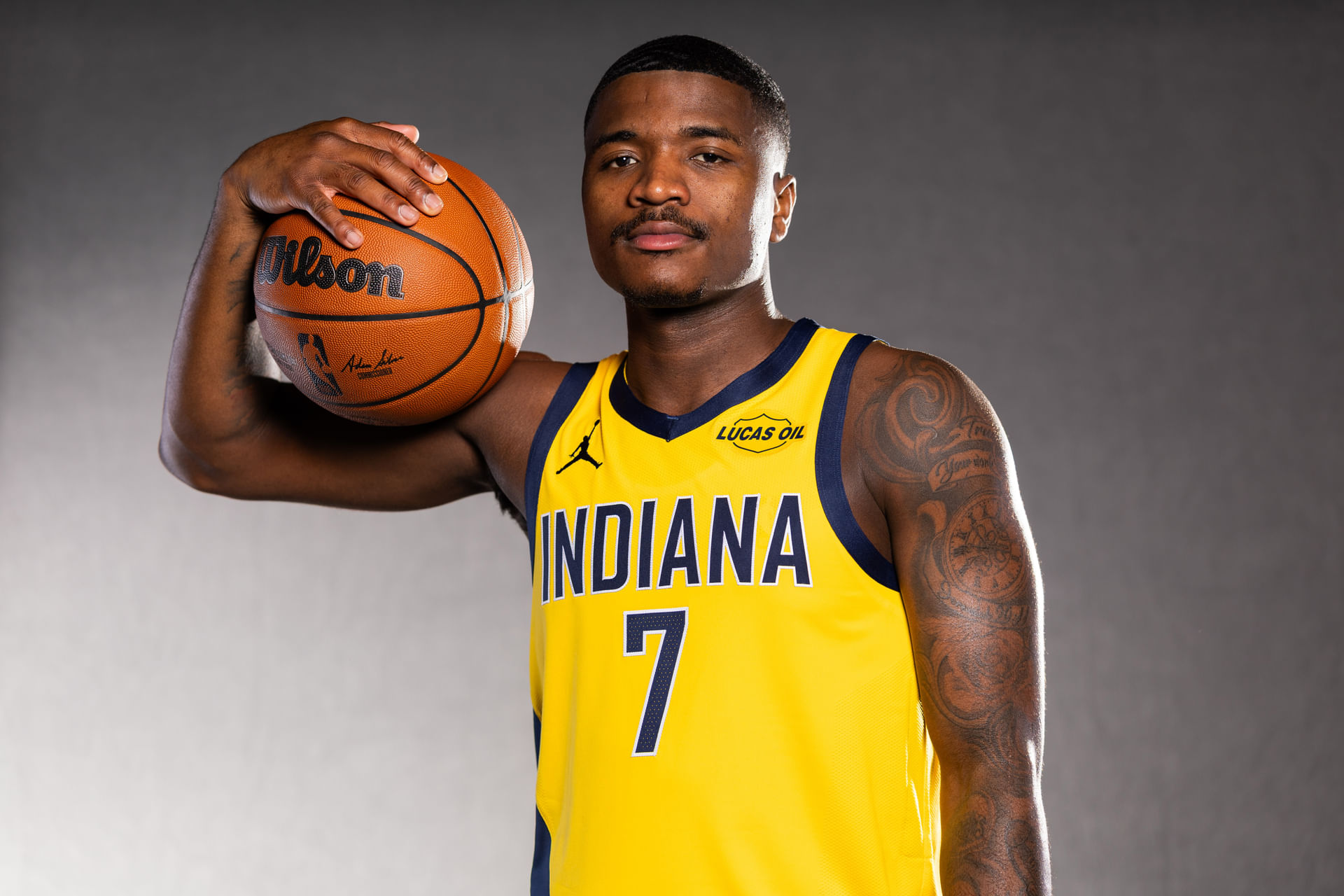
Why was Kam Jones arrested? Pacers rookie’s shocking involvement in police chase explored

Indiana Pacers rookie Kam Jones was arrested on Monday by Indiana State Police following a chase in Indianapolis.

According to reports, Jones was asked to stop on southbound I-65 around 10 a.m. However, the situation escalated, leading to a police pursuit.

Further details regarding the incident and any charges are yet to be released. We will provide updates as more information becomes available.
https://www.sportskeeda.com/basketball/news-why-kam-jones-arrested-pacers-rookie-s-shocking-involvement-police-chase-explored

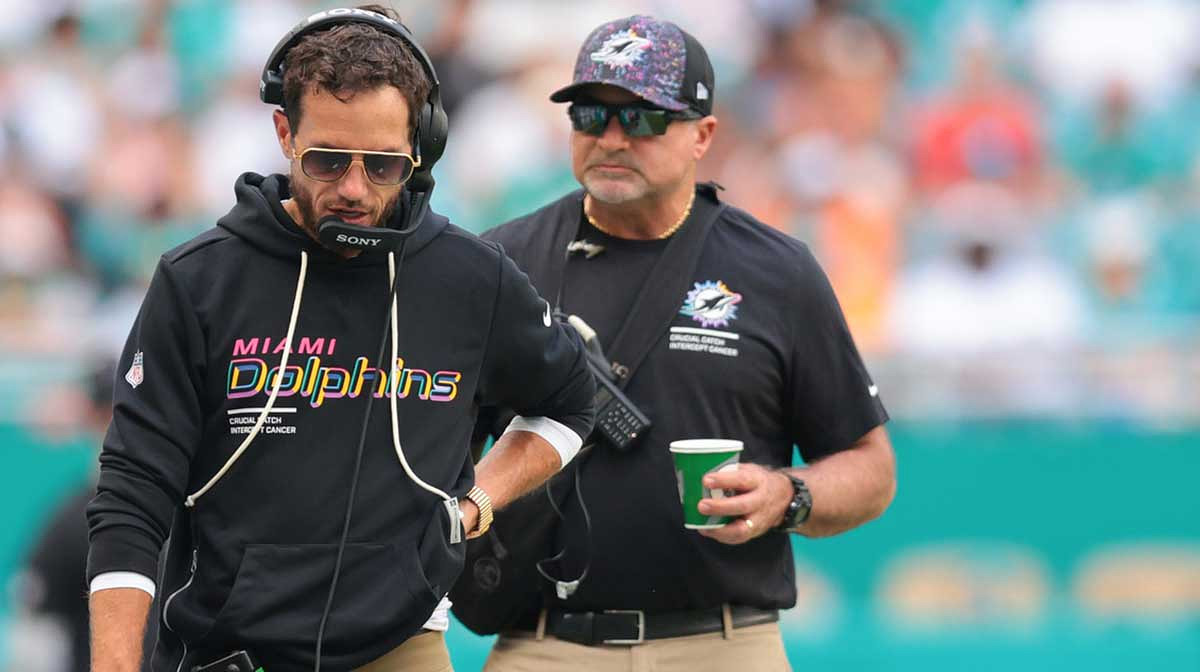
Dolphins’ Mike McDaniel drops another crazy take on effort vs Browns

Somehow, Mike McDaniel is still the Miami Dolphins head coach, and he’s sticking with Tua Tagovailoa at quarterback. Additionally, he’s continuing to say unusual things, recently dropping another surprising take about the team’s effort against the Cleveland Browns, as reported by Marcel Louis-Jacques on X.

“I don’t have an opinion on the two teams in the game, because we didn’t participate in the game, in my opinion,” McDaniel said. While he acknowledged that Miami’s “want to” was there, he criticized their desire to execute the actual assignment or game plan as lacking.

Regardless of these comments, the Dolphins are now trying to regroup and climb out of the mess left behind by a 31-6 thrashing at the hands of the Browns.

### Mike McDaniel Sticking with Tua Tagovailoa

It seems strange that McDaniel hasn’t pulled the plug on Tagovailoa as the starter. At this point, it doesn’t look like the six-year veteran will be able to lead the team to a victory anytime soon. And a win soon may be the only thing that secures McDaniel’s future with the organization.

When asked about Tagovailoa’s status, McDaniel emphasized that his decisions won’t be based on emotion. “It will be tape-driven,” he said. “I will have to take a look at the tape. But before watching the tape, I don’t want to over-conclude anything.”

He added, “I think, when you turn the ball over, you know, it is the number one indicator of wins and losses. And it negatively affects the team. I think there’s multiple factors in those turnovers. I know at least one or two of them were extremely preventable from Tua, and he knows that just wasn’t good enough. We’ll watch the tape and change our style of play if we [have] to.”

### Tagovailoa’s Struggles

Unfortunately for the Dolphins, Tagovailoa currently leads the NFL in a category no quarterback wants to: interceptions. He has thrown 10 interceptions as Miami has stumbled to a disappointing 1-6 record.

Tagovailoa’s poor play is certainly an issue, but McDaniel’s team also didn’t seem prepared to face the Browns, who notched just their second win of the season. When teams show up not ready to play, the responsibility almost always falls on the head coach.

As the season progresses, all eyes will be on McDaniel and Tagovailoa — whether changes are coming and if Miami can turn things around before it’s too late.
https://clutchpoints.com/nfl/miami-dolphins/dolphins-news-mike-mcdaniel-crazy-take-effort-browns

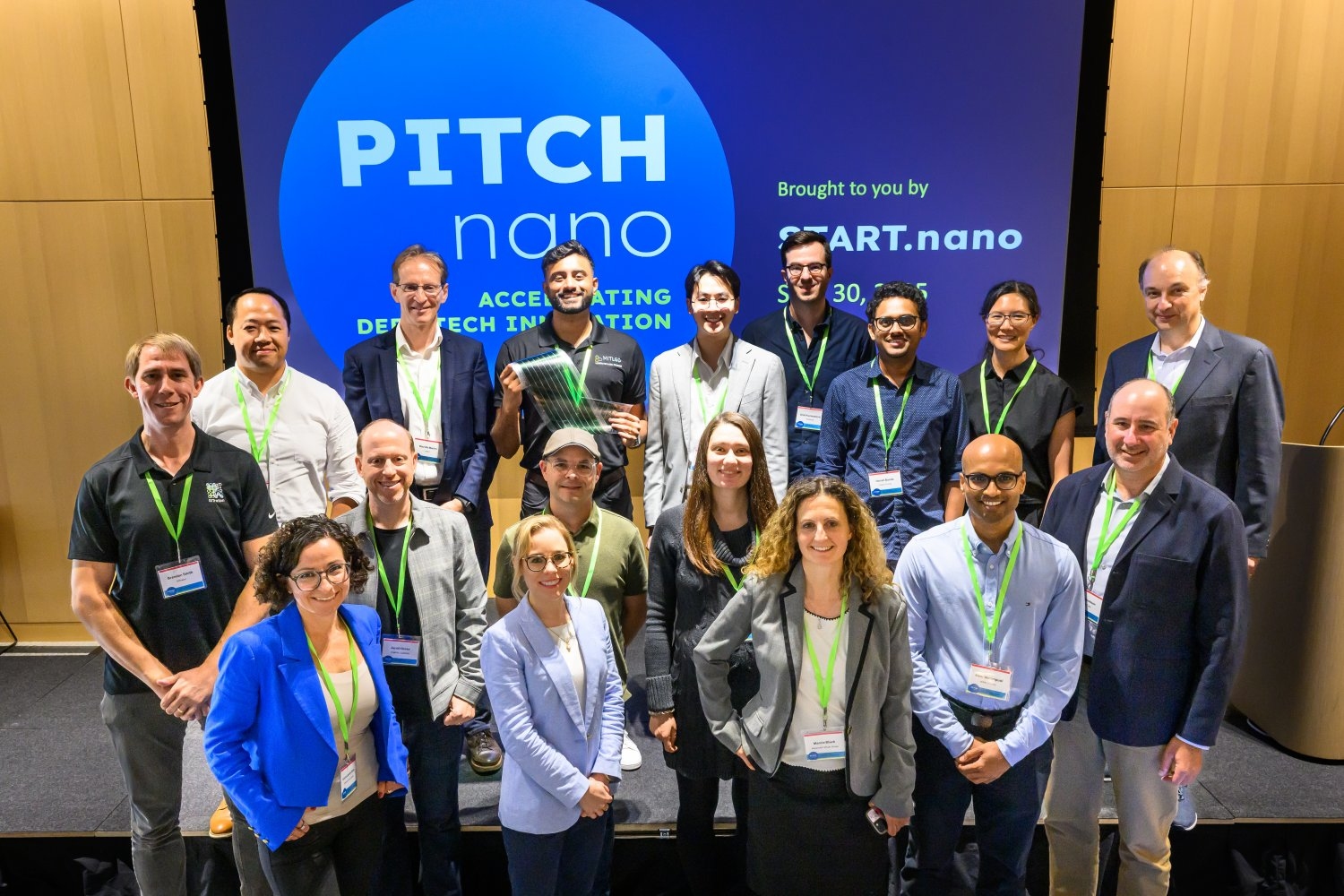
Solar energy startup Active Surfaces wins inaugural PITCH.nano competition

The inaugural PITCH.nano competition, hosted by MIT.nano’s hard technology accelerator START.nano, provided a platform for early-stage startups to present their innovations to MIT and Boston’s hard-tech startup ecosystem.

The grand prize winner was Active Surfaces, a startup generating renewable energy exactly where it is needed through lightweight, flexible solar cells. Active Surfaces aims to reimagine how photovoltaics are deployed in the built environment with its ultralight, peel-and-stick panels. Shiv Bhakta MBA ’24, SM ’24, CEO and co-founder, delivered the winning presentation to an audience of entrepreneurs, investors, startup incubators, and industry partners at PITCH.nano on September 30.

Active Surfaces received the grand prize of 25,000 nanoBucks—equivalent to $25,000—that can be spent at MIT.nano facilities.

“Why has MIT.nano chosen to embrace startup activity as much as we do?” asked Vladimir Bulović, MIT.nano faculty director, at the start of PITCH.nano. “We need to make sure that entrepreneurs can be born out of MIT and can take the next technical ideas developed in the lab out into the market, so they can make the next millions of jobs that the world needs.”

Bulović explained that the journey of a hard-tech entrepreneur takes at least 10 years and $100 million. By linking open tool facilities to startup needs, MIT.nano can make those first few years a little easier, helping more startups reach the scale-up stage.

“Getting VCs [venture capitalists] to invest in hard tech is challenging,” explained Joyce Wu SM ’00, PhD ’07, START.nano program manager. “Through START.nano, we provide discounted access to MIT.nano’s cleanrooms, characterization tools, and laboratories for startups to build their prototypes and attract investment earlier and with reduced spend. Our goal is to support the translation of fundamental research to real-world solutions in hard tech.”

In addition to discounted access to tools, START.nano helps early-stage companies become part of the MIT and Cambridge innovation network.

Inspired by the MIT 100K Competition, PITCH.nano was launched this year as a new opportunity to introduce hard-tech ventures to the investor and industry community. Twelve startups delivered presentations that were evaluated by a panel of four judges—venture capitalists and startup founders themselves.

“It is amazing to see the quality, diversity, and ingenuity of this inspiring group of startups,” said judge Brendan Smith PhD ’18, CEO of SiTration, a company that was part of the inaugural START.nano cohort. “Together, these founders are demonstrating the power of fundamental hard-tech innovation to solve the world’s greatest challenges in a way that is both scalable and profitable.”

The startups presenting at PITCH.nano spanned a wide range of focus areas:

– **Climate, Energy, and Materials:** Addis Energy, Copernic Catalysts, Daqus Energy, VioNano Innovations, Active Surfaces, and Metal Fuels
– **Life Sciences:** Acorn Genetics, Advanced Silicon Group, and BioSens8
– **Quantum and Photonics:** Qunett, nOhm Devices, and Brightlight Photonics

A common thread among these companies is their use of MIT.nano to advance their innovations.

“MIT.nano has been instrumental in compressing our time to market, especially as a company building a novel, physical product,” said Bhakta. “Access to world-class characterization tools normally out of reach for startups lets us validate scale-up much faster. The START.nano community accelerates problem-solving, and the nanoBucks award is directly supporting the development of our next prototypes headed to pilot.”

In addition to the grand prize, a 5,000 nanoBucks audience choice award went to Advanced Silicon Group, a startup developing a next-generation biosensor to improve testing in pharma and health tech.

Now in its fifth year, START.nano has supported 40 companies across diverse market areas including life sciences, clean tech, semiconductors, photonics, quantum, materials, and software. Fourteen START.nano companies have graduated from the program, proving its success in helping early-stage ventures progress from prototype to manufacturing.

“I believe MIT.nano has a fantastic opportunity here,” said judge Davide Marini, PhD ’03, co-founder and CEO of Inkbit, “to create the leading incubator for hard tech entrepreneurs worldwide.”
https://news.mit.edu/2025/active-surfaces-wins-inaugural-pitchnano-competition-1020

Hailey Bieber could hardly sit in her corseted couture at Academy Museum Gala

Hailey Bieber was fully committed to the look at this past weekend’s Academy Museum Gala. Wearing a corseted ensemble from Schiaparelli Couture, she stunned on the blue carpet as paparazzi eagerly snapped her photos.

Once inside the event, however, the glamorous appearance gave way to a more challenging reality. While Bieber looked every inch the picture of high fashion standing upright, sitting down proved to be difficult. The design’s extreme corseting was less than forgiving, causing the model to awkwardly recline once she was seated.

The Rhode founder later shared a collection of photos on Instagram from the evening, including one where she is leaning against the banquette at dinner, clearly unable to sit comfortably at the table while her meal was served.

The dress itself was a masterpiece: crafted from brown silk moiré, it featured a sculpted cone-style bra cup and an eye-catching high slit secured with a crystal fastening. Around her waist, a nude-toned, boned corset sculpted an exaggerated hourglass silhouette, fashioned from the same silk moiré fabric.

This striking look was the closing piece for Schiaparelli’s Spring 2025 Couture show back in January. According to Harper’s Bazaar, it was crafted using vintage ribbons, adding a unique touch to the couture design.

Bieber wasn’t the only celebrity to embrace bold fashion choices at the gala. With stars like Kim Kardashian attending in her Margiela Couture face covering, it was clear that many were willing to push style boundaries in the name of fashion.

Despite the challenges posed by the dress, Bieber shared warmly on Instagram, writing, “Always a beautiful night @academymuseum 🤎.” It was evident that the look didn’t deter her from enjoying a fabulous evening celebrating among Los Angeles’ most stylish stars.
https://pagesix.com/2025/10/20/style/hailey-bieber-couldnt-sit-in-her-corseted-schiaparelli-couture-gown-at-academy-museum-gala/

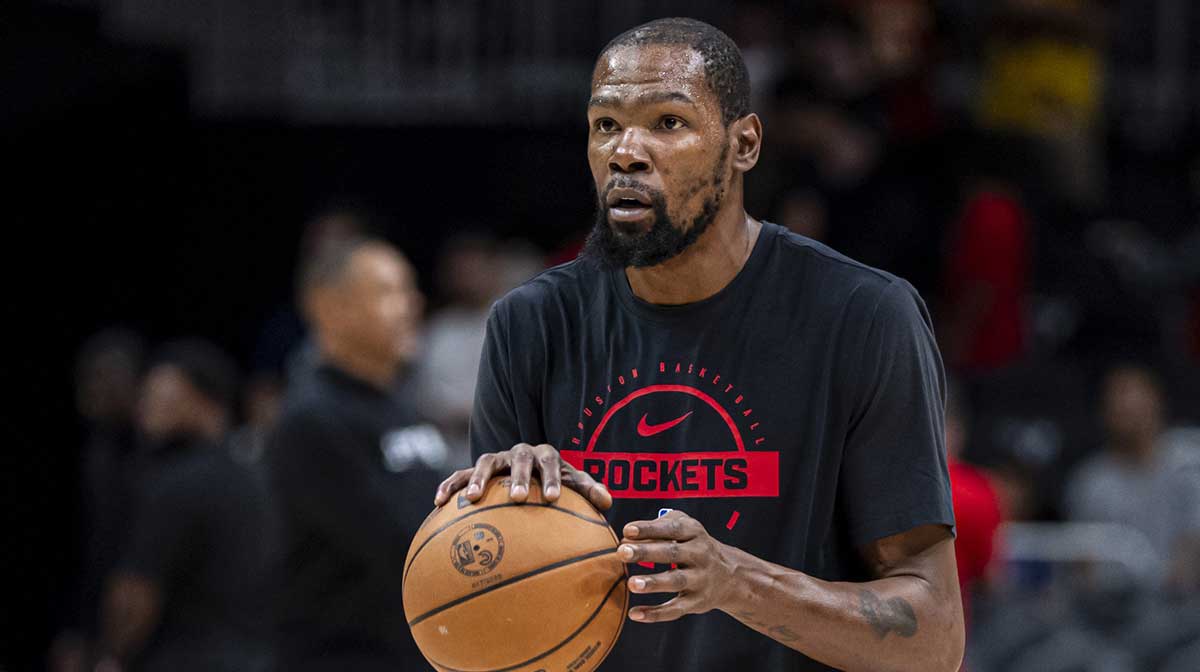
Rockets’ Kevin Durant delivers ‘no-brainer’ admission after signing $90 million extension

Although Kevin Durant remains one of the best scorers in the NBA today, he is nearing the end of his illustrious career. Ergo, the two-year, $90 million contract extension he signed with the Houston Rockets on Sunday could be the last deal he ever agrees to in this league. Such a decision cannot be made lightly.

The two-time Finals MVP is extremely confident in this union, however, identifying Space City as the most optimal path forward.

“I’m excited,” Durant told reporters on Monday, per Adam Wexler of SportsTalk 790. “That was the intent when I came here, was to try to be with this group as long as possible. It was a no-brainer to sign on that line.”

The future Hall of Famer took a discount to stay in Houston for the next few seasons, forgoing a chance to earn up to $120 million in order to give the organization added financial flexibility. The Rockets can now turn their attention to locking up versatile forward Tari Eason before Monday’s 6 p.m. ET deadline to sign players to rookie-scale extensions. Franchise pillar and All-Defensive First-Team selection Amen Thompson will be eligible for a new deal next summer.

Durant is willing to make this sacrifice because he, like many others, firmly believes this franchise can contend for a championship during the 2025-26 campaign. The 37-year-old can do his part to help that blueprint come to fruition—free from answering questions about money.

### Durant Is All In on the Rockets

“Just talking to [general manager Rafael Stone and head coach Ime Udoka], and how they wanted to build the team and how I see myself in this organization, I just thought it was a perfect contract for us,” Durant said. “I’m glad we can get that out of the way. We won’t have to worry about external noise throughout the season if I didn’t have a contract signed. So, we can just worry about basketball and focus on the season.”

Following the devastating Fred VanVleet injury, Kevin Durant is even more valuable to Houston. Besides the high-level offense he is expected to provide—26.6 points while shooting 52.7 percent from the field and 43.0 percent from behind the 3-point line last season—the six-time All-NBA First-Teamer brings loads of experience to a roster that still features plenty of young players.

Durant is not often heralded as a vocal leader, but he has a ton of hoops-based wisdom to offer. Houston will try to glean as much as it can from him over the next three years (including a $43 million player option for 2027-28). All the on-court contributions will definitely be of use as well.
https://clutchpoints.com/nba/houston-rockets/rockets-news-kevin-durant-no-brainer-admission-90-million-extension

October 20 In Labor History: Asbestos? More Like As-WORST-us.

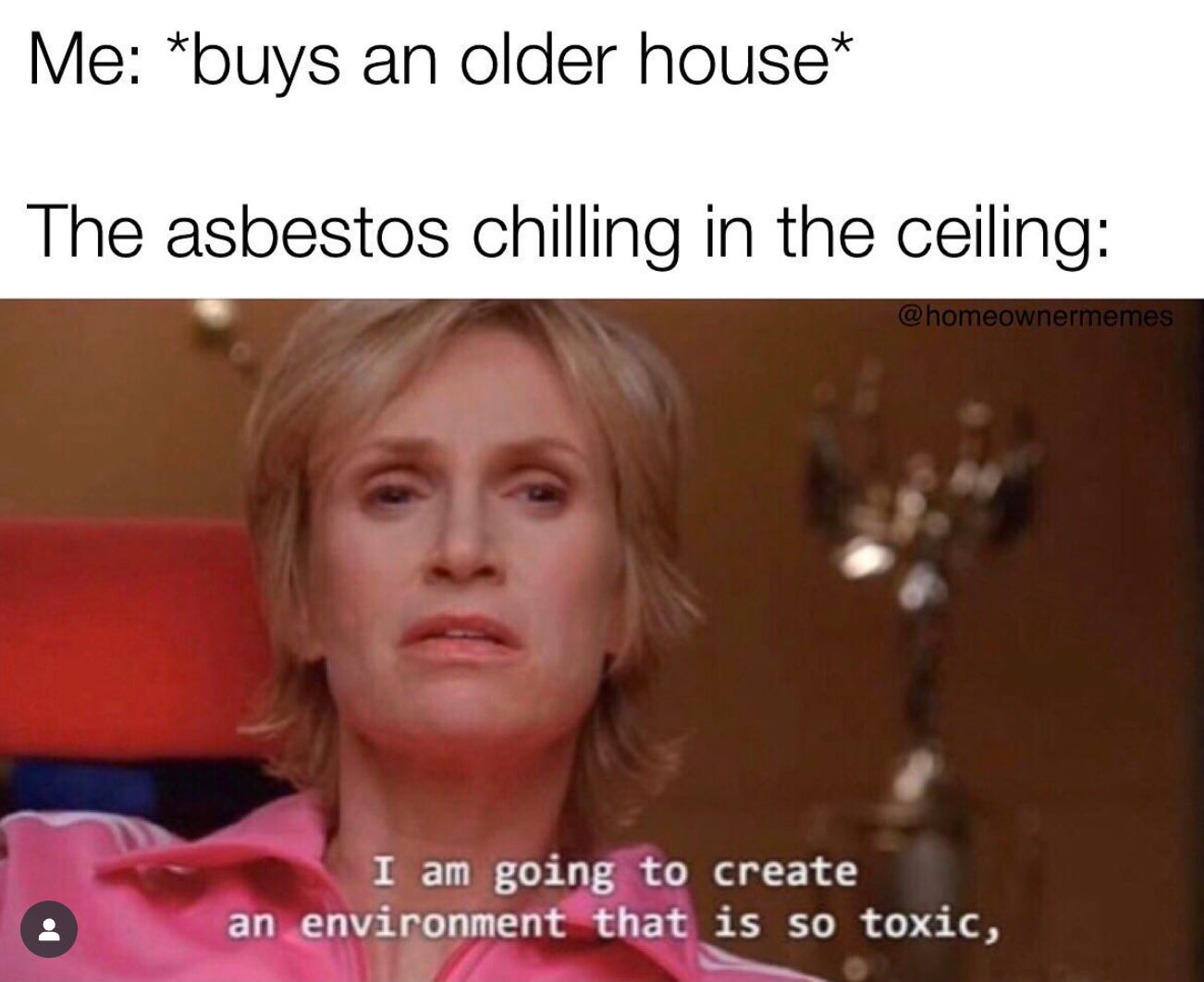
On October 20, 1969, a construction worker named Clarence Borel filed suit against 11 companies for asbestos exposure. This key moment in the movement against asbestos reveals the dangers workers faced on the job, the decades-long coverup by companies, and how workers finally began to win compensation.

By the late 19th century, asbestos had become common in American construction. Johns Manville, founded in 1858, soon became the largest asbestos producer in the country. In fact, the company’s founder, H. W. Johns, died in 1898 due to asbestos exposure—though he was unaware of the risks at the time. The company pioneered asbestos-based roofing, insulation, and cement products.

The dangers of asbestos were not unknown. Even the ancient Romans realized asbestos caused illness. Pliny wrote that slaves working with asbestos seemed to die, and proto-masks made from animal bladders were used to protect themselves. Despite this, early warnings were largely ignored as the modern asbestos industry developed.

In 1897, a physician in Vienna wrote the first modern report on the health problems faced by asbestos workers. Awareness of these issues grew in the following decades. Nevertheless, workplaces remained unsafe for a long time. Even with the rise of successful unions in the mid-twentieth century, many workplaces remained hazardous. While unions fought for more obvious safety issues, pollutants such as asbestos were not a major priority, resulting in many workers dying from mesothelioma and other asbestos-related diseases.

Change began in the early 1960s, at least for asbestos workers. When physicians asked a company to share medical records after discovering a cluster of asbestos-related illnesses among its workforce, the company refused. The doctors then contacted the International Association of Heat and Frost Insulators and Asbestos Workers, which gladly assisted them.

Though unions generally supported improved workplace safety, they did not fully understand the hazards involved. Their help allowed the doctors to publish a landmark 1965 study strongly affirming the link between asbestos exposure and construction work. The union’s records for death benefits enabled a longer-term study, despite most workers already being deceased.

The racial demographics of asbestos deaths during the peak asbestos use era are striking due to the segregation of construction labor. Between 1990 and 1999, nearly 11,000 Americans died from asbestos-related causes, many exposed decades earlier. An overwhelming 96% of these deaths were men, 93% were white, and 98% were over the age of 55.

By 1998, asbestos-related illness had surpassed black lung disease as the leading cause of workplace deaths related to lung conditions.

Workers had attempted to seek compensation for asbestos-related illnesses for decades. In 1927, a foreman filed the first known suit for damages and won a disability claim in Massachusetts. Lawsuits against Johns Manville began in 1929, and by 1933, the company settled claims from 11 workers in New Jersey.

However, by 1949, facing continued lawsuits, the company opted to withhold information about health risks from workers, covering up the dangers.

In 1969, Clarence Borel, who had worked in construction since 1936, discovered he had contracted asbestosis. His case became pivotal in the fight against asbestos exposure. This occurred alongside the rise of the modern workplace safety movement, which led to the creation of the Occupational Safety and Health Administration (OSHA) in 1971 and spurred increased union focus on such issues.

Borel testified about the pervasive dust in his work environment:

> “You just move them just a little and there is going to be dust, and I blew this dust out of my nostrils by handfuls at the end of the day, trying to use water too, I even used Mentholatum in my nostrils to keep some of the dust from going down my throat, but it is impossible to get rid of all of it. Even your clothes just stay dusty continually unless you blow it off with an air hose.”

He admitted he suspected the work was dangerous, as were many jobs in the mid-twentieth century. Access to respirators came late and was limited; these were often hot and uncomfortable. Many workers pointed out that the burden of safety rested entirely on them, with companies failing to control airborne asbestos.

Interestingly, union safety attempts sometimes caused complaints among workers. Cultures of work often included risk and discomfort as accepted elements.

Borel filed suit against 11 companies. The jury found 10 guilty of negligence but also found Borel partly responsible. The companies appealed, denying responsibility and questioning how Borel got sick. Borel countered that none of the companies took safety seriously—none warned workers about risks or conducted tests to determine safe exposure levels.

At this point, some companies began settling with Borel to limit their losses. Others fought on, prolonging the case through appeals.

Then, in 1974, the discovery of the so-called “Asbestos Papers” during an inspection of an asbestos factory in Connecticut dramatically altered the legal landscape. These documents definitively showed that companies knew what asbestos did to workers’ lungs and had conspired for decades to cover it up.

This revelation led to many workers, including Borel, routinely winning their court cases. Johns Manville filed for bankruptcy in 1982 to protect itself from lawsuits totaling $2 billion.

Companies pooled funds to pay claims, but the industry was overwhelmed. Claims continue today, as evidenced by the many television ads encouraging people exposed to asbestos to join class-action suits.

While proving such claims can be difficult, and courts often less sympathetic due to the rise of conservative judicial appointments, asbestos exposure at workplaces has declined sharply in recent decades. However, the toll of decades-long exposure continues to affect working-class families.

**Further Reading:**

– Dorceta Taylor, *The Environment and the People in American Cities, 1600s-1900s*
– Carl F. Cranor, *Regulating Toxic Substances: A Philosophy of Science and the Law*
– Michael Bowker, *Fatal Deception: The Terrifying True Story of How Asbestos is Killing America*
– Jeb Barnes, *Dust-Up: Asbestos Litigation and the Failure of Commonsense Policy Reform*
https://www.wonkette.com/p/october-20-in-labor-history-asbestos

U.S Health and Fitness App Market Trends and Strategic Analysis 2025–2035

Prophecy Market Insights has released its latest research report on the U.S. Health and Fitness App Market, offering an in-depth study of the market dynamics, growth drivers, opportunities, challenges, and competitive landscape shaping the industry’s future. The report provides detailed segmentation across various categories, comprehensive profiles of leading companies, and revenue projections through 2035.

Designed as an essential tool for business leaders, investors, startups, and policymakers, this report delivers actionable insights to help stakeholders make informed decisions, identify emerging growth opportunities, and maintain a competitive edge in a rapidly evolving marketplace.

### Competitive Landscape

The competitive environment of the U.S. Health and Fitness App Market is highly dynamic. Companies are focusing on innovation, expansion, and collaborations to strengthen their market presence. Key players in this market include:

– Adidas Inc.
– FITBIT INC.
– Appster
– Nike
– MYFITNESSPAL INC.
– Under Armour Inc.
– APPINVENTIV
– FitnessKeeper

These organizations are investing in product launches, mergers & acquisitions, strategic alliances, and geographical expansions. Moreover, startups are entering the space with niche innovations, further increasing market competitiveness.

### U.S. Health and Fitness App Market Overview

The U.S. Health and Fitness App Market is expected to witness significant growth during the forecast period. This growth is driven by rising demand across various applications, technological innovations, and supportive government regulations.

Market participants are investing heavily in research and development (R&D) to expand their product portfolios and strengthen their market positions. Additionally, collaborations, mergers, and acquisitions are reshaping the landscape, enabling companies to enter new regions and industries.

The growing adoption of advanced technologies, coupled with expanding consumer awareness and ongoing digitalization in the industry, underscores the strategic importance of this market in the coming decade.

### U.S. Health and Fitness App Market Dynamics

#### Key Drivers

– **Rapid Adoption of Innovation:** Increasing use of cutting-edge technologies across industries is fueling demand.
– **Supportive Regulatory Frameworks:** Governments are promoting innovation through favorable policies and investments, enhancing market attractiveness.
– **Rising Application Demand:** Industries such as healthcare, automotive, and manufacturing are adopting health and fitness app solutions to improve efficiency and productivity.

#### Restraints

– **High Initial Investment:** Capital-intensive setups may hinder smaller enterprises from entering the market.
– **Data Privacy and Security Concerns:** Increasing reliance on digital technologies raises regulatory and compliance challenges.

#### Opportunities

– **Emerging Applications in Developing Economies:** Expanding industrial and consumer bases in Asia-Pacific and Latin America present significant growth potential.
– **Integration of AI, IoT, and Next-Gen Technologies:** New technological capabilities are enabling faster innovation cycles.
– **Strategic Partnerships and M&A:** Collaborations open new growth avenues and competitive advantages.

### U.S. Health and Fitness App Market Segmentation

To provide granular insights, the market is categorized into several segments:

– **By Type:** Diet and Nutrition, Exercise and Weight Loss, Medication Adherence & Activity Tracking
– **By Device:** Tablets, Smartphones, Wearable Devices
– **By Platform:** Android, iOS, Others

This segmentation enables stakeholders to identify high-growth areas and tailor their strategies accordingly.

### Strategic Insights

– **R&D Focus:** Leading players prioritize innovation to enhance app functionality and reduce costs.
– **Partnerships & Alliances:** Collaborations between corporations and local enterprises drive market expansion.
– **Startups & Disruption:** Smaller firms are introducing cutting-edge technologies, disrupting traditional business models.

### Report Importance

This report offers comprehensive insights into the U.S. Health and Fitness App Market, making it a valuable resource for:

– Investors seeking high-potential opportunities.
– Businesses and startups aiming to expand operations and identify niche markets.
– Industry professionals monitoring future market drivers.
– Policymakers and analysts evaluating regulatory frameworks and regional impacts.

By analyzing market dynamics, opportunities, and competitive strategies, this report acts as a roadmap for business growth and investment planning.

### Why Buy This Report?

– **Comprehensive Market Analysis:** Covers trends, drivers, restraints, and opportunities with forecasts up to 2035.
– **Reliable Data:** Backed by robust primary and secondary research methodologies.
– **Detailed Competitive Landscape:** Profiles of leading market players and their strategies.
– **Support for Business Growth:** Helps organizations identify profitable avenues and expand market share.
– **Customization Available:** Tailored research per specific project or business requirements.

### Conclusion

The U.S. Health and Fitness App Market is projected to grow significantly over the next decade, driven by rising demand, technological integration, and emerging opportunities in developing regions. Companies that invest strategically and adopt innovative approaches will gain a competitive advantage.

This report provides the insights, forecasts, and strategies required for businesses to succeed in a fast-evolving global market. Stakeholders can leverage this comprehensive resource to ensure sustainable growth and long-term success.

**Author:**
Authored by Shweta R., Business Development Specialist at Prophecy Market Insights. This analysis is based on a combination of primary and secondary research, providing strategic insights into the evolving dynamics of the global U.S. Health and Fitness App Market.

**Request a free sample or PDF brochure of the research report to gain detailed insights and data.**
https://www.prnewsreleaser.com/news/115762

Is it better to buy an annuity when interest rates are high or low?

Last month, the Federal Reserve finally conducted its first rate cut of 2025, dropping its benchmark rate by 25 basis points after months of anticipation. This move marked the start of what many experts and analysts expect will be a gradual pivot toward lower borrowing costs, with at least two more rate cuts anticipated before the end of the year.

For retirees and near-retirees, that shift has sparked renewed questions about how today’s changing rate environment could affect long-term financial decisions. As a result, annuities, in particular, are drawing attention again.

### What Are Annuities?

These insurance-backed retirement products convert savings into guaranteed income for life, much like a pension, providing retirees with a sense of stability that’s hard to find elsewhere. But because annuity payouts are influenced by prevailing interest rates, the timing of your purchase can have a major impact on the income you’ll ultimately receive.

With rates still relatively high, many savers are wondering whether now is the best time to lock in an annuity, or if waiting for the Fed’s next move could be the smarter play. Knowing how interest rates shape annuity performance can help you decide how to secure the most reliable income for your retirement years.

### How Do Interest Rates Affect Annuities?

Is it better to buy an annuity when interest rates are high or low? All else equal, high-rate periods favor buyers of fixed annuities, such as:

– Immediate annuities (SPIAs)
– Deferred income annuities (DIAs)
– Multi-year guaranteed annuities (MYGAs)

In other words, it’s typically better to buy an annuity when interest rates are high. Here’s why:

When you purchase an immediate annuity or lock in a fixed annuity rate, insurance companies are essentially promising to pay you a steady stream of income, generally for the rest of your life.

Behind the scenes, though, they’re investing your premium in conservative investments like bonds. The higher the prevailing interest rates when you buy, the more income those investments can generate—and therefore, the more generous the payout the insurer can offer you.

Think of it this way: If an insurance company can invest your money and earn 5% versus 2%, they can afford to pay you significantly more each month while still covering their costs and profit margin.

During the low-rate environment that persisted through much of 2020, annuity payouts were disappointing overall due to low rates. Fast forward to today’s higher-rate environment, and a 65-year-old buying a $100,000 annuity could potentially receive about $650 or more monthly.

### Timing Is Key—But Don’t Wait Forever

There’s a catch, though. You can’t just wait forever for interest rates to hit some magical peak. Rates are cyclical, and trying to time the absolute top is like trying to time the stock market—it’s nearly impossible.

If you wait too long, rates might drop again, and you’ll have missed your window. Plus, there’s a personal timing element to consider. The older you are when you purchase an annuity, the higher your payout will be since the insurance company expects to pay you for fewer years.

Waiting too long, however, could mean potentially running down your savings in the meantime.

### Why Annuities Deserve a Spot in Your Retirement Plan

Beyond just the interest rate question, annuities solve a fundamental retirement challenge that’s only getting harder: longevity risk. Humans are living longer overall, which means your retirement savings may need to last 25, 30, or even 35 years or more.

That’s a long time to worry about whether your retirement portfolio will hold up through market swings, periods of inflation, and other unexpected events or expenses.

This is where annuities tend to shine. Unlike bonds or dividend stocks, an income annuity provides payments you literally cannot outlive. That certainty lets you budget with confidence, knowing exactly what’s coming in each month regardless of what the market does.

You can plan vacations, help your grandkids with college, or simply have more peace of mind knowing your essential expenses are covered.

Annuities can also complement your other retirement income sources. Social Security provides one guaranteed income floor, and an annuity can add another layer.

This combination creates a reliable baseline that covers your must-have expenses, like housing, food, healthcare, and utilities, while your other investments can be managed for growth, emergency funds, or legacy goals.

Ultimately, a solid retirement plan is about creating a diversified income strategy—not putting everything into one basket.

### The Bottom Line

Higher interest rates create a more favorable environment for buying annuities, offering better payouts that can significantly boost your retirement income. But the perfect time to buy an annuity is less important than making sure it fits your overall retirement strategy and that you’re buying when rates are reasonably attractive.

If we’re in a higher-rate environment now compared to the past several years, that’s generally a green light worth considering.

Just remember, the best time to secure guaranteed lifetime income is when you actually need that security, not some theoretical future moment when rates might be marginally better.

**Compare your annuity options and lock in a great rate today to help ensure the income you need during retirement.**
https://www.cbsnews.com/news/is-it-better-to-buy-an-annuity-when-interest-rates-are-high-or-low/

8 Top Hair Gel Wands for Sleek, Frizz-Free Slick-Back Styles

As the weather gets colder and the wind grows harsher, we all have to deal with a few seasonal challenges. Our skin and lips become drier, our clothes get heavier, and, of course, our hair tends to get messier.

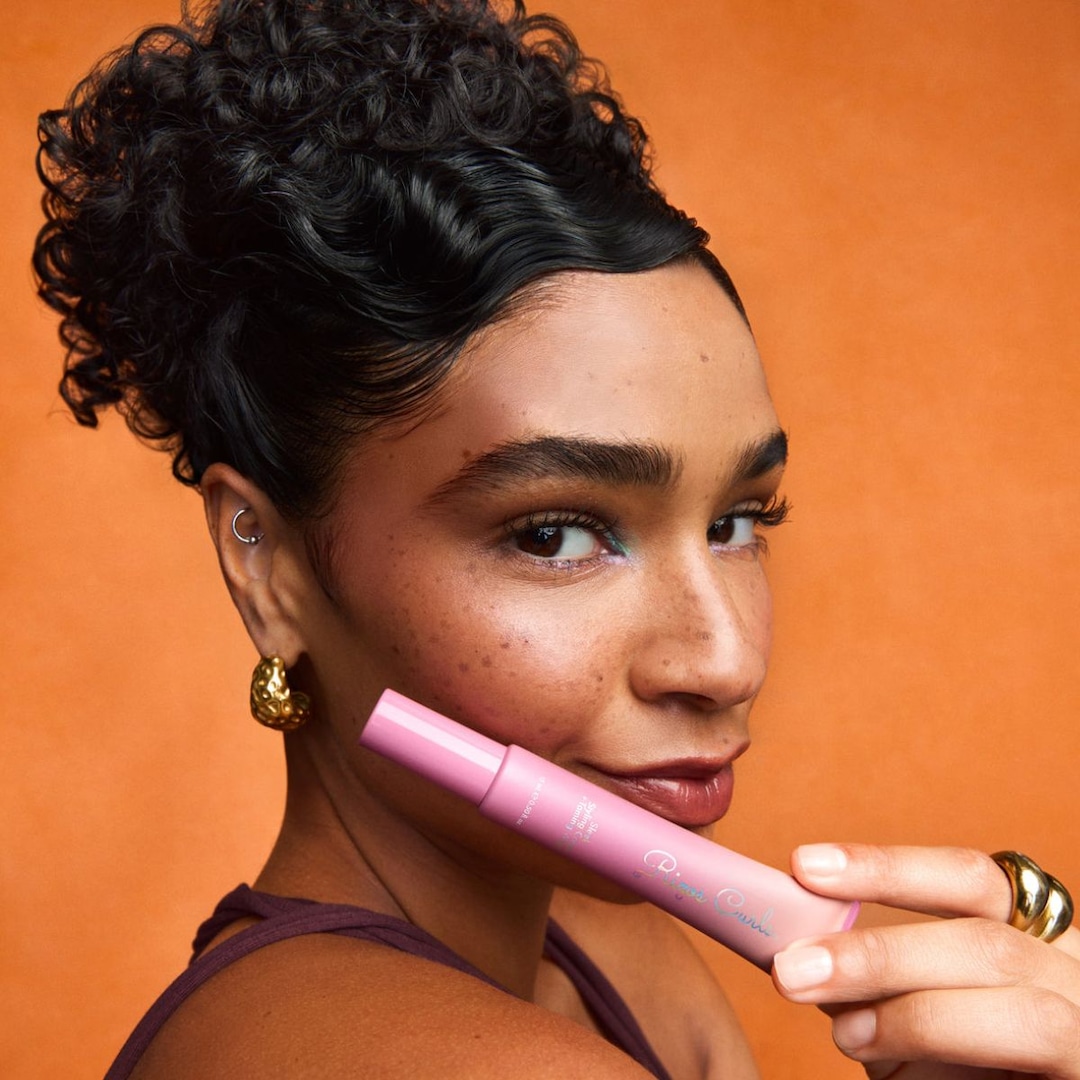
Sleek, slicked-back hairstyles have been trending for a while now, and we’ve seen an increasing number of brands introduce their own versions of the hair wand. Not to be confused with curling wands, these are styling and finishing products—gels, creams, or serums—that come with a handy built-in applicator brush. Think of the applicator like a mascara or brow wand, all packaged in adorable, purse-sized containers.

These hair wands are the perfect on-the-go tool for achieving a polished look. They’re especially great for touching up frizz, flyaways, and baby hairs around your hairline whenever you’re out and about.

With so many hair wands on the market, it can be intimidating to choose the right one, especially since they all tend to look quite similar. That’s why we’ve broken down the options by hold, formulation, scent, and—of course—customer ratings.

Keep scrolling to discover which hair wand will work best for you!
https://www.eonline.com/news/1424022/8-best-hair-gel-wands-for-sleek-hair-slick-back-buns-ponytails?cmpid=rss-syndicate-genericrss-us-top_stories

Exit mobile version
Sitemap Index