Is it better to buy an annuity when interest rates are high or low?

Last month, the Federal Reserve finally conducted its first rate cut of 2025, dropping its benchmark rate by 25 basis points after months of anticipation. This move marked the start of what many experts and analysts expect will be a gradual pivot toward lower borrowing costs, with at least two more rate cuts anticipated before the end of the year.

For retirees and near-retirees, that shift has sparked renewed questions about how today’s changing rate environment could affect long-term financial decisions. As a result, annuities, in particular, are drawing attention again.

### What Are Annuities?

These insurance-backed retirement products convert savings into guaranteed income for life, much like a pension, providing retirees with a sense of stability that’s hard to find elsewhere. But because annuity payouts are influenced by prevailing interest rates, the timing of your purchase can have a major impact on the income you’ll ultimately receive.

With rates still relatively high, many savers are wondering whether now is the best time to lock in an annuity, or if waiting for the Fed’s next move could be the smarter play. Knowing how interest rates shape annuity performance can help you decide how to secure the most reliable income for your retirement years.

### How Do Interest Rates Affect Annuities?

Is it better to buy an annuity when interest rates are high or low? All else equal, high-rate periods favor buyers of fixed annuities, such as:

– Immediate annuities (SPIAs)
– Deferred income annuities (DIAs)
– Multi-year guaranteed annuities (MYGAs)

In other words, it’s typically better to buy an annuity when interest rates are high. Here’s why:

When you purchase an immediate annuity or lock in a fixed annuity rate, insurance companies are essentially promising to pay you a steady stream of income, generally for the rest of your life.

Behind the scenes, though, they’re investing your premium in conservative investments like bonds. The higher the prevailing interest rates when you buy, the more income those investments can generate—and therefore, the more generous the payout the insurer can offer you.

Think of it this way: If an insurance company can invest your money and earn 5% versus 2%, they can afford to pay you significantly more each month while still covering their costs and profit margin.

During the low-rate environment that persisted through much of 2020, annuity payouts were disappointing overall due to low rates. Fast forward to today’s higher-rate environment, and a 65-year-old buying a $100,000 annuity could potentially receive about $650 or more monthly.

### Timing Is Key—But Don’t Wait Forever

There’s a catch, though. You can’t just wait forever for interest rates to hit some magical peak. Rates are cyclical, and trying to time the absolute top is like trying to time the stock market—it’s nearly impossible.

If you wait too long, rates might drop again, and you’ll have missed your window. Plus, there’s a personal timing element to consider. The older you are when you purchase an annuity, the higher your payout will be since the insurance company expects to pay you for fewer years.

Waiting too long, however, could mean potentially running down your savings in the meantime.

### Why Annuities Deserve a Spot in Your Retirement Plan

Beyond just the interest rate question, annuities solve a fundamental retirement challenge that’s only getting harder: longevity risk. Humans are living longer overall, which means your retirement savings may need to last 25, 30, or even 35 years or more.

That’s a long time to worry about whether your retirement portfolio will hold up through market swings, periods of inflation, and other unexpected events or expenses.

This is where annuities tend to shine. Unlike bonds or dividend stocks, an income annuity provides payments you literally cannot outlive. That certainty lets you budget with confidence, knowing exactly what’s coming in each month regardless of what the market does.

You can plan vacations, help your grandkids with college, or simply have more peace of mind knowing your essential expenses are covered.

Annuities can also complement your other retirement income sources. Social Security provides one guaranteed income floor, and an annuity can add another layer.

This combination creates a reliable baseline that covers your must-have expenses, like housing, food, healthcare, and utilities, while your other investments can be managed for growth, emergency funds, or legacy goals.

Ultimately, a solid retirement plan is about creating a diversified income strategy—not putting everything into one basket.

### The Bottom Line

Higher interest rates create a more favorable environment for buying annuities, offering better payouts that can significantly boost your retirement income. But the perfect time to buy an annuity is less important than making sure it fits your overall retirement strategy and that you’re buying when rates are reasonably attractive.

If we’re in a higher-rate environment now compared to the past several years, that’s generally a green light worth considering.

Just remember, the best time to secure guaranteed lifetime income is when you actually need that security, not some theoretical future moment when rates might be marginally better.

**Compare your annuity options and lock in a great rate today to help ensure the income you need during retirement.**
https://www.cbsnews.com/news/is-it-better-to-buy-an-annuity-when-interest-rates-are-high-or-low/


MNF Seahawks vs. Texans Week 7 Fantasy Football Start ‘Em Sit ‘Em picks ft. Nico Collins, Nick Chubb, Jaxon Smith-Njigba

Seahawks vs Texans Monday Night Football: Week 7 Fantasy Football Start ‘Em & Sit ‘Em Picks

Week 7 of the 2025 fantasy football season concludes with an exciting Monday Night Football showdown between the Seattle Seahawks and Houston Texans. Both teams feature solid defenses, which could significantly impact the outlooks of many players in this game. Here is a breakdown of the best players to target and fade to wrap up this week’s slate.

Must-Start Fantasy Picks

Jaxon Smith-Njigba (WR, Seattle Seahawks)

The Seattle Seahawks appear to have found a superstar wide receiver in Jaxon Smith-Njigba. After finishing as the WR48 in his rookie season, he took a massive step forward to finish as the WR10 last year. In 2025, he has been even better, currently ranking as the WR4 so far this season.

Smith-Njigba is averaging seven receptions per game and has exceeded 100 receiving yards in four of his six games. Despite facing a tough Houston Texans defense, he has proven to be one of the most reliable fantasy football stars and is a must-start in all formats.

Nico Collins (WR, Houston Texans)

Nico Collins is another wide receiver that must be started this week, even against an elite Seahawks defense. While he has been somewhat disappointing this year, ranking as the WR35 overall, he remains the featured passing target in the Texans’ offense.

With Christian Kirk ruled out for the game, Collins is expected to see an increased workload, making him a solid pick against Seattle.

Must-Start Summary:

  • Jaxon Smith-Njigba (SEA, WR)
  • Nico Collins (HOU, WR)

DFS Picks

  • Sam Darnold
  • Woody Marks
  • AJ Barner

Must-Sit Fantasy Picks

Nick Chubb (RB, Houston Texans)

The Texans have been utilizing Nick Chubb as their starting running back while Joe Mixon is out with an injury. Chubb has performed decently, ranking as the RB37, but his ceiling has been limited with only one weekly finish better than RB20.

Chubb has played in just over 50% of snaps, as rookie Woody Marks continues to see his role expand. Coming off the Texans’ bye week, the team may look to get Marks more involved in the gameplan. This, combined with Chubb’s limited upside, makes him a player to avoid against the Seahawks.

Other must-sit players for this week include Cooper Kupp, Xavier Hutchinson, Jaylin Noel, and Tory Horton.

Must-Sit Summary:

  • Nick Chubb (HOU, RB)
  • Cooper Kupp (WR)
  • Xavier Hutchinson (WR)
  • Jaylin Noel (WR)
  • Tory Horton (WR)

DFS Fades

  • C.J. Stroud
  • Kenneth Walker III
  • Zach Charbonnet
  • Dalton Schultz

Make sure to keep these insights in mind as you finalize your fantasy lineups for Monday Night Football in Week 7. Best of luck!

https://www.sportskeeda.com/nfl/mnf-seahawks-vs-texans-week-7-fantasy-football-start-em-sit-em-picks-ft-nico-collins-nick-chubb-jaxon-smith-njigba

Filming at the Speed of Light, About One Foot per Nanosecond

Brian Haidet recently showcased an incredible experiment on his AlphaPhoenix channel: a laser beam recorded at an astonishing 2 billion frames per second. Well, sort of. The trick? The video itself is only one pixel by one pixel. However, by repeating this tiny video over and over, Brian is able to build up a full rendering that reveals fascinating details about the laser’s motion.

For this project, Brian went back to the drawing board and completely rebuilt his entire apparatus from scratch. Just a few months earlier, in December of last year, he had already created a video camera capable of recording at 1,000,000,000 frames per second. To reach the new milestone of 2,000,000,000 frames per second — and achieve significantly improved resolution — Brian upgraded virtually every component. This included the motors, hardware, oscilloscope, signaling system, recording software, and processing software. Essentially, everything was revamped to push the boundaries of ultra-high-speed imaging.

One of the coolest effects produced by this new setup is how the laser light appears to travel noticeably faster when moving toward the camera than when moving away from it. This is actually an artifact of the experimental setup: laser beams reflecting off fog particles closer to the camera arrive sooner than those bouncing back from particles that are further away.

In other words, what you’re seeing is a real-world visualization of special relativity, all happening in Brian’s garage. It’s an impressive feat and a delightful demonstration of both physics and engineering coming together in a stunning way. Pretty cool!
https://hackaday.com/2025/10/19/filming-at-the-speed-of-light-about-one-foot-per-nanosecond/

Bank of Japan Signals Possible Interest Rate Hike

**ChainCatcher and RootData to Co-Host ‘Crypto 2025’ Conference in Hong Kong**

On April 8, 2025, ChainCatcher and RootData will jointly host the highly anticipated ‘Crypto 2025’ conference in Hong Kong. This event will feature major blockchain stakeholders such as Stellar and Alibaba Cloud, aiming to bring together key players from across the industry.

Targeting institutional investors, the conference will highlight a potential shift in blockchain preferences—from Ethereum to Solana and Stellar. This evolving landscape is expected to significantly impact market dynamics and spark important discussions around regulatory frameworks and technological advancements.

**Bank of Japan Eyes Rate Hike Amid Economic Forecast Alignment**

The Bank of Japan is considering raising interest rates as part of a broader economic forecast alignment. Such a move could substantially reshape Japan’s financial environment, influencing borrowing costs, consumer spending, and overall economic activity.

The central bank’s intent is to balance sustainable growth with inflation control, reflecting a strategic focus on stabilizing the economy. Market reactions to this possible rate hike are mixed. While some analysts forecast long-term economic stability if current trends persist, others express concerns about potential negative effects on growth.

**Institutional Investors Navigate a Critical Phase**

Institutional investors find themselves at a pivotal crossroads. Notably, there is growing liquidity movement away from Ethereum toward competitors like Solana. This significant shift in capital allocation is expected to be a key topic of discussion at the upcoming ‘Crypto 2025’ conference.

**Historical Low Rates and Potential Policy Shifts**

Did you know? Japan’s interest rates have remained historically low since the late 1990s, primarily to support economic recovery efforts. The current consideration of rate increases signals a potential shift toward more conventional monetary policies after decades of ultra-low rates.

**Trade Ethereum Futures with Phemex**

As Japan evaluates its monetary policy path, international economic conditions may be influenced, potentially affecting global cryptocurrency markets. Stay ahead by trading Ethereum futures with Phemex, where you can leverage market movements amid these evolving economic policies.

Stay tuned for more updates on the ‘Crypto 2025’ conference and global economic developments.
https://bitcoinethereumnews.com/tech/bank-of-japan-signals-possible-interest-rate-hike/?utm_source=rss&utm_medium=rss&utm_campaign=bank-of-japan-signals-possible-interest-rate-hike

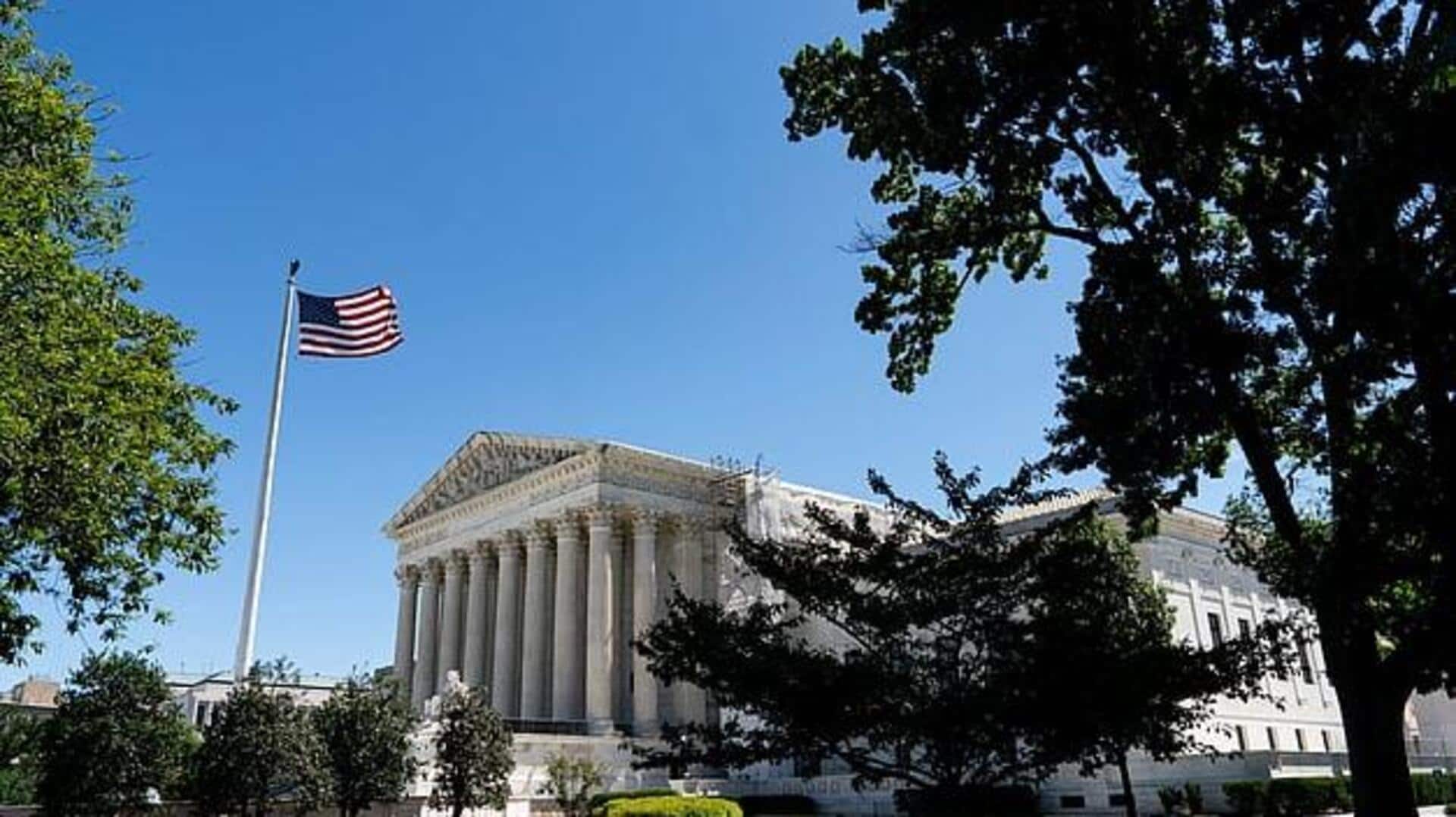
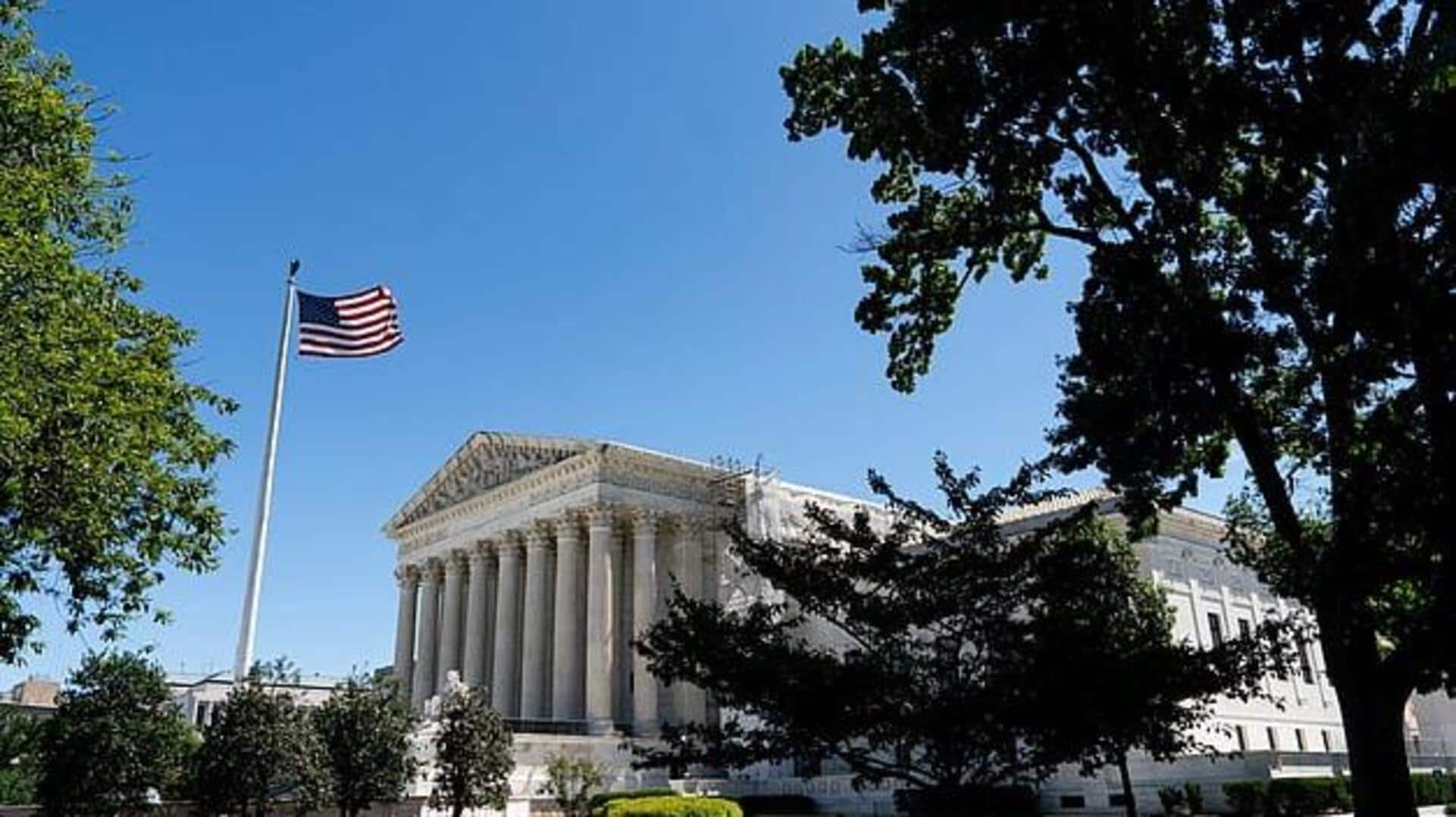
US Supreme Court’s new term will examine Trump’s presidential power

**US Supreme Court’s New Term to Examine Trump’s Presidential Powers**

*By Chanshimla Varah | October 7, 2025, 11:20 AM*

The United States Supreme Court opened its new term on Monday, with Chief Justice John Roberts swiftly rejecting over 800 pending appeals. Among these was a notable appeal from Ghislaine Maxwell, who challenged her conviction for luring teenage girls to be sexually abused by her late partner, Jeffrey Epstein.

### Focus on Trump’s Expansive Presidential Power

Over the next ten months, a primary focus for the justices will be assessing former President Donald Trump’s broad claims of presidential power. Several key cases related to his administration’s actions are set to be heard this term.

### LGBTQ+ Rights: Therapy Ban Cases

One of the initial cases the court will review concerns state bans on therapy aimed at changing sexual orientation or gender identity. Nearly half of the U.S. states have enacted such bans, making this a critical case for LGBTQ+ rights nationwide.

### Trade and Tariff Case

On November 5, the court will hear a major case addressing Trump’s imposition of tariffs on imports. Two lower courts have ruled that Trump lacked the statutory authority to impose these tariffs, setting the stage for a significant Supreme Court decision.

### Authority Over Independent Agencies

In December, the court will consider a case regarding Trump’s authority to remove members of independent agencies at will. This case has the potential to overturn or significantly narrow a 90-year-old precedent surrounding presidential powers.

### Birthright Citizenship Executive Order

Another significant case pending before the court involves Trump’s executive order that sought to deny birthright citizenship to children born in the U.S. to parents who are either in the country illegally or temporarily. The Trump administration has appealed lower court rulings declaring this order unconstitutional. Arguments on this case may take place in late winter or early spring.

### Federal Reserve Board Dispute

The justices will also conduct an expedited review of Trump’s attempt to remove Lisa Cook from her position as a governor on the Federal Reserve Board, a key and influential institution in U.S. financial policy.

### National Guard Troop Deployment Legal Battle

The term will also see a legal dispute stemming from Trump’s efforts to seize control of state National Guard troops and deploy them in cities where he alleged rampant crime, despite opposition from local and state leaders. A federal court in Oregon has barred Trump’s proposed troop deployment to Portland, and an appeals court is set to review this decision in the coming days.

As the Supreme Court embarks on this term, many of the cases will have far-reaching consequences on the bounds of presidential authority and the legal landscape surrounding policy and civil rights.
https://www.newsbytesapp.com/news/world/new-supreme-court-term-will-examine-trump-s-presidential-power/story

US Supreme Court’s new term will examine Trump’s presidential power

**US Supreme Court’s New Term to Examine Trump’s Presidential Power**

*By Chanshimla Varah | October 7, 2025 | 11:20 AM*

The United States Supreme Court opened its new term on Monday, marking the beginning of what promises to be a significant judicial session. Chief Justice John Roberts commenced the term by rejecting over 800 pending appeals, including a notable case from Ghislaine Maxwell, who is challenging her conviction related to luring teenage girls for sexual abuse by her late partner, Jeffrey Epstein.

### Focus on Trump’s Presidential Power

A key focus over the next 10 months will be the Court’s examination of former President Donald Trump’s expansive claims of presidential authority. Several high-profile cases connected to Trump’s actions and executive orders are set to be heard, shaping the legal boundaries of presidential power.

### LGBTQ Rights and Conversion Therapy Ban

One of the early cases on the docket involves state bans on therapy aimed at changing sexual orientation or gender identity. Nearly half of the U.S. states have enacted such bans, and the Court’s ruling will have a major impact on LGBTQ rights nationwide.

### Tariffs Imposed by Trump

On November 5, the Supreme Court will hear a significant case revolving around Trump’s imposition of tariffs on imports. Two lower courts previously ruled that Trump lacked the statutory authority to impose these tariffs, and the Court’s decision will clarify the extent of presidential powers in trade matters.

### Case on Removing Independent Agency Members

In December, justices will consider arguments in a case regarding Trump’s authority to remove members of independent agencies at will. This case could overturn or drastically narrow a 90-year-old precedent, significantly altering administrative law.

### Birthright Citizenship Executive Order

The Court has also received a case concerning Trump’s executive order seeking to deny birthright citizenship to children born in the U.S. to parents who are in the country illegally or temporarily. The Trump administration has appealed lower-court rulings that declared the order unconstitutional. This case might be heard later this winter or early spring.

### Federal Reserve Board Dispute

An expedited review is also expected regarding Trump’s attempt to remove Lisa Cook from her position as a governor on the Federal Reserve Board, a vital institution in U.S. financial policy.

### National Guard Troop Deployment Legal Battle

The latest legal battle involves Trump’s attempts to deploy state National Guard troops in cities with high crime rates, against objections from local and state officials. A federal court in Oregon recently barred Trump’s troop deployment to Portland, with an appeals court set to review that decision in the coming days.

The Supreme Court’s upcoming term is set to define critical aspects of presidential power and constitutional interpretation, with several landmark cases involving former President Trump likely to have wide-ranging implications. Stay tuned for updates as these cases unfold.
https://www.newsbytesapp.com/news/world/new-supreme-court-term-will-examine-trump-s-presidential-power/story

How to master braided hairstyles

**How to Master Braided Hairstyles**
*By Simran Jeet | October 6, 2025, 05:29 PM*

Braided hairstyles are a timeless classic, perfect for any occasion. They add a touch of elegance and style, making them a favorite among many. Whether it’s for a casual day out or a formal event, mastering the art of braiding can significantly elevate your look. With some simple techniques and practice, you can create beautiful braids that stand out.

Here are some helpful tips to achieve perfect braided hairstyles effortlessly:

### 1. Choose the Right Tools
Selecting the right tools is essential for creating flawless braids. A good-quality comb helps in detangling hair smoothly, while elastic bands secure your braid without causing damage. Hairpins are also useful for keeping loose strands in place. Investing in these basic tools can make a huge difference in how neat and polished your braid looks.

### 2. Practice Basic Techniques
Before diving into complex styles, it’s important to master basic braiding techniques. Start with simple three-strand braids as they form the foundation for more intricate designs like fishtail or French braids. Regular practice will improve your dexterity and confidence, allowing you to experiment with a variety of styles over time.

### 3. Use Hair Products Wisely
Using hair products strategically can enhance the appearance and longevity of your braids. A light mousse or styling cream adds texture and grip, making hair easier to manage while braiding. However, be cautious not to overapply products, as this may weigh down your hair or create a greasy look instead of a sleek finish.

### 4. Experiment with Styles
Once you’ve mastered the basics, don’t hesitate to explore different braided styles that suit various occasions. From elegant updos perfect for weddings or parties to casual side braids ideal for everyday wear, the possibilities are endless. Trying new styles not only keeps things exciting but also helps you discover what best complements your personal style.

### 5. Maintain Healthy Hair
Healthy hair is key to achieving beautiful braids that last all day. Regularly trimming split ends prevents breakage and promotes growth. Additionally, moisturizing your scalp keeps it hydrated, preventing dryness or itchiness that can occur under tightly woven hairstyles like braids or twists.

Mastering braided hairstyles takes time and patience, but with these tips, you’re well on your way to creating stunning, polished looks that turn heads wherever you go!
https://www.newsbytesapp.com/news/lifestyle/braided-hairstyles-tips-to-master-the-art/story

No method to Netanyahu’s madness

The United Nations 80th General Assembly should have been the stage to discuss the future of peace in the age of artificial intelligence. Sadly, it turned out to be one of the most divisive sessions, dominated by Palestine rather than Israel. The gathering proved that Palestine cannot be brushed aside as an idea, even if a world power stands firmly behind Israel.

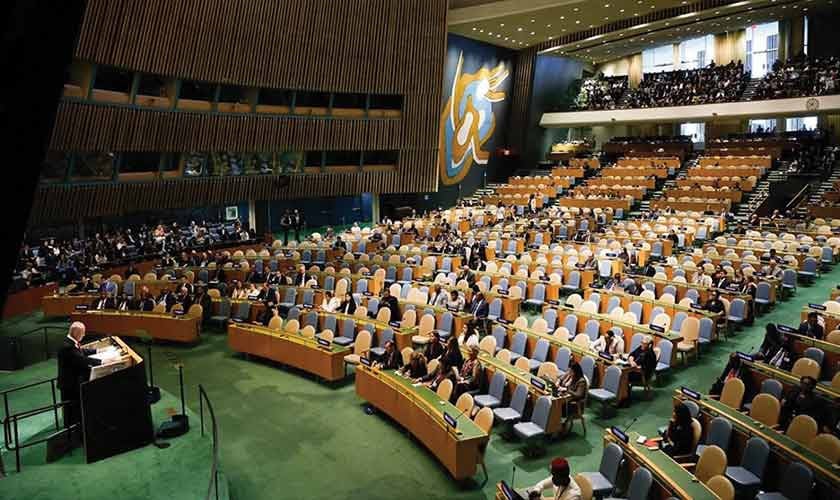
Not many member states were eager to listen to Israeli Prime Minister Benjamin Netanyahu at the United Nations General Assembly in New York on September 26—not least Hamas, the enemy he has been obsessed with for the last two years. Netanyahu tried his best to address Hamas directly amid a boycott of his speech.

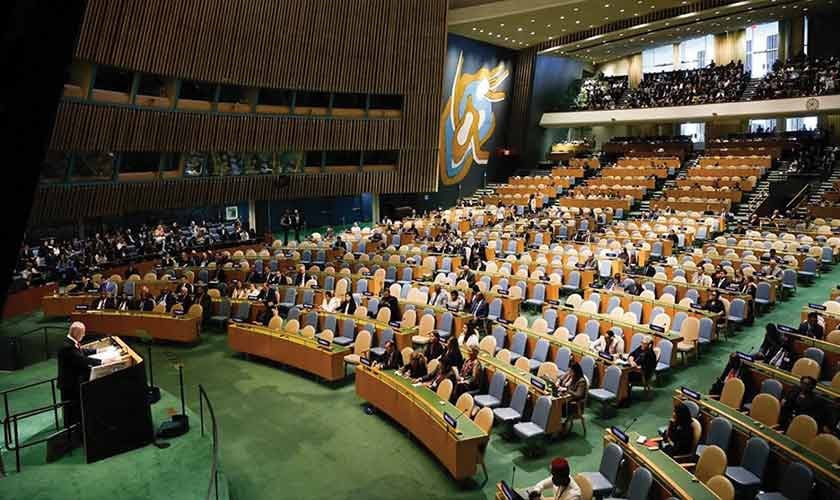
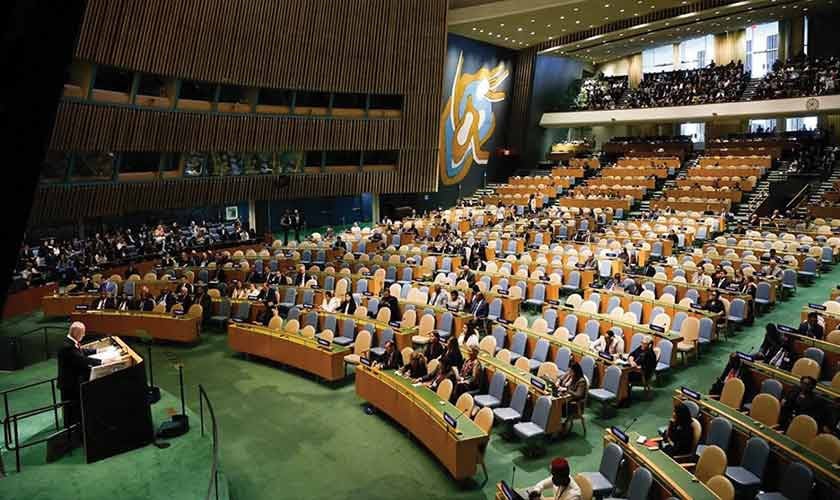
The biased Western media counted the boycotters in dozens, even as Netanyahu spoke to an almost empty United Nations General Assembly Hall. Diplomats from Arab and Muslim countries walked out, joined by counterparts from several African and some European countries.

The Israeli leader claimed that his intelligence had hacked cell phones across Gaza and used them to broadcast his speech. However, he had nothing new to tell the world or Hamas. He only demanded—for the umpteenth time—the immediate release of the remaining hostages.

Israel claims to be one of the world’s biggest technological forces, especially regarding military use. Fully backed by an even mightier United States, Israel has showcased some of its military gimmicks, like exploding pagers. So why, despite their military muscle and technological superiority, have they failed to secure the release of the remaining hostages?

How can they hope to achieve the even more ambitious target of eliminating Hamas?

Of the 48 hostages left in Gaza, Netanyahu says 20 may still be alive. Despite being focused on a 41-kilometer stretch of land for two years, his high-tech drones and well-armed ground forces have been unable to secure their release. Netanyahu has vowed he will not rest until all hostages have been brought home.

During his speech, the lapel of the Israeli leader’s suit carried a large white badge displaying a QR code. He encouraged people to zoom in and access the code, which leads to a website about the Hamas attacks on October 7, 2023. This seemed to be an attempt to promote the perception that he remains obsessed with achieving the target he set some 730 days ago.

However, the world remains confused about his ultimate objective: is it finishing Hamas, killing all Palestinians, or creating Greater Israel?

The gimmickry continued in New York. According to Netanyahu’s office, they launched a public diplomacy campaign in New York City, organizing billboards and trucks displaying the message “Remember October 7” in Times Square and around the UN building.

Despite these efforts, Pew Research Center’s April 2025 report reveals that support for Israel among Americans has dropped significantly since the start of the Gaza war.

At the world’s biggest forum, Netanyahu stood exposed and more isolated than ever before. His policy inflexibility has forced some of his past allies to abandon him. A growing number of Western countries have found no other option but to recognize Palestinian statehood. Countries such as the United Kingdom, Canada, Australia, Portugal, and France have taken this belated decision—much to Netanyahu’s displeasure.

A few days before his appearance, on September 12, a vote took place in the UN General Assembly Hall. Out of 193 UN member states, amid resounding applause, 142 voted in favor of a declaration on the peaceful settlement of the question of Palestine and the implementation of the two-state solution with Israel.

The New York Declaration was the outcome of an international conference held in July at UN Headquarters, organized by France and Saudi Arabia. Ten nations, including Israel and the United States, opposed the declaration. The other eight countries opposing were Argentina, Hungary, Micronesia, Nauru, Palau, Papua New Guinea, Paraguay, and Tonga. Twelve nations abstained during the vote.

This shows how limited support Tel Aviv is left with.

Netanyahu’s diminishing support is not just about countries; it reflects a more fundamental change in American public opinion. According to Pew Research Center’s April 2025 report, support for Israel among Americans has dropped significantly since the start of the Gaza war. Only 54 percent of Americans now say that the Israeli-Palestinian war is relevant to them, an 11-point drop from 65 percent in January 2024. The percentage of people who believe the war is significant to U.S. national interests has also declined from 75 percent to 66 percent over the same period.

The U.S., Israel’s staunchest ally, is showing signs of fatigue. Former President Donald Trump stated earlier that any attempt by Israel to annex parts of the West Bank would be a red line for him.

Netanyahu still seems not to have grasped the message Western nations wanted to send: that enough is enough; Israel cannot have an indefinite license to kill; there are limits, and those limits have been crossed.

His speech, full of spin and allegations of anti-Semitism, was not heard by many. He is now isolated. The sooner he realizes this, the better it may be for him and for world peace.

According to Gaza’s Health Ministry, since October 7, 2023, over 65,000 Palestinians have been killed. The question now is: how much more killing is needed?

Netanyahu’s speech lacked a roadmap. For those hoping for world peace, that was the most alarming element.
https://www.thenews.com.pk/tns/detail/1348318-no-method-to-netanyahus-madness

No method to Netanyahu’s madness

The United Nations 80th General Assembly should have been the stage to discuss the future of peace in the age of artificial intelligence. Sadly, it turned out to be one of the most divisive sessions, dominated by Palestine rather than Israel. The gathering proved that Palestine cannot be brushed aside as an idea, even if you have a world power at your back.

Not many member states were eager to listen to Israeli Prime Minister Benjamin Netanyahu at the United Nations General Assembly in New York on September 26—especially Hamas, the enemy he has been obsessed with for the last two years. Netanyahu tried his best to address Hamas directly amid a boycott of his speech. However, the biased Western media counted the boycotters in dozens, even as Netanyahu spoke to an almost empty United Nations General Assembly Hall after diplomats from Arab and Muslim countries walked out, along with counterparts from several African and some European countries.

The Israeli leader claimed that his intelligence had hacked cell phones across Gaza and used them to play his speech. Despite this dramatic claim, he had nothing new to tell the world or Hamas. He only demanded—for the umpteenth time—the release of the remaining hostages.

Israel claims to be one of the world’s biggest technological forces in terms of military use and is fully backed by the mightier United States. We have seen some of their gimmicks—exploding pagers, for instance. So why, despite their military muscle and technical superiority, have they failed to secure the release of the remaining hostages? How can they achieve the even more ambitious target of eliminating Hamas?

Of the 48 hostages left in Gaza, Netanyahu says 20 may still be alive. Despite focusing on a 41-kilometre stretch of land for two years, his high-tech drones and well-armed ground forces have been unable to secure their release. The Prime Minister has vowed that he will not rest until all hostages have been brought home.

In a notable gesture, the lapel of Netanyahu’s suit bore a large white badge displaying a QR code. He encouraged people to scan it, which leads to a website about the Hamas attacks on October 7, 2023. This appears to be an attempt to promote the perception that he remains obsessed with achieving the target he set himself around 730 days ago. However, the world remains confused about his ultimate objective: finishing Hamas, killing all Palestinians, or creating Greater Israel.

The gimmickry continued in New York. According to Netanyahu’s office, a public diplomacy campaign was organized in New York City, featuring billboards and trucks displaying the message: “Remember October 7” in Times Square and around the UN building.

Meanwhile, public support is shifting. According to Pew Research Center’s April 2025 report, support for Israel among Americans has dropped significantly since the start of the Gaza war. Despite all the political maneuvering, Netanyahu stood exposed at the world’s biggest forum, more isolated than ever. His policy inflexibility has forced some of his past allies to abandon him, and a growing number of Western countries feel compelled to recognize Palestinian statehood.

Countries like the United Kingdom, Canada, Australia, Portugal, and France have taken belated steps to recognize Palestine, much to Netanyahu’s displeasure. A few days before his appearance, on September 12, a vote took place in the UN General Assembly Hall. Out of 193 UN member states, 142 voted in favor of a declaration on the peaceful settlement of the question of Palestine and the implementation of the two-state solution with Israel amid resounding applause.

The “New York Declaration” was the outcome of an international conference held in July at UN Headquarters, organized by France and Saudi Arabia. Ten nations, including Israel and the United States, opposed the declaration. This clearly shows how limited support Tel Aviv now enjoys. The other eight countries opposing were Argentina, Hungary, Micronesia, Nauru, Palau, Papua New Guinea, Paraguay, and Tonga. Twelve countries abstained from the vote.

Netanyahu’s diminishing support is not just about countries; it reflects a more fundamental change in American public opinion. Pew’s April 2025 report highlights that only 54 percent of Americans now say the Israeli-Palestinian war is relevant to them—a drop of 11 points from 65 percent in January 2024. Those who believe the war is significant to US national interests have declined from 75 percent to 66 percent over the same period.

The United States, Israel’s staunchest ally, is showing signs of fatigue. Former President Donald Trump stated that any attempt by Israel to annex parts of the West Bank would be a red line for him.

Despite all these signals, Netanyahu has yet to grasp the message Western nations sent through the rising recognition of Palestinian statehood: enough is enough. Israel cannot have an indefinite license to kill. There is a limit—and it has been crossed.

His speech, full of spin and allegations of anti-Semitism, went largely unheard. He is now isolated, and the sooner he realizes this, the better it may be for him—and for world peace.

According to Gaza’s Health Ministry, since October 7, 2023, over 65,000 Palestinians have been killed. The question now remains: how much more killing is needed?

Netanyahu’s speech lacked a roadmap. For those rooting for world peace, that is the most alarming element of all.
https://www.thenews.com.pk/tns/detail/1348318-no-method-to-netanyahus-madness

No method to Netanyahu’s madness

The United Nations 80th General Assembly should have been a stage to discuss the future of peace in the age of artificial intelligence. Sadly, it turned out to be one of the most divisive sessions, dominated by Palestine rather than Israel. This gathering proved that Palestine cannot be brushed aside as an idea, even when backed by a world power.

Not many member states were eager to listen to Israeli Prime Minister Benjamin Netanyahu at the United Nations General Assembly in New York on September 26 — not least Hamas, the enemy he has been obsessed with for the last two years. Netanyahu tried his best to address Hamas directly, despite a boycott of his speech.

The biased Western media counted the boycotters in dozens, even as Netanyahu spoke to an almost empty General Assembly Hall. Diplomats from Arab and Muslim countries walked out, joined by counterparts from several African and some European nations. The Israeli leader claimed that his intelligence agencies had hacked cell phones across Gaza and used them to broadcast his speech. However, he offered nothing new to the world or to Hamas. He only demanded, for the umpteenth time, the immediate release of the remaining hostages.

Israel claims to be one of the world’s leading technological powers, especially in military applications. It enjoys full backing from the mightier United States. We have seen some of their high-tech gimmicks—exploding pagers, for instance. So why, despite this military muscle and technical superiority, have they failed to secure the release of the remaining hostages? And how can they hope to achieve the even more ambitious goal of eliminating Hamas?

Of the 48 hostages left in Gaza, Netanyahu says 20 may still be alive. Despite focusing on the narrow 41-kilometre stretch of land for two years, his high-tech drones and well-armed ground forces have been unable to rescue them. Netanyahu has vowed that he will not rest until all hostages have been brought home.

During his address, the Israeli leader wore a large white badge on his lapel displaying a QR code. He encouraged the audience to scan it, linking to a website about the Hamas attacks on October 7, 2023. This seemed to be an attempt to promote the perception that he remains obsessed with the objective he set nearly 730 days ago.

However, the world remains confused about his ultimate goals: Is it finishing Hamas, killing all Palestinians, or creating Greater Israel? The gimmickry continued in New York. Netanyahu’s office organized a public diplomacy campaign in the city, including billboards and trucks displaying the message: “Remember October 7” in Times Square and near the UN building.

Meanwhile, support for Israel among Americans has dropped significantly since the start of the Gaza war. According to Pew Research Center’s April 2025 report, Netanyahu appeared more isolated than ever at the world’s biggest forum. His policy inflexibility has alienated some former allies. A growing number of Western countries feel compelled to recognize Palestinian statehood.

Countries such as the United Kingdom, Canada, Australia, Portugal, and France have made this belated decision, much to Netanyahu’s displeasure.

Just days before his appearance, on September 12, a vote took place at the UN General Assembly. Out of 193 member states, 142 voted in favor of a declaration calling for the peaceful settlement of the Palestinian question and the implementation of a two-state solution with Israel. The “New York Declaration” was a result of an international conference held at UN Headquarters in July, organized by France and Saudi Arabia.

Ten nations, including Israel and the United States, opposed the declaration. The other eight opposing countries were Argentina, Hungary, Micronesia, Nauru, Palau, Papua New Guinea, Paraguay, and Tonga. Twelve nations abstained from the vote. This outcome clearly shows the limited support Tel Aviv currently enjoys.

Netanyahu’s diminishing support is not limited to countries—it reflects a fundamental shift in American public opinion. The Pew Research Center’s report highlights that only 54 percent of Americans now say the Israeli-Palestinian war is relevant to them, marking an 11-point drop since January 2024. Moreover, those who believe the conflict is significant to U.S. national interests have decreased from 75 to 66 percent.

The United States, Israel’s staunchest ally, is showing signs of fatigue. Former President Donald Trump declared that any Israeli attempt to annex parts of the West Bank would be a red line for him. Despite these signals, Netanyahu has yet to grasp the message Western nations are sending through long-overdue recognition of Palestinian statehood: enough is enough. Israel cannot have an indefinite license to kill; there are limits—and those limits have been crossed.

His speech, filled with spin and allegations of anti-Semitism, went largely unheard. Netanyahu is increasingly isolated, and the sooner he realizes this, the better it may be—for him and for world peace.

According to Gaza’s Health Ministry, since October 7, 2023, over 65,000 Palestinians have been killed. The pressing question remains: How much more killing is needed?

Above all, Netanyahu’s speech lacked a clear roadmap. For those rooting for peace, that absence was the most alarming element of all.
https://www.thenews.com.pk/tns/detail/1348318-no-method-to-netanyahus-madness

Exit mobile version
Sitemap Index