
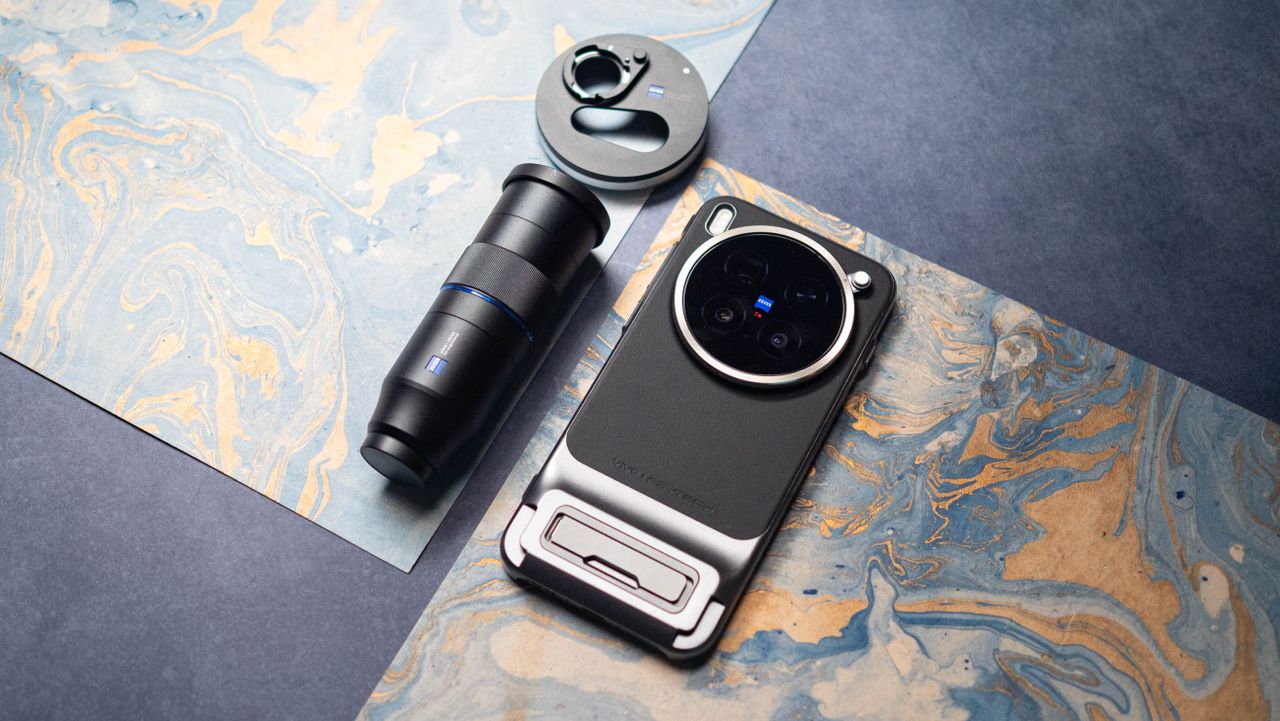
Out of all the phones that crossed my desk this year, I used Vivo’s X200 Pro the most. It has one of the best camera packages of the year, and only the China-exclusive X200 Ultra and Find X8 Ultra did any better in this area. And while Funtouch OS gets a lot of criticism, I prefer it to ColorOS, so that wasn’t an issue. With the X300 Pro, Vivo isn’t changing the fundamentals. The design is roughly the same, it doesn’t feel any different in daily use, and if you’re in Asia, you get a bigger 6, 510mAh battery that should last two days between charges. The cameras get a predictable boost, and they manage to take better photos and videos than the X200 Pro, which is all the reason I need to switch to the X300 Pro as my daily driver going forward. Oh, and Vivo is bringing the device to western markets, which is a definite positive. Do the upgrades allow the X300 Pro to stand out against its Chinese rivals? I believe so I used the phone for just over ten days, and this is the best all-round camera available today. Vivo X300 Pro: Pricing and availability Vivo unveiled the X300 and X300 Pro at a launch event in Shanghai, China on October 13, with both phones on sale in the country. The global debut is slated for October 30, which is when the X300 and X300 Pro will start being available in Spain, Austria, Germany, Hungary, and other western markets in addition to key regions in Southeast Asia. India is a huge market for the brand, and Vivo indicated that it is mulling a launch in the country at the end of November or December. I’ll update once I have global pricing details, but for now, the X300 starts at CNY 4, 399 ($617) in China, going up to CNY 5, 799 ($814) for the 1TB configuration. The X300 Pro starts at CNY 5, 299 ($744) for the 12GB/256GB model, CNY 5, 999 ($843) for the 16GB/512GB edition, and CNY 6, 699 ($940) for the 16GB/1TB model. There’s also a Photography Kit that’s bundled with the phone this time, and it is identical to what we got on the X200 Ultra earlier this year. This model costs CNY 8, 299 ($1,166), and is the only one that gets satellite connectivity. Vivo X300 Pro: Design As I noted in my X300 Pro hands-on, Vivo didn’t change the design too much. I see this as a good thing, as it ensures design consistency between generations something OPPO needs to look into. Essentially, you still get a slab of a phone with a giant camera island at the back, but it’s a little easier to hold and use, and after a half-dozen tumbles (my 2-year-old decided to throw the phone around), the glass panes at the front and rear soak up a lot of damage without breaking. Of course, there are small niceties; the mid-frame and rear glass have a matte texture this time, and this makes a big difference in usability. Vivo doesn’t have any colors that stand out nowhere as much as my orange iPhone 17 Pro, at least but the brown color variant I’m using looks decent enough. Obviously, the camera island dominates the design at the back, and it looks identical to the X200 Ultra because it needs to slot in the Photography Kit attachment. So you get an island that juts out even more, but I don’t mind that at all as it is centered and doesn’t cause any wobble when used on a desk. Also, while the phone is heavy at 228g, weight distribution is ideal, and it doesn’t feel top-heavy at all. You get the usual antenna bands around the sides of the frame, the SIM tray is located at the bottom, and there’s now a dedicated button on the left that lets you trigger actions. The button is identical to the iPhone’s Action Button, and it’s annoying that Vivo basically stole the software design that lets you customize it. However, what I like is that it gets the standard long-press alongside a double-press trigger, and this meant I could assign two actions to the button. Rounding out the design, Vivo continues to use an ultrasonic fingerprint module, and it does a great job in daily use. The location is ideal too, and I didn’t see any problems in this area. The phone gets the same IP68 and IP69 dust and water resistance as last year, and the durability as a whole is better this time around. Vivo X300 Pro: Display There isn’t much to talk about in this section. Vivo once again managed to deliver a bright AMOLED panel with standout colors. The X300 Pro gets a similar-sized 6. 78-inch panel as its predecessor, but it gets even thinner bezels, allowing the phone to be a smidgen thinner and shorter than its predecessor. Colors are vibrant, and the X300 Pro does a fantastic job in outdoor use; the phone got just as bright as my Pixel 10 Pro XL, and I didn’t see any issues in this regard. Thankfully, Vivo retained all the customization options, and you can easily adjust the color balance and set up the panel just the way you like it. And with it now able to go down to 1nit, it’s easier on the eyes at night. On that note, you get full DC dimming at all brightness levels, and this is true on the global model as well. It’s good to see Chinese brands are making this eye protection feature available globally, and this gives the X300 Pro a distinct advantage over Google and Samsung phones. Gaming is a delight on the X300 Pro, and it gets good stereo sound as well. It does a great job with HDR and Dolby Vision content too, and on the whole, I can’t find much to fault the phone in this area. Vivo X300 Pro: Hardware Vivo talked extensively about how it collaborated with MediaTek over the design of the Dimensity 9500, and the X300 Pro benefits from that. The phone is a true powerhouse, and it did a standout job in the ten days I used it. I didn’t see any lag, it handled demanding games with effortless ease, and there wasn’t much in the way of overheating. MediaTek’s Dimensity 9500 has huge gains across the board, and it isn’t often that we see this year-on-year that’s entirely down to Arm’s all-new cores. While that isn’t evident immediately, I noticed a difference in extended gaming sessions. I’m using the 16GB/512GB edition of the phone, and I think this is the variant to get if you’re eyeing the device. All models get LPDDR5X memory and UFS 4. 1 storage modules, and I didn’t see any problems with connectivity. There’s good news on that side of things, with Vivo finally adding eSIM integration to the phone globally; this made an immediate difference as I was able to set up and use an eSIM while attending the phone’s launch in China. Otherwise, there were no issues making calls, connecting to my home network, or pairing a myriad of devices over Bluetooth. The vibration motor has even better feedback this year, and it’s much better to use than the module on my Pixel 10 Pro XL. Vivo X300 Pro: Battery life 300 Pro builds on this foundation. The phone gets a 6, 510mAh battery that’s designed to last two days. There’s just one problem the variant I’m using has a smaller 5, 440mAh battery instead. While the rest of the hardware is unchanged, Vivo is using a smaller battery in the Austrian, German, and Hungarian models of the X300 Pro, and while I usually get the Asian unit of the device, I received the Austrian variant this time. Don’t get me wrong; this phone lasts all day as well, but it doesn’t measure up to the X200 Pro when it comes to battery longevity, and doesn’t have the two-day battery that the Asian model gets. That’s annoying to say the least, and in my use, there were two days when I had to plug it in before turning in. Thankfully, it doesn’t take too long to charge the phone thanks to 90W charging tech, and it even gets 50W USB PD charging, which is just easier. The downside is that there’s no charger in the box; again, this isn’t an issue everywhere, but the Austrian model doesn’t have one. Vivo still provides a charger in Asia with the X300 and X300 Pro. Vivo X300 Pro: Cameras Similar to what Vivo did with MediaTek, the brand collaborated with Sony and Samsung over the imaging modules on the X300 Pro. The phone gets the brand-new 50MP Sony Lytia LYT-828, and a new 200MP telephoto lens that uses the highly customized Samsung HPB. Vivo didn’t change the wide-angle lens, so you still get the same Samsung JN1, and this is what’s being used at the front as well. What’s noteworthy is Vivo bringing the telephoto extender to the phone, making it that much more versatile. The accessory makes a huge difference, and while it isn’t the easiest to use, it is a differentiator if you’re an enthusiast. The device excels at photos, and Vivo lavished plenty of attention towards video recording as well. The X300 Pro is able to shoot 4K120 Dolby Vision footage, and video quality is noticeably better than previous years. The interface itself hasn’t changed much, and you still get shooting modes at the bottom, along with all the toggles and effects. On that note, Zeiss integration is intact, and you get to choose between various modes I went with Vivid. The X300 Pro does a standout job in daylight scenarios, producing photos with good color vibrancy and white balance. There are noticeable differences with the image tuning this generation, with the phone able to better manage highlights and shadows to eke out greater detail in challenging situations. It does just as good a job with portrait shots, but I noticed inconsistencies with segmentation, and this should be addressed with an update. Vivo had live models ahead of the launch event to highlight the X300 Pro’s portrait mode, and the phone does a better job in this area than the X200 Pro, which is no mean feat. Where the X300 Pro comes alive is in low-light situations; the phone takes better photos than just about any other device I tested this year. Yes, the X200 Ultra technically does a better job, but the X300 Pro holds its own, and honestly, I prefer the latter. The wide-angle lens is decent enough in its own right, and the tele module is fantastic this year it takes detailed shots at 10x without any hassle, and I got usable photos at 30x. In short, the X300 Pro is my recommendation if you need the best cameras available today. Vivo X300 Pro: Software The X300 Pro sees the debut of OriginOS 6 globally, and it is based on Android 16. The software has a much more modern design, and it is a clear upgrade from Funtouch OS. What irks me a little is the similarities to iOS 26; the translucent effects and other design elements are heavily borrowed from the iPhone, and Vivo isn’t the only brand doing this all other Chinese phone makers are going this route. There’s no arguing that the software feels better to use on the X300 Pro. There’s better uniformity to the UI as a whole, and Vivo did a good job with the smooth animations and transitions; they make interacting with the interface that much more enjoyable. But as with every new redesign, there are issues; pressing down on a suggested action in the notification pane pulls up the app instead, and I noticed errant crashes. These kinds of issues usually get addressed, and the kinks should be ironed out by the time the phone becomes available globally. Like other brands, Vivo is switching to a split notification pane, but you thankfully get the ability to switch to the older unified option. The pane itself is a clear downgrade from the one on Funtouch OS; pulling down on a notification card doesn’t expand it automatically, and you have to use the arrow to do so. Similar notifications are now stacked just like iOS and it’s just as annoying here as on my iPhone. There’s good customizability as well, and Vivo essentially “emulated” what you get on iOS. You can set up the phone to look like a clone of an iPhone, and it’s clear that this was an intentional move by the brand. I still don’t get the allure of trying to mimic iOS I’d much prefer if brands went all-in on Material You aesthetic instead but it’s evident that all Chinese phone makers just want to make their phones feel like iPhones again. Coming to updates, Vivo guarantees four years of Android OS updates, which is on the lower end of the scale as these things go. But like its BBK siblings, it’s unlikely Vivo will budge on this front, and the result is that the X300 Pro lags behind Google and Samsung devices when it comes to software updates. Vivo X300 Pro: The alternatives The Find X9 Pro is slated to make its global debut soon, with that device being the obvious alternative to the X300 Pro. It shares the same Dimensity 9500, similar-sized AMOLED panel, and has cameras that hold their own against Vivo’s offering. Where the phone stands out is the huge 7, 500mAh battery; it’s bigger than what every other brand is rolling out, and you get the same battery globally as well. If you don’t need the latest phone, Vivo’s X200 Pro is still a standout choice, provided you’re in a country where the brand sells the device. Vivo X300 Pro: Should you buy it? You should buy this if: You want the best cameras You need powerful internals You want a device with all the extras You shouldn’t buy this if: You want AI-assisted features You need long-term software updates Having used the X200 Pro and now the X300 Pro, it’s easy to see that Vivo has one of the best camera packages of the year. It’s not just about the quality of the photos either, but the versatility all lenses on the X300 Pro stand out in their own right, and that’s what makes the phone notable. It isn’t just a camera phone; the rest of the hardware is just as good, and the only point of contention is that Vivo isn’t using the same 6, 410mAh battery in all regions. Other than that, I don’t have any issues with this phone; it has a clean design, a high-quality AMOLED panel, better software than previous years, and the best cameras around.
https://www.androidcentral.com/phones/vivo/vivo-x300-pro-review
Month: October 2025

Krafton is now an ‘AI-first company,’ will spend $70 million on a GPU cluster to ‘serve as the foundation for accelerating the implementation of agentic AI’
Earlier this week, Pocketpair Publishing boss John Buckley made it clear that his company isn’t interested in handling games built with generative AI. He stated, “If you’re big on AI stuff or your game is Web3 or uses NFTs, there are lots of publishers out there [who will], but we’re not the right partner for that.”
One of those partners, it seems, is PUBG maker Krafton, which announced today that it is transforming into an “AI-first” company. The goals of this new strategy include fostering change in individuals and organizations, increasing company-wide productivity, and accelerating mid- to long-term corporate value growth, the company said.
To make this vision a reality, Krafton revealed plans to invest roughly 100 billion Korean won ($69.7 million) in a GPU cluster. This infrastructure will support multi-stage tasks requiring sophisticated reasoning and iterative planning, serving as the foundation for accelerating the implementation of agentic AI.
Additionally, Krafton will allocate another 30 billion won ($21 million) annually, starting in 2026, to actively support its employees in directly utilizing and applying various AI tools to their work.
“Through our AI First strategy, Krafton will expand the growth opportunities for each member, expand creative attempts centered on player experience, and lead AI innovation across the gaming industry,” said Krafton CEO Kim Chang-han. “We will establish operational standards centered on AI and present best practices that can be referenced in the global gaming industry.”
What this looks like in practical terms remains to be seen. But on a gut level, I have my doubts. Broadly speaking, I see two likely outcomes:
1. Layoffs – Because C-suite executives often imagine that good video games can be made by thinking machines that don’t need to be paid or given time off.
2. A catastrophic collapse – When the AI bubble bursts and companies find themselves stuck with mountains of Nvidia hardware destined for Craigslist, along with the massive debt they took on to acquire it.
Or maybe it’ll be the classic one-two punch: first layoffs, then collapse. After all, that’s often how these things play out.
https://www.pcgamer.com/software/ai/krafton-is-now-an-ai-first-company-will-spend-usd70-million-on-a-gpu-cluster-to-serve-as-the-foundation-for-accelerating-the-implementation-of-agentic-ai/

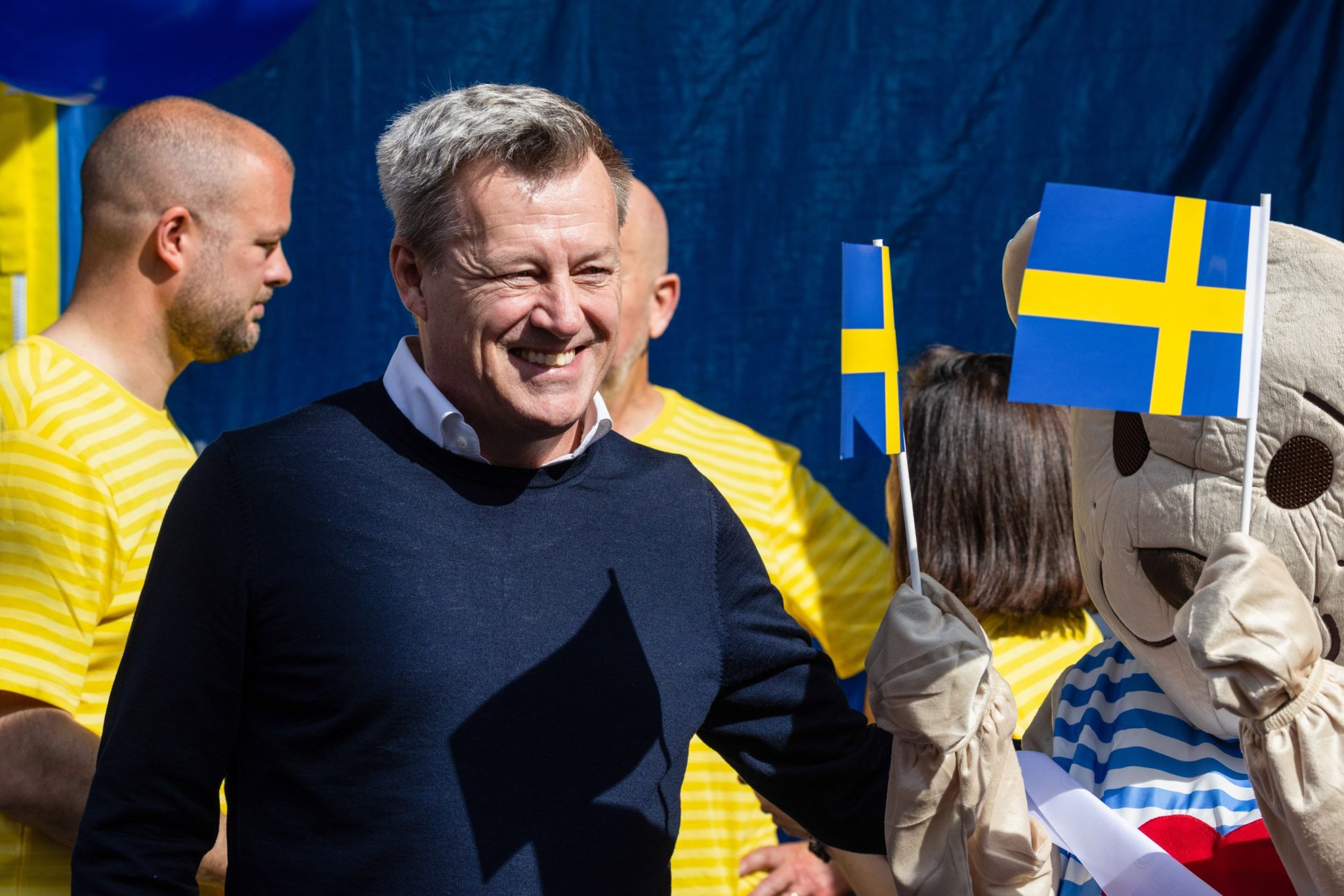
Does the UN need to be run like a business? IKEA CEO Jesper Brodin may get the chance
Brodin may have a chance, as the Swedish government announced him as its candidate to become the new United Nations High Commissioner for Refugees (UNHCR) last Monday. If selected, Brodin’s career pivot would highlight an exceptionally rare trajectory among global CEOs: moving from business to a multilateral international organization.
The UNHCR, the organization says, protects people forced to flee, delivers emergency aid in crises, and helps displaced people find a place to call home. While some businessmen, such as Donald Trump in the U.S. or Silvio Berlusconi in Italy, have entered national politics, virtually none have crossed over to head a major United Nations institution.
UN jobs are more typically reserved for career diplomats and politicians, while private sector leaders have been mostly absent in UN leadership roles. Alexander De Croo, the designated new head of the United Nations Development Programme, perhaps comes closest. He started his career at Boston Consulting Group and stayed there for several years before entering Belgian politics like his father before him, eventually becoming prime minister. His wife remains a partner at the consulting firm.
“I was surprised to receive the nomination. It was not something I had planned,” Brodin told Fortune in a Zoom interview after the news broke. “But with my global experience leading IKEA in more than 40 countries, I believe I can bring valuable experience and leadership to the UN.”
Brodin’s private sector experience was also a key reason why the Swedish government nominated him. “The U.N. system would be strengthened by a person with business experience, especially given the major challenges now facing the U.N.,” the Swedish foreign ministry said in a statement endorsing the IKEA veteran.
However rare, the choice is consistent with Brodin’s stated mission at IKEA, which was “to create a better everyday life for the many people.” Under Brodin’s leadership, IKEA has participated in several UN and UNHCR projects globally. These include an IKEA training and skills program for refugees, which to date has reached over 3,700 people, and IKEA’s retail arm providing direct job opportunities to refugees from Syria, and more recently, Ukraine.
Brodin is stepping down as IKEA CEO in November. The UN Secretary-General will select his choice for UNHCR, sending the nominee to member states for confirmation by the end of the year.
In the end, if Brodin is confirmed, it may well be because a rational business approach is exactly what the UN needs right now. The UN is in crisis and facing a cash crunch, exacerbated by the Trump administration’s funding cuts for the organization. In that light, Brodin’s track record of economizing on costs and resources at IKEA may be the real game changer if he is appointed.
https://fortune.com/2025/10/23/ikea-ceo-jesper-brodin-unhcr-un-business/


EFF Backs Constitutional Challenge to Ecuador’s Intelligence Law That Undermines Human Rights
In early September, the Electronic Frontier Foundation (EFF) submitted an amicus brief to Ecuador’s Constitutional Court in support of a constitutional challenge filed by Ecuadorian NGOs, including INREDH and LaLibre. The case challenges the constitutionality of the Ley Orgánica de Inteligencia (LOI) and its implementing regulation, the General Regulation of the LOI.
EFF’s amicus brief argues that the LOI enables disproportionate surveillance and secrecy that undermine constitutional and Inter-American human rights standards. We urge the Constitutional Court to declare the LOI and its regulation unconstitutional in their entirety.
### Structural Flaws of the LOI
Our submission notes that:
> “The LOI presents a structural flaw that undermines compliance with the principles of legality, legitimate purpose, suitability, necessity, and proportionality; it inverts the rule and the exception, with serious harm to rights enshrined constitutionally and under the Convention; and it prioritizes indeterminate state interests, in contravention of the ultimate aim of intelligence activities and state action, namely the protection of individuals, their rights, and freedoms.”
### Core Legal Problems Identified
#### Vague and Overbroad Definitions
The LOI contains key terms such as “national security,” “integral security of the State,” “threats,” and “risks” that are either left undefined or framed so broadly that they could encompass almost anything. This vagueness grants intelligence agencies wide and unchecked discretion, falling short of the legal certainty standard required under the American Convention on Human Rights (CADH).
#### Secrecy and Lack of Transparency
The LOI makes secrecy the rule rather than the exception, reversing the Inter-American principle of maximum disclosure, which holds that access to information should be the norm and secrecy a narrowly justified exception.
The law establishes a classification system—“restricted,” “secret,” and “top secret”—for intelligence and counterintelligence information, but lacks clear, verifiable parameters to guide its application on a case-by-case basis. Consequently, all information produced by the governing body (ente rector) of the National Intelligence System is classified as secret by default.
Moreover, intelligence budgets and spending are insulated from meaningful public oversight, concentrated under a single authority, and eventually destroyed, leaving no mechanism for accountability.
#### Weak or Nonexistent Oversight Mechanisms
The LOI leaves intelligence agencies to regulate themselves, with almost no external scrutiny. Civilian oversight is minimal and limited to occasional, closed-door briefings before a parliamentary commission that lacks real access to information or decision-making power.
This structure offers no guarantee of independent or judicial supervision and fosters an environment where intelligence operations proceed without transparency or accountability.
#### Intrusive Powers Without Judicial Authorization
The LOI permits access to communications, databases, and personal data without prior judicial order. This enables mass surveillance of electronic communications, metadata, and databases across public and private entities—including telecommunication operators.
Such provisions directly contradict rulings from the Inter-American Court of Human Rights, which establish that any restriction on the right to privacy must be necessary, proportionate, and subject to independent oversight.
Furthermore, it contravenes the CAJAR vs. Colombia judgment, which affirms that intrusive surveillance requires prior judicial authorization.
### International Human Rights Standards Applied
Our amicus curiae draws on the CAJAR vs. Colombia judgment, which set strict standards for intelligence activities. Ecuador’s LOI falls short of all these tests. Specifically, it:
– Fails to provide an adequate legal basis for limiting rights.
– Contravenes principles of necessity and proportionality.
– Lacks robust controls and safeguards, such as prior judicial authorization and meaningful civilian oversight.
– Disregards related data protection guarantees and the rights of data subjects.
At its core, the LOI structurally prioritizes vague notions of “state interest” over the protection of human rights and fundamental freedoms. It legalizes secrecy, unchecked surveillance, and impunity for intelligence agencies.
### Conclusion
For these reasons, we strongly urge Ecuador’s Constitutional Court to declare the LOI and its regulations unconstitutional, as they violate both the Ecuadorian Constitution and the American Convention on Human Rights (CADH).
https://www.eff.org/deeplinks/2025/10/eff-backs-constitutional-challenge-ecuadors-intelligence-law-undermines-human

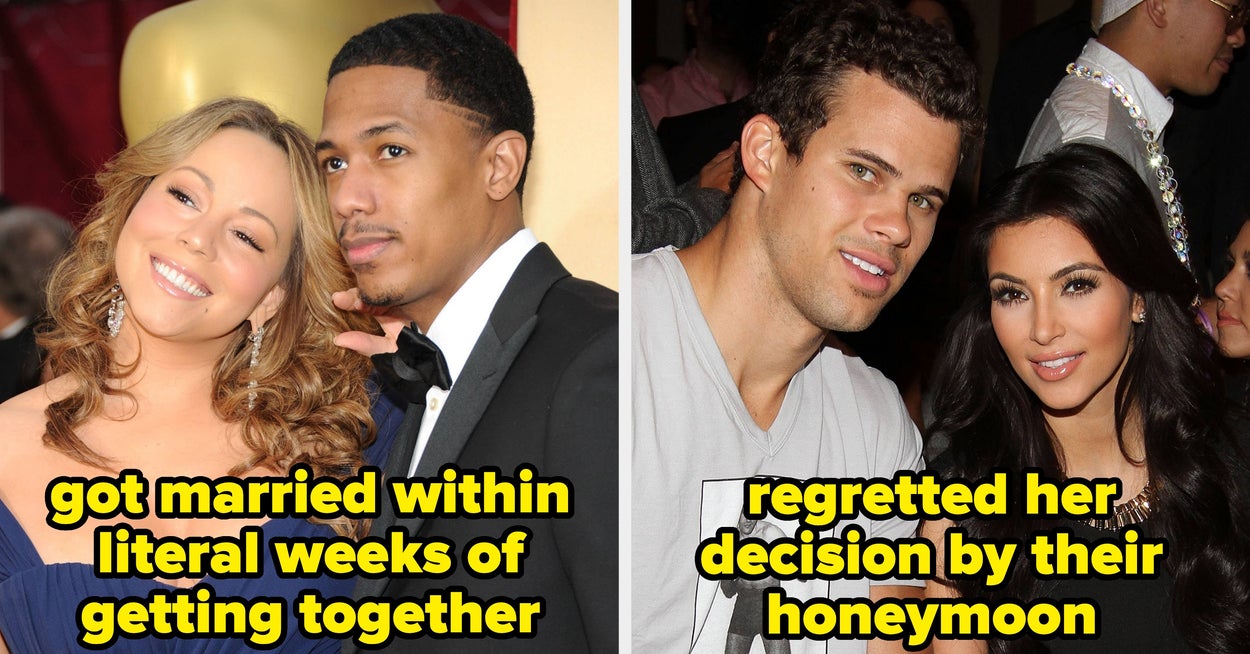
“I Didn’t Actually Know The Person That I Was Engaged To”: 11 Whirlwind Celebrity Relationships That Ended In Complete Disaster
“I Didn’t Actually Know The Person That I Was Engaged To”: 11 Whirlwind Celebrity Relationships That Ended In Complete Disaster
“We texted a little bit, dinner was great, and then he moved in the next day. It sounds so slutty, but it wasn’t,” said Kaley Cuoco in 2013.
This article contains brief mentions of substance misuse and suicidal ideation.
It’s not surprising to see celebrities jump into relationships headfirst. While some whirlwind Hollywood love stories have withstood the test of time, others haven’t been so fortunate. Here’s a look back at times celebs fell in love fast—but the relationships ended in disaster:
**1. Britney Spears and Kevin Federline**
Less than three months after they first started dating, Britney Spears and Kevin Federline tied the knot in September 2004. Exactly a year later, they welcomed their first child, followed by a second a year after that.
However, by 2006, Britney had filed for divorce, citing “irreconcilable differences.” The divorce was finalized in 2007, with shared custody initially agreed upon. Later, Kevin was awarded sole custody when Britney was placed under a conservatorship.
Fast forward to 2022, and tensions escalated when Kevin requested increased child support in 2018 and publicly claimed their sons were choosing not to see Britney. Britney called these claims “hurtful.”
The situation worsened after Kevin’s memoir, *You Thought You Knew*, began circulating. In it, he made serious allegations against Britney, including drug use while breastfeeding and alcohol consumption during pregnancy.
Britney responded on X, writing, “The constant gaslighting from ex-husband is extremely hurtful and exhausting. I have always pleaded and screamed to have a life with my boys… Relationships with teenage boys is complex. I have felt demoralized by this situation and have always asked and almost begged for them to be a part of my life.”
—
**2. Kaley Cuoco and Ryan Sweeting**
Kaley Cuoco and tennis player Ryan Sweeting met, got engaged, and married within six months in 2013. Cuoco recalled their fast-paced romance during an appearance on *The Late Show with David Letterman*: “We texted a little bit, dinner was great, and then he moved in the next day. It sounds so slutty, but it wasn’t. It all did move quite fast on paper, but we really did know!”
Despite shrugging off divorce rumors in 2015, Kaley filed for divorce citing “irreconcilable differences.” Years later, after moving on with Karl Cook, she disclosed in an interview that Ryan had “ruined” her idea of marriage.
“I honestly thought I wouldn’t get married again. My ex ruined that word for me,” she shared. “I married someone the first time who completely changed. The person I ended up with was not the person I originally met. And that wasn’t my fault—that was his.”
—
**3. Ariana Grande and Pete Davidson**
One of the most memorable whirlwind celeb relationships was Ariana Grande and Pete Davidson’s in 2018. Within five months, they dated, got engaged, and parted ways.
Ariana called their relationship an “amazing distraction” in a 2019 *Vogue* interview. “I met Pete, and it was an amazing distraction. It was frivolous and fun and insane and highly unrealistic, and I loved him, and I didn’t know him,” she said.
Pete later addressed her comments during a stand-up gig, humorously poking fun at her then-notorious fake tan. At the 2020 Grammys, Ariana notably removed an engagement ring from her finger, which Pete called “the queen of shade.”
—
**4. Kim Kardashian and Kris Humphries**
Kim Kardashian and Kris Humphries dated for six months before getting engaged and having a televised “fairytale” wedding. Just 72 days later, Kim filed for divorce.
Kris sought an annulment, claiming Kim married him for TV ratings. The divorce was finalized through standard proceedings.
During the 2021 *KUWTK* reunion, Kim shared how she tried to apologize to Kris, but he ignored her. She also admitted to “cold feet” before the wedding but felt pressured to follow through due to filming. “We get to Italy for our honeymoon, and I was like, ‘Fuck, I think I made the wrong decision,’” she recalled.
—
**5. Demi Lovato and Max Ehrich**
Demi Lovato and Max Ehrich were linked in March 2020 and engaged just four months later. Demi gushed on Instagram about their love and excitement for their future.
However, by September 2020, they called it quits. Sources said they separated to focus on their careers. Demi explained that quarantining together during the COVID-19 pandemic “accelerated” their relationship.
Following the breakup, Demi released “Still Have Me,” a song about heartbreak. Max accused Demi of using him during a now-viral Instagram Live.
In her 2021 docuseries, Demi admitted, “I think I rushed into something that I thought was what I was supposed to do. I realized as time went on that I didn’t actually know the person that I was engaged to. We were only together four or five months… The hardest part of the breakup was mourning the person that I thought he was.”
—
**6. Khloé Kardashian and Lamar Odom**
Weeks after meeting in 2009, Lamar Odom proposed to Khloé Kardashian, and nine days later, they wed. At the time, a source told *People* they were having fun with the whirlwind romance.
Their life was documented on *Khloé & Lamar*, but Khloé filed for divorce in 2013 amid rumors of Lamar’s infidelity and substance misuse.
She paused divorce proceedings in 2015 to care for Lamar after a nearly fatal overdose. They briefly reconciled, but Khloé filed for divorce again in 2016 after Lamar was seen drinking post-hospitalization.
Earlier in 2024, they reunited on *The Kardashians* Hulu series. Khloé described their meeting as “hard for us both” and shared, “Right person—wrong time.”
—
**7. Mariah Carey and Nick Cannon**
Mariah Carey and Nick Cannon married in 2008 after a brief romance. Mariah called them “soulmates” and kept the relationship private to avoid skepticism about the speed of their wedding.
They had twins in 2010, but by 2014, their marriage was reportedly struggling. Their 2016 divorce involved messy disputes over property and custody.
One source claimed Mariah spent “five hours straight” on calls with lawyers, making her late to a Rockefeller Center performance.
—
**8. Katy Perry and Russell Brand**
Katy Perry and Russell Brand got engaged in January 2010, just four months after dating, and married by October. A year later, the couple split, with Russell filing for divorce.
Russell said they were in different places in life: she was 25, he was 35. He was passionate about marriage and children, suggesting their differing stages contributed to the break.
Katy noted she hadn’t heard from him since he texted about divorce. Both hinted Katy’s fame influenced the split. Katy admitted she was so heartbroken she contemplated suicide.
—
**9. Kanye “Ye” West and Julia Fox**
In January 2022, Kanye West and Julia Fox launched their relationship publicly amid Kanye’s attempts to reunite with Kim Kardashian.
Julia described an “instant connection” and feeling that she was “surrendering” after a few weeks.
By February, the couple had split. Julia initially called dating Kanye “the best thing that could have happened” but later described the relationship as “unsustainable,” feeling like having “two babies.”
By the end of 2022, Julia revealed dating Ye negatively impacted her acting career: “I’m not getting as many offers as I was before… There’s been a lot of weird drawbacks with reaching that level of notoriety.”
—
**10. Taylor Swift and Matty Healy**
Taylor Swift and Matty Healy’s whirlwind relationship in 2023 sparked controversy. Though they’d known each other for years, they became public in May, just weeks after Taylor ended a long-term partnership.
Matty’s past problematic comments—such as a podcast remark about Black women—provoked backlash, but Taylor stayed with him publicly for about a month.
In June, they parted ways. Fans believe Taylor detailed their relationship in her eleventh album, *The Tortured Poets Department*.
Matty appeared to shade Taylor during his Glastonbury headlining set, referring to himself as a “poet.” His mother, Denise Welch, expressed relief at not being Taylor’s mother-in-law, citing the difficulties of the relationship.
—
**11. Blac Chyna and Rob Kardashian**
Blac Chyna and Rob Kardashian had a tumultuous whirlwind romance in 2016. They were engaged and expecting a baby within a year.
Just a month after their daughter Dream was born, they got into a physical altercation. They split in 2017 after Rob leaked explicit photos of Chyna and accused her of infidelity.
Chyna, now using her birth name Angela White, obtained a restraining order. She later sued the Kardashian family over their reality show’s cancellation, seeking $100 million, but the Kardashians won.
Angela accused Rob of lack of support in raising Dream. Rob responded on Instagram, defending his financial contributions and custody.
Recently, Angela and Rob hinted at reconciliation. She called him her “person” and said they are “healing” and “going with the flow.”
—
Can you think of any other whirlwind relationships that ended badly? Let us know in the comments!
https://www.buzzfeed.com/leylamohammed/whirlwind-celebrity-relationships-ended-in-disaster

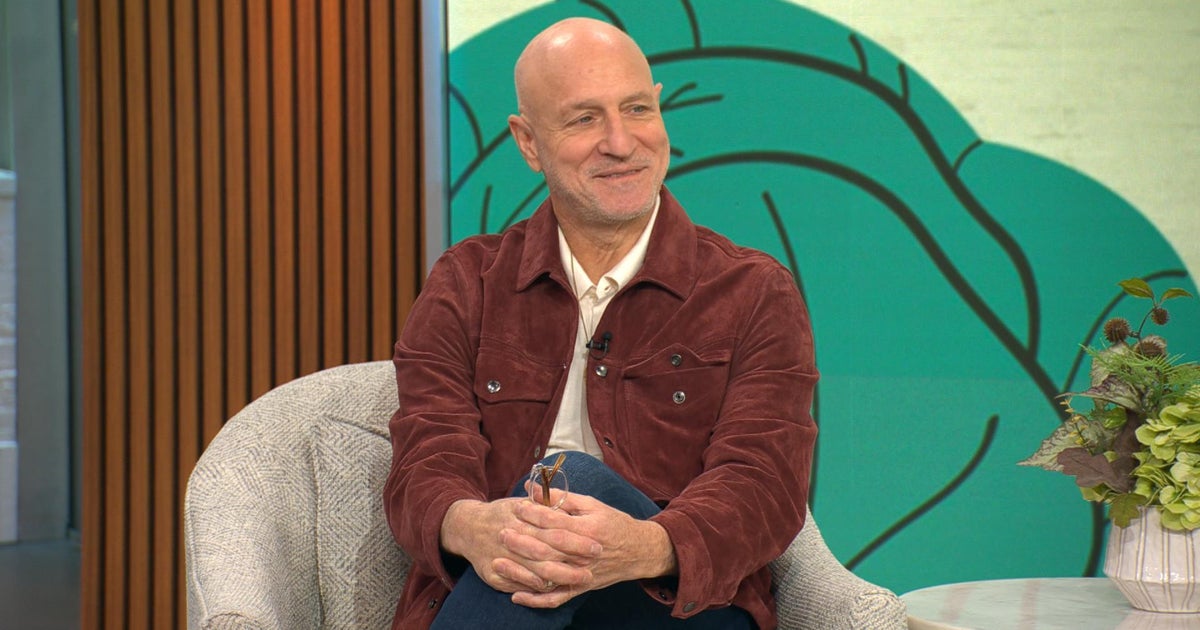
Tom Colicchio revisits “Think Like a Chef” 25 years later
Celebrity chef Tom Colicchio, renowned for his role on the hit television show *Top Chef*, recently joined *CBS Mornings* to discuss the 25th anniversary edition of his landmark cookbook, *Think Like a Chef*.
This updated release features a variety of new recipes, showcasing Colicchio’s evolving culinary style. Alongside the fresh content, the book includes thoughtful reflections on how his approach to cooking has transformed over the years.
Fans and aspiring chefs alike will find inspiration in the updated edition, which celebrates a quarter-century of Colicchio’s influence in the culinary world.
https://www.cbsnews.com/video/tom-colicchio-revisits-think-like-a-chef-25-years-later/
NFL Insider Says Changes are Coming to Miami Dolphins
One of the bigger topics in the NFL this year that isn’t going anywhere anytime soon is the mess that is the Miami Dolphins. Quarterback Tua Tagovailoa and head coach Mike McDaniel have become a headlining duo on what some are calling the “Tua Wrongs Don’t Make a Right” tour—playing out on the 2025 Test Stephen’s Patience Tour. You should see the t-shirts.
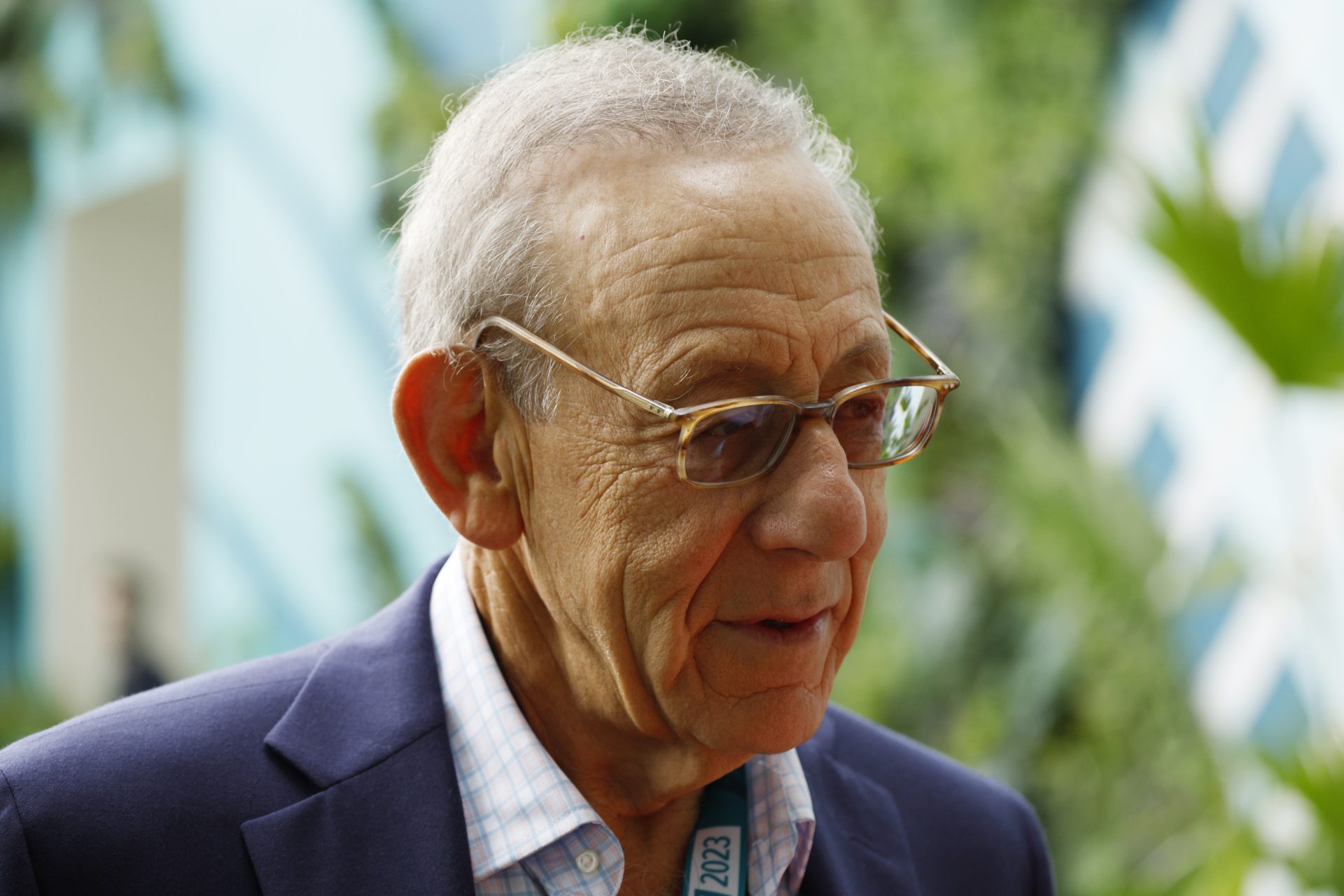
NFL insider Ian Rapoport weighed in on the Dolphins’ job-security situation yesterday on YouTube with a take that pretty much everyone could expect. It’s fine—it’s not rocket science with the Dolphins right now—we all know the days of McDaniel and general manager Chris Grier are numbered.
“(The Miami Dolphins) are going to roll forward with what they have, hoping the results are different,” Rapoport said, highlighting the true insanity of Dolphins’ ownership. “I think one thing that the past week’s events has showed us is that change is coming to the Dolphins. Obviously, (Mike) McDaniel is someone that Stephen Ross really likes and respects. He supported him, he chose him, he has invested in him with a big-time contract extension. He does not want to fire him. The results, though, have to change.”
The reality? They won’t.
### Change Is Coming to the Miami Dolphins Organization
There must be a method to owner Stephen Ross’s line of thinking. With a failing head coach and a quarterback who, in all likelihood, needs a fresh start elsewhere, Ross could be thinking that McDaniel is still the guy to lead this ship—at least down the super-high-draft-pick road. In this view, they could draft a suitable replacement for the aforementioned signal-caller who needs to go.
Whether or not that’s actually the case, no one really knows. But Rapoport insists that change is coming one way or another.
“And I think because of the ugly losses, because of Tua Tagovailoa throwing teammates under the bus and then recanting and walking all of that back,” Rapoport continues, “it has forced the entire nation to look at the Miami Dolphins and say, ‘What are they gonna do?’ So the Dolphins are going to get back to work this week with the hopes that the results are different, but I can pretty confidently say change is coming to the organization. It’s just a matter of how and when.”
### Former Player: Dolphins’ Regime Has to End
Rapoport isn’t alone in calling for changes in Miami. Former Dolphins guard Richie Incognito weighed in, calling the entire situation a disaster.
“I hate the whole situation they have brewing down there,” Incognito said. “This is a dumpster fire, and you have McDaniel and Tua throwing bags of gasoline into the dumpster fire.”
Incognito didn’t hold back in his criticism of leadership within the organization.
“We look at this guy on TV, I do not see a leader of men. When I’m going out there on Sunday, and I want to rip someone’s head off, I’m not getting fired up by this guy’s (McDaniel’s) pregame speech.”
He also pointed the finger squarely at Tua.
“Tua, last week, was talking about guys being late and he’s talking about leadership. Well, the leadership starts and ends with Tua because you’re the franchise quarterback. Everyone was taking sides on ‘Was he pointing fingers at the locker room?’ I think when he said ‘leadership,’ he was pointing the finger at Mike McDaniel.”
Incognito sees deeper issues beneath the surface.
“When you have people constantly late in a professional sports organization, that shows fractures. That shows favoritism. That, to me, is the biggest flaw in this entire operation.”
### What’s Next for the Dolphins?
One can only wonder if there are office pools in South Florida taking bets on when the hammer finally falls. Does McDaniel get fired before Tua actually gets benched? When will Grier have to turn in his playbook? Are parlays available?
As the Dolphins continue to stumble, one thing is clear: change is inevitable. The only question left is how soon it will come—and how deep the overhaul will be.
https://heavy.com/sports/nfl/miami-dolphins/mike-mcdaniel-tua-tagovailoa-stephen-ross-ian-rapoport/
Lakers Coach JJ Redick Gives Encouraging Update on Luka Doncic’s Injury
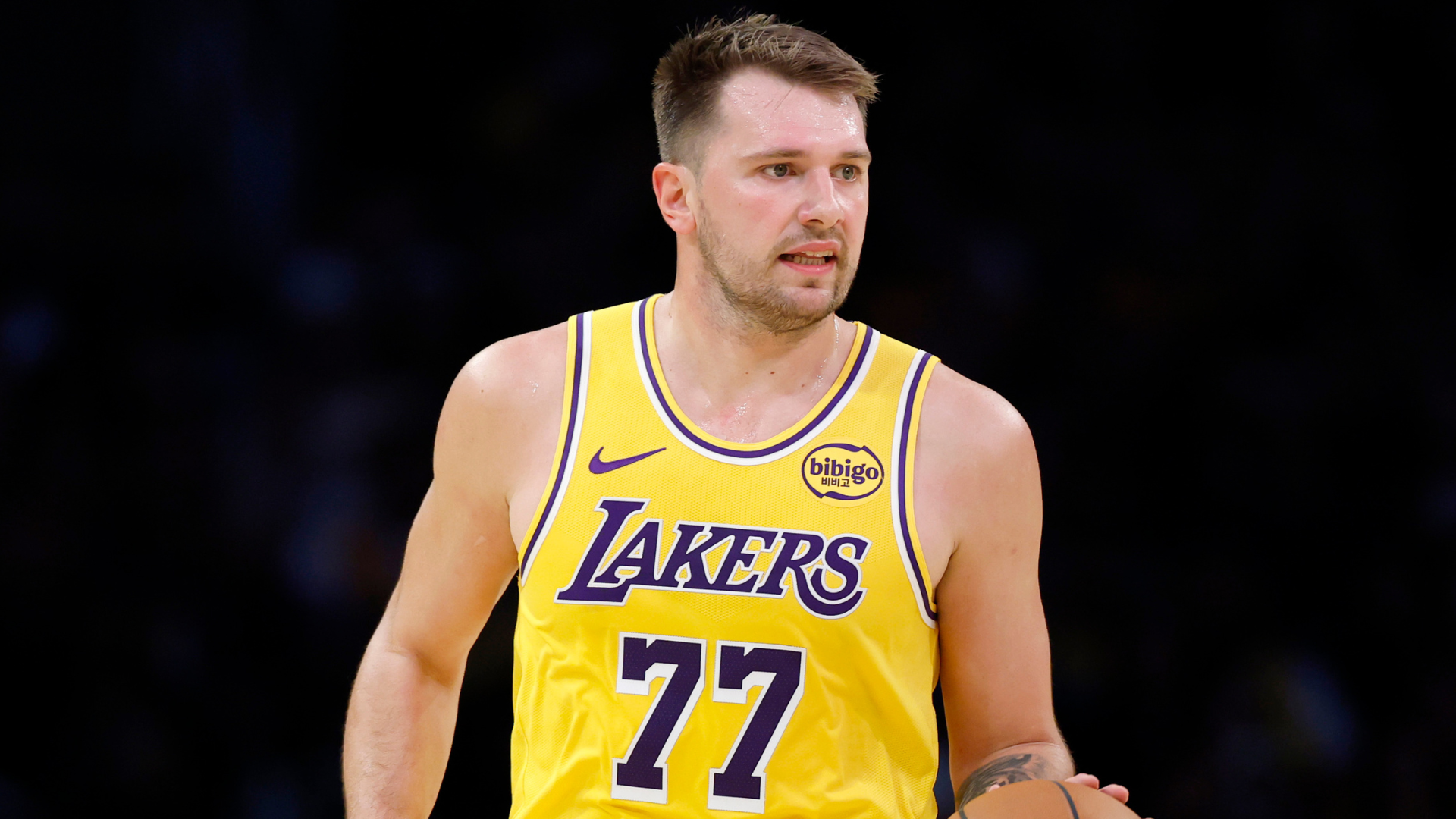
Los Angeles Lakers head coach JJ Redick shared a promising update on Luka Doncic‘s injury ahead of Friday’s game against the Minnesota Timberwolves.
Doncic was favoring his right groin late in the Lakers’ opening night loss to the Golden State Warriors. According to ESPN’s Dave McMenamin, coach JJ Redick told reporters after Wednesday’s practice that Doncic was a full participant. Redick described the injury as minor, but the Slovenian superstar did undergo treatment.
“He seems to be fine. I don’t think it’s anything major. He got some treatment this morning, and we didn’t practice long, but he was a participant in practice,” Redick said.
This was an encouraging update, considering Doncic’s previous issues with muscle-related injuries last season. He underwent a different offseason regimen this past summer, focusing on his body, health, and conditioning. The hard work and dedication paid off based on how well Doncic performed for Slovenia at the 2025 EuroBasket.
He also looked fantastic in the Lakers’ season opener against the Warriors, finishing with 43 points, 12 rebounds, and nine assists. However, it wasn’t enough to prevent a 119-109 defeat.
### Doncic Downplays Injury
Speaking at the postgame press conference on Tuesday, Luka Doncic was asked about his injury and whether it was serious. Doncic downplayed the issue and called it “nothing.” He said it was a hip issue but sounded very optimistic.
“It’s probably nothing. Just felt it a little bit because my hip went (the opposite) way. Felt it a little bit, but it’s probably nothing,” Doncic said.
Obviously, some Lakers fans were concerned to see Doncic uncomfortable and in pain. The franchise has heavily invested in “The Don” this offseason, signing him to a three-year, $165 million extension, according to Spotrac.
The Lakers were already without LeBron James, who has been dealing with sciatica since late July to early August. ESPN’s Shams Charania reported earlier this week that James is targeting a return to action by mid-November.
According to Fox Sports, Doncic has had multiple injuries to his calf, knee, back, ankle, groin, and quad since December 25, 2024.
### Lakers’ Depth In Question
The Lakers entered the 2025-26 NBA season filled with hope after Luka Doncic signed an extension and LeBron James opted into the final year of his contract. However, CBS Sports’ Brad Botkin pointed out after the Lakers’ opening night loss to the Warriors that the team’s depth isn’t strong.
With James out, coach JJ Redick cannot solely rely on Doncic and Austin Reaves for the majority of their offense.
“You simply cannot rely on two dudes combining for 69 points, 18 assists and 17 rebounds while logging a combined 76 minutes, especially if you’re still losing the game. Those are not sustainable numbers through any lens,” Botkin wrote.
Redick will have to find ways to get their role players going, especially Rui Hachimura and Gabe Vincent, who both started against the Warriors. Hachimura had nine points in 36 minutes, while Vincent produced just two points in 29 minutes.
The Lakers’ ability to find additional contributors will be crucial as they navigate the challenges of the season without their star players at full health.
https://heavy.com/sports/nba/los-angeles-lakers/jj-redick-update-luka-doncic-injury/


Mexican priest’s violent murder sparks demand for transparent investigation
A Christian advocacy group has joined calls for a transparent investigation into the killing of a Catholic priest in southern Mexico. The priest was found dead earlier this month in a region plagued by cartel violence and targeted attacks on clergy.
The body of Rev. Bertoldo Pantaleón Estrada, 59, was discovered on October 6 in Guerrero state, days after he was reported missing by the Diocese of Chilpancingo-Chilapa. Pantaleón was last seen on October 5 while returning from Atzcala to his parish in Mezcala, a short drive of about 30 minutes. However, his body was found roughly 56 miles south of Atzcala with gunshot wounds to the neck, according to the United Kingdom-based watchdog group Christian Solidarity Worldwide (CSW).
Pantaleón had served as pastor of the San Cristóbal Church in Mezcala. Jesuit leaders in Mexico released a statement mourning his death and demanding clarity in the ongoing investigation.
Authorities announced the arrest of a suspect, identified as Miguel Ángel N., on October 10. Officials said the suspect was an acquaintance of the priest and had given inconsistent accounts of their last meeting. They initially claimed the priest had been killed by his chauffeur, but church leaders denied Estrada had a chauffeur.
The priest’s vehicle was located far from the area he was expected to be traveling, in a zone controlled by rival criminal organizations. The region is known for violent turf wars between gangs, including Los Ardillos and Los Tacos, both allegedly involved in drug trafficking and armed conflict.
CSW Director of Advocacy Anna Lee Stangl stated that the murder was part of a longstanding pattern of violence against church leaders across Mexico.
> “The violent killing of Father Bertoldo Pantaleón Estrada is yet another in a chain of murders of church leaders in Guerrero and across the country over the past two decades, making Mexico one of the deadliest countries in the world for priests and other religious leaders,” she said. “We join in the calls for a full and transparent investigation into this horrific murder and call on the Mexican authorities at both the state and federal levels to ensure that all of those responsible for Father Pantaleón Estrada’s death are held to account and the motive behind this murder firmly established.”
On October 11, at least 400 clergy members and churchgoers reportedly marched in a “caravan of peace and justice” in the Guerrero capital, Chilpancingo, to demand accountability in the case.
Pantaleón’s death comes over a year after a retired bishop known for mediating cartel disputes, Salvador Rangel, was kidnapped in the same region. He was later found and taken to a hospital. In 2018, parish priest Germain Muñiz Garcia and another clergyman, Iván Añorve Jaimes, were killed in a highway ambush in the same area.
Over the past year, Guerrero has also seen a series of political assassinations, including the October 2024 beheading of Chilpancingo Mayor Alejandro Arcos Catalán, less than a week after taking office.
On the television program *Sacro y Profano*, Guillermo Ganzanini of the Catholic Multimedia Center raised concerns about the reliability of investigations into clergy killings.
> “Unfortunately, we have a paper with eight columns of news, but continuity [of the coverage] on the case fades,” Ganzanini said. “We don’t know what has happened with the families, we don’t know what happened in the interrogations, there is no official answer from the institutions about the result of the investigations.”
The Catholic Multimedia Center has tracked 80 murders of Catholic priests in Mexico over the past 30 years. Its December 2024 report lists the recent deaths of several priests across the country, including:
– Father Ícmar Arturo Orta Llamas in Tijuana (2018)
– Father José Martín Guzmán Vega in Tamaulipas (2019)
– Franciscans Juan Antonio Orozco Alvarado, Gumersindo Cortés González in Guanajuato, and José Guadalupe Popoca Soto in Morelos (2021)
– Father José Guadalupe Rivas in Tijuana, and Jesuits Javier Campos Morales and Joaquín César Mora Salazar in Chihuahua (2022)
Between 2019 and 2024, the Catholic Multimedia Center documented 10 priest killings and 900 cases of extortion, death threats, or violence against Catholic clergy across Mexico, according to the Catholic News Agency.
Religious freedom watchdog Open Doors ranked Mexico 31st in its 2025 World Watch List of the most dangerous countries for Christians. The group cited cartel-related violence, corruption, clan oppression, and secular hostility as factors driving attacks on clergy.
The growing violence against religious leaders in Mexico underscores the urgent need for justice and protection for those serving vulnerable communities amid ongoing cartel conflicts.
https://www.christianpost.com/news/mexican-priests-violent-murder-sparks-demand-for-transparency.html


Ladder Capital delivers Q3 earnings beat as loan originations grow
**Ladder Capital Delivers Q3 Earnings Beat as Loan Originations Grow**
*October 23, 2025 — 9:14 AM ET*
Ladder Capital Corp reported Q3 earnings that surpassed Wall Street expectations, driven by a surge in loan origination volume reaching its highest quarterly level in over three years. The company also noted a strong pipeline of future loans, nearly matching the current quarter’s volume.
The firm posted distributable earnings per share (EPS) of $0.25 for Q3, exceeding the analyst estimate of $0.23. Loan origination volume totaled $511 million during the quarter, marking a significant increase supported by a robust pipeline and more than $500 million in loans currently under application and closing.
In addition, Ladder Capital successfully completed its first $500 million investment-grade bond offering. The company highlighted ample liquidity, positioning it well to drive future earnings growth.
—
*Stay updated with the latest trends and news about Ladder Capital Corp (LADR) stock.*
https://seekingalpha.com/news/4507446-ladder-capital-delivers-q3-earnings-beat-as-loan-originations-grow?utm_source=feed_news_all&utm_medium=referral&feed_item_type=news