As Shutdown Drags On, Support Remains High For ACA Tax Credits, Poll Says

**Majority of Americans Want Congress to Extend Affordable Care Act Tax Credits, KFF Poll Finds**

Three in four Americans—and half of Republicans—want Congress to extend tax credits for low- and moderate-income individuals who purchase health insurance under the Affordable Care Act (ACA), according to a new poll from KFF (Kaiser Family Foundation).

These tax credits, or subsidies, help make health insurance premiums more affordable for individuals and families. Enhanced in 2021 by the Biden administration and a Democratic-controlled Congress, the subsidies expanded access, allowing a record 24 million Americans to enroll in ACA plans—also known as “Obamacare”—and boosting the program’s popularity to all-time highs.

However, the enhanced subsidies are set to expire at the end of this year. Without congressional action, millions could see their health insurance premiums spike, making coverage unaffordable for many who rely on the ACA marketplace.

Currently, legislation to extend the tax credits remains stalled in Congress. The bill has yet to pass either the U.S. House of Representatives or the U.S. Senate. The dispute over whether to renew the enhanced tax credits has been a key sticking point in budget negotiations, playing a central role in the federal government shutdown. The current shutdown is now the longest in U.S. history, surpassing the 35-day lapse in government funding that occurred in 2019.

“The expiring tax credits are a central issue in the ongoing Congressional budget standoff, as Democrats want the tax credits extended as part of a budget deal while Republicans want to reopen the government before negotiating over an extension,” KFF said in its analysis of the poll data, which was released Thursday.

Public views on the extension of the tax credits have remained largely stable since before the shutdown began, according to KFF. However, support among Republicans has dipped—from 59% in September to 50% now. Among self-identified supporters of former President Trump’s “Make America Great Again” movement, support for extension fell from 57% in September to 44% in the latest poll.

If Congress fails to act, individuals purchasing coverage through the federal or state ACA exchanges could see premium increases of 75% or more, according to health insurers. Open enrollment for 2025 coverage began November 1 and runs through December 15. Insurers have already reported that they expect to lose customers without the enhanced subsidies.

“We are supporting a population staring down (enhanced premium tax credit) expiration and potentially the wholesale loss of affordable healthcare coverage next year,” said Sarah London, CEO of Centene, the nation’s largest provider of Obamacare coverage with 5.8 million enrollees in its Ambetter brand health plans. Her comments came during Centene’s third quarter earnings call last week.

UnitedHealthcare, the nation’s largest health insurer and a unit of UnitedHealth Group, currently covers 1.7 million people through ACA plans but expects to lose two-thirds of its ACA enrollees. “Where we are unable to reach agreement on sustainable rates, we are enacting targeted service area reductions,” said UnitedHealthcare CEO Tim Noel. “We believe these actions will establish a sustainable premium base while likely reducing our ACA enrollment by approximately two-thirds.”

As the debate in Congress continues, the fate of affordable coverage for millions of Americans hangs in the balance.
https://bitcoinethereumnews.com/finance/as-shutdown-drags-on-support-remains-high-for-aca-tax-credits-poll-says/

Trump heads to Miami to speak about his economic agenda on the anniversary of his election win

By SEUNG MIN KIM, Associated Press

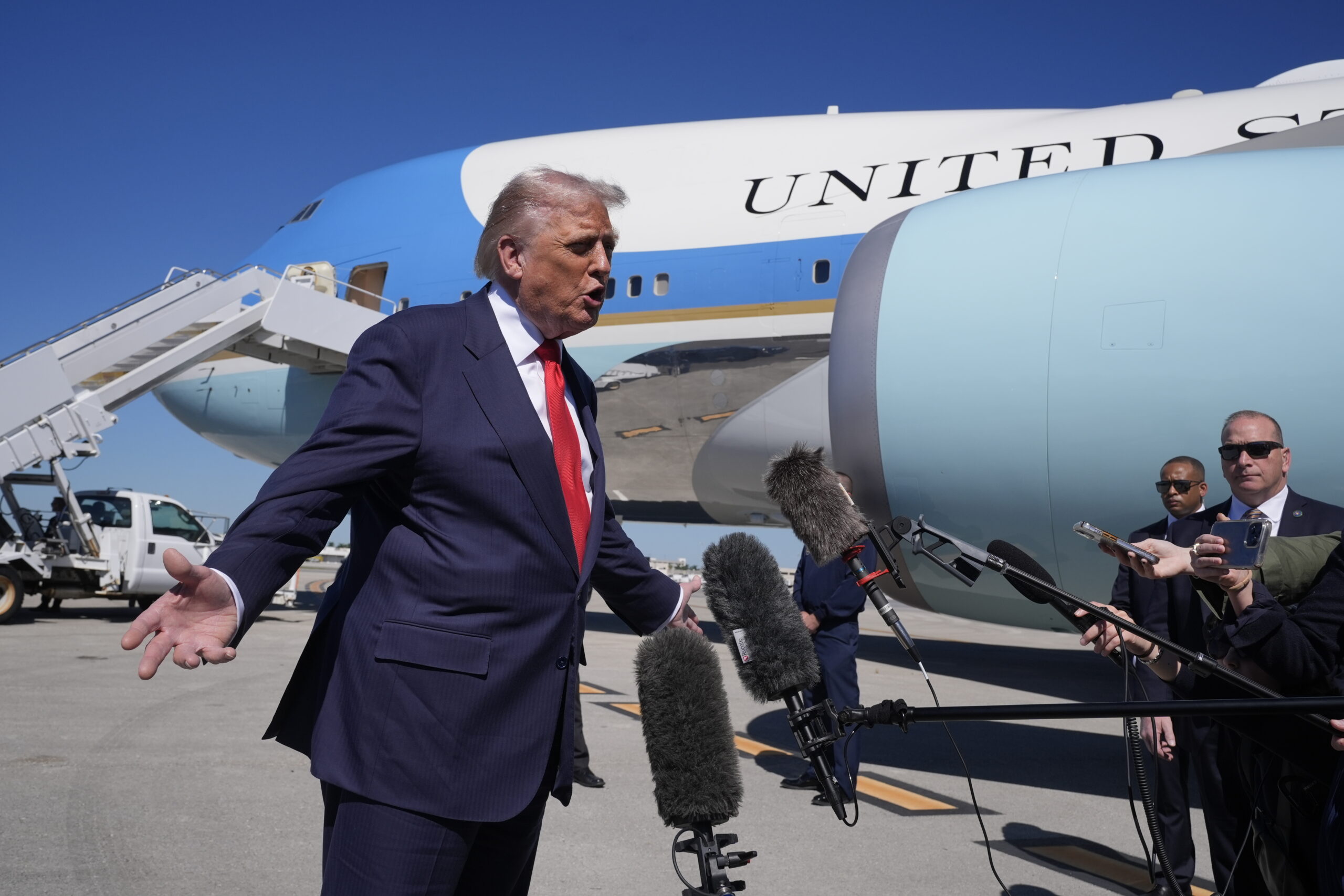
WASHINGTON (AP) — President Donald Trump is heading to Miami on Wednesday, the anniversary of his reelection to a second term, to speak to a forum of business leaders and global athletes about what he sees as his economic achievements.

His speech to the American Business Forum will provide a broad look at his economic agenda and highlight how investments he has secured abroad are benefiting U.S. communities, according to a senior White House official. This marks a significant effort from Trump to put a positive spin on the economy, especially at a time when Americans remain uneasy about their finances and the cost of living. Many of Tuesday’s election campaigns were centered on issues of affordability and economic stability.

The AP Voter Poll, which surveyed more than 17,000 voters in New Jersey, Virginia, California, and New York City, indicated that the public is concerned about higher prices and fewer job opportunities. These worries persist despite Trump’s promises to tame inflation and spur growth.

In his speech, Trump is expected to address key issues including deregulation, energy independence, oil prices, and affordability, according to the senior White House official, who spoke on condition of anonymity to preview the president’s remarks.

Last week, Trump spent five days in Asia with stops in Malaysia, Japan, and South Korea, working to ease trade tensions with Beijing in a meeting with Chinese leader Xi Jinping. In Tokyo, he advocated for several major energy and tech projects that Japan will help fund for the U.S.

Miami Mayor Francis Suarez said he believes Trump’s recent travels “have been transformational in his presidency” and described the upcoming speech as a highlight of the forum. Organizers have characterized the event as a more accessible version of high-profile gatherings like the World Economic Forum in Davos, Switzerland, or the Milken Institute Global Conference, which convene the world’s elite for discussions on the economy.

“This conference not only is creating this incredible collection of people, but it’s also creating them in a particular moment in time,” said Suarez, a Republican.

Trump’s visit also underscores Miami’s growing influence during his second term. Next year, Trump is set to host leaders from the world’s leading rich and developing economies at the Group of 20 summit, to be held at his golf club in the nearby city of Doral. This decision has sparked criticism over the potential appearance of impropriety, though Trump has maintained that his family’s business will not profit from hosting the summit.

Trump’s sons are currently running the Trump Organization while their father is in office. The president has also stated that his family’s business will not make any money by holding the summit at the golf club.

Miami is also where Trump hopes to locate his future presidential library, although a legal challenge is underway regarding whether a plot of land in downtown Miami is being properly transferred for this purpose.

Additionally, Miami is one of the U.S. host cities for next year’s World Cup—an event the president has eagerly promoted as the kickoff to several major global sporting events that the U.S. will host. Ensuring the success of the World Cup has become a top priority for the Trump administration.
https://www.bostonherald.com/2025/11/05/trump-miami/

What to know about the Supreme Court arguments over Trump’s tariffs

**Supreme Court to Decide Fate of Trump’s Emergency Tariffs**

WASHINGTON — Three lower courts have ruled illegal President Donald Trump’s use of emergency powers to impose worldwide tariffs. Now, the Supreme Court—featuring three justices appointed by Trump who are generally favorable toward expanded presidential power—will have the final say.

In roughly two dozen emergency appeals, the justices have largely sided with Trump, temporarily allowing parts of his aggressive second-term agenda to take effect while lawsuits play out. However, the case being argued Wednesday marks the first time the court will issue a definitive decision on a major Trump policy.

**Why This Case Matters**

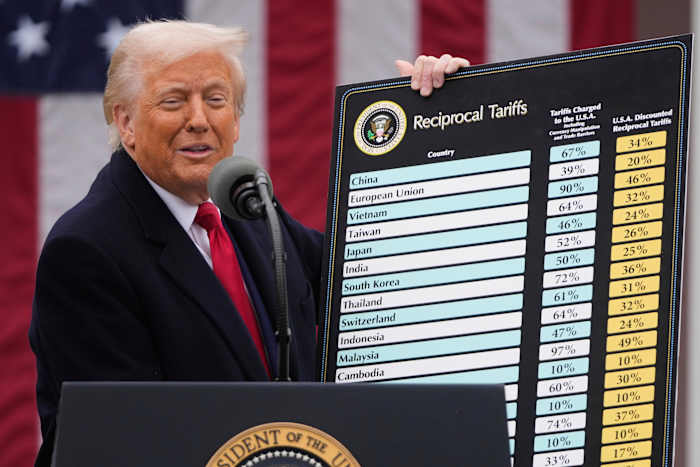
The stakes are enormous, both politically and financially. Tariffs have been central to Trump’s economic and foreign policy strategy, and he has described a negative Supreme Court ruling as a potential “disaster.” The outcome will have broad implications for presidential powers and the economic future of the United States.

**Understanding Tariffs**

Tariffs are taxes on imports. They are paid by companies importing finished products or parts, with the added cost often passed on to consumers. Through September, the government reported collecting $195 billion in revenue from tariffs.

The Constitution gives Congress the authority to impose tariffs. However, Trump claimed extraordinary power to act without congressional approval by declaring national emergencies under the 1977 International Emergency Economic Powers Act (IEEPA).

In February, he invoked IEEPA to impose tariffs on Canada, Mexico, and China, arguing that the illegal flow of immigrants and drugs across the U.S. border constituted a national emergency demanding further action from these countries. By April, Trump imposed worldwide tariffs after declaring America’s longstanding trade deficits “a national emergency.”

**Legal Challenges**

Libertarian-backed businesses and several states challenged Trump’s tariffs in federal court. They secured favorable rulings from:

– A specialized trade court
– A district judge in Washington, D.C.
– A business-focused appeals court also in the nation’s capital

These courts found that Trump could not justify the tariffs under the emergency powers law, which doesn’t mention tariffs. However, the courts allowed the tariffs to remain in place while the legal process continued.

**The ‘Major Questions’ Doctrine**

The appeals court relied on the “major questions” legal doctrine, created by the Supreme Court. This doctrine requires Congress to clearly address matters of “vast economic and political significance.” It previously doomed several Biden administration policies, including:

– The eviction moratorium during the coronavirus pandemic
– A vaccine mandate for large businesses
– Student loan forgiveness totaling $500 billion over 10 years

In comparison, the stakes in the Trump tariff case are even higher—tax revenues from these tariffs are estimated to reach $3 trillion over ten years. Challengers to the tariffs have cited writings by Trump appointees Amy Coney Barrett, Neil Gorsuch, and Brett Kavanaugh, urging the court to apply similar limitations to Trump’s signature policy.

For example, Barrett compared ambiguous congressional instructions to a babysitter’s vague directive to “make sure the kids have fun,” noting that such instructions could be interpreted in dramatically different ways. Kavanaugh, however, has suggested that the court should avoid imposing such limiting standards in foreign policy and national security contexts.

A dissenting appellate judge also argued that Congress intentionally gave presidents more leeway under the emergency powers law.

**A Renewed Nondelegation Challenge**

Some businesses challenging the tariffs have also raised a separate constitutional argument, claiming Congress cannot delegate its taxing power to the president. The so-called “nondelegation principle” hasn’t been used by the Supreme Court in 90 years, since striking down parts of the New Deal. Justice Gorsuch, joined by Justices Alito and Thomas, recently authored a dissent advocating for stricter limits on congressional delegations of power.

**Expedited Supreme Court Review**

The Supreme Court agreed to hear the tariff case in September and scheduled arguments less than two months later—a rapid turnaround by its standards. This likely means the justices will act swiftly. While most high-profile cases take half a year or more to resolve, the court has demonstrated an ability to decide quickly when necessary.

For example, the justices recently issued a unanimous ruling only a week after hearing arguments in the TikTok case, upholding a law requiring the popular social media app to be banned unless sold by its Chinese parent company. Trump has frequently intervened to keep laws like these from taking effect while negotiations continue.

**What’s Next?**

The Supreme Court’s upcoming decision on Trump’s emergency tariffs will shape both the balance of power between Congress and the presidency and the economic landscape for years to come. Observers across the political and business spectrum are watching closely as the justices prepare to weigh in on this landmark case.
https://www.clickorlando.com/business/2025/11/05/what-to-know-about-the-supreme-court-arguments-over-trumps-tariffs/

Only Reduced Food Stamps Benefits Will Be Issued, and May Take Months to Get To You

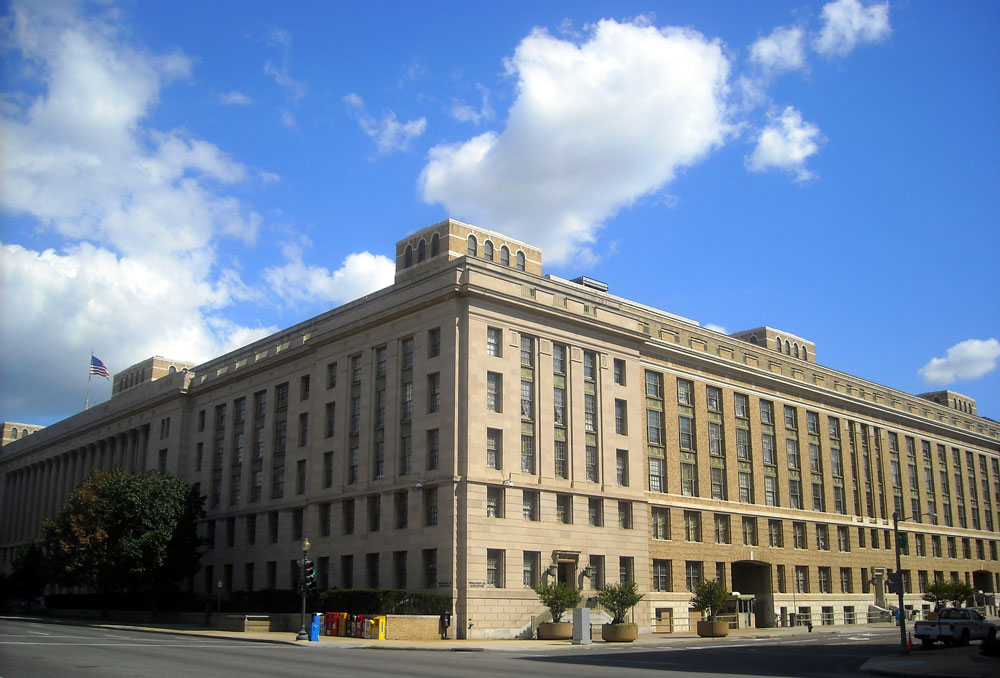
The U.S. Department of Agriculture (USDA) announced on Monday that it will pay about half of November benefits for the Supplemental Nutrition Assistance Program (SNAP). However, the department warned that benefits could take months to flow to recipients. This update came in a brief submitted to a federal court in Rhode Island.

### Partial Payment Amid Shutdown

The USDA’s four-page report responded to U.S. District Chief Judge John J. McConnell Jr.’s order. The judge instructed President Donald Trump’s administration to pay at least a portion of benefits to the 42 million people who receive SNAP assistance by the end of Wednesday, despite the ongoing government shutdown.

Notably, the USDA’s action did not clarify what would happen if the shutdown continues beyond November.

### Political Backlash

Leading Democrats in Congress sharply criticized the administration’s decision to pay only part of the monthly benefits. They accused President Trump of willfully denying food assistance to needy Americans.

Senate Democratic Leader Chuck Schumer of New York said, “Providing partial benefits is not enough, is not compliant with the law, and it’s particularly cruel of Trump with the Thanksgiving season around the corner.”

### Judge’s Options and USDA’s Choice

On Saturday, Judge McConnell laid out two options for the administration:

– Pay partial benefits by the end of Wednesday using a contingency fund that currently has about $4.65 billion available.
– Pay full month benefits by utilizing other reserve sources, such as funds from the child nutrition program, by the end of Monday.

The USDA chose to use the contingency fund, giving the department until Wednesday to distribute benefits.

### Delays Expected in Benefit Distribution

Patrick A. Penn, USDA’s deputy under secretary for food, nutrition, and consumer services, noted that administrative hurdles in calculating and delivering half-month benefits could delay payments “anywhere from a few weeks to up to several months.”

According to the status report, USDA began the process of resuming payments on Monday to comply with Judge McConnell’s order. The report stated:

> “USDA will fulfill its obligation to expend the full amount of SNAP contingency funds today by generating the table required for States to calculate the benefits available for each eligible household in that State. USDA will therefore have made the necessary funds available and have authorized the States to begin disbursements once the table is issued.”

### Challenges in Processing Payments

While Judge McConnell acknowledged that calculating reduced benefits would take time, giving USDA until Wednesday if choosing the partial funding route, Penn said this timeline was insufficient. Some states have outdated systems for processing benefits, contributing to delays.

The federal government planned to provide updated benefit tables by Monday. States then need to send updated files to vendors who process benefits and load funds onto beneficiaries’ Electronic Benefit Transfer (EBT) cards used for groceries.

### A Lengthy Shutdown

Monday marked the 34th day of the federal government shutdown, which began October 1 after Congress failed to approve funding or pass a temporary spending bill. The U.S. Senate was expected to hold another procedural vote to advance the House-passed GOP stopgap bill that would fund the government at fiscal 2025 levels through November 21.

Democrats have opposed this measure to push for negotiations on expiring tax credits for Affordable Care Act marketplace health insurance buyers.

If the shutdown continued past Tuesday, it would tie the longest government shutdown in history, from 2018 to 2019.

### Contingency Fund Dispute

Before October ended, the administration had claimed it was legally barred from using the contingency fund, originally intended for natural disasters and emergencies, to pay SNAP benefits during the shutdown.

However, two federal judges ruled on October 31 that the USDA could and must use the fund to keep SNAP benefits flowing.

Saturday marked the first lapse in benefit payments since SNAP’s inception during President Lyndon B. Johnson’s War on Poverty.

Program advocates and experts warned that users would experience delays in receiving November benefits as the administration worked to restart payments.

### Funding and Spending Breakdown

Interestingly, this stance was a reversal from a USDA shutdown plan issued on September 30, which explicitly called for using the contingency fund to maintain benefits.

SNAP costs the federal government about $9 billion monthly. While USDA did not use the contingency fund to pay regular benefits, it spent approximately $750 million of the original $6 billion during October:

– $450 million for state administrative expenses
– $300 million for block grants to Puerto Rico and American Samoa

For November, USDA planned to spend $450 million on administrative expenses and $150 million for block grants, leaving about $4.65 billion available to pay benefits.

### Child Nutrition Funds Off-Limits

Deputy Under Secretary Penn also explained why USDA chose not to use funds from the child nutrition program to cover the SNAP shortfall, emphasizing the importance of preserving that fund.

> “Child Nutrition Program funds are not a contingency fund for SNAP,” he said. “Using billions of dollars from Child Nutrition for SNAP would leave an unprecedented gap in Child Nutrition funding that Congress has never had to fill with annual appropriations, and USDA cannot predict what Congress will do under these circumstances.”

The child nutrition program supports school meals, summer meals for children, and summer EBT benefits for low-income families. The school lunch program alone serves around 29 million children daily.

### Democratic Response: “Not Acceptable”

Democrats expressed dismay at the partial funding decision.

Senator Patty Murray of Washington state wrote on social media:

> “Just now paying the bare minimum to partially fund SNAP is not enough, and it is not acceptable. Trump should immediately work to fully fund benefits under the law.”

Rep. Rosa DeLauro, the ranking member of the House Appropriations panel, called the situation “entirely avoidable,” accusing Trump of using hungry children, seniors, and veterans as political pawns.

> “Now, only partial benefits will be sent out late, and families will go hungry, while this administration continues to host lavish parties for their billionaire donors and political allies,” DeLauro said.

She urged USDA to “put politics aside and use the money they have available to ensure families do not go hungry.”

### House Speaker Defends Administration

At a press conference Monday, U.S. House Speaker Mike Johnson defended Trump’s handling of the SNAP payments.

He stated, “The president is desperate for SNAP benefits to flow to the American citizens who desperately rely upon it.”

Johnson echoed arguments by Agriculture Secretary Brooke Rollins that the agency was legally constrained from tapping the contingency fund if the underlying fund was suspended.

He blamed congressional Democrats for voting against the stopgap spending bill and noted that two judges who ordered payments to resume—Judge McConnell and Judge Indira Talwani of Massachusetts—were appointed by Democratic former President Barack Obama.

Judge Talwani ruled Friday that USDA’s pause on SNAP was illegal but gave the administration until Monday to respond before she considers forcing benefits to be paid despite the shutdown.

Johnson acknowledged the complexity of releasing funds:

> “It’s not as easy as hitting go on a computer. You’ve got to go through and recalculate partial payments to the 42 million recipients of the program. That puts a huge burden on states and on the feds to try to figure that out in short order.”

*Reporters: Jacob Fischler, Shauneen Miranda, Florida Phoenix.*
https://flaglerlive.com/only-reduced-food-stamps-benefits-will-be-issued-and-may-take-months-to-get-to-you/

‘Bowing down to him’: Supreme Court faces ‘awkward’ predicament in new Trump case

The New York Times reports that on Wednesday, the Supreme Court will “consider for the first time whether to say ‘no’” to President Donald Trump “in a lasting way” as they weigh in on the president’s use of emergency powers to impose sweeping tariffs on nearly every U.S. trading partner.

According to the Times, the case is a difficult one, made even more complex by Trump’s efforts to personalize the dispute. Observers of the court noted that the justices would be keenly aware that Mr. Trump would perceive a legal defeat as a personal blow.

Donald B. Verrilli Jr., who served as solicitor general during the Obama administration, agrees, saying, “You can’t help but think that that’s going to be hovering over the decision-making process in this case.”

So far, the Supreme Court’s six conservative justices have been receptive to Mr. Trump’s claims of presidential authority, the Times says. However, the tariffs case marks the first time the justices will weigh in on the underlying legal merits of Trump’s actions.

“At the end of this term, we’ll see wins and losses for Trump on presidential power,” said Jack Goldsmith, a Harvard Law School professor and former top Justice Department lawyer under George W. Bush. “This is the case I think is the closest, so I don’t know which way it will cut.”

The Times notes that this case has divided the conservative legal community. Trump’s lawyers argue that an obscure 1977 statute gives him broad authority to impose tariffs when he believes an emergency exists. However, that law does not specifically mention tariffs, taxes, or duties.

“Emergency powers are meant to be used in emergencies,” said Michael W. McConnell, a former federal appeals court judge nominated by President George W. Bush, who is leading a coalition of small businesses challenging the tariffs. “No Supreme Court would want to provoke a confrontation with a president of the United States unnecessarily, but on the other hand, the law is the law.”

University of Texas at Austin law professor Tara Lee Grove believes it may be “a stretch” to characterize trade deficits as an emergency. Still, she says the 1977 statute “is broad and appears to give the president a lot of discretion.”

“The justices will be struggling with whether they want to second-guess any presidential decision about an emergency,” Grove added.

Court observers have pointed to a dissenting opinion from Judge Richard G. Taranto, appointed by President Barack Obama, as a possible guidepost for the Supreme Court’s conservatives should they decide to back Trump. Taranto argued that Congress intentionally used broad language to give presidents flexibility, embodying “an eyes-open congressional grant of broad emergency authority in this foreign affairs realm.”

D. John Sauer, the solicitor general, stated that Trump’s use of the 1977 statute to impose tariffs was not an unlimited delegation of power and referenced Judge Taranto’s dissent ten times in his filing.

Grove notes that the court will face a “legitimacy dilemma” as they weigh the implications of their decision for the president’s legacy and the economy. “No matter what they do in this case, it will be painted as political,” she says.

Goldsmith believes the Supreme Court still maintains some integrity, but if Trump attends oral arguments as he has indicated, it could make the situation “awkward.”

“I doubt the court wants to be perceived as bowing down to him,” Goldsmith said, “but if Trump does show up, it’s just going to make it harder for them to rule for him.”
https://www.alternet.org/trump-tariffs-supreme-court-2674259628/

Trump amenaza con posible acción militar en Nigeria por el asesinato de cristianos

El presidente Donald Trump instruyó al Departamento de Defensa de Estados Unidos para iniciar los preparativos de una “posible acción militar” en Nigeria, con el objetivo de eliminar a los terroristas islámicos responsables del asesinato de cristianos en ese país.

A través de su plataforma Truth Social, Trump acusó formalmente al Gobierno nigeriano de “permitir la matanza de cristianos”. En su publicación, advirtió:

“Si el Gobierno nigeriano sigue permitiendo la matanza de cristianos, Estados Unidos detendrá inmediatamente toda la ayuda y asistencia a Nigeria, y muy bien podría intervenir en ese ahora desprestigiado país, blandiendo armas, para eliminar completamente a los terroristas islámicos que están cometiendo esas horribles atrocidades”.

Asimismo, el presidente estadounidense declaró a Nigeria como “país de especial preocupación”, una designación oficial que se reserva para naciones involucradas en graves violaciones de la libertad religiosa.

### Intervención sería “rápida, despiadada y dulce”

Trump describió la posible intervención militar como un proceso que sería “rápida, despiadada y dulce, como los matones terroristas atacan a nuestros queridos cristianos”. Además de dar la orden de prepararse para una “posible acción”, instó al Gobierno nigeriano a “moverse rápido”.

Estas declaraciones surgen después de una serie de denuncias realizadas el día anterior, en las que el presidente estadounidense calificó de “masacre” la violencia contra cristianos en Nigeria.

### Gobierno nigeriano rechaza las afirmaciones de Trump

En respuesta, el Gobierno de Nigeria, encabezado por el presidente Bola Ahmed Tinubu, rechazó las acusaciones de la Casa Blanca, afirmando que “no reflejan la realidad sobre el terreno”.

La administración nigeriana reiteró su “compromiso de luchar contra el terrorismo, fortalecer la armonía interreligiosa y proteger la vida y los derechos de todos sus ciudadanos”, según comunicados oficiales.

### Violencia yihadista presente desde hace 16 años

La situación de seguridad en el noreste de Nigeria se ha visto afectada desde 2009 por los ataques del grupo yihadista Boko Haram, que se intensificaron en 2016 con la aparición de su escisión, el Estado Islámico de la Provincia de África Occidental (ISWAP).

Ambos grupos buscan imponer un Estado islámico en Nigeria, un país que se caracteriza por tener una mayoría musulmana en el norte y una población predominantemente cristiana en el sur.

Datos oficiales indican que Boko Haram y el ISWAP han causado la muerte de más de 35,000 personas — muchas de ellas musulmanas — y han generado aproximadamente 2.7 millones de desplazados internos, principalmente en Nigeria y sus países vecinos: Camerún, Chad y Níger.

*Con información de EFE.*
https://eldiariony.com/2025/11/02/trump-amenaza-con-posible-accion-militar-en-nigeria-por-el-asesinato-de-cristianos/

Bitcoin Broke the Uptober Streak, but a Handful of Altcoins Managed to Finish Higher

Bitcoin closed October lower, snapping its six-year “Uptober” streak, while BNB eked out a gain as a mid-month jolt left most majors stuck below early highs.

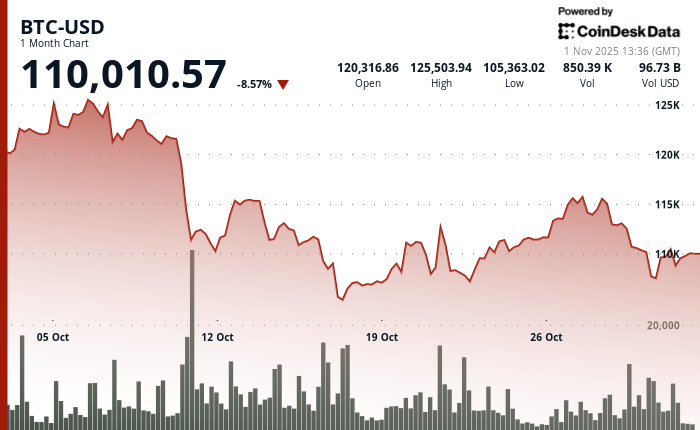
The shock landed on October 10, when President Donald Trump threatened steep new tariffs on China amid rare-earth tensions, touching off a broad risk-off move. Bitcoin slid from roughly the low $120,000s toward about $105,000 in fast trade, and altcoins fell harder as thin liquidity met heavy leverage.

Over October 10-11, derivatives venues auto-liquidated an estimated tens of billions of dollars in positions, and more than half a trillion dollars in market value evaporated before a shaky rebound set a floor. This was a macro headline colliding with crowded positioning, not a crypto-specific catalyst.

By month’s end, CoinDesk Data showed Bitcoin finishing October in the red, breaking what traders call “Uptober.” On CoinGlass’s Bitcoin Monthly Returns heat map, October 2025 is the first red October since 2018 and ends a green run that stretched from 2019 through 2024.

This lore matters because the pattern persisted across very different regimes—late-cycle surges and post-sell-off recoveries alike. So, a miss in 2025 resets expectations and reminds traders that seasonality is a tendency, not a promise.

The month’s shape was remarkably consistent across one-month TradingView charts. Bitcoin started firm, suffered the synchronized October 10-11 air pocket, then spent the back half of the month climbing without retaking its early peak.

Ether traced the same flush-base-fade arc and stalled beneath the round-number band it tested in the first week. Solana and XRP echoed that rhythm with a sequence of lower highs into the final sessions.

In practical terms, late rebounds did not flip resistance into support, which is why the monthly candles printed red for those four.

BNB broke ranks. It absorbed the mid-month downdraft, carved higher lows through the final third of the month, and closed October about 4.2% higher—leaving a green print while peers slipped.

Outside the top 10, several names also finished October up, including ZEC, XMR, and WBTC, underscoring that pockets of strength persisted beneath the surface even as leaders cooled.

Why the “Uptober” brand stuck is straightforward. It is a community nickname born from Bitcoin’s tendency to post gains in October over the past decade, reinforced by that CoinGlass grid showing every October from 2019 through 2024 in the green.

Flipping the cell to red this year does not erase the historical tilt, but it does nudge risk management back to tape confirmation rather than calendar confidence.

The numbers that different dashboards show can diverge for mundane reasons. CoinGlass presents calendar-month, close-to-close results that isolate October. Rolling 30-day readings on major trackers update continuously and often include early-October highs, so they can show a steeper decline into November 1 even when the strict calendar month looks milder.

The direction is the same; the measurement window drives the magnitude.
https://bitcoinethereumnews.com/bitcoin/bitcoin-broke-the-uptober-streak-but-a-handful-of-altcoins-managed-to-finish-higher/?utm_source=rss&utm_medium=rss&utm_campaign=bitcoin-broke-the-uptober-streak-but-a-handful-of-altcoins-managed-to-finish-higher

King Trump! At Long Last, a Crown!

We here at The American Spectator have justly lampooned the No Kings crowd. They’re easy to poke fun at, given that their very name and message is, well, obviously incorrect.

Donald Trump has been called numerous things by the Left, most of which are at least subjective and debatable. For instance, one could argue in circles about how to best define the “democracy” that Trump is somehow unilaterally destroying. But a king? That’s pure nonsense from the get-go.
(RELATED: The Ridiculous No Kings Protest)

Donald Trump is, of course, not a monarch. Even if Donald Trump wanted to be king, he couldn’t. Gosh, Trump can’t even abolish the loathsome Department of Education. That’s because in our constitutional system of separation of powers and checks and balances, the legislative branch stops him.
(RELATED: Linda McMahon Body-Slams Woke Classrooms)

And yet, speaking of education, that hasn’t stopped the dimwits at the American Federation of Teachers from pushing the No Kings movement. The AFT’s website, the morning of the recent nationwide No Kings rallies, was filled with silly, incendiary language on “Why fascists fear teachers” and “No crowns, no thrones, no kings.”

Gadzooks, you would think that teachers would know that Trump not only isn’t a king but has neither a crown nor throne! The AFT ought to be educating kids in a proper understanding of what words like “monarch” and “fascist” actually mean.
(RELATED: The Spectacle Ep. 289: No Kings, Just Clowns: The Boomer Rebellion Against Reality)

Apparently, the ignorance that pervades American public education starts at the top. To his immense credit, Donald Trump has seized upon the spectacle to have a little fun. He has trolled the No Kings crowd, posting manipulated photos of himself wearing a crown, which no doubt had them howling even louder: “See! See! We said he wants to be king! There you go!”
(RELATED: The ‘No Kings’ Phonies)

But alas, amid our lampooning of the No Kings howlers, it looks like they’re having the last laugh. Well, not the last laugh, because they don’t laugh — they’re too angry. I should say, the No Kings howlers are having the last word. They’ve been suddenly vindicated.

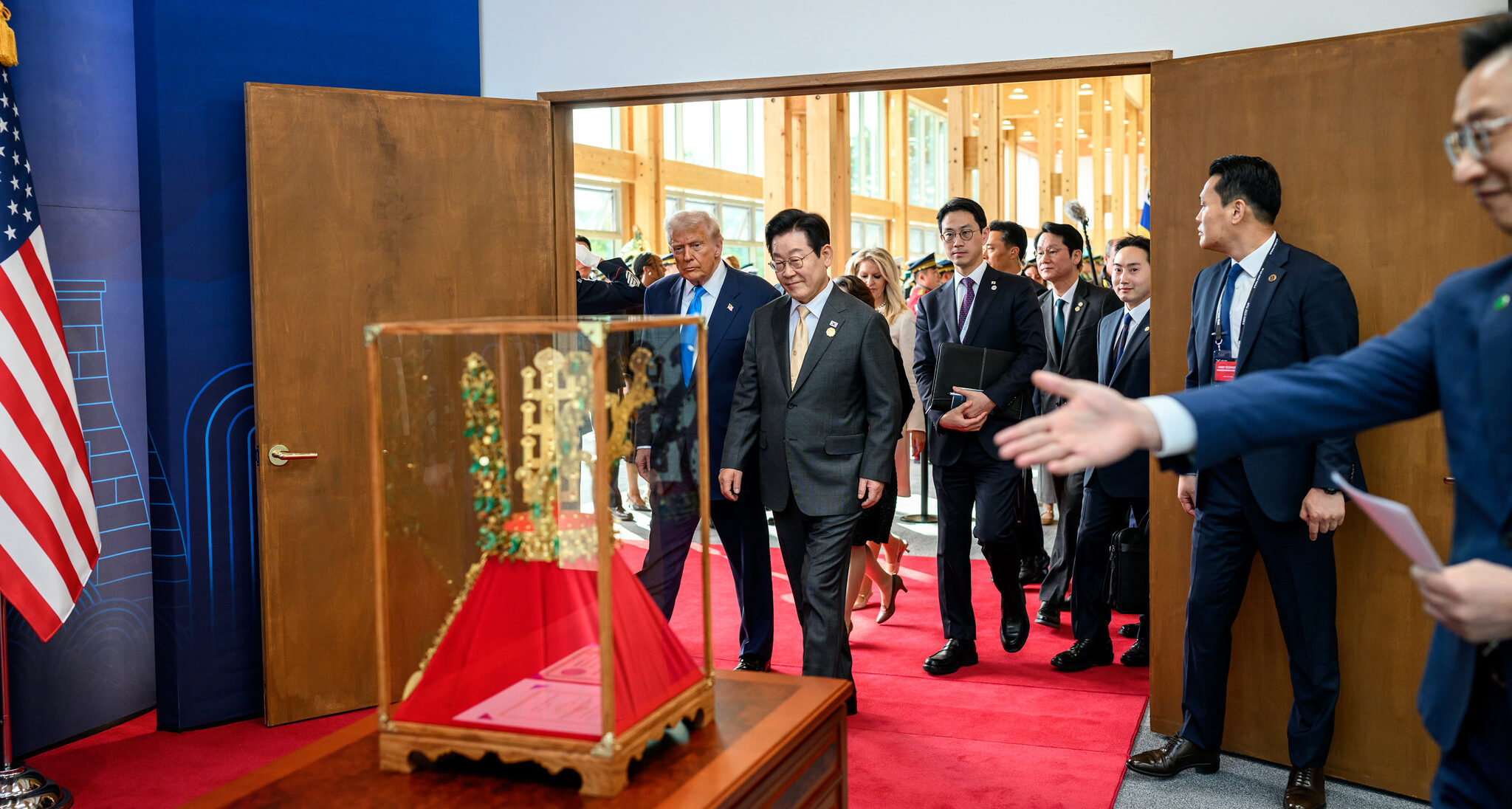
That is because Donald Trump, ladies and gentlemen, has in fact received a crown. Yes, it is true. If you didn’t catch the news, Donald J. Trump received a crown during his current swing through Asia.

South Korean President Lee Jae Myung on Wednesday made Trump the first American president to receive South Korea’s highest honor, the Grand Order of Mugunghwa, replete with a replica of the golden Cheonmachong crown.

No doubt, Trump can’t spell, let alone pronounce, “Mugunghwa” or “Cheonmachong.” But what does that matter? Mugunghwa or cowabunga, Trump at long last got his crown!

Before I extend my congratulations to His Highness, let me add a few words of explication about South Korea, a country that I’ve lectured on for decades and alternately admire and find a little crazy. Not to rain on King Trump’s special parade.

South Korea is quite the political soap opera. The country’s leadership has been mired in scandal for decades, and especially throughout the last year. The current leader who crowned Trump, Lee Jae Myung, who is a member of the Democratic Party of Korea — yes, a Democrat — took power last June after the impeachment, expulsion, and arrest of the previous leader, Yoon Suk Yeol, a right-leaning populist and nationalist who was being dubbed the “South Korean Donald Trump.”
(RELATED: KPop Demon Hunters and South Korea’s Out of Control Lawfare)

The American Left characterizes Jan. 6, 2021, as an attempted coup by Donald Trump, an insurrection that left the nation’s capital teetering on the brink of near-martial law. But in fact, South Korea’s Yoon Suk Yeol was the real McCoy.

Last January (as noted ironically in a January 6 piece for The American Spectator by Doug Bandow), Yoon declared martial law and deployed troops to the legislature, the National Assembly. These were real troops, not a bunch of yahoos banging on the side of a building with sticks. This very unpopular action by Yoon triggered his impeachment and indictment.
(RELATED: South Korea’s President Commits Self-Immolation)

Yoon’s authoritarian tactics harkened back to South Korea’s days under military rule, with leaders like Park Chung-hee, who ruled the country from 1961 to 1979 before being assassinated. There had been several assassination attempts against Park. His wife was killed in one of them.

Their daughter was elected president decades later, but alas, she — Park Geun-hye — was driven out of office in 2017 and likewise put under arrest, given a 24-year prison sentence.

Even South Korea’s new president has faced drama and serious danger. An assassination attempt was made against him as well (in January 2024). And I assure you, this is a mere short list of South Korean high-ranking officials targeted over the past 50-plus years (including Nobel Peace Prize winner and heroic dissident Kim Dae-Jung).

South Korea is a wild place. No, it isn’t as crazy as the lunatic asylum run by the House of Kim up north — a communist-totalitarian monarchy — but at times it seems like an Asian Wild West.

So, South Korea knows an authoritarian when it sees one! This will make sense to the No Kings folks. They will tell you — actually, they will scream from the streets — that Donald Trump is an authoritarian.

South Korea’s leaders apparently know a king when they see one. Thus, they took the step of awarding Trump the crown that our homegrown No Kings movement had seen coming along.

The irony was not lost on the political scientists at the New York Times. America’s newspaper of record confirmed in a headline, “Trump Has Likened Himself to a King. South Korea gave Him a Crown.”

Indeed, New York Times. Spot on. Brilliant analysis.

And so, there you go! The likes of the American Federation of Teachers have shown themselves not to be the dunces we thought they were, but rather astute political prognosticators. I guess they, too, know a monarch when they see one. Impressive, AFT. Who would’ve thunk it?

The No Kings movement has proved astutely prophetic. Here’s hoping that Trump will start wearing his crown soon. I suggest The Donald don the crown for his next State of the Union address. I think the liberals would love that.

Pop Music Isn’t as Popular
Happy Indigenous Peoples’ Day!
https://spectator.org/king-trump-at-long-last-a-crown/

‘Terrified’: Jasmine Crockett believes she has Trump on the ropes — and he’s panicking

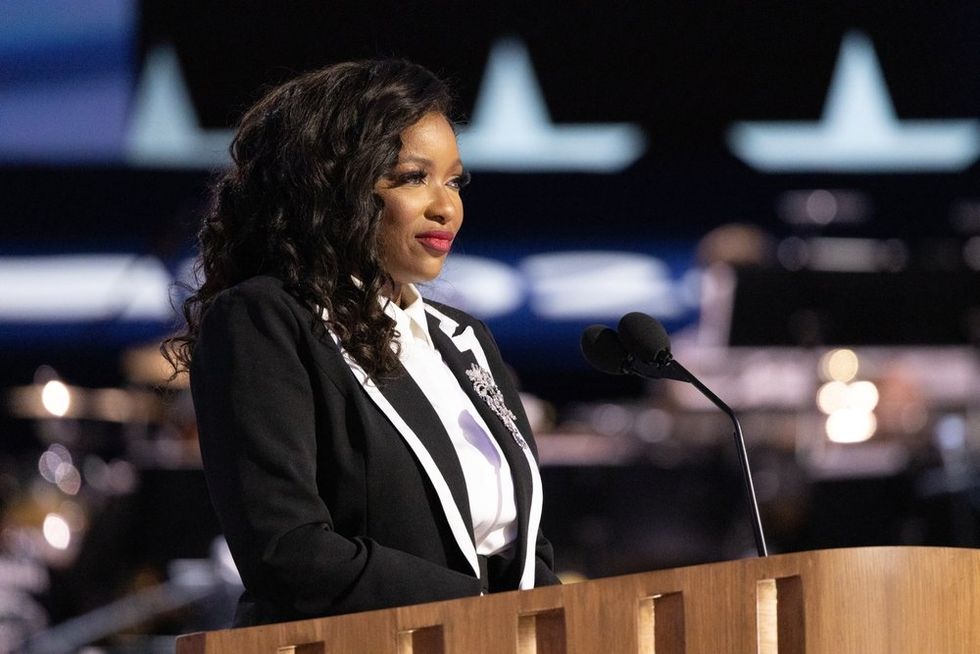
President Donald Trump’s frequent attacks on Rep. Jasmine Crockett (D-TX) reflect his growing fear of the Democratic lawmaker—at least according to Crockett herself. Her clashes with right-wing media and lawmakers have helped propel her onto the national stage.

“I process [attacks from Trump and right-wing media] as they believe that I’m a threat,” Crockett told Politico. “Listen, you’re not talking about anybody who’s not relevant. That’s just the reality. No one is wasting capital on anyone that is not relevant.”

While Trump is known for frequently lashing out at Democratic lawmakers, Crockett has been among the most frequent targets of his attacks. He’s called her a “lowlife,” a “very low-IQ person,” and even compared her unfavorably to Rep. Alexandria Ocasio-Cortez (D-NY), saying Crockett is “only slightly dumber.”

For Crockett, however, Trump’s attacks serve as an admission that he views her as a growing threat—one he tries to “thwart before they rise too much.”

“I think that personally they are threatened. When you look at AOC, AOC is the highest-fundraising member in the U.S. House, period. Above Democrats, Republicans, that is number one,” Crockett explained. “When you look at the crowds that she garners when she goes out, that’s a scary thing for him, right? And a lot of the people that I believe that he wants to appeal to, AOC is one of the few people that can actually break through. I would argue that as much as I go against him, I would imagine that I get some of those folk too.”

Crockett hasn’t held back in returning jabs at Trump. After being called a “low IQ person,” she responded by noting, “You sure [do] have my name in your mouth a lot,” adding that his attacks are proof he is “terrified of smart, bold Black women telling the truth and holding you accountable.”
https://www.rawstory.com/jasmine-crockett-2674253246/

‘What Happens In Nevada’: Democrats Can’t Stop Ranting About Trump’s Nuclear Weapons Move While Shutdown Rages

As the government shutdown surges toward becoming the longest in U.S. history, Senate Democrats are condemning President Donald Trump’s Wednesday evening declaration that his administration will resume nuclear weapons testing.

Trump posted on Truth Social on Wednesday that he had “instructed the Department of War to start testing our Nuclear Weapons on an equal basis,” arguing that Russia and China were conducting their own tests and that America must match their efforts. The president stated that the U.S. already possesses the world’s largest nuclear arsenal, noting that this, and the modernization of the weapons, had occurred during his first term.

Democratic Nevada Sen. Jacky Rosen issued an emotional rebuke, arguing that nuclear testing could possibly bring radioactive “contamination” beyond the desert.

“Trump’s going to start nuclear testing. Explosive nuclear testing. What happens in Nevada ain’t gonna’ stay there,” Rosen told reporters on Thursday after criticizing Senate Majority Leader John Thune. “The ground, the air, the water, all across this country, places like Utah, Nebraska, Idaho, keep going. Because the rain falls everywhere, the wind blows everywhere. And that contamination won’t stay isolated.”

Democratic Arizona Sen. Mark Kelly, a former astronaut and Navy pilot, said the U.S. has no need to test its nuclear weapons, and claimed the idea “benefits the Chinese.”

“We can model this stuff; we have enough data from hundreds, maybe up to a thousand tests,” Kelly told reporters. “This benefits the Chinese.”

*RELATED: [Trump Orders Department Of War To Restart Nuclear Weapons Tests]*

*Note: This article republished from The Daily Caller News Foundation. For any questions about their guidelines or partnering opportunities, please contact licensing@dailycallernewsfoundation.org.*
https://dailycaller.com/2025/10/30/democrats-trump-nuclear-testing-jacky-rosen-mark-kelly-richard-blumenthal/

Exit mobile version
Sitemap Index