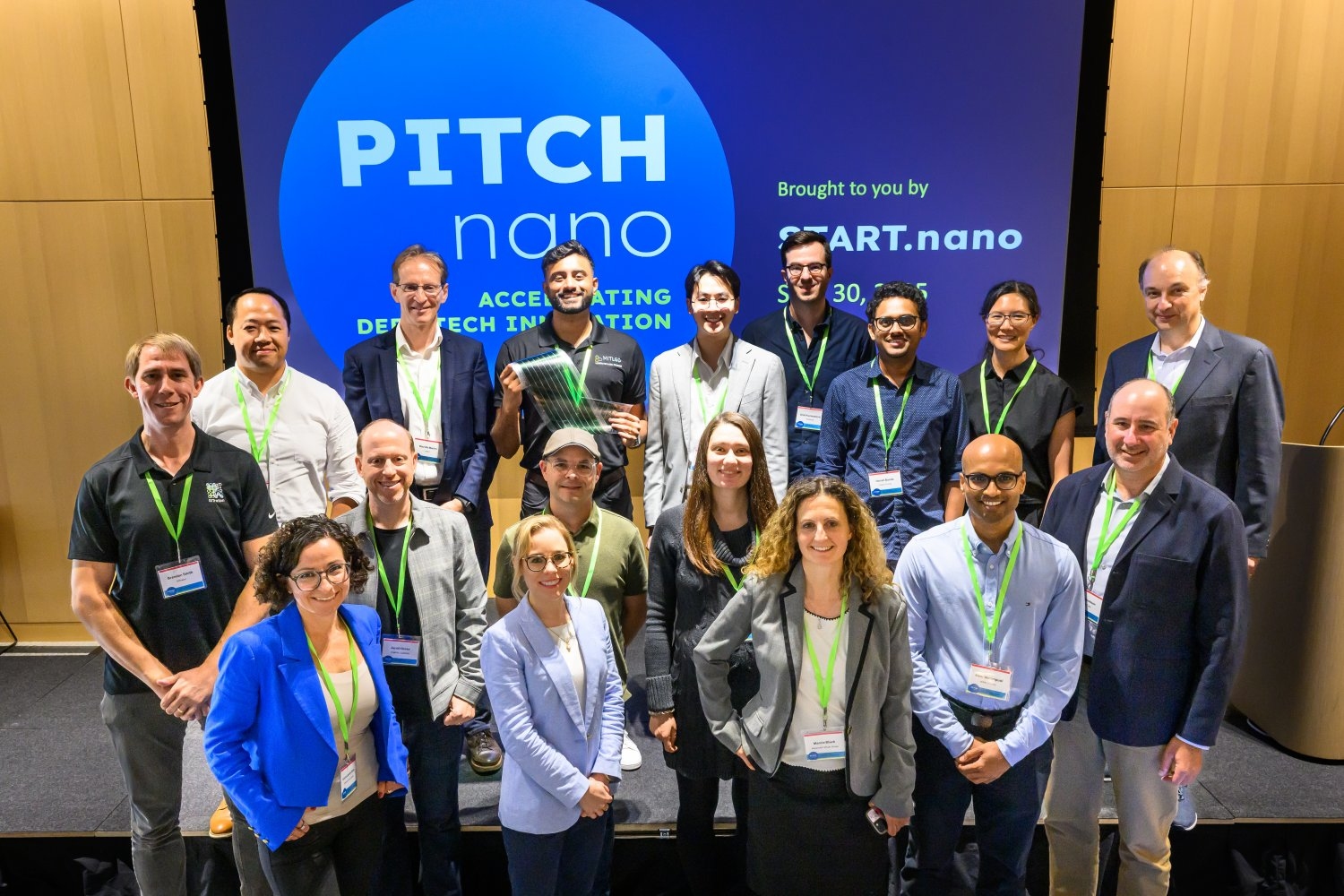
Solar energy startup Active Surfaces wins inaugural PITCH.nano competition

The inaugural PITCH.nano competition, hosted by MIT.nano’s hard technology accelerator START.nano, provided a platform for early-stage startups to present their innovations to MIT and Boston’s hard-tech startup ecosystem.

The grand prize winner was Active Surfaces, a startup generating renewable energy exactly where it is needed through lightweight, flexible solar cells. Active Surfaces aims to reimagine how photovoltaics are deployed in the built environment with its ultralight, peel-and-stick panels. Shiv Bhakta MBA ’24, SM ’24, CEO and co-founder, delivered the winning presentation to an audience of entrepreneurs, investors, startup incubators, and industry partners at PITCH.nano on September 30.

Active Surfaces received the grand prize of 25,000 nanoBucks—equivalent to $25,000—that can be spent at MIT.nano facilities.

“Why has MIT.nano chosen to embrace startup activity as much as we do?” asked Vladimir Bulović, MIT.nano faculty director, at the start of PITCH.nano. “We need to make sure that entrepreneurs can be born out of MIT and can take the next technical ideas developed in the lab out into the market, so they can make the next millions of jobs that the world needs.”

Bulović explained that the journey of a hard-tech entrepreneur takes at least 10 years and $100 million. By linking open tool facilities to startup needs, MIT.nano can make those first few years a little easier, helping more startups reach the scale-up stage.

“Getting VCs [venture capitalists] to invest in hard tech is challenging,” explained Joyce Wu SM ’00, PhD ’07, START.nano program manager. “Through START.nano, we provide discounted access to MIT.nano’s cleanrooms, characterization tools, and laboratories for startups to build their prototypes and attract investment earlier and with reduced spend. Our goal is to support the translation of fundamental research to real-world solutions in hard tech.”

In addition to discounted access to tools, START.nano helps early-stage companies become part of the MIT and Cambridge innovation network.

Inspired by the MIT 100K Competition, PITCH.nano was launched this year as a new opportunity to introduce hard-tech ventures to the investor and industry community. Twelve startups delivered presentations that were evaluated by a panel of four judges—venture capitalists and startup founders themselves.

“It is amazing to see the quality, diversity, and ingenuity of this inspiring group of startups,” said judge Brendan Smith PhD ’18, CEO of SiTration, a company that was part of the inaugural START.nano cohort. “Together, these founders are demonstrating the power of fundamental hard-tech innovation to solve the world’s greatest challenges in a way that is both scalable and profitable.”

The startups presenting at PITCH.nano spanned a wide range of focus areas:

– **Climate, Energy, and Materials:** Addis Energy, Copernic Catalysts, Daqus Energy, VioNano Innovations, Active Surfaces, and Metal Fuels
– **Life Sciences:** Acorn Genetics, Advanced Silicon Group, and BioSens8
– **Quantum and Photonics:** Qunett, nOhm Devices, and Brightlight Photonics

A common thread among these companies is their use of MIT.nano to advance their innovations.

“MIT.nano has been instrumental in compressing our time to market, especially as a company building a novel, physical product,” said Bhakta. “Access to world-class characterization tools normally out of reach for startups lets us validate scale-up much faster. The START.nano community accelerates problem-solving, and the nanoBucks award is directly supporting the development of our next prototypes headed to pilot.”

In addition to the grand prize, a 5,000 nanoBucks audience choice award went to Advanced Silicon Group, a startup developing a next-generation biosensor to improve testing in pharma and health tech.

Now in its fifth year, START.nano has supported 40 companies across diverse market areas including life sciences, clean tech, semiconductors, photonics, quantum, materials, and software. Fourteen START.nano companies have graduated from the program, proving its success in helping early-stage ventures progress from prototype to manufacturing.

“I believe MIT.nano has a fantastic opportunity here,” said judge Davide Marini, PhD ’03, co-founder and CEO of Inkbit, “to create the leading incubator for hard tech entrepreneurs worldwide.”
https://news.mit.edu/2025/active-surfaces-wins-inaugural-pitchnano-competition-1020

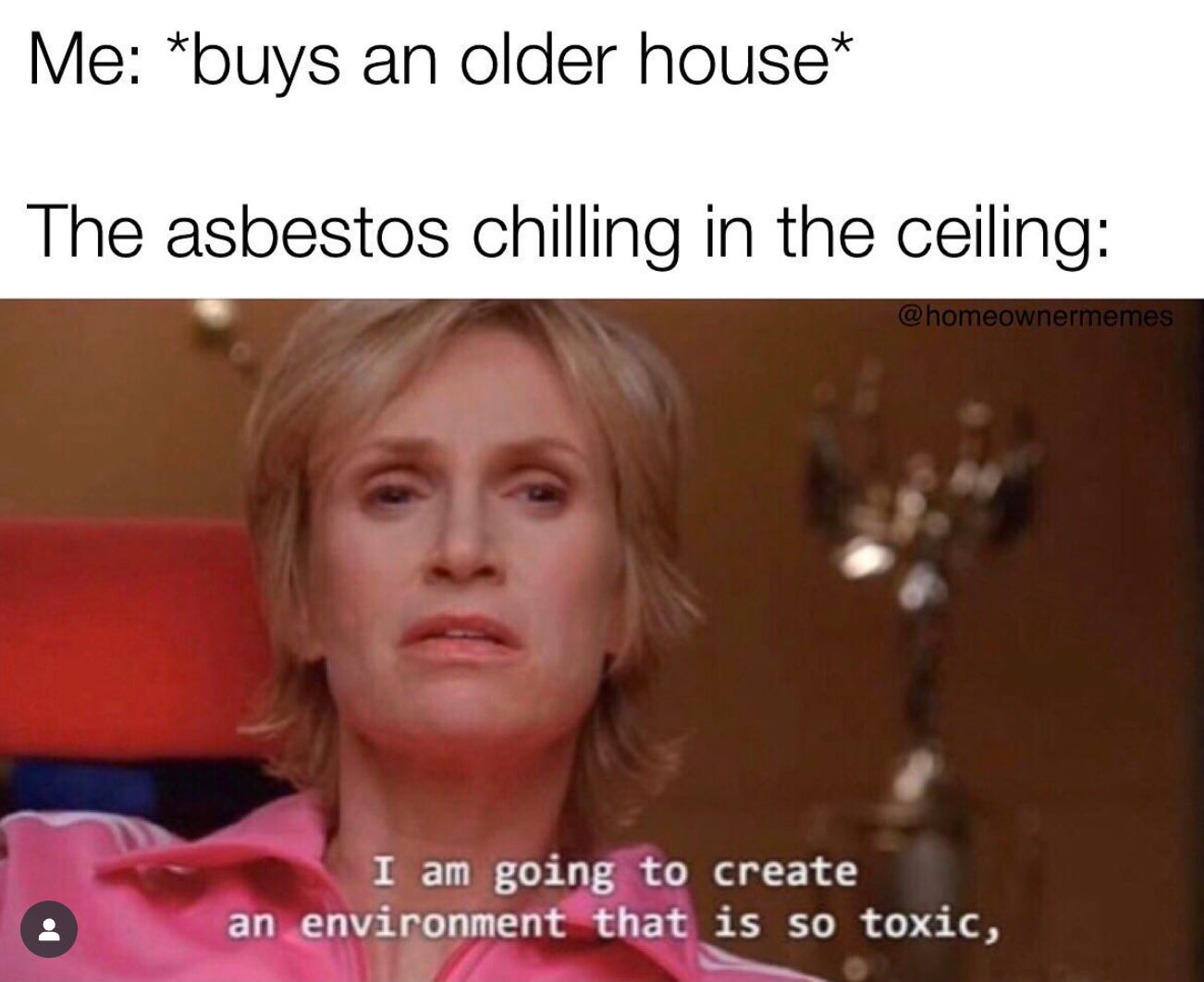
October 20 In Labor History: Asbestos? More Like As-WORST-us.

On October 20, 1969, a construction worker named Clarence Borel filed suit against 11 companies for asbestos exposure. This key moment in the movement against asbestos reveals the dangers workers faced on the job, the decades-long coverup by companies, and how workers finally began to win compensation.

By the late 19th century, asbestos had become common in American construction. Johns Manville, founded in 1858, soon became the largest asbestos producer in the country. In fact, the company’s founder, H. W. Johns, died in 1898 due to asbestos exposure—though he was unaware of the risks at the time. The company pioneered asbestos-based roofing, insulation, and cement products.

The dangers of asbestos were not unknown. Even the ancient Romans realized asbestos caused illness. Pliny wrote that slaves working with asbestos seemed to die, and proto-masks made from animal bladders were used to protect themselves. Despite this, early warnings were largely ignored as the modern asbestos industry developed.

In 1897, a physician in Vienna wrote the first modern report on the health problems faced by asbestos workers. Awareness of these issues grew in the following decades. Nevertheless, workplaces remained unsafe for a long time. Even with the rise of successful unions in the mid-twentieth century, many workplaces remained hazardous. While unions fought for more obvious safety issues, pollutants such as asbestos were not a major priority, resulting in many workers dying from mesothelioma and other asbestos-related diseases.

Change began in the early 1960s, at least for asbestos workers. When physicians asked a company to share medical records after discovering a cluster of asbestos-related illnesses among its workforce, the company refused. The doctors then contacted the International Association of Heat and Frost Insulators and Asbestos Workers, which gladly assisted them.

Though unions generally supported improved workplace safety, they did not fully understand the hazards involved. Their help allowed the doctors to publish a landmark 1965 study strongly affirming the link between asbestos exposure and construction work. The union’s records for death benefits enabled a longer-term study, despite most workers already being deceased.

The racial demographics of asbestos deaths during the peak asbestos use era are striking due to the segregation of construction labor. Between 1990 and 1999, nearly 11,000 Americans died from asbestos-related causes, many exposed decades earlier. An overwhelming 96% of these deaths were men, 93% were white, and 98% were over the age of 55.

By 1998, asbestos-related illness had surpassed black lung disease as the leading cause of workplace deaths related to lung conditions.

Workers had attempted to seek compensation for asbestos-related illnesses for decades. In 1927, a foreman filed the first known suit for damages and won a disability claim in Massachusetts. Lawsuits against Johns Manville began in 1929, and by 1933, the company settled claims from 11 workers in New Jersey.

However, by 1949, facing continued lawsuits, the company opted to withhold information about health risks from workers, covering up the dangers.

In 1969, Clarence Borel, who had worked in construction since 1936, discovered he had contracted asbestosis. His case became pivotal in the fight against asbestos exposure. This occurred alongside the rise of the modern workplace safety movement, which led to the creation of the Occupational Safety and Health Administration (OSHA) in 1971 and spurred increased union focus on such issues.

Borel testified about the pervasive dust in his work environment:

> “You just move them just a little and there is going to be dust, and I blew this dust out of my nostrils by handfuls at the end of the day, trying to use water too, I even used Mentholatum in my nostrils to keep some of the dust from going down my throat, but it is impossible to get rid of all of it. Even your clothes just stay dusty continually unless you blow it off with an air hose.”

He admitted he suspected the work was dangerous, as were many jobs in the mid-twentieth century. Access to respirators came late and was limited; these were often hot and uncomfortable. Many workers pointed out that the burden of safety rested entirely on them, with companies failing to control airborne asbestos.

Interestingly, union safety attempts sometimes caused complaints among workers. Cultures of work often included risk and discomfort as accepted elements.

Borel filed suit against 11 companies. The jury found 10 guilty of negligence but also found Borel partly responsible. The companies appealed, denying responsibility and questioning how Borel got sick. Borel countered that none of the companies took safety seriously—none warned workers about risks or conducted tests to determine safe exposure levels.

At this point, some companies began settling with Borel to limit their losses. Others fought on, prolonging the case through appeals.

Then, in 1974, the discovery of the so-called “Asbestos Papers” during an inspection of an asbestos factory in Connecticut dramatically altered the legal landscape. These documents definitively showed that companies knew what asbestos did to workers’ lungs and had conspired for decades to cover it up.

This revelation led to many workers, including Borel, routinely winning their court cases. Johns Manville filed for bankruptcy in 1982 to protect itself from lawsuits totaling $2 billion.

Companies pooled funds to pay claims, but the industry was overwhelmed. Claims continue today, as evidenced by the many television ads encouraging people exposed to asbestos to join class-action suits.

While proving such claims can be difficult, and courts often less sympathetic due to the rise of conservative judicial appointments, asbestos exposure at workplaces has declined sharply in recent decades. However, the toll of decades-long exposure continues to affect working-class families.

**Further Reading:**

– Dorceta Taylor, *The Environment and the People in American Cities, 1600s-1900s*
– Carl F. Cranor, *Regulating Toxic Substances: A Philosophy of Science and the Law*
– Michael Bowker, *Fatal Deception: The Terrifying True Story of How Asbestos is Killing America*
– Jeb Barnes, *Dust-Up: Asbestos Litigation and the Failure of Commonsense Policy Reform*
https://www.wonkette.com/p/october-20-in-labor-history-asbestos

EXCLUSIVE: Gas-guzzling Taylor Swift Hasn’t Been Able to Use Her Luxury Private Jet for Over Four Months as It’s Falling Apart

**Taylor Swift’s Private Jet Grounded After Accusations of High Carbon Emissions**

*Published Oct. 17, 2025, 4:20 p.m. ET*

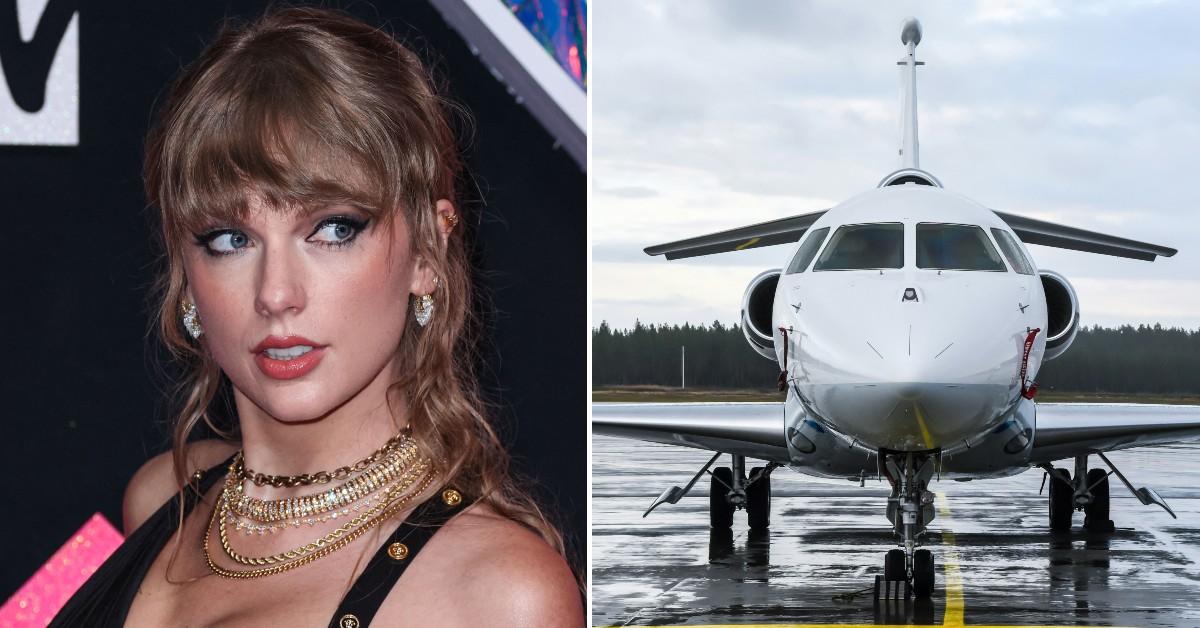
Pop superstar Taylor Swift has recently come under fire for the environmental impact of her private jet, accused of pumping out thousands of tonnes of CO2 with her frequent flights. However, RadarOnline.com can now reveal that the Earth’s atmosphere is getting a much-needed break from the mega-rich singer, as her jet has been grounded for the past four months.

### What’s Wrong With Swift’s Private Jet?

The jet of the “Bad Blood” singer has been parked since June — that’s around four months of no flights. However, this pause doesn’t appear to be due to Swift suddenly adopting eco-friendly habits. Jack Sweeney, a college graduate who has famously tracked Swift’s plane via a flight tracker, claims that the luxury jet is currently undergoing “heavy maintenance” after falling into a state of disrepair.

Sweeney’s X account, *TaylorSwiftJets*, reports that the plane’s last trip was on June 9th, flying from Nashville to Little Rock, Arkansas. This followed several days of flights around Florida, coinciding with Swift and her fiancé Travis Kelce’s visit to watch the Florida Panthers and Edmonton Oilers face off in the Stanley Cup Final.

### Details on Swift’s Luxury Plane

The jet, a 16-year-old Dassault Falcon 7X, is clearly taking a well-deserved rest after a busy few years in the air. It had already flown more than 70 times in the first six months of this year before being temporarily grounded.

This private jet can carry up to 11 passengers and travel over 6,000 miles at speeds of up to 540 miles per hour. During 2023, Swift’s busiest tour year, her two jets—which included one she sold last year—traveled a combined total of 178,000 miles. To put that into perspective, that’s equivalent to flying around the world seven times, emitting approximately 1,200 tonnes of CO2.

### Legal Threat Over Jet Tracking

Jack Sweeney, who gained notoriety for tracking Swift’s plane, has previously faced legal challenges. In December 2023, Swift’s legal team sent him a “cease and desist” letter, accusing him of aiding stalkers and putting the singer’s safety at risk.

The letter stated:
*”While this may be a game to you, or an avenue that you hope will earn you wealth or fame, it is a life-or-death matter for our Client. Ms. Swift has dealt with stalkers and other individuals who wish her harm since she was a teenager… the reality has forced our Client to live her life in a constant state of fear for her personal safety.”*

Despite the threat, Sweeney remains unrepentant and continues his tracking activities.

### Elon Musk Also Clashed with Sweeney

Sweeney is no stranger to high-profile confrontations. Previously, in 2022, he clashed with Elon Musk after managing a jet-tracker account for the Tesla founder. Musk accused Sweeney of endangering his life by sharing his plane’s real-time location and even offered $5,000 to stop the tracking—but Sweeney refused.

Speaking to *The Sun*, Sweeney said:
*”They [Swift and Musk] both have different kinds of powers. But if I’m not gonna back down from someone that I was kind of a fan of, like Elon, so why would I back down for Swift? They thought that just because of the [cease and desist] letter, they’d try and intimidate me.”*

He added:
*”They don’t want you there, they’re the bigger person, have bigger power, and they think they can do stuff like that.”*

As Taylor Swift’s private jet remains grounded for maintenance, the planet gets a temporary respite from the carbon emissions caused by her busy travel schedule. Whether this marks the start of a more eco-conscious chapter for the pop icon remains to be seen.
https://radaronline.com/p/taylor-swift-hasnt-used-her-luxury-private-jet-its-falling-apart/

Vivek Menon becomes first Asian to lead IUCN Species Survival Commission

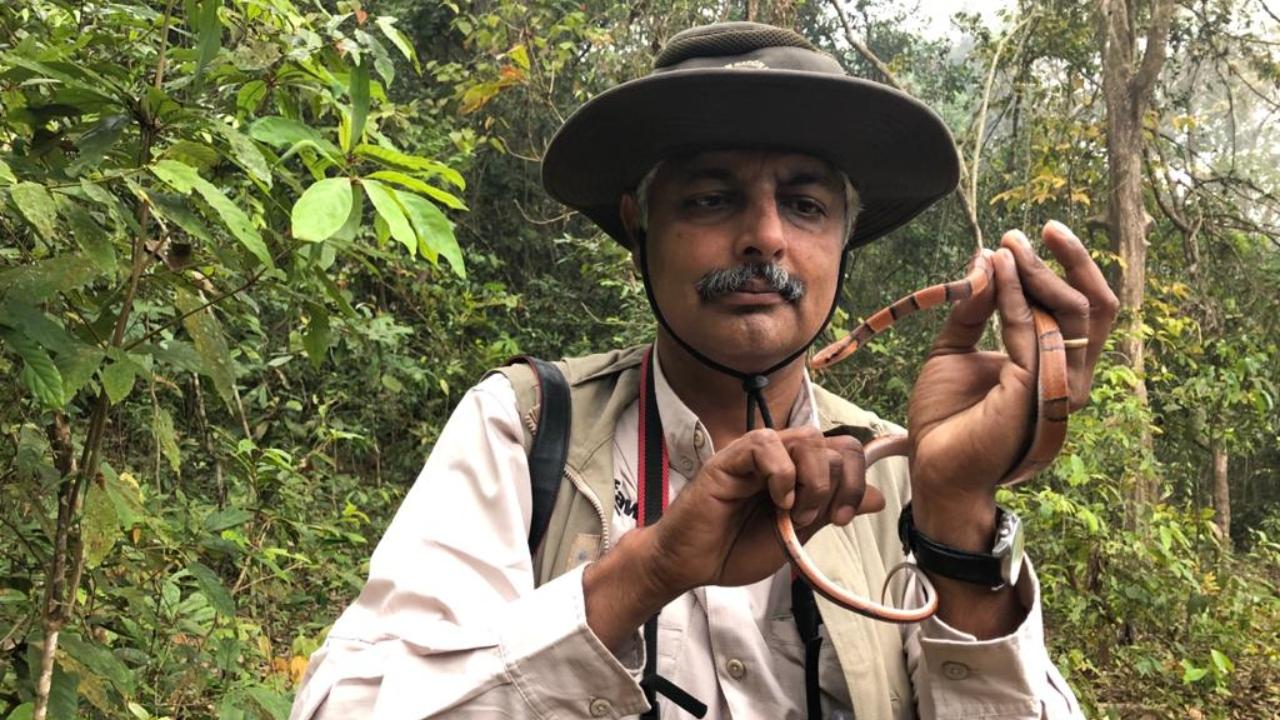
An Indian wildlife conservationist, environmental commentator, author, and photographer with a passion for elephants, Vivek Menon is a conservation leader whose lifelong dedication has created positive, global change for wildlife and natural habitats.

“My goal is to strengthen the SSC into a more resilient, inclusive, and globally impactful network that drives action and shapes policy. I believe in the power of this global network of over 11,000 experts, united by a shared passion for life on Earth, and as Chair, I will lead it with integrity, transparency, and dedication,” Vivek Menon said.

Through expert guidance to premier organisations, participation in landmark initiatives, and training of enforcement personnel across more than 50 countries, Menon has advanced solutions to critical challenges like illegal wildlife trade and species protection. His impact stretches from establishing reserves in Myanmar to helping shape international conservation policies through active roles in CITES, UNESCO, and national advisory boards.

Menon is widely known for his work in protecting elephants and tackling wildlife crime. With more than 30 years of experience, he has worked in over 100 countries and trained officials in over 50 nations. His efforts have helped shape major wildlife policies, and he has played a key role in setting up protected areas and conservation organisations both in India and beyond.

In India, Menon is the Founder and Executive Director of the Wildlife Trust of India (WTI). Under his leadership, WTI has carried out important projects such as elephant corridor protection, anti-poaching efforts, and wildlife rescue and recovery programmes.

Internationally, Menon has held numerous significant roles with the International Union for Conservation of Nature (IUCN), including Chair of the Asian Elephant Specialist Group and membership on committees shaping global biodiversity goals.

In addition to his conservation work, Menon is a prolific author, having written ten wildlife books, including the widely acclaimed *Indian Mammals: A Field Guide*.

His contributions have been recognised with several prestigious international awards, such as the Clark R. Bavin Award, the Whitley Continuation Award, and the Freedom of the City of London in 2024.

Menon’s recent election as Chair of the Species Survival Commission (SSC) marks a major step for diversity in conservation leadership, providing a stronger voice to Asia and the Global South in global species protection efforts.
https://www.mid-day.com/news/india-news/article/indian-wildlife-conservationist-vivek-menon-creates-history-becomes-first-asian-to-lead-iucn-species-survival-commission-23598873

India’s Ahmedabad to host 2030 Commonwealth Games: Presenting key details

**India’s Ahmedabad to Host 2030 Commonwealth Games: Key Details**

*By Rajdeep Saha | Oct 15, 2025, 9:30 PM*

India has been recommended as the host nation for the 2030 Commonwealth Games, with Ahmedabad proposed as the primary venue. This recommendation came from the executive board of Commonwealth Sport during their meeting on Wednesday. The final approval for Ahmedabad’s candidacy will be confirmed by Commonwealth Sport’s full membership at the General Assembly in Glasgow, Scotland, on November 26.

**Previous Experience**

India last hosted the Commonwealth Games in 2010. However, that event was overshadowed by issues related to poor planning, infrastructure delays, and corruption allegations. Despite this, PT Usha, President of the Indian Olympic Association (IOA), described hosting the centenary games as an “extraordinary honor” for the country. She emphasized that the 2030 Games will not only showcase India’s sporting prowess but will also support its broader vision of becoming a developed nation by 2047.

**Strategic Move**

Ahmedabad and Abuja were the only two cities bidding to host the 2030 Commonwealth Games. India’s selection of Ahmedabad aligns with a strategic plan to strengthen its bid for the 2036 Olympics. An IOA official noted that hosting the 2030 Games will be an opportunity to demonstrate India as a “reliable destination” for major international sporting events.

**Venue Preparations**

The newly inaugurated Naranpura Sports Complex in Ahmedabad, which hosted the Commonwealth Weightlifting Championship and Asian Swimming Championship earlier this year, is expected to be a central venue for the Games. Constructed at a cost of ₹825 crore, this state-of-the-art facility is a significant asset.

Other proposed venues include the Sardar Vallabhbhai Patel Enclave and the Narendra Modi Stadium. Unlike the planned multi-city hosting format for the 2036 Olympics, the 2030 Commonwealth Games will primarily take place in Ahmedabad, with possible events in nearby Gandhinagar.

**Evaluation Criteria**

The decision to recommend Ahmedabad was reached after a rigorous assessment by the Commonwealth Sport Evaluation Committee. Candidate cities were evaluated on parameters such as technical delivery, athlete experience, infrastructure quality, governance, and adherence to Commonwealth Sport values.

India’s strong sporting history and impressive performance at the Birmingham 2022 Commonwealth Games—where it finished fourth in the medal tally—were also highlighted as key factors in the recommendation.

**Reactions**

The announcement has been met with enthusiasm across India’s sporting community, signaling a new era for Indian sports on the international stage. Further updates, including official confirmation at the November General Assembly, are eagerly awaited.
https://www.newsbytesapp.com/news/sports/commonwealth-games-2030-to-be-held-in-india-s-ahmedabad/story

万博でマイボトル洗浄、15万回 象印が設置、CO212トン削減

くらし|万博でマイボトル洗浄、15万回 象印が設置、CO2 12トン削減

2025年10月15日 19:01(10月15日 19:03 更新)
[有料会員限定記事]

象印マホービンは15日、大阪・関西万博の会場内に設置した全自動型「マイボトル洗浄機」10カ所の総使用回数が、15万8,488回に達したと発表しました。

この取り組みは、手持ちの水筒を繰り返し使うことでプラスチックごみの削減を目指すもので、CO2排出量の削減にもつながっています。今回の洗浄機の使用により、約12トンのCO2削減効果が見込まれています。

※この記事は有料会員限定です。
続きを読むには、7日間無料トライアル(1日37円)または年払いプランをご利用ください。

[記事のシェア]
– Facebookでシェアする
– Twitterでシェアする
– threadsでシェアする

クリップ機能は有料会員のみご利用いただけます。

西日本新聞meとは?
https://www.nishinippon.co.jp/item/1411669/

Delhi-NCR air quality worsens; 5 stations record 300+ AQI

**Delhi-NCR Air Quality Worsens; Five Stations Record AQI Above 300**

*By Snehil Singh | Oct 15, 2025, 06:12 pm*

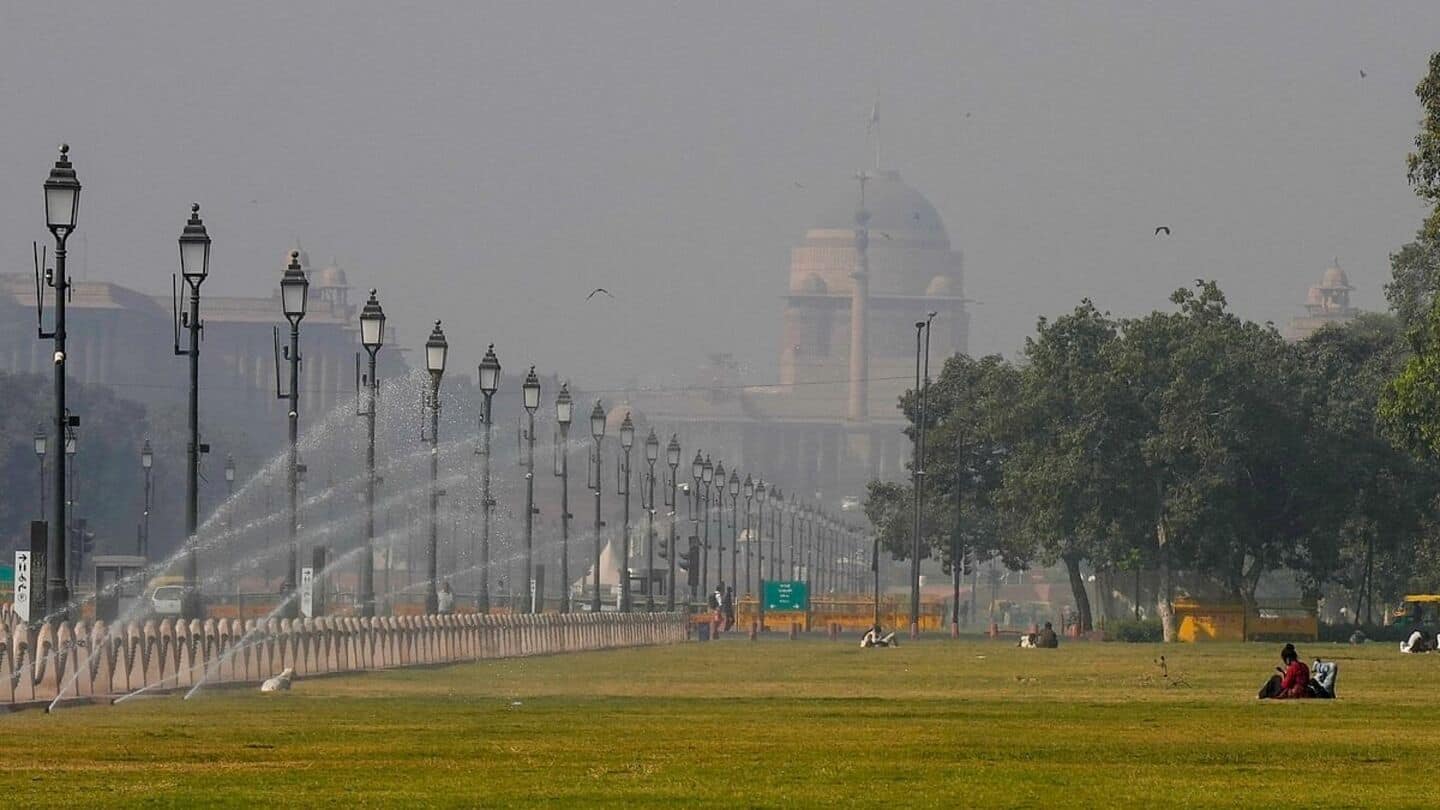
The air quality in the Delhi-National Capital Region (NCR) has further deteriorated, with five monitoring stations registering an Air Quality Index (AQI) exceeding 300. According to data from the Central Pollution Control Board (CPCB), Anand Vihar recorded the highest AQI at a staggering 345.

Other areas also reported alarming AQI figures: DU North Campus and CRRI Mathura Road each recorded 307, while Dwarka Sector 8 and Wazirpur reported 314 and 325, respectively.

**Pollution Response: GRAP Stage-1 Activated**

In response to the worsening air quality, the Commission for Air Quality Management (CAQM) has activated Stage-1 of the Graded Response Action Plan (GRAP) across Delhi-NCR. This comes as AQI levels have fallen between 200 and 300, categorized as “poor.”

Stage-1 implementation mandates strict preventive measures, including the deployment of anti-smog guns and dust suppression activities at construction sites to control pollution sources.

**Pollution Sources: Transport Emissions Lead**

Data from the Decision Support System (DSS) identifies transport emissions as the largest contributor to Delhi’s pollution, accounting for 19.8% of total emissions. On Tuesday, the city recorded an AQI of 201, falling under the “poor” air quality category.

For reference, the CPCB classifies AQI as follows:
– 0-50: Good
– 51-100: Satisfactory
– 101-200: Moderate
– 201-300: Poor
– 301-400: Very Poor
– Above 400: Severe

**Weather Impact**

The India Meteorological Department (IMD) noted that Delhi’s minimum temperature on Wednesday was 18.3°C — slightly below the normal of 19.6°C. This marks the fifth consecutive day with minimum temperatures under 20°C for the 2025-26 winter season. The maximum temperature hovered around 33°C.

Meanwhile, relative humidity was high at 89% as recorded at 8:30 am, factors that could further affect air quality levels.

Residents are advised to take necessary precautions as the air pollution situation remains critical.
https://www.newsbytesapp.com/news/delhi/delhi-ncr-air-quality-worsens-5-stations-record-300-aqi/story

福島除染土、中央9省庁に搬入 環境相「大きな意義がある」


title: 福島除染土、中央9省庁に搬入 環境相「大きな意義がある」
date: 2025-10-14 12:04
categories: 社会・科学・環境

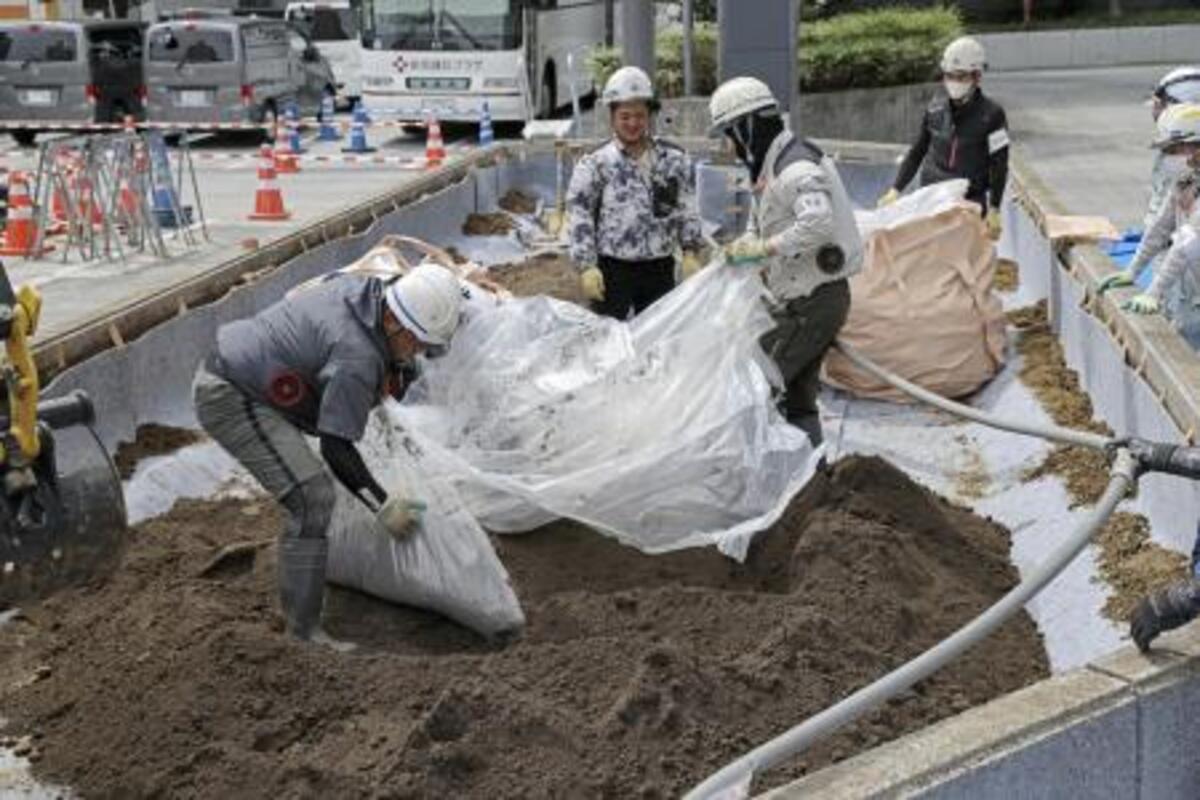
2025年9月14日、経済産業省の花壇に東京電力福島第1原発事故に伴う除染土が搬入されました。

浅尾慶一郎環境相は、同月14日の閣議後記者会見で、福島県内の除染で発生した土を東京・霞が関の中央省庁9カ所に搬入する作業が完了したことを明らかにしました。
環境相はこの取り組みについて「大きな意義がある」と述べています。

除染土の県外利用は首相官邸をはじめとした中央省庁で展示・活用される予定です。

※この記事は有料会員限定の記事です。全文の閲覧には会員登録が必要となります。
7日間無料トライアル(1日37円)、年払いプランもご用意しています。ぜひご検討ください。
https://www.nishinippon.co.jp/item/1411010/

Chinese fleet ‘closest’ ever to Pag-asa island

MANILA, Philippines — Chinese maritime forces operated “very close” to Pag-asa (Thitu) Island over the weekend, deploying a flotilla to harass Sunday’s humanitarian mission for local fishermen, Philippine Coast Guard (PCG) spokesperson for West Philippine Sea Commodore Jay Tarriela said on Monday.

That fleet consisted of more than 15 Chinese maritime militia ships, along with five China…

https://www.inquirer.net/457763/chinese-fleet-closest-ever-to-pag-asa-island/

Central and eastern Europe sees surge in alternative protein funding

Public and nonprofit funding for alternative proteins increased for the fifth consecutive year in 2024, according to a new report from the specialist think tank, the Good Food Institute. This upward trend highlights growing interest and investment in sustainable food technologies worldwide.

Central and eastern European countries are playing an increasingly important role in this sector. Collectively, nations in the region have invested over €17 million in alternative protein research and innovation. This funding supports a variety of advancements, including plant-based products, fermentation techniques, and cultivated meat derived from animal cells.

Poland is a key driver of this movement. In 2023, the country’s National Centre for Research and Development (NCBR) ranked as the seventh largest public investor in cultivated meat across Europe. Alongside Poland, other countries such as Croatia, Czechia, Estonia, and Serbia have also allocated funds to support the growth of alternative protein technologies in the region.

These investments underscore the expanding commitment of central and eastern European countries to foster innovation in sustainable food systems and contribute to the global shift towards alternative proteins.
https://sciencebusiness.net/news/r-d-funding/research-and-innovation-gap/central-and-eastern-europe-sees-surge-alternative-protein

Exit mobile version
Sitemap Index