Jack Smith calls Republicans’ bluff with request to testify — on one condition

Former special counsel Jack Smith is calling Republicans’ bluff, turning the tables Thursday by requesting to testify publicly in open hearings before the House and Senate Judiciary Committees. Smith’s attorneys made the request this week in a letter to Senate Judiciary Committee Chairman Chuck Grassley (R-IA).

“As described by various Senators, the toll data collection was narrowly tailored and limited to the four days from January 4, 2021 to January 7, 2021, with a focus on telephonic activity during the period immediately surrounding the January 6 riots at the U.S. Capitol,” Smith’s lawyers wrote.

Grassley has accused Smith of improperly spying on Republican lawmakers during the Department of Justice investigation and prosecution of President Donald Trump.

“I think it’s important that he’s speaking up in a way to kind of demystify what has been grossly misrepresented to the American people by the senators,” former FBI Deputy Director and CNN senior law enforcement analyst Andrew McCabe said Thursday on CNN’s *The Arena* with anchor Kasie Hunt.

In that testimony from a few weeks ago, McCabe explained, “Toll records are a very rudimentary kind of first step investigative technique in many, many, many, almost all investigations. And it’s typically done early in an investigation when you have an allegation and you’re trying to determine — you’re trying to vet an allegation to even see if there’s something worth investigating.”

He added, “So if someone comes to you, let’s say a situation like this, if someone makes an allegation that they have information that the president contacted a particular senator in the process of trying to stall the Congress’s work on certifying the election, one way to vet that information would be to get toll records, to see if there was actually telephonic contact between those people.”

Smith’s public testimony could shed light and clarify what happened in the investigation and the methods behind it, McCabe said.

“And after you’ve proved that if there’s no contact, then you know not to go down that investigative avenue. If there is contact, then there are, of course, more techniques that you can use to get to the bottom of it,” he added.

“I should also say that it takes a grand jury subpoena to acquire those records. This is not something that a prosecutor or an FBI agent just dreams up off the top of their heads and, you know, calls up the phone company and says, ‘Hey, send us everything you have.’ There is a process. These records are accessed lawfully under the purview of the grand jury. So as I said, I think it was grossly misrepresented in that hearing.”
https://www.rawstory.com/jack-smith-2674227924/

“Gilbert Told on Everyone” – NBA Fans Look Back on Gilbert Arenas’ Comments After String of Gambling Arrests

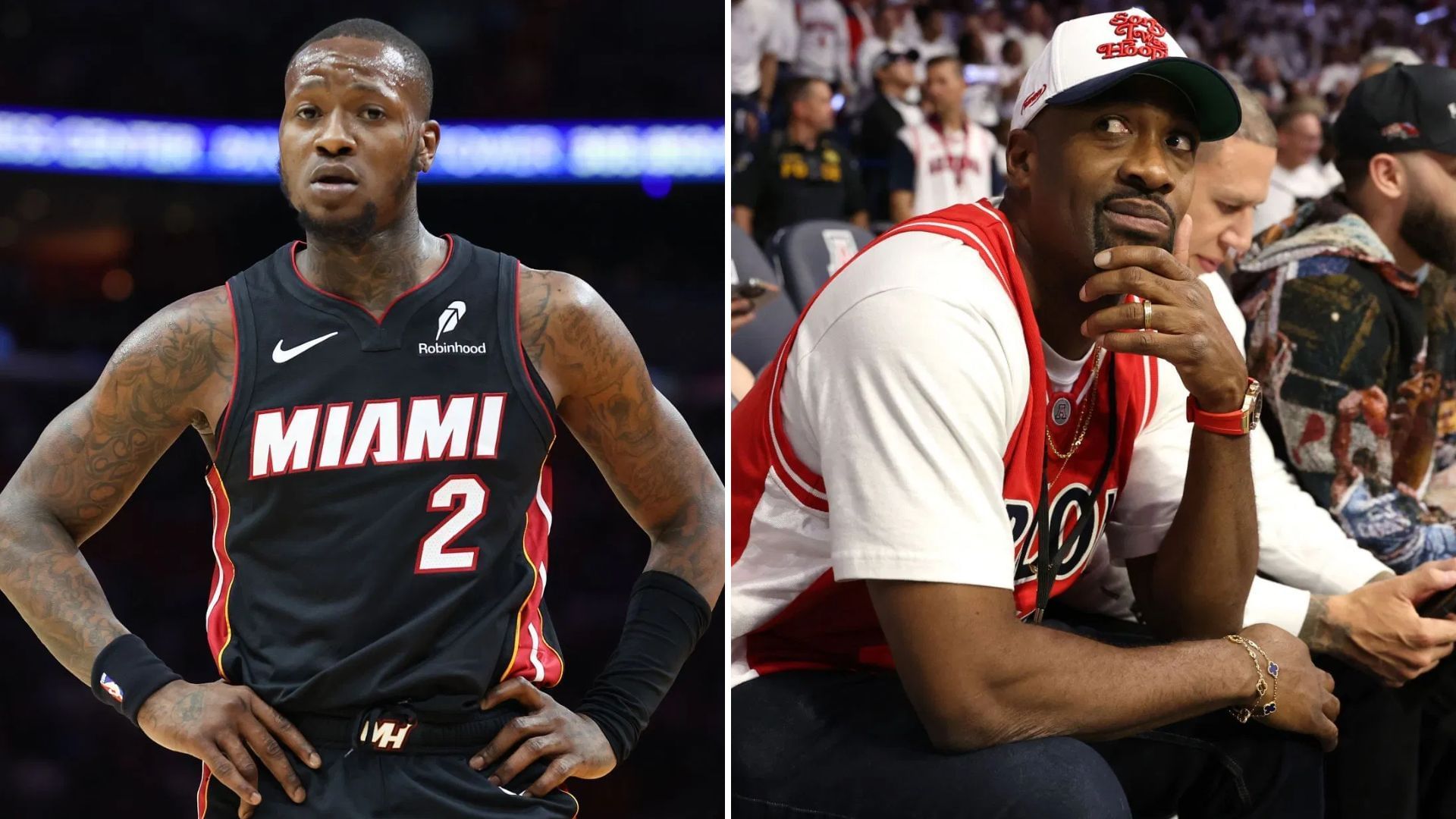
Terry Rozier and Chauncey Billups were arrested on Wednesday in connection with the FBI’s gambling probe.

This development has sparked renewed attention from fans, who recalled comments made by Gilbert Arenas back in August.

The arrests mark a significant moment in the ongoing investigation, highlighting the seriousness of the allegations involved. Fans and analysts alike are closely monitoring the situation as it unfolds.
https://www.sportskeeda.com/basketball/news-gilbert-told-everyone-nba-fans-look-back-gilbert-arenas-comments-after-string-gambling-arrests

EFF Backs Constitutional Challenge to Ecuador’s Intelligence Law That Undermines Human Rights

In early September, the Electronic Frontier Foundation (EFF) submitted an amicus brief to Ecuador’s Constitutional Court in support of a constitutional challenge filed by Ecuadorian NGOs, including INREDH and LaLibre. The case challenges the constitutionality of the Ley Orgánica de Inteligencia (LOI) and its implementing regulation, the General Regulation of the LOI.

EFF’s amicus brief argues that the LOI enables disproportionate surveillance and secrecy that undermine constitutional and Inter-American human rights standards. We urge the Constitutional Court to declare the LOI and its regulation unconstitutional in their entirety.

### Structural Flaws of the LOI

Our submission notes that:

> “The LOI presents a structural flaw that undermines compliance with the principles of legality, legitimate purpose, suitability, necessity, and proportionality; it inverts the rule and the exception, with serious harm to rights enshrined constitutionally and under the Convention; and it prioritizes indeterminate state interests, in contravention of the ultimate aim of intelligence activities and state action, namely the protection of individuals, their rights, and freedoms.”

### Core Legal Problems Identified

#### Vague and Overbroad Definitions

The LOI contains key terms such as “national security,” “integral security of the State,” “threats,” and “risks” that are either left undefined or framed so broadly that they could encompass almost anything. This vagueness grants intelligence agencies wide and unchecked discretion, falling short of the legal certainty standard required under the American Convention on Human Rights (CADH).

#### Secrecy and Lack of Transparency

The LOI makes secrecy the rule rather than the exception, reversing the Inter-American principle of maximum disclosure, which holds that access to information should be the norm and secrecy a narrowly justified exception.

The law establishes a classification system—“restricted,” “secret,” and “top secret”—for intelligence and counterintelligence information, but lacks clear, verifiable parameters to guide its application on a case-by-case basis. Consequently, all information produced by the governing body (ente rector) of the National Intelligence System is classified as secret by default.

Moreover, intelligence budgets and spending are insulated from meaningful public oversight, concentrated under a single authority, and eventually destroyed, leaving no mechanism for accountability.

#### Weak or Nonexistent Oversight Mechanisms

The LOI leaves intelligence agencies to regulate themselves, with almost no external scrutiny. Civilian oversight is minimal and limited to occasional, closed-door briefings before a parliamentary commission that lacks real access to information or decision-making power.

This structure offers no guarantee of independent or judicial supervision and fosters an environment where intelligence operations proceed without transparency or accountability.

#### Intrusive Powers Without Judicial Authorization

The LOI permits access to communications, databases, and personal data without prior judicial order. This enables mass surveillance of electronic communications, metadata, and databases across public and private entities—including telecommunication operators.

Such provisions directly contradict rulings from the Inter-American Court of Human Rights, which establish that any restriction on the right to privacy must be necessary, proportionate, and subject to independent oversight.

Furthermore, it contravenes the CAJAR vs. Colombia judgment, which affirms that intrusive surveillance requires prior judicial authorization.

### International Human Rights Standards Applied

Our amicus curiae draws on the CAJAR vs. Colombia judgment, which set strict standards for intelligence activities. Ecuador’s LOI falls short of all these tests. Specifically, it:

– Fails to provide an adequate legal basis for limiting rights.
– Contravenes principles of necessity and proportionality.
– Lacks robust controls and safeguards, such as prior judicial authorization and meaningful civilian oversight.
– Disregards related data protection guarantees and the rights of data subjects.

At its core, the LOI structurally prioritizes vague notions of “state interest” over the protection of human rights and fundamental freedoms. It legalizes secrecy, unchecked surveillance, and impunity for intelligence agencies.

### Conclusion

For these reasons, we strongly urge Ecuador’s Constitutional Court to declare the LOI and its regulations unconstitutional, as they violate both the Ecuadorian Constitution and the American Convention on Human Rights (CADH).
https://www.eff.org/deeplinks/2025/10/eff-backs-constitutional-challenge-ecuadors-intelligence-law-undermines-human

Abbott spooks academia after declaring Texas will go after professors for ‘ideological differences’

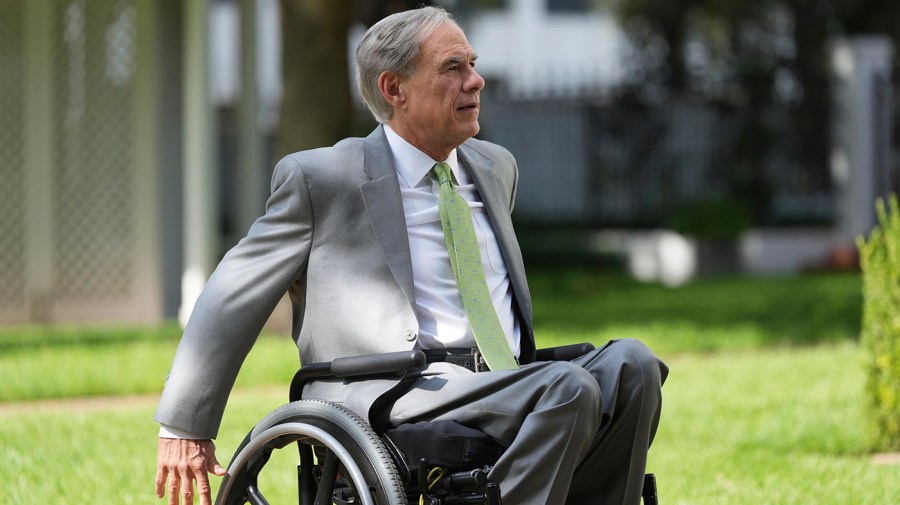
Texas Gov. Greg Abbott (R) has rattled academia and legal experts with his open declaration that his state is “targeting professors” over their personal beliefs.

While Republican governors have increasingly viewed classrooms as ideological battlegrounds, Abbott’s explicit position is raising greater concern. He stated that a Texas educator should have lost his job over “ideological differences,” a stance that has alarmed many in the education and legal communities.

This approach highlights the growing tensions surrounding academic freedom and the role of personal beliefs in education, prompting widespread debate about the limits of ideological expression for educators in Texas.
https://www.kxan.com/top-stories/abbott-spooks-academia-after-declaring-texas-will-go-after-professors-for-ideological-differences/

Sexual assault, drugging trial begins for former owner of Grateful Dead-themed bars

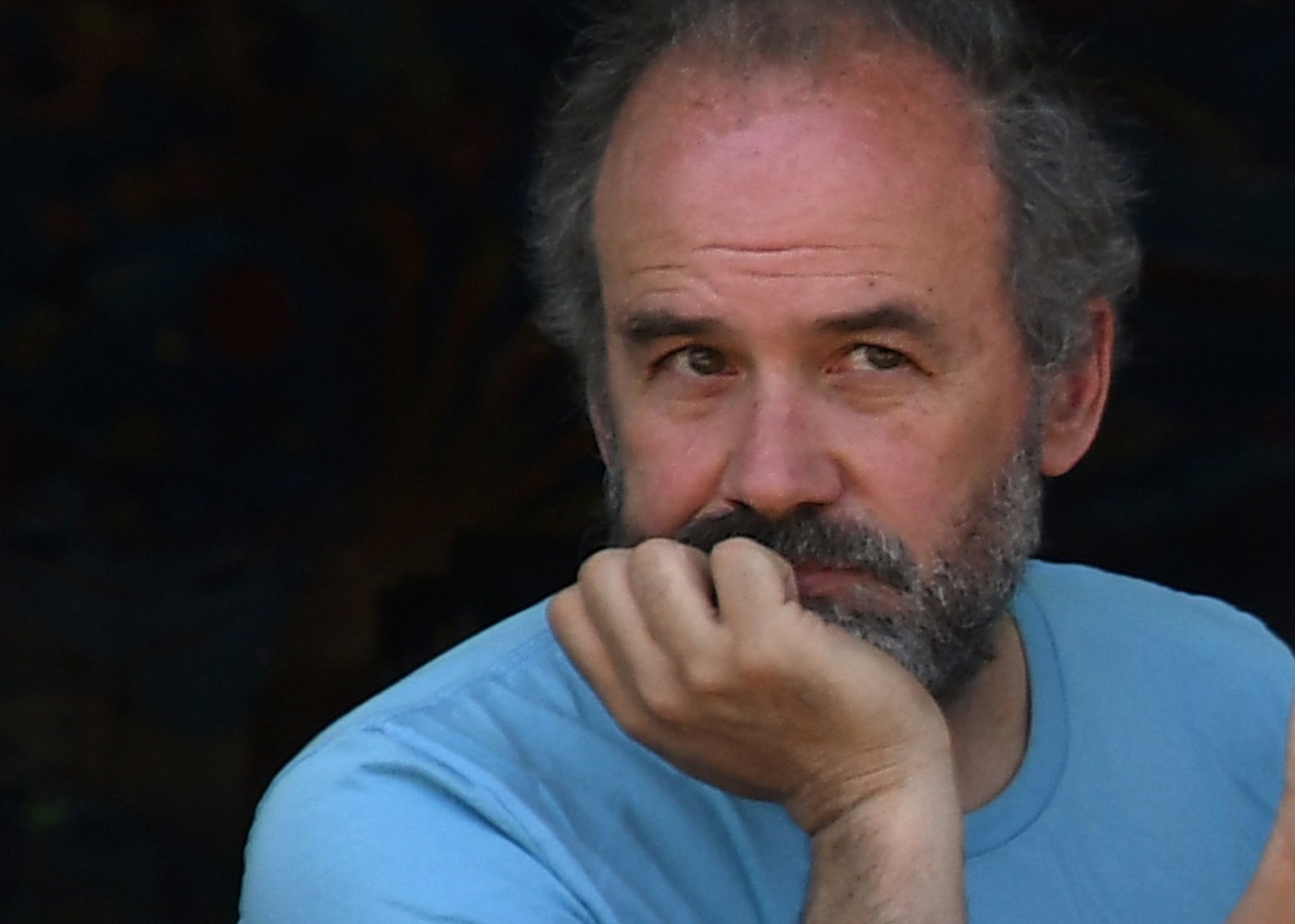
Jay Bianchi is alleged to have drugged and sexually assaulted multiple individuals over a span of four years, from 2020 to 2024.

These serious accusations have brought significant attention to the ongoing investigations, as authorities work to uncover the full extent of the alleged incidents.

Further details are expected to emerge as the case progresses, highlighting the importance of awareness and support for victims of such crimes.
https://www.denverpost.com/2025/10/21/jay-bianchi-trial-denver/

Trial of 3 Guards Tests New York’s Culture of Incarceration

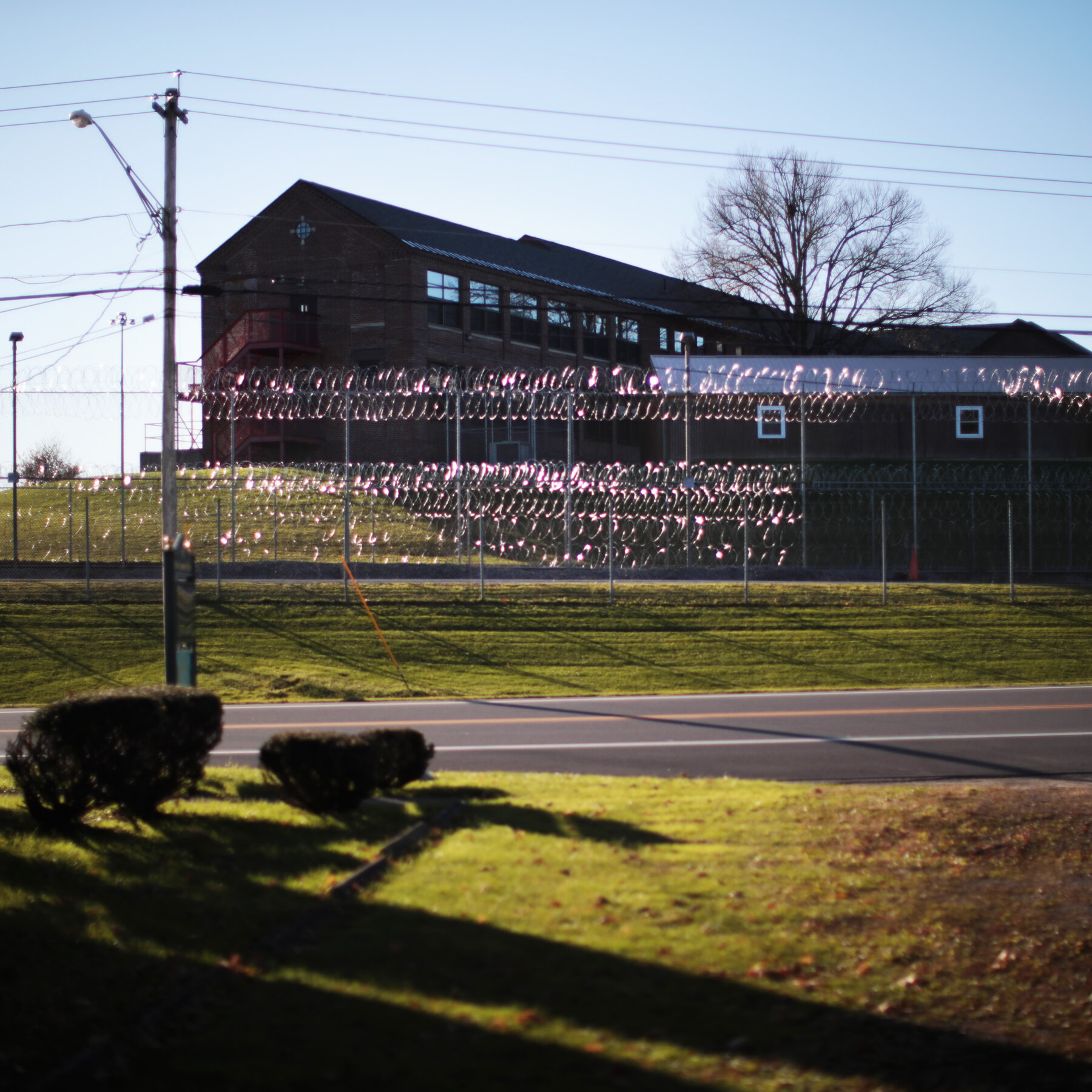
A rare instance of a prison guard being found guilty of murder has drawn mixed reactions from the public.

Advocates of prison reform welcomed the verdict, seeing it as a step toward greater accountability within the correctional system.

However, many expressed disappointment over the acquittal of two other guards involved in the case, feeling that justice was only partially served.

The case highlights ongoing challenges in addressing misconduct and violence in prisons.
https://www.nytimes.com/2025/10/21/nyregion/trial-of-3-guards-tests-new-yorks-culture-of-incarceration.html

Denver man arrested in assault of pro-Trump ‘No Kings’ counter-demonstrator

Police have arrested a 20-year-old man in connection with an alleged assault during a demonstration in downtown Denver. The incident involved a middle-aged man who interjected himself into the “No Kings” protest, shouted expletives and a slur, then became involved in a street altercation resulting in a serious injury.

According to a Denver Police report, the assault occurred after the older man declared, “Yes Trump,” during the rally near Denver’s Union Station on Saturday afternoon. A video circulating on social media shows the man, wearing a blue New York Giants logo shirt, gesturing at and deriding demonstrators.

The footage captures the man running and then falling face-first onto the pavement. He quickly got up and ran again, only to be tripped and fall onto the street by a curb, hitting his head. Despite bleeding heavily from the left side of his face, the man got up once more and, along with friends, clashed with demonstrators.

Some demonstrators attempted to assist him, pointing to his head and indicating he needed medical attention.

Denver police confirmed on Monday that they arrested Jose Cardenas in connection with the assault. Officers tracked Cardenas from Wynkoop Street—where the assault occurred around 2:30 p.m.—to North Lincoln Street near the intersection with 14th Avenue. Authorities say Cardenas attempted to flee from officers at that location.

Witnesses identified Cardenas as the individual who assaulted the counter-demonstrator. According to the police statement of probable cause for arrest, Cardenas was transported to the Denver Jail and charged with aggravated assault.

The victim has not been identified by police but reportedly suffered a serious laceration to his head.

Stay informed with the latest crime news—sign up to get updates sent straight to your inbox each day.
https://www.denverpost.com/2025/10/20/denver-no-kings-arrest-assault-video-demonstrator/

October 20 In Labor History: Asbestos? More Like As-WORST-us.

On October 20, 1969, a construction worker named Clarence Borel filed suit against 11 companies for asbestos exposure. This key moment in the movement against asbestos reveals the dangers workers faced on the job, the decades-long coverup by companies, and how workers finally began to win compensation.

By the late 19th century, asbestos had become common in American construction. Johns Manville, founded in 1858, soon became the largest asbestos producer in the country. In fact, the company’s founder, H. W. Johns, died in 1898 due to asbestos exposure—though he was unaware of the risks at the time. The company pioneered asbestos-based roofing, insulation, and cement products.

The dangers of asbestos were not unknown. Even the ancient Romans realized asbestos caused illness. Pliny wrote that slaves working with asbestos seemed to die, and proto-masks made from animal bladders were used to protect themselves. Despite this, early warnings were largely ignored as the modern asbestos industry developed.

In 1897, a physician in Vienna wrote the first modern report on the health problems faced by asbestos workers. Awareness of these issues grew in the following decades. Nevertheless, workplaces remained unsafe for a long time. Even with the rise of successful unions in the mid-twentieth century, many workplaces remained hazardous. While unions fought for more obvious safety issues, pollutants such as asbestos were not a major priority, resulting in many workers dying from mesothelioma and other asbestos-related diseases.

Change began in the early 1960s, at least for asbestos workers. When physicians asked a company to share medical records after discovering a cluster of asbestos-related illnesses among its workforce, the company refused. The doctors then contacted the International Association of Heat and Frost Insulators and Asbestos Workers, which gladly assisted them.

Though unions generally supported improved workplace safety, they did not fully understand the hazards involved. Their help allowed the doctors to publish a landmark 1965 study strongly affirming the link between asbestos exposure and construction work. The union’s records for death benefits enabled a longer-term study, despite most workers already being deceased.

The racial demographics of asbestos deaths during the peak asbestos use era are striking due to the segregation of construction labor. Between 1990 and 1999, nearly 11,000 Americans died from asbestos-related causes, many exposed decades earlier. An overwhelming 96% of these deaths were men, 93% were white, and 98% were over the age of 55.

By 1998, asbestos-related illness had surpassed black lung disease as the leading cause of workplace deaths related to lung conditions.

Workers had attempted to seek compensation for asbestos-related illnesses for decades. In 1927, a foreman filed the first known suit for damages and won a disability claim in Massachusetts. Lawsuits against Johns Manville began in 1929, and by 1933, the company settled claims from 11 workers in New Jersey.

However, by 1949, facing continued lawsuits, the company opted to withhold information about health risks from workers, covering up the dangers.

In 1969, Clarence Borel, who had worked in construction since 1936, discovered he had contracted asbestosis. His case became pivotal in the fight against asbestos exposure. This occurred alongside the rise of the modern workplace safety movement, which led to the creation of the Occupational Safety and Health Administration (OSHA) in 1971 and spurred increased union focus on such issues.

Borel testified about the pervasive dust in his work environment:

> “You just move them just a little and there is going to be dust, and I blew this dust out of my nostrils by handfuls at the end of the day, trying to use water too, I even used Mentholatum in my nostrils to keep some of the dust from going down my throat, but it is impossible to get rid of all of it. Even your clothes just stay dusty continually unless you blow it off with an air hose.”

He admitted he suspected the work was dangerous, as were many jobs in the mid-twentieth century. Access to respirators came late and was limited; these were often hot and uncomfortable. Many workers pointed out that the burden of safety rested entirely on them, with companies failing to control airborne asbestos.

Interestingly, union safety attempts sometimes caused complaints among workers. Cultures of work often included risk and discomfort as accepted elements.

Borel filed suit against 11 companies. The jury found 10 guilty of negligence but also found Borel partly responsible. The companies appealed, denying responsibility and questioning how Borel got sick. Borel countered that none of the companies took safety seriously—none warned workers about risks or conducted tests to determine safe exposure levels.

At this point, some companies began settling with Borel to limit their losses. Others fought on, prolonging the case through appeals.

Then, in 1974, the discovery of the so-called “Asbestos Papers” during an inspection of an asbestos factory in Connecticut dramatically altered the legal landscape. These documents definitively showed that companies knew what asbestos did to workers’ lungs and had conspired for decades to cover it up.

This revelation led to many workers, including Borel, routinely winning their court cases. Johns Manville filed for bankruptcy in 1982 to protect itself from lawsuits totaling $2 billion.

Companies pooled funds to pay claims, but the industry was overwhelmed. Claims continue today, as evidenced by the many television ads encouraging people exposed to asbestos to join class-action suits.

While proving such claims can be difficult, and courts often less sympathetic due to the rise of conservative judicial appointments, asbestos exposure at workplaces has declined sharply in recent decades. However, the toll of decades-long exposure continues to affect working-class families.

**Further Reading:**

– Dorceta Taylor, *The Environment and the People in American Cities, 1600s-1900s*
– Carl F. Cranor, *Regulating Toxic Substances: A Philosophy of Science and the Law*
– Michael Bowker, *Fatal Deception: The Terrifying True Story of How Asbestos is Killing America*
– Jeb Barnes, *Dust-Up: Asbestos Litigation and the Failure of Commonsense Policy Reform*
https://www.wonkette.com/p/october-20-in-labor-history-asbestos

Tether Nominates Executives to Juventus Board After Investment in Club

Tether Seeks Board Control at Juventus Following 10.7% Stake Investment

Tether, the issuer behind the stablecoin USDT, is making a strategic move into the world of football by seeking board control at Juventus FC. Earlier this year, Tether invested a 10.7% stake in the Italian football club and now aims to increase its influence by nominating two executives to join Juventus’ board of directors.

### Strategic Investment and Board Nominations

In February and April 2024, Tether acquired a significant 10.7% share in Juventus, signaling its strong interest in the football industry. Since the investment, the company has actively engaged with fans to gather insights and concerns about the club’s management. Emphasizing the need for improved governance and stronger minority representation, Tether has nominated Zachary Lyons, its Deputy Chief Investment Officer, and Francesco Garino, a medical doctor and Juventus supporter, to join the club’s board.

These nominations are set to be voted on during the Juventus shareholder meeting scheduled for November 7, 2024. With this initiative, Tether aims to influence the future direction and governance of the club.

### Focus on Corporate Governance and Transparency

Tether’s push for enhanced corporate governance at Juventus comes amidst a period of leadership instability. In November 2022, Juventus experienced a major upheaval when its entire board resigned following allegations of financial fraud related to players’ salaries. Several executives, including former chairman Andrea Agnelli, faced legal consequences, prompting significant changes in the club’s leadership.

Paolo Ardoino, CEO of Tether, highlighted the company’s commitment to bringing “best-in-class corporate governance” to Juventus. By nominating professionals from diverse backgrounds, Tether seeks to strengthen the club’s management and establish better decision-making processes moving forward.

### Expanding Influence Beyond Football

While Tether’s core business centers around stablecoins, the company has been actively diversifying its investments across various industries. Apart from Juventus, Tether has invested $775 million in Rumble, a video-sharing platform. Additionally, the company has shown interest in artificial intelligence by proposing a joint acquisition of Northern Data, a firm specializing in AI infrastructure.

These strategic investments demonstrate Tether’s broader ambition to build a significant presence beyond the cryptocurrency market, expanding its footprint into traditional sectors such as sports and technology.

### The Road Ahead for Juventus and Tether

The upcoming Juventus shareholder meeting will be a pivotal moment for both the club and Tether. Approval of Tether’s board nominations could lead to a considerable shift in Juventus’ governance structure. With Tether’s involvement, the club may see new leadership dynamics aimed at restoring its reputation and ensuring greater transparency after recent scandals.

As Juventus navigates these changes, Tether’s role could become instrumental in shaping the club’s future trajectory both on and off the field.
https://coincentral.com/tether-nominates-executives-to-juventus-board-after-investment-in-club/

Grand Jury Indicts Former National Security Advisor Bolton for Allegedly Sharing Classified Material

Former National Security Advisor John Bolton has been indicted by a federal grand jury on 18 criminal counts under the Espionage Act. He is accused of sharing information containing classified material related to U.S. national defense.

According to CNN, which cited two sources, the Maryland grand jury indicted Bolton for allegedly sharing classified information—including more than one thousand pages of diary-like notes—with his wife and daughter over email. The indictment also alleges that a “cyber actor,” believed to be Iranian, hacked Bolton’s computer. Bolton reportedly refused to disclose the nature of the classified information communicated through the compromised account.

Bolton served as President Donald Trump’s national security advisor for nearly 18 months until he was fired in 2019. Since then, he has accused the Trump administration of political targeting and maintains that he has done nothing wrong.

During his time after leaving the White House, Bolton wrote a scathing memoir about his experience, in which he described Trump as “unfit” to be president. In response to the indictment reports, President Trump remarked, “I think he’s a bad person. Too bad.”
http://www.cbn.com/api/urlredirect.aspx?u=http://www1.cbn.com/cbnnews/national-security/2025/october/grand-jury-indicts-former-national-security-advisor-bolton-for-allegedly-sharing-classified-material

Exit mobile version
Sitemap Index